
BuddhistCatholicContemplativeEvangelicalGeneral ChristianHinduJewishLatter-day SaintMuslimNew VisionsProgressive Christian
Beliefs
- Buddhist
- Catholic
- Contemplative
- Evangelical
- General Christian
- Hindu
- Jewish
- Latter-day Saint
- More Voices
- Muslim
- New Visions
- Pagan
- Progressive Christian
Topics
- Religion News
- Food and Religion
- Sports and Religion
- Religious Art
- Religious Music and Entertainment
- Religious Events
- History and Religion
- Style and Religion
- Politics and Religion
- Women in Religion
- Recreation Outdoors and Religion
- Business Finance and Religion
- Careers Workplace and Religion
- Education and Religion
- Family Parenting and Religion
- Health Fitness and Religion
- Home and Religion
- Relationships and Religion
- Technology and Religion
- Travel and Religion
Columnists
- Buddhist Columnists
- Business Finance and Religion Columnists
- Careers Workplace and Religion Columnists
- Catholic Columnists
- Contemplative Columnists
- Education and Religion Columnists
- Evangelists Columnists
- Family Parenting and Religion Columnists
- General Christian Columnists
- Health Fitness and Religion Columnists
- Hindu Columnists
- History and Religion Columnists
- Home and Religion Columnists
- Jewish Columnists
- More Voices Columnists
- Latter Day Columnists
- Muslim Columnists
- New Visions Columnists
- Nonreligious Columnists
- Pagan Columnists
- Politics and Religion Columnists
- Progressive Columnists
- Recreation Outdoors and Religion Columnists
- Relationships and Religion Columnists
- Religion News Columnists
- Religious Art Columnists
- Religious Events Columnists
- Religious Music and Entertainment Columnists
- Sports and Religion Columnists
- Style and Religion Columnists
- Technology and Religion Columnists
- Travel and Religion Columnists
- Women in Religion Columnists
Resource Library
- 2026 Calendar
- Library of World Religions
- The 100 Most Holy Places on Earth
- Patheos Answers
- Podcasts
- Videos
- Faith Leaders Database
- Anglican Episcopalian
- Bahai
- Baptist
- Buddhism
- Christianity
- Confucianism
- Eastern Orthodoxy
- Hinduism
- Holiness and Pentecostal
- ISKCON
- Islam
- Judaism
- Lutheran
- Methodist
- The Church of Jesus Christ of Latter-day Saints
- New Age
- Paganism
- Presbytarian and Reformed
- Protestantism
- Religion Behind the Scenes
- Roman Catholic
- Scientology
- Shia Islam
- Sikhism
- Sufism
- Sunni Islam
- Taoism
- Zen
- See all religions
Research Tools
 Ad-Free & Subscriber Log-In Subscription Support
Ad-Free & Subscriber Log-In Subscription Support
Follow Patheos 

- Trending:
- Forgiveness
- |
- Marriage
- |
- Consciousness
- |
- Death Penalty
- |
- Election
- |
- Halloween
 Preventing Grace
- Home
- Evangelical
- If You Feel Bad
If You Feel Bad
Last updated on: May 19, 2019 at 6:45 am by Anne Kennedy
If You Feel Bad 2019-05-19T06:45:49-04:00 Anne Kennedy
Patheos Explore the world's faith through different perspectives on religion and spirituality! Patheos has the views of the prevalent religions and spiritualities of the world.
I came across this curious judgment this week in all my internet wandering:
Conservative Protestants have a very weak theology of the body. They tend to view the body as less important than other religious traditions. For example, in Catholicism, and Mormonism, and Judaism, and Islam, what you’re doing with your body matters. There are ideas of cleanliness in washing, and bodily comportment, and position, in ways that evangelical Christians just don’t really care about. They tend to be far more focussed on where your heart is—and that’s the word they use—what you’re thinking about, where your spirit is putting its allegiance.
It’s in the middle of long interesting interview about what evangelicals think and how they feel about pornography. The answer to that question, in a nutshell, is Bad. They feel bad and depressed and miserable, even and especially when they fall into what they believe is that grave and ruinous sin. This is interesting because the general population doesn’t feel bad. They mainly feel fine and happy.
The worst thing now is to feel bad. You are meant to feel happy, almost at any cost. Though the cost is getting rather high—the very effort is making us ridiculous.
So I think it is probably true that conservative Protestants have a weak theology of the body. They think that if they get their heads and hearts right, their bodies will do what they’re supposed to. Mind over matter—it’s Protestant, and also American.
And also potentially expensive and painful, because when the mind fails to properly direct the body, the new prevailing solution is to start cutting up and refashioning the body to make the sadness go away. When that doesn’t work you can blame God, I suppose, even if you don’t really believe in him.
Or you could, if gender reassignment surgery, or another tattoo, or reconsidering your sexuality, or getting online to shop after drinking too much (which I saw this morning is becoming a rampant problem)—all of which seems rather painful if you ask me—seems unappealing, go to church. If go one further and blunder into a liturgical church, you might hear two texts you might never ordinarily put side by side, read one after another.
The first of these two texts is a portion of Leviticus 19, which starts out, “You shall be holy, for I the Lord your God am holy,” and then goes on to list, in detail, the holy and good things you shall do, both outwardly with your body, and inwardly with your soul—not harvesting the edges of your field, not slandering your neighbor, not lying, not hating your brother—because, says God over and over, “I am the Lord.”
The second is the first half of Revelation 19 which, in the middle, has this detail about the church, who is getting ready—indeed is right now in one of those interminably long engagement periods that lasts like several thousand years and who knows how many more to endure—“…it was granted her to clothe herself with fine linen, bright and pure- for the fine linen is the righteous deeds of the saints.” Then the angel instructs John to write, “Blessed are those who are invited to the marriage supper of the Lamb.” Then John tries to worship the angel and is rebuked. And then Jesus, the conquering Lord, his robe dipped in blood, comes along on the white horse and wins the battle in a matter of minutes, if that. The beast is thrown into the lake of fire and the circling birds gorge themselves on the carcasses of the wicked.
Meanwhile, back in the Psalms, there is the ordered, calming refrain—the Lord is good, the Lord is kind, the Lord is gracious, the Lord is patient, the Lord is merciful, the Lord is righteous, and then, right at the end, “My mouth will speak the praise of the LORD, and let all flesh bless his holy name forever and ever.” – Psalm 145:21
I didn’t mention the gospel reading, which is about glory—a confusing time for Jesus to bring it up, right as he is about to be ignominiously arrested, beaten, humiliated, stripped naked, and hung up on a pole. The last word you would be able to wrap your mind around at a moment like that is glory. His friends—with their bodies and their souls—cower in the darkness, overcome by disappointment and sorrow. They feel bad—worse than they ever thought possible.
Yet they are the ones being dressed in fine linen, bright and pure. They are being decked out for the marriage supper of the Lamb. They are being made holy, both outwardly in the body, and inwardly in the soul. The ruinous enmity, and jealous, pinching sin that characterizes most human thoughts, motivations, and actions is being swept away by the power of The Lord—that same one who kept on with those various refrains. I am the Lord. The Lord is good. The Lord is kind. The Lord is gracious.
It is really impossible to have a good theology of the body, what with it being so broken. If you’re not feeling bad about your own body, or actively abusing somebody else’s body, or hearing about horrific abuse, or worshiping the wrong thing with your body—an angel, or yourself, or something fallen and human—you can at least mourn and grieve over death itself, that crucial moment when your soul is wrenched away from its home and your body goes back into the dust.
What then? No amount of shopping or hormones or laws or anything will bring it back again. At least, you can’t. There’s nothing you can do. Except for look up to the one—the holy One, the Lord—who can. Who did. Who can organize and arrange your muddled and painful present, and ultimately sit you down and that long desired supper, all clean and pressed and relieved that all the trouble and weeping are finally over.
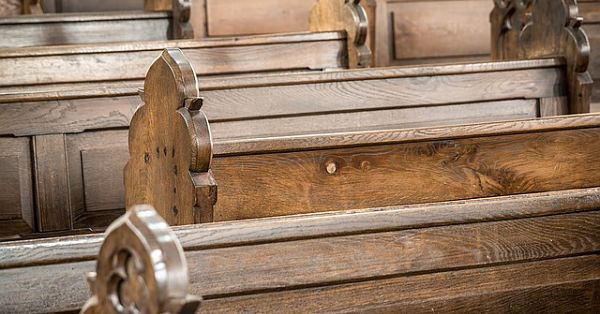
It’s all there, in twenty minutes before the sermon. You should try it. Your credit card could use the break, and there’s a not uncomfortable pew waiting for your tired body, your troubled heart to sit down and rest for a while.
Previous Post

May 16, 2019
Three Things on Thursday: de Blasio, Alabama, and Don’t Call Me Wifey
Next Post

May 21, 2019 Rambling around with Frog and Toad and Children and Food
Browse Our Archives
Select a Category books Catechesis of the Good Shepherd Children in Conversation culture watch Daily Devotions Demotivations with Anne faith alone for the grandparents GAFCON In conversation with children In the News Kitchen Notes Lambeth Learning Notes Life Going On Men are Human Notes from Home Pictures Reading the Bible Saturday Links Sermons Signs of the Apocalypse The Bad Word Association The Prayer of Jonah Travel Notes Uncategorized Witless Wednesdays Work and the Christian
Select a Month June 2024 May 2024 April 2024 March 2024 February 2024 January 2024 November 2023 October 2023 September 2023 August 2023 July 2023 June 2023 May 2023 April 2023 March 2023 February 2023 January 2023 December 2022 November 2022 October 2022 September 2022 July 2022 May 2022 April 2022 March 2022 February 2022 January 2022 December 2021 November 2021 October 2021 September 2021 August 2021 July 2021 June 2021 May 2021 April 2021 March 2021 February 2021 January 2021 December 2020 November 2020 October 2020 September 2020 August 2020 July 2020 June 2020 May 2020 April 2020 March 2020 February 2020 January 2020 December 2019 November 2019 October 2019 September 2019 August 2019 July 2019 June 2019 May 2019 April 2019 March 2019 February 2019 January 2019 December 2018 November 2018 October 2018 September 2018 August 2018 July 2018 June 2018 May 2018 April 2018 March 2018 February 2018 January 2018 December 2017 November 2017 October 2017 September 2017 August 2017 July 2017 June 2017 May 2017 April 2017 March 2017 February 2017 January 2017 December 2016 November 2016 October 2016 September 2016 August 2016 July 2016 June 2016 May 2016 April 2016 March 2016 February 2016 January 2016 December 2015 November 2015 October 2015 September 2015 August 2015 July 2015 June 2015 May 2015 April 2015 March 2015 February 2015 January 2015 December 2014 November 2014 October 2014 September 2014 August 2014 July 2014 June 2014 May 2014 April 2014 March 2014 February 2014 January 2014 December 2013 November 2013 October 2013 September 2013 August 2013 July 2013 June 2013 May 2013 April 2013 March 2013 February 2013 January 2013 December 2012 November 2012 October 2012 September 2012 August 2012 July 2012 June 2012 May 2012 April 2012 March 2012 February 2012 January 2012 December 2011 November 2011 October 2011 September 2011 August 2011 July 2011 June 2011 May 2011 April 2011 March 2011 February 2011 January 2011 December 2010 November 2010 October 2010 September 2010 August 2010 July 2010 June 2010 May 2010 April 2010 March 2010 February 2010 January 2010 December 2009 November 2009 October 2009 September 2009 August 2009 July 2009 June 2009 May 2009 April 2009 March 2009 February 2009 January 2009 December 2008 November 2008 October 2008 September 2008 August 2008 July 2008 June 2008 May 2008 April 2008 March 2008 February 2008 January 2008 December 2007 November 2007 October 2007 September 2007 August 2007 July 2007 June 2007 May 2007 April 2007 March 2007 February 2007 January 2007 December 2006 November 2006 October 2006
Follow Us!
TAKE THE
Religious Wisdom Quiz
Who was Abraham's nephew?
Select your answer to see how you score.
Jacob Isaac Ishmael Lot
Books by This Author Books by Anne Kennedy
Related posts from Preventing Grace
Dress for Action like an Anglican


TRENDING AT PATHEOS Evangelical

The REST of Your Life: A Creative Wrestles...
This week I had a conversation with a good friend from church....

How the author of the world's best hymn...
I've been working with John Newton for a while now. This makes...

Long before this Lectio Divina, Psalm 130 - the song - started...

What About the Trees? Another Living Parable
After I finished writing the last article about falling leaves as a...

Why Classical Education Is a Conversation, Not a...
Come and Read: Joy in Classical Education When I was a little...

Cornell University has received a great deal of negative publicity and intense...
view all Evangelical blogs
Ad-Free & Subscriber Log-In Subscription Support
- About Us
- 2026 Calendar
- Videos
- Podcasts
- Library of World Religions
- Faith In Media Tracker
- Advertise With Us
- Write for Us
- Privacy Policy
- Terms of Service
- Do Not Sell My Data
- Contact Us
- Radiant Digital
- Manage Newsletter Subscriptions
- Unsubscribe From Notifications
- Sitemap
Copyright 2008-2026, Patheos. All rights reserved.
Subscription Support Ad-Free & Subscriber Log-In
Follow Patheos