
BuddhistCatholicContemplativeEvangelicalGeneral ChristianHinduJewishLatter-day SaintMuslimNew VisionsProgressive Christian
Beliefs
- Buddhist
- Catholic
- Contemplative
- Evangelical
- General Christian
- Hindu
- Jewish
- Latter-day Saint
- More Voices
- Muslim
- New Visions
- Pagan
- Progressive Christian
Topics
- Religion News
- Food and Religion
- Sports and Religion
- Religious Art
- Religious Music and Entertainment
- Religious Events
- History and Religion
- Style and Religion
- Politics and Religion
- Women in Religion
- Recreation Outdoors and Religion
- Business Finance and Religion
- Careers Workplace and Religion
- Education and Religion
- Family Parenting and Religion
- Health Fitness and Religion
- Home and Religion
- Relationships and Religion
- Technology and Religion
- Travel and Religion
Columnists
- Buddhist Columnists
- Business Finance and Religion Columnists
- Careers Workplace and Religion Columnists
- Catholic Columnists
- Contemplative Columnists
- Education and Religion Columnists
- Evangelists Columnists
- Family Parenting and Religion Columnists
- General Christian Columnists
- Health Fitness and Religion Columnists
- Hindu Columnists
- History and Religion Columnists
- Home and Religion Columnists
- Jewish Columnists
- More Voices Columnists
- Latter Day Columnists
- Muslim Columnists
- New Visions Columnists
- Nonreligious Columnists
- Pagan Columnists
- Politics and Religion Columnists
- Progressive Columnists
- Recreation Outdoors and Religion Columnists
- Relationships and Religion Columnists
- Religion News Columnists
- Religious Art Columnists
- Religious Events Columnists
- Religious Music and Entertainment Columnists
- Sports and Religion Columnists
- Style and Religion Columnists
- Technology and Religion Columnists
- Travel and Religion Columnists
- Women in Religion Columnists
Resource Library
- 2026 Calendar
- Library of World Religions
- The 100 Most Holy Places on Earth
- Patheos Answers
- Podcasts
- Videos
- Faith Leaders Database
- Anglican Episcopalian
- Bahai
- Baptist
- Buddhism
- Christianity
- Confucianism
- Eastern Orthodoxy
- Hinduism
- Holiness and Pentecostal
- ISKCON
- Islam
- Judaism
- Lutheran
- Methodist
- The Church of Jesus Christ of Latter-day Saints
- New Age
- Paganism
- Presbytarian and Reformed
- Protestantism
- Religion Behind the Scenes
- Roman Catholic
- Scientology
- Shia Islam
- Sikhism
- Sufism
- Sunni Islam
- Taoism
- Zen
- See all religions
Research Tools
 Ad-Free & Subscriber Log-In Subscription Support
Ad-Free & Subscriber Log-In Subscription Support
Follow Patheos 

- Trending:
- Forgiveness
- |
- Marriage
- |
- Consciousness
- |
- Death Penalty
- |
- Election
- |
- Halloween
 Preventing Grace
- Home
- Evangelical
- Alleluia! He is Risen!
Alleluia! He is Risen!
Last updated on: April 21, 2019 at 6:35 am by Anne Kennedy
Alleluia! He is Risen! 2019-04-21T06:35:23-04:00 Anne Kennedy
Patheos Explore the world's faith through different perspectives on religion and spirituality! Patheos has the views of the prevalent religions and spiritualities of the world.
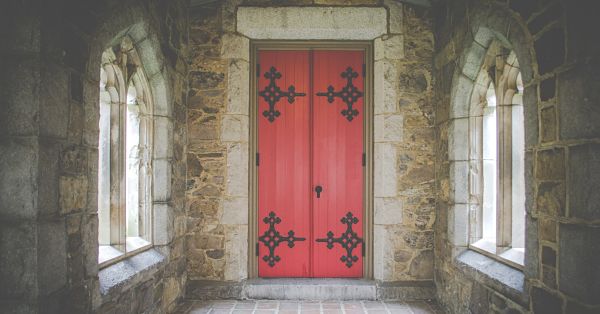
Alleluia! He is Risen!
As many of you know, if you have happened to see any news all week, on Monday evening Notre Dame in Paris caught fire and the wooden interior of the church burned almost completely. A lot of movable art, relics, and other artifacts were carried out, and the rose window and iconic bell towers, and, indeed, the whole stone structure of the church, remain intact, but millions of dollars of valuable history is gone, poof, in a couple of hours.
When I found out I was angrily scrubbing my kitchen floor. My house was a disaster area and I was supposed to be studying for this sermon but I can’t think when my house is dirty. So I screamed at everyone and then started my scrubbing in a rage—adding sin to frustration and despair. But then my mother called me to turn on the news and so I stopped and slumped on the floor with my phone to watch the spire falling—falling over and over and over, as if civilization itself was dissolving in ash. Notre Dame is one of the places you should visit if you ever go on a historical tour of my life. I shuffled through its cool, vaulted nave as a child, when I couldn’t have cared less, and then as a young adult, finally marveling over the transcendent beauty, wishing I had a reason to settle down and live there.
Ezekiel was called to prophesy to Israel when everything they loved about themselves, and the place they lived, was not just under the threat of destruction—as all civilization is because of time, neglect, sin, foolishness, and just how everything eventually breaks and is ruined—but was actually destroyed before their very eyes. The way you stand by helplessly, watching the worst happen, unable to lift a finger to stop it, your throat filled with unutterable sorrow and rage. Jerusalem was torn down in front of them. The rich were marched away into captivity. The poor were left destitute with nothing. Their home was ravaged, a desolate wasteland. And it wasn’t just because of the malign evil of their enemies, the Babylonians. It was because God himself wanted them out.
Ezekiel has to dig a little hole through the wall of the temple to witness the sickening vision of the vile, idolatrous, desolations of sacrilege perpetrated by the elders of Israel in God’s own house. Later he sees another strange and terrible vision of the glory of the Lord leaving the temple, pushed out by the ugly ruin of sin, the place he promised to live. They would be his people, he had said, and He would be their God. They would live together, side by side, in peace and beauty.
That’s the glorious vision cast out in the very first two chapters of the whole Bible. God speaks and light floods the new, embryo cosmos. Then, for seven whole days, in some strange, primordial, mysterious lilting dance, God, by contrast and by harmony, brings about a most perfect balance and order, a gracious, abundant, capacious, beautiful home for us.
The vast sky and the water, the land and the sea, the day and the night, the sun and the moon, the fruitfulness of seeds growing into flowering, beautiful trees, the sea filled with life, the land adorned with every beautiful creature. And finally humankind—male and female—to live together and with God, working together for order and for beauty.
But of course in chapter three it is all spoiled. Adam and Eve reject God out of his own creation. And so they are cast out of their true and perfect home. And so Ezekiel, epochs later, laments, therefore, O mountains of Israel, hear the word of the Lord GOD: Thus says the Lord GOD to the mountains and the hills, the ravines and the valleys, the desolate wastes and the deserted cities, which have become a prey and derision to the rest of the nations all around…” The land itself suffers. The sins of the people mar the very ground.
Desolate wastelands should not take much for you to imagine. You know that old dead Kmart parking lot. Binghamton is well acquainted with the despair and decay a landscape has to endure at the hands of human innovation and sin.
But that’s not the worst of it. The wasted landscape is a proper visual representation of what lies at the heart of all of Adam and Eve’s children. The way we make ourselves comfortable and at home is often a very good reflection of the inside of the soul. Adam and Eve, reaching out to grab the fruit of autonomy and rebellion, sent away into the captivity of sin and death, went out of the beautiful garden fundamentally changed.
Adam, formed out of the earth, now doomed to return to the dust of the earth by death, has a stone for a heart. He is dead inside. All the works of his fleshy hand lead him to mar and ruin the land and himself. Even if he manages to build a cathedral, in the end it will come to nothing. He is a desolate wasteland.
And that’s where we are left on Friday evening as the Sabbath falls. Jesus dies on a rock, the place of the scull, and is laid, dead, in a tomb carved out of the stony hillside, a rock pushed over the only way out. Stones in the stomachs of all who watched him die, in an agony of helplessness, who go back to their homes—such as they are—to abide in grief for what will assuredly be the rest of their lives.
Except that God did not create us and this intricate, strange earth for it to end like this. When he came to dwell with the people of Israel there in the desert after the Exodus, that beautiful box sheltered in a tent, the smaller tents of all the people receding from its edge, it was for Order and and for Beauty, for his own nature and person to extend as a gracious and glorious light to the whole cosmos. Not for ruin and ugliness.
“It is not for your sake, O house of Israel,” quotes Ezekiel, two lines before, “that I am about to act, but for the sake of my holy name, which you have profaned among the nations to which you came.” And then he repeats it afterwards, “It is not for your sake that I will act.”
Did act, from our vantage point, as we are two millennia later, still facing the rubble of our lives. Did act—standing up in a body uncorrupted, un-ruined, remade to be whole and perfect and everlasting. The stone is pushed away, thrown down as if it weighed nothing, to reveal the remade, restored, beautiful, complete, whole second Adam—the one who didn’t push God out of his own creation, but being God himself, the very Word that brought creation into order in the first place, accomplishes the most perfect reconciling restoration of the cosmos. Trampling down death, walking coolly out of the tomb as the dawn sweeps over the vast sky, speaking once again to the first witnesses of his astonishing resurrected glory.
Did act to take the stone heart made dead by sin and fling it as far as the east is from the west, and in its place to put a true, beating, alive heart who thirsts for the true beauty of his abiding love, an alive heart who sees the true home of Christ himself.
Did act to put his own Spirit inside the one with that beating heart, a spirit that breathes life, that brings order, that sweeps out the ash and the dust the idolatry and desolation to make way for true goodness, true beauty, true joy, and even perfect peace. That Spirit makes a home in that alive, fleshy heart. Not as an unwelcome stranger, a malign enemy, but as a friend.
When we go out into the darkness of the night, we do not go as the dead, the heartless, the stone-cold, alone, alienated from each other and our creator to destroy ourselves and our home.
No, we go alive, the Resurrection of our Lord at the beating of the heart, the center of the self, binding us together into his home.
And we go for his sake, which is why he accomplished this great salvation, this great restoration of his cosmos and his creatures. We go because he made us and remade us to reflect his resurrected glory, to show the world what kind of God he is, how kind, how just, how perfect, how long-suffering, how loving, how alive. Though our bodies suffer the decay and ruin of Adam, the fleshy heart, the new Spirit-filled soul rejoices in the resurrected glory of Christ.
Previous Post
April 19, 2019
Good Friday
Next Post

April 22, 2019 “Easter Worshippers” Podcast and Links
Browse Our Archives
Select a Category books Catechesis of the Good Shepherd Children in Conversation culture watch Daily Devotions Demotivations with Anne faith alone for the grandparents GAFCON In conversation with children In the News Kitchen Notes Lambeth Learning Notes Life Going On Men are Human Notes from Home Pictures Reading the Bible Saturday Links Sermons Signs of the Apocalypse The Bad Word Association The Prayer of Jonah Travel Notes Uncategorized Witless Wednesdays Work and the Christian
Select a Month June 2024 May 2024 April 2024 March 2024 February 2024 January 2024 November 2023 October 2023 September 2023 August 2023 July 2023 June 2023 May 2023 April 2023 March 2023 February 2023 January 2023 December 2022 November 2022 October 2022 September 2022 July 2022 May 2022 April 2022 March 2022 February 2022 January 2022 December 2021 November 2021 October 2021 September 2021 August 2021 July 2021 June 2021 May 2021 April 2021 March 2021 February 2021 January 2021 December 2020 November 2020 October 2020 September 2020 August 2020 July 2020 June 2020 May 2020 April 2020 March 2020 February 2020 January 2020 December 2019 November 2019 October 2019 September 2019 August 2019 July 2019 June 2019 May 2019 April 2019 March 2019 February 2019 January 2019 December 2018 November 2018 October 2018 September 2018 August 2018 July 2018 June 2018 May 2018 April 2018 March 2018 February 2018 January 2018 December 2017 November 2017 October 2017 September 2017 August 2017 July 2017 June 2017 May 2017 April 2017 March 2017 February 2017 January 2017 December 2016 November 2016 October 2016 September 2016 August 2016 July 2016 June 2016 May 2016 April 2016 March 2016 February 2016 January 2016 December 2015 November 2015 October 2015 September 2015 August 2015 July 2015 June 2015 May 2015 April 2015 March 2015 February 2015 January 2015 December 2014 November 2014 October 2014 September 2014 August 2014 July 2014 June 2014 May 2014 April 2014 March 2014 February 2014 January 2014 December 2013 November 2013 October 2013 September 2013 August 2013 July 2013 June 2013 May 2013 April 2013 March 2013 February 2013 January 2013 December 2012 November 2012 October 2012 September 2012 August 2012 July 2012 June 2012 May 2012 April 2012 March 2012 February 2012 January 2012 December 2011 November 2011 October 2011 September 2011 August 2011 July 2011 June 2011 May 2011 April 2011 March 2011 February 2011 January 2011 December 2010 November 2010 October 2010 September 2010 August 2010 July 2010 June 2010 May 2010 April 2010 March 2010 February 2010 January 2010 December 2009 November 2009 October 2009 September 2009 August 2009 July 2009 June 2009 May 2009 April 2009 March 2009 February 2009 January 2009 December 2008 November 2008 October 2008 September 2008 August 2008 July 2008 June 2008 May 2008 April 2008 March 2008 February 2008 January 2008 December 2007 November 2007 October 2007 September 2007 August 2007 July 2007 June 2007 May 2007 April 2007 March 2007 February 2007 January 2007 December 2006 November 2006 October 2006
Follow Us!
TAKE THE
Religious Wisdom Quiz
To which country was Joseph taken as a slave?
Select your answer to see how you score.
Canaan Babylon Egypt Midian
Books by This Author Books by Anne Kennedy
Related posts from Preventing Grace
Dress for Action like an Anglican


TRENDING AT PATHEOS Evangelical

The REST of Your Life: A Creative Wrestles...
This week I had a conversation with a good friend from church....

How the author of the world's best hymn...
I've been working with John Newton for a while now. This makes...

Long before this Lectio Divina, Psalm 130 - the song - started...

What About the Trees? Another Living Parable
After I finished writing the last article about falling leaves as a...

Why Classical Education Is a Conversation, Not a...
Come and Read: Joy in Classical Education When I was a little...

Cornell University has received a great deal of negative publicity and intense...
view all Evangelical blogs
Ad-Free & Subscriber Log-In Subscription Support
- About Us
- 2026 Calendar
- Videos
- Podcasts
- Library of World Religions
- Faith In Media Tracker
- Advertise With Us
- Write for Us
- Privacy Policy
- Terms of Service
- Do Not Sell My Data
- Contact Us
- Radiant Digital
- Manage Newsletter Subscriptions
- Unsubscribe From Notifications
- Sitemap
Copyright 2008-2026, Patheos. All rights reserved.
Subscription Support Ad-Free & Subscriber Log-In
Follow Patheos