
BuddhistCatholicContemplativeEvangelicalGeneral ChristianHinduJewishLatter-day SaintMuslimNew VisionsProgressive Christian
Beliefs
- Buddhist
- Catholic
- Contemplative
- Evangelical
- General Christian
- Hindu
- Jewish
- Latter-day Saint
- More Voices
- Muslim
- New Visions
- Pagan
- Progressive Christian
Topics
- Religion News
- Food and Religion
- Sports and Religion
- Religious Art
- Religious Music and Entertainment
- Religious Events
- History and Religion
- Style and Religion
- Politics and Religion
- Women in Religion
- Recreation Outdoors and Religion
- Business Finance and Religion
- Careers Workplace and Religion
- Education and Religion
- Family Parenting and Religion
- Health Fitness and Religion
- Home and Religion
- Relationships and Religion
- Technology and Religion
- Travel and Religion
Columnists
- Buddhist Columnists
- Business Finance and Religion Columnists
- Careers Workplace and Religion Columnists
- Catholic Columnists
- Contemplative Columnists
- Education and Religion Columnists
- Evangelists Columnists
- Family Parenting and Religion Columnists
- General Christian Columnists
- Health Fitness and Religion Columnists
- Hindu Columnists
- History and Religion Columnists
- Home and Religion Columnists
- Jewish Columnists
- More Voices Columnists
- Latter Day Columnists
- Muslim Columnists
- New Visions Columnists
- Nonreligious Columnists
- Pagan Columnists
- Politics and Religion Columnists
- Progressive Columnists
- Recreation Outdoors and Religion Columnists
- Relationships and Religion Columnists
- Religion News Columnists
- Religious Art Columnists
- Religious Events Columnists
- Religious Music and Entertainment Columnists
- Sports and Religion Columnists
- Style and Religion Columnists
- Technology and Religion Columnists
- Travel and Religion Columnists
- Women in Religion Columnists
Resource Library
- 2026 Calendar
- Library of World Religions
- The 100 Most Holy Places on Earth
- Patheos Answers
- Podcasts
- Videos
- Faith Leaders Database
- Anglican Episcopalian
- Bahai
- Baptist
- Buddhism
- Christianity
- Confucianism
- Eastern Orthodoxy
- Hinduism
- Holiness and Pentecostal
- ISKCON
- Islam
- Judaism
- Lutheran
- Methodist
- The Church of Jesus Christ of Latter-day Saints
- New Age
- Paganism
- Presbytarian and Reformed
- Protestantism
- Religion Behind the Scenes
- Roman Catholic
- Scientology
- Shia Islam
- Sikhism
- Sufism
- Sunni Islam
- Taoism
- Zen
- See all religions
Research Tools
 Ad-Free & Subscriber Log-In Subscription Support
Ad-Free & Subscriber Log-In Subscription Support
Follow Patheos 

- Trending:
- Forgiveness
- |
- Marriage
- |
- Consciousness
- |
- Death Penalty
- |
- Election
- |
- Halloween
 Preventing Grace
- Home
- Evangelical
- Self-pity in the Vineyard
Self-pity in the Vineyard
Last updated on: April 7, 2019 at 6:47 am by Anne Kennedy
Self-pity in the Vineyard 2019-04-07T06:47:06-04:00 Anne Kennedy
Patheos Explore the world's faith through different perspectives on religion and spirituality! Patheos has the views of the prevalent religions and spiritualities of the world.
I’ve been sleeping my way through I & II Samuel, and I & II Kings, wrenched into consciousness each morning by the various sickening sinful events that mark out the end of King David’s reign, the heaped up idolatry of his son Solomon, and the spiritual devolution and ungodly ugliness of all the kings of Israel and Judah.
On Friday I woke up, unhappily, just in time to hear Ahab being rebuked by some unnamed prophet for letting Ben Hadad go free. It seemed, the chapter before, like such a reasonable and compassionate choice. But apparently it was not the will of God, and Ahab, wicked though he was, could have known this by applying even the smallest attention to the question before him. His broad-minded mercy is called out for the disobedience that it is, and so, miffed, he turns his steps back to the bosom of his family. But he is out of sorts. Unhappy. His disconsolate, envious, self-pitying eye picks out the vineyard of Naboth as the consolation he surely needs to sooth his humiliated temper. Hashtag Self-Care.
As we get closer to Holy Week and the passion of Jesus, the vineyard parables necessarily crop up—you have to have a couple of them, at least, before Jesus makes his final journey to the cross.
This Sunday’s is the one where all the servants of the vineyard Owner are killed by the vineyard workers. The Owner, in desperation, though you can see how it will not end well, finally sends his own Son and heir, saying to himself that ‘surely they will respect my Son.’ But they don’t, of course. They kill him more angrily than all those who came before him. Luke concludes the story this way, “The scribes and the chief priests sought to lay hands on him at that very hour, for they perceived that he had told this parable against them, but they feared the people.”
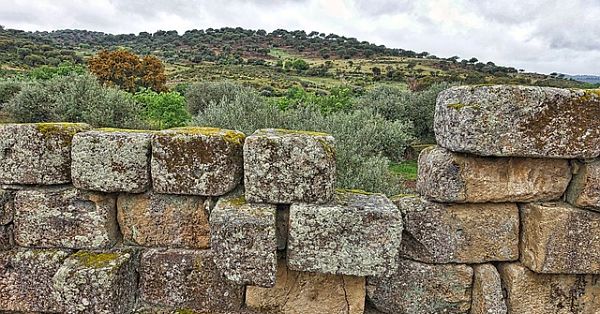
Anger and Fear—the two reaching, grasping hands of human discomfort, misery, and self-pity. God plants a vineyard, establishing the vines on the graceful slope of the hill. He clears away the stones and builds a low wall, and a cistern. Everything required for a fruitful harvest is in place. And everyone understands, to one degree or another, the goodness of a thing as pleasant and necessary as a prepared ground, as healthy vines ready to produce the gladdening and reviving gift of wine. It’s not like the Lord comes and puts up a shopping mall and sells piles of plastic junk shipped in from another country where the factory workers don’t get paid. What could possibly be objectionable about vines and grapes and wine?
The owner, that’s who. We don’t want the vineyard owner. We don’t want someone to come along and build something and say ‘It has to be like this. You can come in, but you’ll live this way, you’ll eat and drink like this, you’ll worship this way. You are not the owner of the vineyard. You are only the tenant.’ That’s appalling, says the human person—every human person. I will have this vineyard. It will be mine.
Then, like Ahab (though it was his supportive wife, Jezebel, who organized everything), like all the servants of the vineyard who kill all the prophets and finally also the Son, we lie. We push lying witnesses to the the front of the line who bring a false charge against the Son. When it comes time to chose between an innocent man and a guilty one, we chose the innocent one to die (Naboth) and let the guilty go free (Ben-Hadad). Or Jesus and Barabbas if you like.
It’s hard to make it through these texts, especially after walking through them so many times. You know what’s coming. You know you’re going to have to trace through all those incomprehensible Psalms that only make sense when you lay them along side the cross. You’re going to go to church, tired already, and face again the ugly reality that the whole crowd was happy for Jesus to die. Why were they so angry? you wonder. Your question is answered when you open up your front door late at night and trip over a pile of stuff you told everyone to put away but nobody did. Self-pity flies into your throat and if you don’t bite your tongue, hard, you sin against everyone in that final hour of a long day.
How curious that our anger and bitterness at being given the gift of God’s own Son was enough to bring his perfect and righteous head in sorrow to Sheol.
And what is his response? The Old Testament text today—not Naboth and Ahab, but Isaiah,
“Remember not the former things,
nor consider the things of old.
Behold, I am doing a new thing;
now it springs forth, do you not perceive it?”
How can any human person perceive it? What is this new thing? Aren’t we walking back through the same set of texts over and over, year after year? Aren’t we toiling away with the same tools of frustration and self-pity that drive the world economy? Don’t I have to face the usual measure of sin and depravity in myself as every other day? Is there even anything to perceive? Look, the Son is slain in the vineyard, by the likes of me. This is the oldest and most heartbreaking chapter of the book.
“When the LORD restored the fortunes of Zion,” cries out the psalmist, “we were like those who dream.” What strange dream is this? That the one who lies slain in the vineyard, destroyed by human bitterness and pride, should nevertheless restore the fortune, the hopes, the longings and dreams of those who did him to death?
He built the vineyard. He traced out its lines. He filled it with grapes. And then, when it was broken and ruined, destroyed by selfishness and lies, he stood up and built it again.
Only not just the vineyard. It’s not just the same thing again. This time it is you—wretched and angry that you are. When he stands up, he overturns you, casting down your pride and self-pity, replacing your disconsolate and empty sorrow with “shouts of joy.” You lift up your eyes and finally see that the Owner of the Vineyard is good, that the wine is salvation, that “The LORD has done great things for them. The LORD has done great things for us; we are glad.”
He’ll be there, in all his goodness, when you struggle in to church.
Previous Post
April 5, 2019
7 Takes On A Bad Sermon
Next Post

April 8, 2019 Pegged Out Podcast and Links
Browse Our Archives
Select a Category books Catechesis of the Good Shepherd Children in Conversation culture watch Daily Devotions Demotivations with Anne faith alone for the grandparents GAFCON In conversation with children In the News Kitchen Notes Lambeth Learning Notes Life Going On Men are Human Notes from Home Pictures Reading the Bible Saturday Links Sermons Signs of the Apocalypse The Bad Word Association The Prayer of Jonah Travel Notes Uncategorized Witless Wednesdays Work and the Christian
Select a Month June 2024 May 2024 April 2024 March 2024 February 2024 January 2024 November 2023 October 2023 September 2023 August 2023 July 2023 June 2023 May 2023 April 2023 March 2023 February 2023 January 2023 December 2022 November 2022 October 2022 September 2022 July 2022 May 2022 April 2022 March 2022 February 2022 January 2022 December 2021 November 2021 October 2021 September 2021 August 2021 July 2021 June 2021 May 2021 April 2021 March 2021 February 2021 January 2021 December 2020 November 2020 October 2020 September 2020 August 2020 July 2020 June 2020 May 2020 April 2020 March 2020 February 2020 January 2020 December 2019 November 2019 October 2019 September 2019 August 2019 July 2019 June 2019 May 2019 April 2019 March 2019 February 2019 January 2019 December 2018 November 2018 October 2018 September 2018 August 2018 July 2018 June 2018 May 2018 April 2018 March 2018 February 2018 January 2018 December 2017 November 2017 October 2017 September 2017 August 2017 July 2017 June 2017 May 2017 April 2017 March 2017 February 2017 January 2017 December 2016 November 2016 October 2016 September 2016 August 2016 July 2016 June 2016 May 2016 April 2016 March 2016 February 2016 January 2016 December 2015 November 2015 October 2015 September 2015 August 2015 July 2015 June 2015 May 2015 April 2015 March 2015 February 2015 January 2015 December 2014 November 2014 October 2014 September 2014 August 2014 July 2014 June 2014 May 2014 April 2014 March 2014 February 2014 January 2014 December 2013 November 2013 October 2013 September 2013 August 2013 July 2013 June 2013 May 2013 April 2013 March 2013 February 2013 January 2013 December 2012 November 2012 October 2012 September 2012 August 2012 July 2012 June 2012 May 2012 April 2012 March 2012 February 2012 January 2012 December 2011 November 2011 October 2011 September 2011 August 2011 July 2011 June 2011 May 2011 April 2011 March 2011 February 2011 January 2011 December 2010 November 2010 October 2010 September 2010 August 2010 July 2010 June 2010 May 2010 April 2010 March 2010 February 2010 January 2010 December 2009 November 2009 October 2009 September 2009 August 2009 July 2009 June 2009 May 2009 April 2009 March 2009 February 2009 January 2009 December 2008 November 2008 October 2008 September 2008 August 2008 July 2008 June 2008 May 2008 April 2008 March 2008 February 2008 January 2008 December 2007 November 2007 October 2007 September 2007 August 2007 July 2007 June 2007 May 2007 April 2007 March 2007 February 2007 January 2007 December 2006 November 2006 October 2006
Follow Us!
TAKE THE
Religious Wisdom Quiz
What is the Christian teaching about caring for the poor?
Select your answer to see how you score.
Never give Ignore the poor Seek only own wealth Help those in need
Books by This Author Books by Anne Kennedy
Related posts from Preventing Grace


TRENDING AT PATHEOS Evangelical

The REST of Your Life: A Creative Wrestles...
This week I had a conversation with a good friend from church....

How the author of the world's best hymn...
I've been working with John Newton for a while now. This makes...

Long before this Lectio Divina, Psalm 130 - the song - started...

What About the Trees? Another Living Parable
After I finished writing the last article about falling leaves as a...

Why Classical Education Is a Conversation, Not a...
Come and Read: Joy in Classical Education When I was a little...

Cornell University has received a great deal of negative publicity and intense...
view all Evangelical blogs
Ad-Free & Subscriber Log-In Subscription Support
- About Us
- 2026 Calendar
- Videos
- Podcasts
- Library of World Religions
- Faith In Media Tracker
- Advertise With Us
- Write for Us
- Privacy Policy
- Terms of Service
- Do Not Sell My Data
- Contact Us
- Radiant Digital
- Manage Newsletter Subscriptions
- Unsubscribe From Notifications
- Sitemap
Copyright 2008-2026, Patheos. All rights reserved.
Subscription Support Ad-Free & Subscriber Log-In
Follow Patheos