
BuddhistCatholicContemplativeEvangelicalGeneral ChristianHinduJewishLatter-day SaintMuslimNew VisionsProgressive Christian
Beliefs
- Buddhist
- Catholic
- Contemplative
- Evangelical
- General Christian
- Hindu
- Jewish
- Latter-day Saint
- More Voices
- Muslim
- New Visions
- Pagan
- Progressive Christian
Topics
- Religion News
- Food and Religion
- Sports and Religion
- Religious Art
- Religious Music and Entertainment
- Religious Events
- History and Religion
- Style and Religion
- Politics and Religion
- Women in Religion
- Recreation Outdoors and Religion
- Business Finance and Religion
- Careers Workplace and Religion
- Education and Religion
- Family Parenting and Religion
- Health Fitness and Religion
- Home and Religion
- Relationships and Religion
- Technology and Religion
- Travel and Religion
Columnists
- Buddhist Columnists
- Business Finance and Religion Columnists
- Careers Workplace and Religion Columnists
- Catholic Columnists
- Contemplative Columnists
- Education and Religion Columnists
- Evangelists Columnists
- Family Parenting and Religion Columnists
- General Christian Columnists
- Health Fitness and Religion Columnists
- Hindu Columnists
- History and Religion Columnists
- Home and Religion Columnists
- Jewish Columnists
- More Voices Columnists
- Latter Day Columnists
- Muslim Columnists
- New Visions Columnists
- Nonreligious Columnists
- Pagan Columnists
- Politics and Religion Columnists
- Progressive Columnists
- Recreation Outdoors and Religion Columnists
- Relationships and Religion Columnists
- Religion News Columnists
- Religious Art Columnists
- Religious Events Columnists
- Religious Music and Entertainment Columnists
- Sports and Religion Columnists
- Style and Religion Columnists
- Technology and Religion Columnists
- Travel and Religion Columnists
- Women in Religion Columnists
Resource Library
- 2026 Calendar
- Library of World Religions
- The 100 Most Holy Places on Earth
- Patheos Answers
- Podcasts
- Videos
- Faith Leaders Database
- Anglican Episcopalian
- Bahai
- Baptist
- Buddhism
- Christianity
- Confucianism
- Eastern Orthodoxy
- Hinduism
- Holiness and Pentecostal
- ISKCON
- Islam
- Judaism
- Lutheran
- Methodist
- The Church of Jesus Christ of Latter-day Saints
- New Age
- Paganism
- Presbytarian and Reformed
- Protestantism
- Religion Behind the Scenes
- Roman Catholic
- Scientology
- Shia Islam
- Sikhism
- Sufism
- Sunni Islam
- Taoism
- Zen
- See all religions
Research Tools
 Ad-Free & Subscriber Log-In Subscription Support
Ad-Free & Subscriber Log-In Subscription Support
Follow Patheos 

- Trending:
- Forgiveness
- |
- Marriage
- |
- Consciousness
- |
- Death Penalty
- |
- Election
- |
- Halloween
 Morning Rose Prayer Gardens
- Home
- Catholic
- Impenetrability and Stagnant Love
Impenetrability and Stagnant Love
Last updated on: December 28, 2014 at 3:34 am by Margaret Rose Realy, Obl. OSB
Impenetrability and Stagnant Love 2014-12-28T03:34:11-05:00 Margaret Rose Realy, Obl. OSB
Patheos Explore the world's faith through different perspectives on religion and spirituality! Patheos has the views of the prevalent religions and spiritualities of the world.
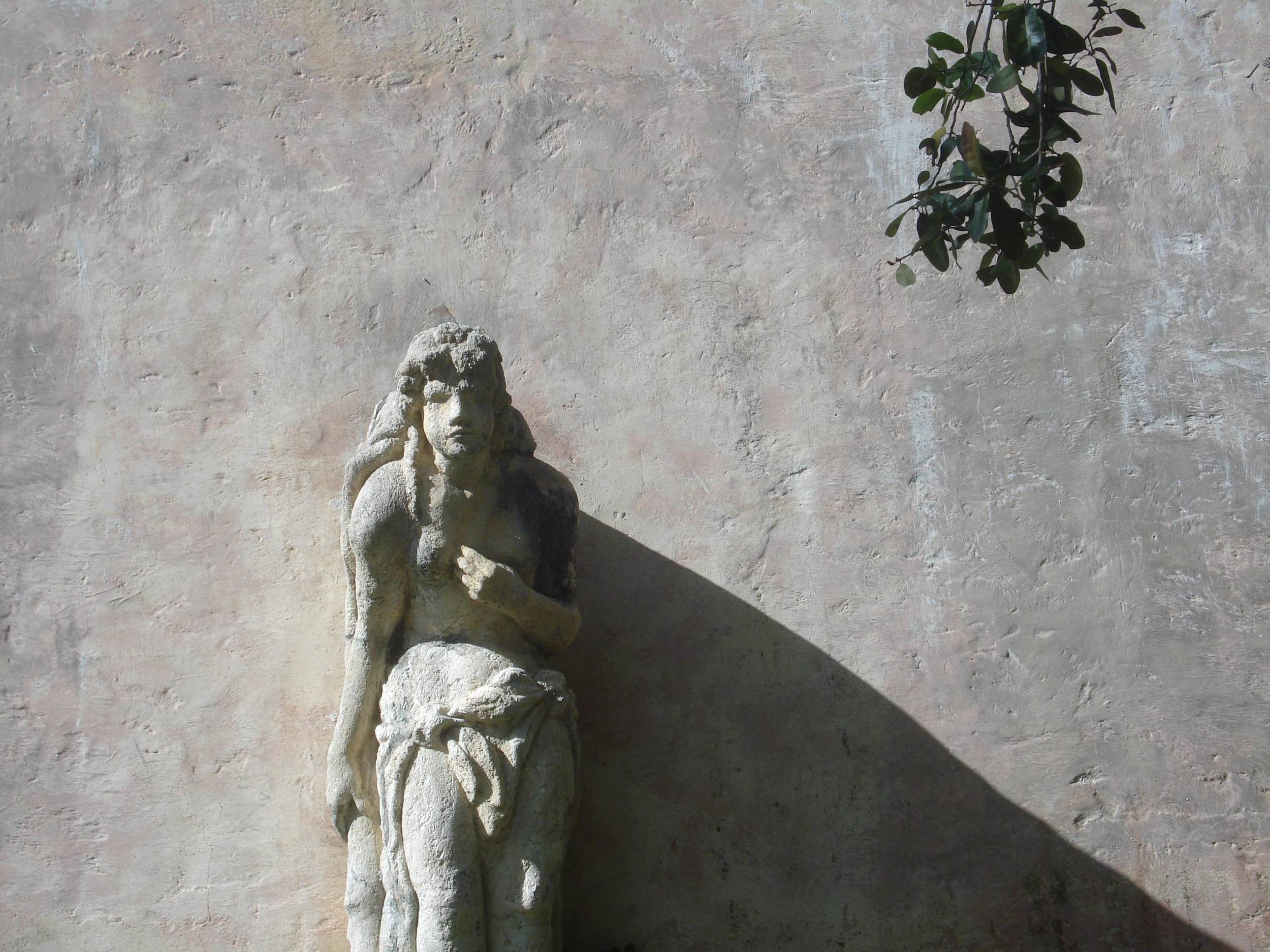
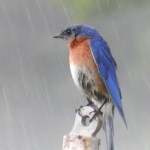
Image morguefile.com
The morning was dense with fog—the kind of fog so thick you can taste it when you breathe. Even stepping off the porch would be an act of faith. I would be lost between the car and the door. Rather than go into the unknown—well, to the mail box—I went back to my rooms.
This week a lot of energy has been spent trying to focus through a fog. I have found myself unwilling to step off the platform of undeserving of love and must choose either to remain as I am or fall into the unknown.
The experience of being unloved and rejected is, obviously, painful. For some it began as children. As adults it can come from within a marriage, or being shunned by individuals that dislike who we aren’t—not necessarily who we are.
No matter how justified the wariness is, once a pattern of self preservation is set it is hard to move beyond the security of denial. It is especially challenging as a Christian to reconcile this—the absence and denial of being loved—with Holy Love. We want to know the intimacy of God and for one reason or another we lack the emotional resources to claim it.
I came across this comment in Magnificat (V. 16, No. 8, P. 164) and felt a waggling finger of shame:
This is the phenomenon of impenetrability: the refusal to let ourselves be struck even by the most beautiful thing that is put before us. We prefer instead to let ourselves remain all closed—we do not let our “I” be touched by anything, even the “You” of God.
This phenomenon of impenetrability is the denial of fully receiving God’s love because we are protecting ourselves from connection with human love.
Many of us have experienced the cutting edges of love and rage, desire and apathy, genuinely cared for or groomed for abuse. We lack the carefree notion of affection and are cautious, resistive, and watchful.
If for all of our life we have found seeking love to be unfulfilling, and even dangerous, then its beauty is lost to us, though its value is still appreciated. The fullness of love is refused on the grounds of survival. The pain of being repeatedly unwanted, brings on a protectiveness of the heart—not necessarily its hardening.
Now, in learning to love God, we often begin with a sense of working towards it. We choose to be virtuous because that is what Our Lord desires from us. We discover the gifts of the Spirit and become active in exemplifying them.
I imagine this to also be true when people marry; initial behaviors of practicing what a good marriage should look like. But then there is a transition. The spouse who once did this or that because it should be so, transitions into actively doing something because it pleases the other. Love creates movement from conscious effort to innate response.
It is in the innate loving that my effort of maintaining impenetrability breaks down. I am able to express love, and can receive it from others to a level of tolerable—which translates as keeping a safe distance. I prefer detachment. My vision is clearer the wider the scope.
But this week I have found my greatest sin: my refusal to let myself be struck by the fullness of love. Impenetrability.
I am the person at the wedding feast in Matthew 22:11-12, eager to attend and excited to be there, but am not clothed in the proper garment. I know what the proper attire is—clothed in love—and know what is expected for the momentous occasion of my death. My own fear of the beauty of wearing such a garment denies me the full joy in the final celebration.
It all falls back to self preservation. The fear of…well most every human encounter offering even the slightest fragrance of intimacy. I like people and their company; I fall short loving them as freely as I love Christ.
It is here that I realize my behaving in a manner to please our Lord, which is not a bad thing. But now I have entered into the space, as most spouses eventually do, of behaving out of love and not responsibility or need.
A whole new road awaits—one where I must travel fearlessly, though not recklessly, among the robbers, praying the fog will lift.
Previous Post
November 18, 2014
Tuesday's Prayer for Sisters and Nuns and the Grace of Yes
Next Post

November 20, 2014 Thursday's Prayer for Priests
Browse Our Archives
Select a Category @pontifex Aleteia Ask the Pope Book Reviews Caring for Houseplants Catholic Garden Christmas Christmas decorations Christmas Gifts for Gardeners Christmas Plants Christmases Past Equus Passage Faith and Gratitude Fasting and Virtue Flowers Fun Stuff Garden Catechism Garden Saints Garden Walk Gifts Gardener God's Timing Houseplants How to say thank you Language of flowers Letting Go Life of Christ meaning of Christmas Photo Challenge Practical Gardening Prayer Prayer for Priests Prayers for Sisters and Nuns Prayers Needed Pro-life Quote Recipes Saints Starting Seeds symbolism of evergreens Synod of Bishops Uncategorized Writing
Select a Month May 2017 March 2017 August 2016 July 2016 May 2016 April 2016 March 2016 February 2016 January 2016 December 2015 November 2015 October 2015 September 2015 August 2015 July 2015 June 2015 May 2015 April 2015 March 2015 February 2015 January 2015 December 2014 November 2014 October 2014 September 2014 August 2014 July 2014 June 2014 May 2014 April 2014 March 2014 February 2014 January 2014 December 2013 November 2013 October 2013 September 2013 August 2013 July 2013 June 2013 May 2013 April 2013 March 2013 February 2013 January 2013 December 2012 November 2012 October 2012
Follow Us!
TAKE THE
Religious Wisdom Quiz
On which mountain did Moses receive the Ten Commandments?
Select your answer to see how you score.
Mount Sinai Mount of Olives Mount Carmel Mount Zion
Related posts from Morning Rose Prayer Gardens
Joy in Dying, Looking Beyond the Light of...
Decompressing; Photos in a Garden

TRENDING AT PATHEOS Catholic

The Parable Of The Sower And The Word...
One of Christ’s most famous parables is that of the sower who...

Rejecting Doom: Christian Hope And Human Action
Christianity is a religion of hope. We are to have hope and...

Why I Choose the Eucharist Over the Sermon
Choose the Eucharist, Not the Sermon What are we supposed to get...

5 Design Elements Found in Spiritually Rooted Homes
Putting Spirituality Into Home Decor Our homes are more than our living...

Credo: A Story of God Told with the...
About 10 years ago, I began to imagine a personal "Credo" that...

The Anatomy of Divine Revelation in Catholic Thought
The claim that God has made Himself known to human beings is...
view all Catholic blogs
Ad-Free & Subscriber Log-In Subscription Support
- About Us
- 2026 Calendar
- Videos
- Podcasts
- Library of World Religions
- Faith In Media Tracker
- Advertise With Us
- Write for Us
- Privacy Policy
- Terms of Service
- Do Not Sell My Data
- Contact Us
- Radiant Digital
- Manage Newsletter Subscriptions
- Unsubscribe From Notifications
- Sitemap
Copyright 2008-2026, Patheos. All rights reserved.
Subscription Support Ad-Free & Subscriber Log-In
Follow Patheos