
BuddhistCatholicContemplativeEvangelicalGeneral ChristianHinduJewishLatter-day SaintMuslimNew VisionsProgressive Christian
Beliefs
- Buddhist
- Catholic
- Contemplative
- Evangelical
- General Christian
- Hindu
- Jewish
- Latter-day Saint
- More Voices
- Muslim
- New Visions
- Pagan
- Progressive Christian
Topics
- Religion News
- Food and Religion
- Sports and Religion
- Religious Art
- Religious Music and Entertainment
- Religious Events
- History and Religion
- Style and Religion
- Politics and Religion
- Women in Religion
- Recreation Outdoors and Religion
- Business Finance and Religion
- Careers Workplace and Religion
- Education and Religion
- Family Parenting and Religion
- Health Fitness and Religion
- Home and Religion
- Relationships and Religion
- Technology and Religion
- Travel and Religion
Columnists
- Buddhist Columnists
- Business Finance and Religion Columnists
- Careers Workplace and Religion Columnists
- Catholic Columnists
- Contemplative Columnists
- Education and Religion Columnists
- Evangelists Columnists
- Family Parenting and Religion Columnists
- General Christian Columnists
- Health Fitness and Religion Columnists
- Hindu Columnists
- History and Religion Columnists
- Home and Religion Columnists
- Jewish Columnists
- More Voices Columnists
- Latter Day Columnists
- Muslim Columnists
- New Visions Columnists
- Nonreligious Columnists
- Pagan Columnists
- Politics and Religion Columnists
- Progressive Columnists
- Recreation Outdoors and Religion Columnists
- Relationships and Religion Columnists
- Religion News Columnists
- Religious Art Columnists
- Religious Events Columnists
- Religious Music and Entertainment Columnists
- Sports and Religion Columnists
- Style and Religion Columnists
- Technology and Religion Columnists
- Travel and Religion Columnists
- Women in Religion Columnists
Resource Library
- 2026 Calendar
- Library of World Religions
- The 100 Most Holy Places on Earth
- Patheos Answers
- Podcasts
- Videos
- Faith Leaders Database
- Anglican Episcopalian
- Bahai
- Baptist
- Buddhism
- Christianity
- Confucianism
- Eastern Orthodoxy
- Hinduism
- Holiness and Pentecostal
- ISKCON
- Islam
- Judaism
- Lutheran
- Methodist
- The Church of Jesus Christ of Latter-day Saints
- New Age
- Paganism
- Presbytarian and Reformed
- Protestantism
- Religion Behind the Scenes
- Roman Catholic
- Scientology
- Shia Islam
- Sikhism
- Sufism
- Sunni Islam
- Taoism
- Zen
- See all religions
Research Tools
 Ad-Free & Subscriber Log-In Subscription Support
Ad-Free & Subscriber Log-In Subscription Support
Follow Patheos 

- Trending:
- Forgiveness
- |
- Marriage
- |
- Consciousness
- |
- Death Penalty
- |
- Election
- |
- Halloween
 Morning Rose Prayer Gardens
- Home
- Catholic
- Fall Blooming Pansies, Practical Gardening
Fall Blooming Pansies, Practical Gardening
Last updated on: December 28, 2014 at 3:09 am by Margaret Rose Realy, Obl. OSB
Fall Blooming Pansies, Practical Gardening 2014-12-28T03:09:56-05:00 Margaret Rose Realy, Obl. OSB
Patheos Explore the world's faith through different perspectives on religion and spirituality! Patheos has the views of the prevalent religions and spiritualities of the world.
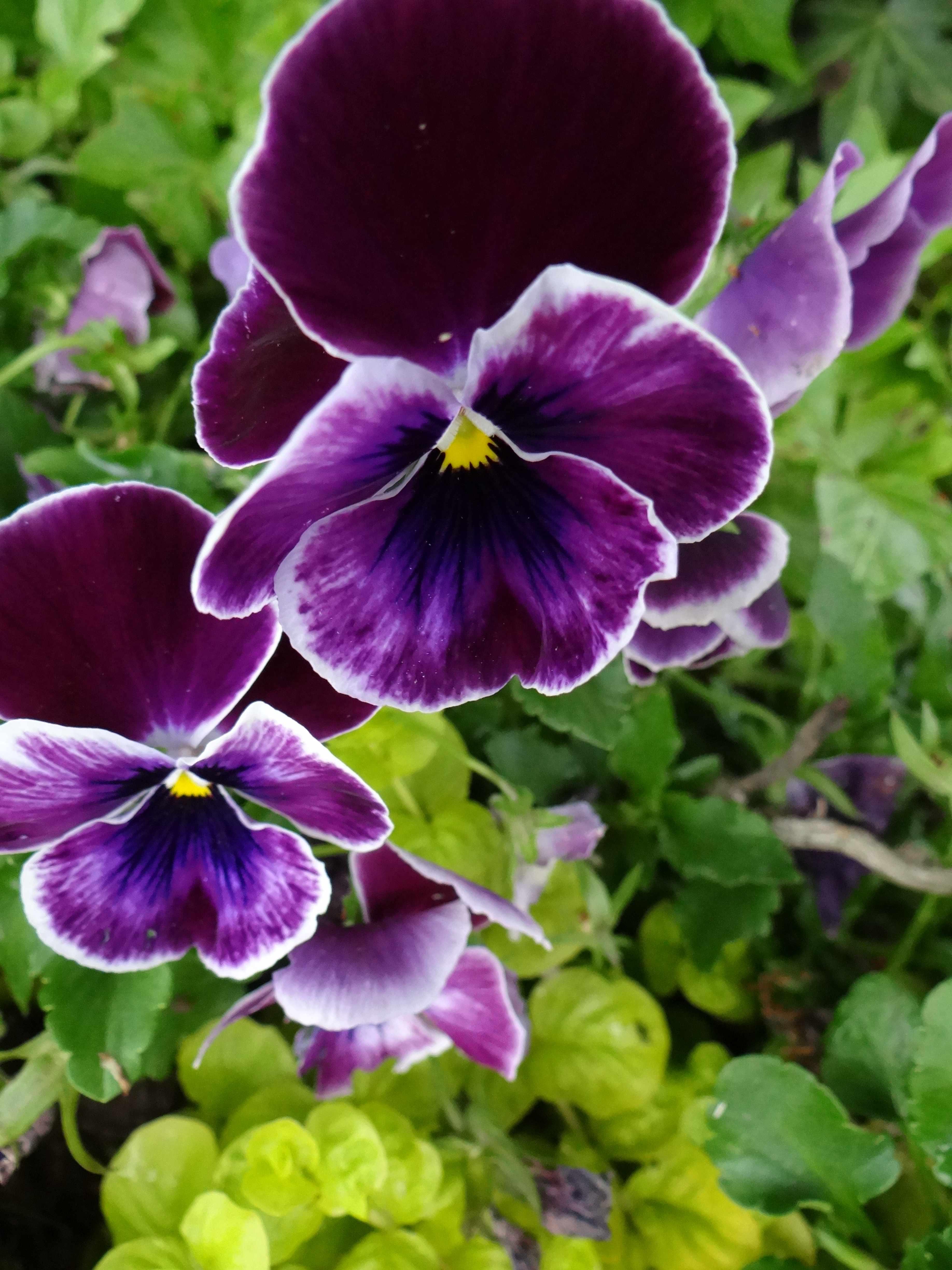
Image morguefile.com
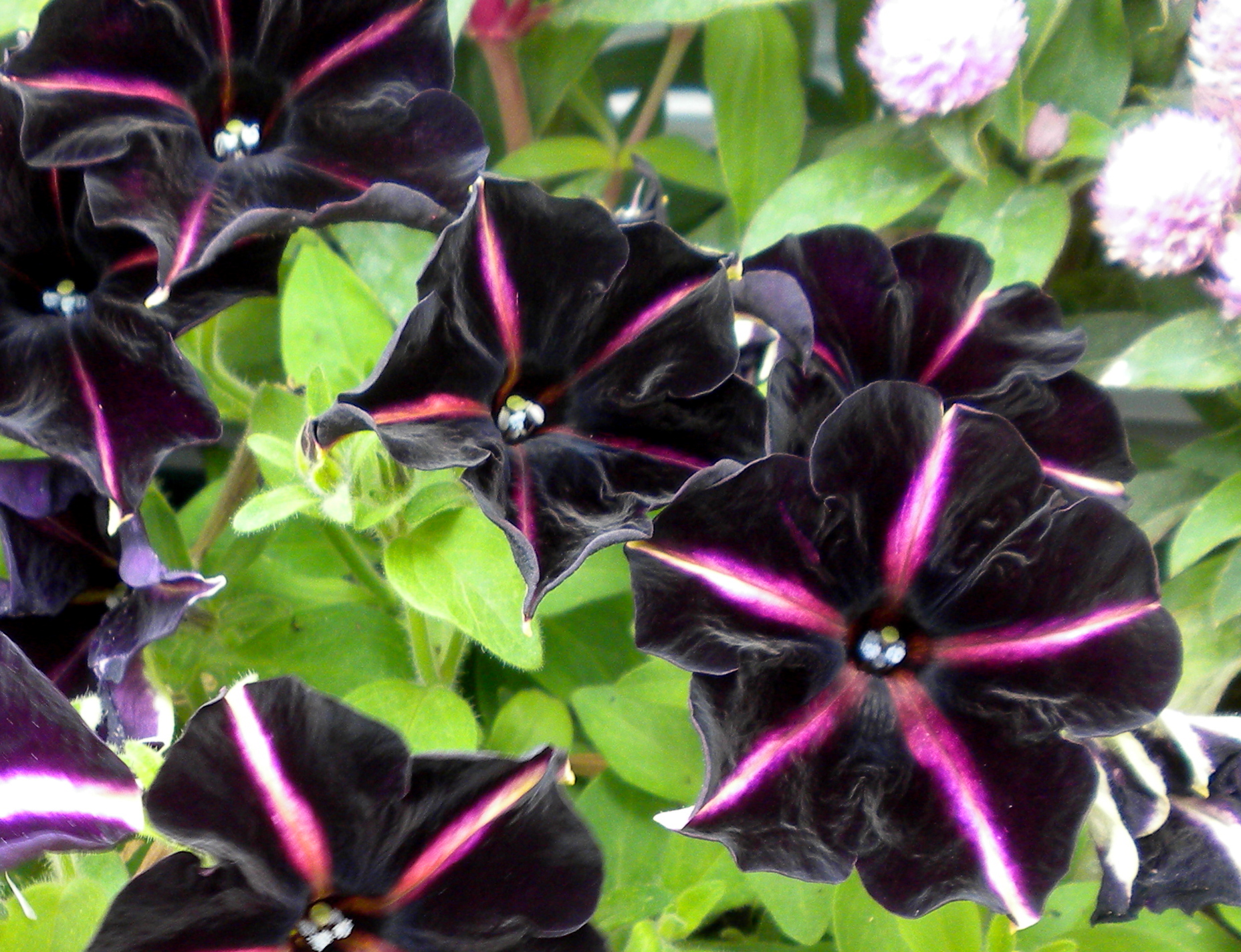
In the Midwest, we’re all pretty familiar with fall mums, Russian sage, and flowering kale as the main staples of the late-season garden. These plants are tolerant of cold nights and less sunlight. But why not add pansies to your selection?
Until recently the general public was unaware that the pansy is not heat tolerant, dying out in the summer. It flowers best when night temperatures are in the 40s and day temps in the 60s. Many areas of the Pacific coast are blessed to grow them all year round! The pansy grows well in Zones 3-7. In the northern zones if you plant the little lovelies in late September it will bloom until covered in snow.
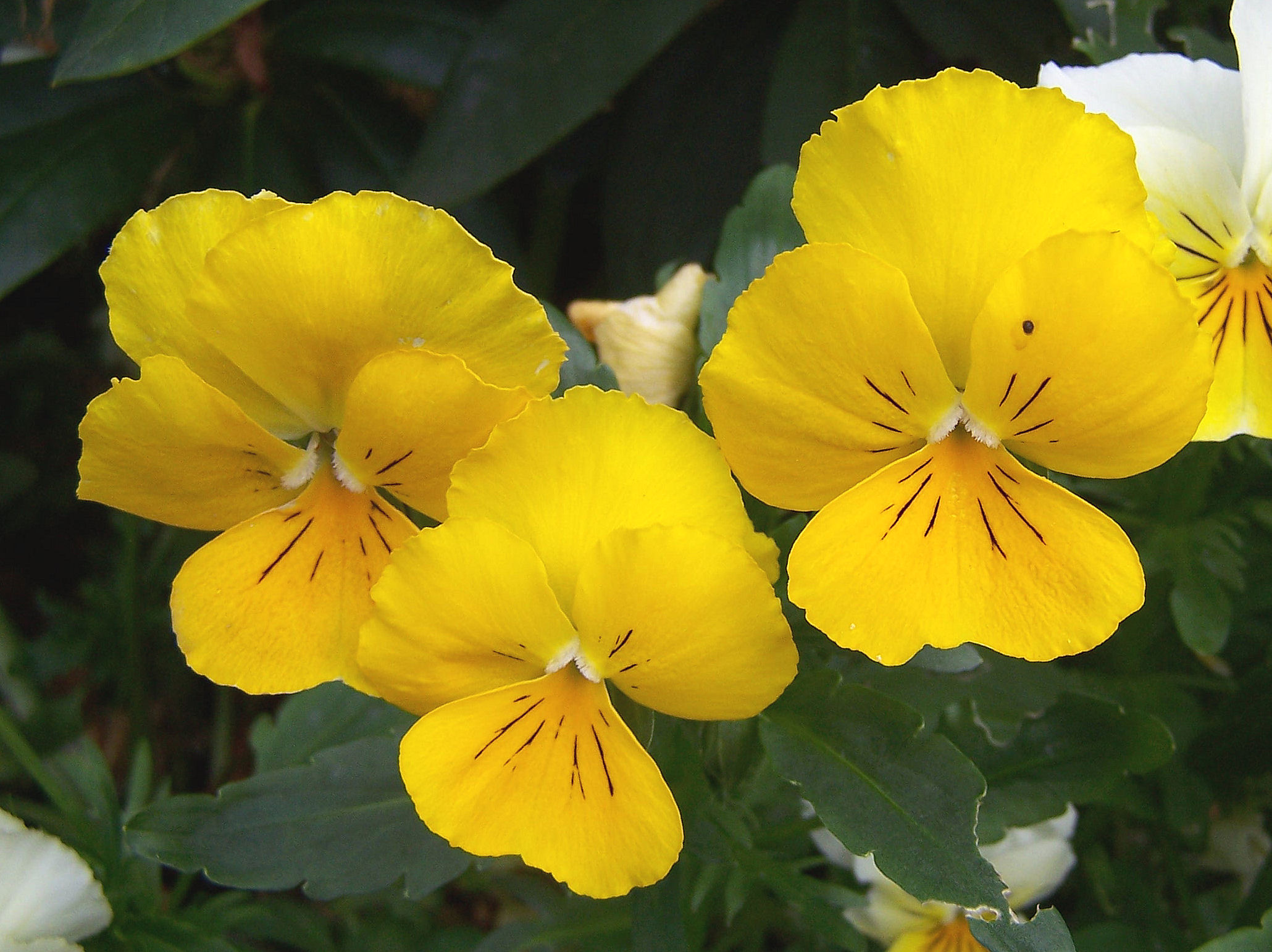
Image morguefile.com
Things are a bit different for species violas (Johny Jump-up or Heartease). It is the small flowered parent of the bold faced pansy, and will winter over–usually for only two years–and bloom in the spring, being a tender perennial that reseeds. The pansy, a hybrid viola, is a biennial grown as an annual.
Agrilife Resources gives a bit of history of the pansy’s evolution from the wild viola:
Viola is a large genus containing 500 species…. and were familiar to people living in Greece in the 4th century B.C. The center of origin for the plant was continental Europe. The hardy but delicate viola was cultivated by the Greeks for herbal medicinal use and much later inspired William Shakespeare to write of romance.
Some time after the 4th century B.C. in Europe, an acute observer noticed a plant similar to a viola but growing in open areas with more sunlight. This plant thrived in alpine meadows and on rocky ledges. Someone named this plant a wild pansy. Possibly, it was a person living in France who noticed this plant because the word pansy is traced back to the French word pensee, meaning thought or remembrance….
In the last 50 years much of the innovative pansy breeding has been in Germany, the United States and Japan. New pansy colors such as shades of pink, rose or orange and unusual bicolor designs have expanded the variety of pansies available to gardeners in North America
Compact and low growing, pansies are not fussy plants, growing best in a loose, rich soil. They prefer full sun. If you want instant color in their garden, you will find packs and flats of pansies at local nurseries or garden centers. Select the flower colors that suit your garden design. Choose plants that are stocky with dark green leaves, with a few blooms showing but lots of buds.
With the short growing season, plant them closer together than what the tag instructs for a burst of color. They are lovely planted at the base of fall mums, replacing spent flowers in containers, or in a grouping filling in where more tender annuals were removed.
Previous Post

October 9, 2014
Thursday's Prayer for Priests and Synod on the Family
Next Post
October 14, 2014 Tuesday's Prayer for Sisters and Nuns
Browse Our Archives
Select a Category @pontifex Aleteia Ask the Pope Book Reviews Caring for Houseplants Catholic Garden Christmas Christmas decorations Christmas Gifts for Gardeners Christmas Plants Christmases Past Equus Passage Faith and Gratitude Fasting and Virtue Flowers Fun Stuff Garden Catechism Garden Saints Garden Walk Gifts Gardener God's Timing Houseplants How to say thank you Language of flowers Letting Go Life of Christ meaning of Christmas Photo Challenge Practical Gardening Prayer Prayer for Priests Prayers for Sisters and Nuns Prayers Needed Pro-life Quote Recipes Saints Starting Seeds symbolism of evergreens Synod of Bishops Uncategorized Writing
Select a Month May 2017 March 2017 August 2016 July 2016 May 2016 April 2016 March 2016 February 2016 January 2016 December 2015 November 2015 October 2015 September 2015 August 2015 July 2015 June 2015 May 2015 April 2015 March 2015 February 2015 January 2015 December 2014 November 2014 October 2014 September 2014 August 2014 July 2014 June 2014 May 2014 April 2014 March 2014 February 2014 January 2014 December 2013 November 2013 October 2013 September 2013 August 2013 July 2013 June 2013 May 2013 April 2013 March 2013 February 2013 January 2013 December 2012 November 2012 October 2012
Follow Us!
TAKE THE
Religious Wisdom Quiz
Peter was staying where when he saw the vision of the great sheet with all the animals?
Select your answer to see how you score.
With Simon the Tanner With Cornelius Bethabara Joppa
Related posts from Morning Rose Prayer Gardens
Almanac for Catholic Gardeners

Autumn Days and Prayers in Aging
Tree Hugging Saints who Preceded Tree Hugging Pope...
TRENDING AT PATHEOS Catholic

Creation, Preservation, and Teleology in Catholic Theology
As I write this, it is very early Monday morning. Like millions...

The Parable Of The Sower And The Word...
One of Christ’s most famous parables is that of the sower who...

Rejecting Doom: Christian Hope And Human Action
Christianity is a religion of hope. We are to have hope and...

Why I Choose the Eucharist Over the Sermon
Choose the Eucharist, Not the Sermon What are we supposed to get...

5 Design Elements Found in Spiritually Rooted Homes
Putting Spirituality Into Home Decor Our homes are more than our living...

Credo: A Story of God Told with the...
About 10 years ago, I began to imagine a personal "Credo" that...
view all Catholic blogs
Ad-Free & Subscriber Log-In Subscription Support
- About Us
- 2026 Calendar
- Videos
- Podcasts
- Library of World Religions
- Faith In Media Tracker
- Advertise With Us
- Write for Us
- Privacy Policy
- Terms of Service
- Do Not Sell My Data
- Contact Us
- Radiant Digital
- Manage Newsletter Subscriptions
- Unsubscribe From Notifications
- Sitemap
Copyright 2008-2026, Patheos. All rights reserved.
Subscription Support Ad-Free & Subscriber Log-In
Follow Patheos