
BuddhistCatholicContemplativeEvangelicalGeneral ChristianHinduJewishLatter-day SaintMuslimNew VisionsProgressive Christian
Beliefs
- Buddhist
- Catholic
- Contemplative
- Evangelical
- General Christian
- Hindu
- Jewish
- Latter-day Saint
- More Voices
- Muslim
- New Visions
- Pagan
- Progressive Christian
Topics
- Religion News
- Food and Religion
- Sports and Religion
- Religious Art
- Religious Music and Entertainment
- Religious Events
- History and Religion
- Style and Religion
- Politics and Religion
- Women in Religion
- Recreation Outdoors and Religion
- Business Finance and Religion
- Careers Workplace and Religion
- Education and Religion
- Family Parenting and Religion
- Health Fitness and Religion
- Home and Religion
- Relationships and Religion
- Technology and Religion
- Travel and Religion
Columnists
- Buddhist Columnists
- Business Finance and Religion Columnists
- Careers Workplace and Religion Columnists
- Catholic Columnists
- Contemplative Columnists
- Education and Religion Columnists
- Evangelists Columnists
- Family Parenting and Religion Columnists
- General Christian Columnists
- Health Fitness and Religion Columnists
- Hindu Columnists
- History and Religion Columnists
- Home and Religion Columnists
- Jewish Columnists
- More Voices Columnists
- Latter Day Columnists
- Muslim Columnists
- New Visions Columnists
- Nonreligious Columnists
- Pagan Columnists
- Politics and Religion Columnists
- Progressive Columnists
- Recreation Outdoors and Religion Columnists
- Relationships and Religion Columnists
- Religion News Columnists
- Religious Art Columnists
- Religious Events Columnists
- Religious Music and Entertainment Columnists
- Sports and Religion Columnists
- Style and Religion Columnists
- Technology and Religion Columnists
- Travel and Religion Columnists
- Women in Religion Columnists
Resource Library
- 2026 Calendar
- Library of World Religions
- The 100 Most Holy Places on Earth
- Patheos Answers
- Podcasts
- Videos
- Faith Leaders Database
- Anglican Episcopalian
- Bahai
- Baptist
- Buddhism
- Christianity
- Confucianism
- Eastern Orthodoxy
- Hinduism
- Holiness and Pentecostal
- ISKCON
- Islam
- Judaism
- Lutheran
- Methodist
- The Church of Jesus Christ of Latter-day Saints
- New Age
- Paganism
- Presbytarian and Reformed
- Protestantism
- Religion Behind the Scenes
- Roman Catholic
- Scientology
- Shia Islam
- Sikhism
- Sufism
- Sunni Islam
- Taoism
- Zen
- See all religions
Research Tools
 Ad-Free & Subscriber Log-In Subscription Support
Ad-Free & Subscriber Log-In Subscription Support
Follow Patheos 

- Trending:
- Forgiveness
- |
- Marriage
- |
- Consciousness
- |
- Death Penalty
- |
- Election
- |
- Halloween
 Morning Rose Prayer Gardens
- Home
- Catholic
- Off with Their Heads! Deadheading for Reblooming, Practical Gardening
Off with Their Heads! Deadheading for Reblooming, Practical Gardening
Last updated on: December 27, 2014 at 3:05 pm by Margaret Rose Realy, Obl. OSB
Off with Their Heads! Deadheading for Reblooming, Practical Gardening 2014-12-27T15:05:01-05:00 Margaret Rose Realy, Obl. OSB
Patheos Explore the world's faith through different perspectives on religion and spirituality! Patheos has the views of the prevalent religions and spiritualities of the world.
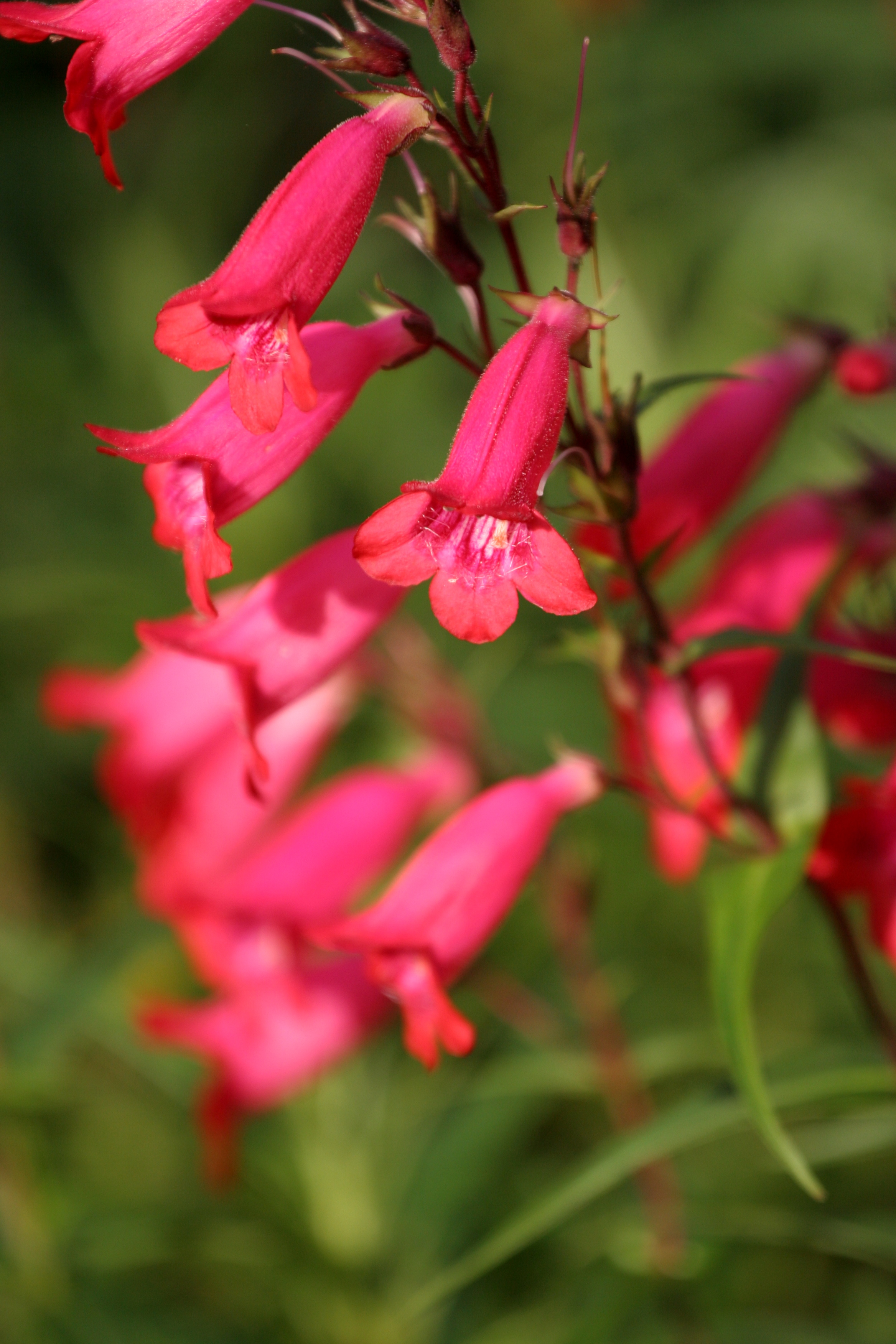
Image morguefile.com
Like most gardeners I like a lot of flowers all season. If you’re not a fan of annuals, you probably search for the few perennials that bloom all summer. You can also extend the bloom period of perennials by deadheading.
Deadheading is the maintenance practice of removing spent flowers. By deadheading you keep the plants looking tidy, redirect the plant’s energy from seed production to roots and top growth, minimize reseeding, and for most perennials prolong the flowering period for a couple of weeks. Extending a blooming period is different than remontant blooming where a cultivar is designed to “remount” with blossoms a second time in the season without our intervention, i.e. specific cultivars of Daylilies or the yellow Corydalis.
Deadheading can range from a daily activity to every couple of weeks depending on seasonal temperatures, rainfall, and the species. Often times when I wandered through my (small) backyard in the morning, coffee cup in hand, I’d find myself snapping off spent flowers. I felt less overwhelmed by doing this task daily.
Your queue will be the overall appearance of the perennial as flowers decline. But don’t wait too long to deadhead, unless you are saving seeds. When spent flowers become seed heads, chemical changes occur that can halt flower production.
There are several perennials that produce flowers along their stems and on a spike that can have their blooming period extended by deadheading.
To deadhead perennials that produce flowers along their stem, known as laterally, cut just below the spent flower at the first set of leaves or next bud. A few common perennials with both terminal and lateral flowering are Bee Balm (Monarda), Blanket Flower (Gaillardia), Coneflower (Echinacea), False Sunflowers (Heliopsis), Garden Phlox (Phlox paniculata), Shasta Daisy (Leucanthemum) and Stokes’ Aster (Stokesia).
There are several perennials that flower from the bottom up on single or multi-branching spikes. The single flowering spike should be deadheaded when about three quarters of the stem has finished blooming. Cut it off at the same junction as mentioned above. In the case of multi-branching spikes, like Globe Thistle (Echinops) or Hollyhock (Alcea), each flower head and its stem can be removed to the central spike. A few common perennials with spiked flowers are Culver’s Root (Veronicastrum), Delphinium, Foxglove (Digitalis), Lupine, Miniature Hollyhock (Sidalcea) and Spiked Speedwell (Veronica).
Deadheading flowers of one-time bloomers keeps them looking good but does not prolong the flowering. Some of the more recognizable single-season bloomers are Bergenia, Bleeding Heart (Dicentra), most Coral Bells (Heuchera), most Daylilies (Hemerocallis), Hosta, Iris, Lamb’s Ear (Stachys) and Rose Mallow (Hibiscus). Daylilies and Iris can be groomed daily but you will also need to remove the spent flowering stalks.
Another method of deadheading is shearing. This is done when masses of flowers die back all at once, as with thread leaf Coreopsis. With one hand gathering up the spent blooms and with the other clip off the stems and part of the upper leaf cover using garden scissors. Perennial Geranium (not the annual Pelargonium, aka Zonal) and Salvia can be cut back almost to the ground to produce a second flowering. This method may look messy, but all will look fine in a few days.
It’s no secret on how to have longer lasting color from your perennials…just give ‘em a pinch!
Previous Post

July 17, 2014
Thursday's Prayer for Priests
Next Post
July 22, 2014 Tuesday's Prayer for Sisters and Nuns Persecuted in Iraq
Browse Our Archives
Select a Category @pontifex Aleteia Ask the Pope Book Reviews Caring for Houseplants Catholic Garden Christmas Christmas decorations Christmas Gifts for Gardeners Christmas Plants Christmases Past Equus Passage Faith and Gratitude Fasting and Virtue Flowers Fun Stuff Garden Catechism Garden Saints Garden Walk Gifts Gardener God's Timing Houseplants How to say thank you Language of flowers Letting Go Life of Christ meaning of Christmas Photo Challenge Practical Gardening Prayer Prayer for Priests Prayers for Sisters and Nuns Prayers Needed Pro-life Quote Recipes Saints Starting Seeds symbolism of evergreens Synod of Bishops Uncategorized Writing
Select a Month May 2017 March 2017 August 2016 July 2016 May 2016 April 2016 March 2016 February 2016 January 2016 December 2015 November 2015 October 2015 September 2015 August 2015 July 2015 June 2015 May 2015 April 2015 March 2015 February 2015 January 2015 December 2014 November 2014 October 2014 September 2014 August 2014 July 2014 June 2014 May 2014 April 2014 March 2014 February 2014 January 2014 December 2013 November 2013 October 2013 September 2013 August 2013 July 2013 June 2013 May 2013 April 2013 March 2013 February 2013 January 2013 December 2012 November 2012 October 2012
Follow Us!
TAKE THE
Religious Wisdom Quiz
Like a sheep led to slaughter, silent before shearers, this servant was pierced for our transgressions. What chapter foretells this suffering?
Select your answer to see how you score.
Isaiah 61 Isaiah 53 Isaiah 9 Isaiah 7
Related posts from Morning Rose Prayer Gardens

Finding Treasure with Painted Pony Beans
Almanac for Catholic Gardeners

Tree Hugging Saints who Preceded Tree Hugging Pope...
TRENDING AT PATHEOS Catholic

Rejecting Doom: Christian Hope And Human Action
Christianity is a religion of hope. We are to have hope and...

It’s What Comes From Within Which Matters
One of the most difficult things for us to understand is why...

Why I Choose the Eucharist Over the Sermon
Choose the Eucharist, Not the Sermon What are we supposed to get...

5 Design Elements Found in Spiritually Rooted Homes
Putting Spirituality Into Home Decor Our homes are more than our living...

Credo: A Story of God Told with the...
About 10 years ago, I began to imagine a personal "Credo" that...

The Anatomy of Divine Revelation in Catholic Thought
The claim that God has made Himself known to human beings is...
view all Catholic blogs
Ad-Free & Subscriber Log-In Subscription Support
- About Us
- 2026 Calendar
- Videos
- Podcasts
- Library of World Religions
- Faith In Media Tracker
- Advertise With Us
- Write for Us
- Privacy Policy
- Terms of Service
- Do Not Sell My Data
- Contact Us
- Radiant Digital
- Manage Newsletter Subscriptions
- Unsubscribe From Notifications
- Sitemap
Copyright 2008-2026, Patheos. All rights reserved.
Subscription Support Ad-Free & Subscriber Log-In
Follow Patheos