
BuddhistCatholicContemplativeEvangelicalGeneral ChristianHinduJewishLatter-day SaintMuslimNew VisionsProgressive Christian
Beliefs
- Buddhist
- Catholic
- Contemplative
- Evangelical
- General Christian
- Hindu
- Jewish
- Latter-day Saint
- More Voices
- Muslim
- New Visions
- Pagan
- Progressive Christian
Topics
- Religion News
- Food and Religion
- Sports and Religion
- Religious Art
- Religious Music and Entertainment
- Religious Events
- History and Religion
- Style and Religion
- Politics and Religion
- Women in Religion
- Recreation Outdoors and Religion
- Business Finance and Religion
- Careers Workplace and Religion
- Education and Religion
- Family Parenting and Religion
- Health Fitness and Religion
- Home and Religion
- Relationships and Religion
- Technology and Religion
- Travel and Religion
Columnists
- Buddhist Columnists
- Business Finance and Religion Columnists
- Careers Workplace and Religion Columnists
- Catholic Columnists
- Contemplative Columnists
- Education and Religion Columnists
- Evangelists Columnists
- Family Parenting and Religion Columnists
- General Christian Columnists
- Health Fitness and Religion Columnists
- Hindu Columnists
- History and Religion Columnists
- Home and Religion Columnists
- Jewish Columnists
- More Voices Columnists
- Latter Day Columnists
- Muslim Columnists
- New Visions Columnists
- Nonreligious Columnists
- Pagan Columnists
- Politics and Religion Columnists
- Progressive Columnists
- Recreation Outdoors and Religion Columnists
- Relationships and Religion Columnists
- Religion News Columnists
- Religious Art Columnists
- Religious Events Columnists
- Religious Music and Entertainment Columnists
- Sports and Religion Columnists
- Style and Religion Columnists
- Technology and Religion Columnists
- Travel and Religion Columnists
- Women in Religion Columnists
Resource Library
- 2026 Calendar
- Library of World Religions
- The 100 Most Holy Places on Earth
- Patheos Answers
- Podcasts
- Videos
- Faith Leaders Database
- Anglican Episcopalian
- Bahai
- Baptist
- Buddhism
- Christianity
- Confucianism
- Eastern Orthodoxy
- Hinduism
- Holiness and Pentecostal
- ISKCON
- Islam
- Judaism
- Lutheran
- Methodist
- The Church of Jesus Christ of Latter-day Saints
- New Age
- Paganism
- Presbytarian and Reformed
- Protestantism
- Religion Behind the Scenes
- Roman Catholic
- Scientology
- Shia Islam
- Sikhism
- Sufism
- Sunni Islam
- Taoism
- Zen
- See all religions
Research Tools
 Ad-Free & Subscriber Log-In Subscription Support
Ad-Free & Subscriber Log-In Subscription Support
Follow Patheos 

- Trending:
- Forgiveness
- |
- Marriage
- |
- Consciousness
- |
- Death Penalty
- |
- Election
- |
- Halloween
 Pop Theology
- Home
- Progressive Christian
- Religious Music & Entertainment
- The Netflix-ization of the Church
The Netflix-ization of the Church
Last updated on: July 29, 2015 at 3:28 pm by J. Ryan Parker
The Netflix-ization of the Church 2015-07-29T15:28:12-07:00 J. Ryan Parker
Patheos Explore the world's faith through different perspectives on religion and spirituality! Patheos has the views of the prevalent religions and spiritualities of the world.
Editors’ Note: This article is part of the Patheos Public Square on the Future of Progressive Christianity in America. Read other perspectives beginning this evening here.
With the release and success of each new blockbuster film, a certain niche of the filmmaking community mourns the death of original (read smaller, indie) film content. They lament a future of theatrical releases that will be dominated by endless comic book adaptations and sequels. The concern is understandable but misplaced. These fears parallel those of the faithful, who complain about the decline of church attendance and religious affiliation in the United States. Perhaps they can turn to one another for consolation, because declining church attendance seems to have predicted the changes taking place in the film and television industry, which might ironically give us hope for the church’s future.
In thinking about the future of the church, it might be helpful to draw a loose correlation between church attendance and media (film and television) consumption. There’s a segment of church-goers that might be defined as blockbuster attendees that only darken the doors on Easter and Christmas. A large segment of theater-goers only buy tickets for the biggest releases, so industry insiders speak of the necessity of “eventizing” theatrical releases to draw bigger audiences. People don’t go to see a film for the story as much as they do to participate in an event. Nothing feels more like an event than the recent Jurassic World release or the upcoming Star Wars sequel (hurry up already!). Everyone’s going and everyone’s talking about it. Ok, not everyone, but loads of people. Same with Christmas and Easter. You can’t look like you’re the only person in your Twitter feed not wishing everyone a Merry Christmas.
Paralleling this declining church and theatrical attendance, however, is the rise in high-quality scripted series on broadcast, cable, and streaming networks. There’s so much new content that dedicated viewers can hardly keep up. Content creators and content consumers revel in the freedom (both in terms of subject matter and length) that television increasingly provides. Almost every major network has at least one great (or really good) series, and the boundaries are slipping as networks once dedicated to documentary content are now producing scripted series. Living in Los Angeles, I’m constantly in conversation with writers and producers that are either working on or looking for the next great pilot or series, not the next great film script (indie or otherwise).
With all this new content, the ways of consuming it continue to diversify. No longer do viewers subscribe to a single doctrine—I mean, cable package—as they piece together the series they watch from a variety of sources. Netflix memberships continue to skyrocket, and countless viewers augment this membership with dozens of apps and platforms that allow them to cut the cord. In a recent conversation with a friend who works at a leading cable network, she told me that their target demographic doesn’t even watch content on televisions anymore…at all.
Just because viewers are consuming content in diverse ways, doesn’t mean that there isn’t a communal element to it. They’re most often engaging in multi-screen experiences as they participate in live blogs or post and/or tweet about what they’re watching. Conversations take place around these series, and their tone might surprise some observers. Along with the very best series now, many of the upcoming Fall TV pilots reflect deep spiritual themes.
So what does this mean for the church and those currently devoted to it? I don’t know that I’m bold enough to assume, but there are a couple of things worth noting. Churches are trying to adapt and re-orient themselves at a fevered pitch. The rise in popularity of small or home groups help organize people where they already are, rather than expecting them to make the journey to church. These have become so effective that it’s hard to tell if Sunday morning is an extension of these gatherings or vice versa.
One final thought to finish this reflection. The people that we might need to turn to for a vision of how the church could operate in the future might not be ministers, theologians, or academics, but the good folks at Marvel Studios, who seem to be perfecting a new model of crossover appeal. Their blockbuster releases like Iron Man, The Avengers, and The Guardians of the Galaxy break box office records as they pack theaters on opening weekend and beyond. But they continue to feed their disciples with long form series at home with Agents of S.H.I.E.L.D., Daredevil, and the upcoming Jessica Jones, all of which tie into the bigger narratives of those theatrical releases.
In what ways can (or will) the church Netflix-ize the events of Christmas, Easter, and normal Sunday gatherings?
J. Ryan Parker lives in Los Angeles, where he works in film and television development and marketing. With a PhD in film and religion from the Graduate Theological Union, he is the creator of Pop Theology (www.poptheology.com) and is the author of a number of books and articles on the intersections of religion/theology and film. You can follow him on Twitter at @jryanparker.
Previous Post

July 17, 2015
Killer Serials: MR. ROBOT, Season 1, Eps. 1-4
Next Post

August 3, 2015 MOVIE REVIEW: The End of the Tour
Browse Our Archives
Select a Category Classics DVD Film Music News Pop Culture Events Print Sports Television Uncategorized Video Games
Select a Month March 2017 February 2017 January 2017 December 2016 November 2016 October 2016 September 2016 August 2016 July 2016 June 2016 May 2016 April 2016 March 2016 February 2016 January 2016 December 2015 November 2015 October 2015 September 2015 August 2015 July 2015 June 2015 May 2015 April 2015 March 2015 February 2015 January 2015 December 2014 November 2014 October 2014 September 2014 August 2014 July 2014 June 2014 May 2014 April 2014 March 2014 February 2014 January 2014 December 2013 November 2013 October 2013 September 2013 August 2013 July 2013 June 2013 May 2013 April 2013 March 2013 February 2013 January 2013 December 2012 November 2012 October 2012 September 2012 August 2012 July 2012 June 2012 May 2012 April 2012 March 2012 February 2012 January 2012 December 2011 November 2011 October 2011 September 2011 August 2011 July 2011 June 2011 May 2011 April 2011 March 2011 February 2011 January 2011 December 2010 November 2010 October 2010 September 2010 August 2010 July 2010 June 2010 May 2010 April 2010 March 2010 February 2010 January 2010 December 2009 November 2009 October 2009 September 2009 August 2009 July 2009 June 2009 May 2009 April 2009 March 2009 February 2009 January 2009 December 2008 November 2008 October 2008 September 2008 August 2008 July 2008 June 2008 May 2008 April 2008 March 2008 February 2008 January 2008 December 2007 November 2007 October 2007 September 2007 August 2007 July 2007 June 2007 May 2007 April 2007 March 2007
Follow Us!
TAKE THE
Religious Wisdom Quiz
Who was the disciple who doubted Jesus' resurrection?
Select your answer to see how you score.
Judas Thomas John Peter
Related posts from Pop Theology
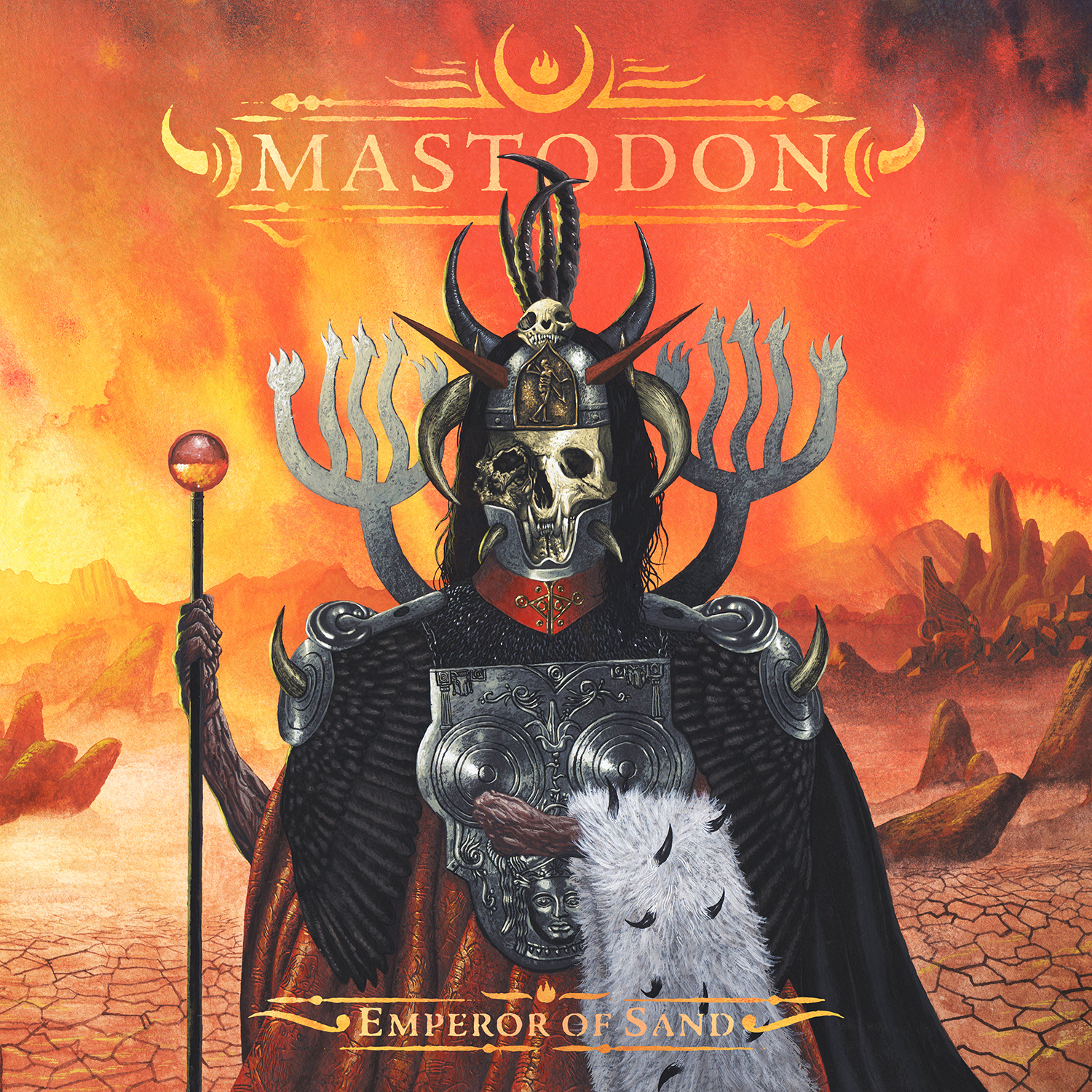
The Mastodon In The Room: A Conversation with...

#KillerSerials: THE PATH, S2 Ep. 11


At SXSW2017: Music Festival Day 5
TRENDING AT PATHEOS Progressive Christian

Why Christians Have a Sacred Duty to Vote:...
The Bible offers strong support for the sacred duty to vote. Here...

What Being a Modern-Day Apostle Means to Me
In my last column, I discussed the ins and outs of modern-day...

Did Ancient China Once Worship the God of...
Across human history, a common thread weaves through the origins of the...

Love Your Neighbor – Including Earth-Kin: Lev. 19,...
God’s command to love your neighbor means acting in an ethical and...

Lead a Church Study of “Jesus and Lao...
Guest writer Jack Thomas (The Irreverent Reverend) reflects on leading his church...

Principles for Understanding the Apostolic Ministry Today
Whenever people discover that my formal ministry title is "apostle," as in...
view all Progressive Christian blogs
Ad-Free & Subscriber Log-In Subscription Support
- About Us
- 2026 Calendar
- Videos
- Podcasts
- Library of World Religions
- Faith In Media Tracker
- Advertise With Us
- Write for Us
- Privacy Policy
- Terms of Service
- Do Not Sell My Data
- Contact Us
- Radiant Digital
- Manage Newsletter Subscriptions
- Unsubscribe From Notifications
- Sitemap
Copyright 2008-2026, Patheos. All rights reserved.
Subscription Support Ad-Free & Subscriber Log-In
Follow Patheos