
BuddhistCatholicContemplativeEvangelicalGeneral ChristianHinduJewishLatter-day SaintMuslimNew VisionsProgressive Christian
Beliefs
- Buddhist
- Catholic
- Contemplative
- Evangelical
- General Christian
- Hindu
- Jewish
- Latter-day Saint
- More Voices
- Muslim
- New Visions
- Pagan
- Progressive Christian
Topics
- Religion News
- Food and Religion
- Sports and Religion
- Religious Art
- Religious Music and Entertainment
- Religious Events
- History and Religion
- Style and Religion
- Politics and Religion
- Women in Religion
- Recreation Outdoors and Religion
- Business Finance and Religion
- Careers Workplace and Religion
- Education and Religion
- Family Parenting and Religion
- Health Fitness and Religion
- Home and Religion
- Relationships and Religion
- Technology and Religion
- Travel and Religion
Columnists
- Buddhist Columnists
- Business Finance and Religion Columnists
- Careers Workplace and Religion Columnists
- Catholic Columnists
- Contemplative Columnists
- Education and Religion Columnists
- Evangelists Columnists
- Family Parenting and Religion Columnists
- General Christian Columnists
- Health Fitness and Religion Columnists
- Hindu Columnists
- History and Religion Columnists
- Home and Religion Columnists
- Jewish Columnists
- More Voices Columnists
- Latter Day Columnists
- Muslim Columnists
- New Visions Columnists
- Nonreligious Columnists
- Pagan Columnists
- Politics and Religion Columnists
- Progressive Columnists
- Recreation Outdoors and Religion Columnists
- Relationships and Religion Columnists
- Religion News Columnists
- Religious Art Columnists
- Religious Events Columnists
- Religious Music and Entertainment Columnists
- Sports and Religion Columnists
- Style and Religion Columnists
- Technology and Religion Columnists
- Travel and Religion Columnists
- Women in Religion Columnists
Resource Library
- 2026 Calendar
- Library of World Religions
- The 100 Most Holy Places on Earth
- Patheos Answers
- Podcasts
- Videos
- Faith Leaders Database
- Anglican Episcopalian
- Bahai
- Baptist
- Buddhism
- Christianity
- Confucianism
- Eastern Orthodoxy
- Hinduism
- Holiness and Pentecostal
- ISKCON
- Islam
- Judaism
- Lutheran
- Methodist
- The Church of Jesus Christ of Latter-day Saints
- New Age
- Paganism
- Presbytarian and Reformed
- Protestantism
- Religion Behind the Scenes
- Roman Catholic
- Scientology
- Shia Islam
- Sikhism
- Sufism
- Sunni Islam
- Taoism
- Zen
- See all religions
Research Tools
 Ad-Free & Subscriber Log-In Subscription Support
Ad-Free & Subscriber Log-In Subscription Support
Follow Patheos 

- Trending:
- Forgiveness
- |
- Marriage
- |
- Consciousness
- |
- Death Penalty
- |
- Election
- |
- Halloween
 Pop Theology
- Home
- Progressive Christian
- Religious Music & Entertainment
- Film Freedom
Film Freedom
Last updated on: April 30, 2013 at 12:39 pm by J. Ryan Parker
Film Freedom 2013-04-30T12:39:50-07:00 J. Ryan Parker
Patheos Explore the world's faith through different perspectives on religion and spirituality! Patheos has the views of the prevalent religions and spiritualities of the world.
In recent years, much has been written about the historical relationship between religion (as an institution, and not just a theme) in the development of cinema. While it might not be as ground-breaking as advertised, William D. Romanowski’s newest book, Reforming Hollywood: How American Protestants Fought for Freedom at the Movies, reveals that there is fertile ground yet to be farmed in this field.
Romanowski’s research will most likely (and only?) appeal to students of American religious history or aspects of film history related to the studio era and censorship. This book is devoid of extensive analysis of individual films and is more of a detailed behind-the-scenes investigation of the tumultuous relationship between “Hollywood,” particularly the likes of the MPAA/MPPDA, and concerned Protestants, most notably in the form of the National Council of Churches’ Broadcasting and Film Commission. Religion and film historians have given much attention to the Catholic Church’s role in regulating film content. However, in recent years, historians like Terry Lindvall have begun to reverse…or address…that imbalance. As such, Romanowski’s book is more of a valuable contribution to that development rather than the first shot fired across the bow. On the other hand, his detailed, sustained account of the NCC’s BFC, for example, does mark his work as unique. If readers can keep up with the extensive cast of ministers, laity, and ever-evolving organizations (and Romanowski does provide a reference list at the end that helps, they will be rewarded with fascinating insights into both American Protestantism and the film industry.
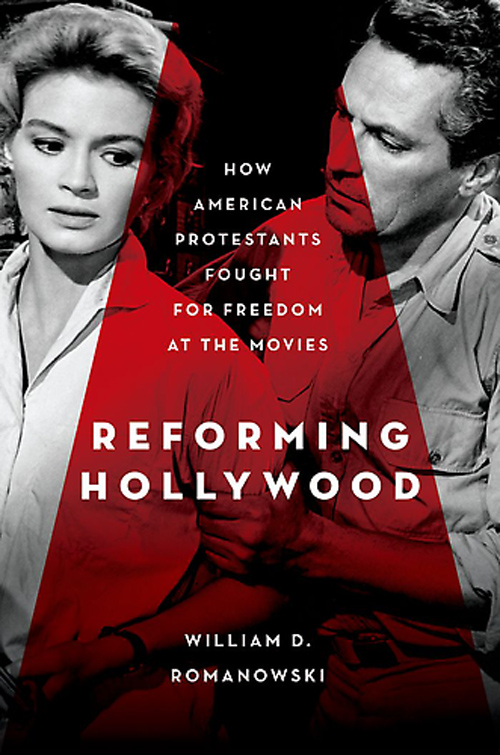
While Protestant responses to the cinema are as diverse as Protestant theology itself, Romanowski argues that much of it centered on the tension between individual freedom (and by extension its expression in the art of film) and the well-being of society at large, here adequately campaigning for films that honestly portrayed the human condition while not overindulging in gratuitous sex and violence. Of course, protecting children and other impressionable viewers from excessive exposure to these themes was also a concern. Romanowski mines an extensive network of studio memos, minutes from religious meetings, press clippings, and trade publication coverage to uncover the ways in which Protestants voiced their concerns about the state of the industry while also navigating that precarious position of preserving filmmakers’ rights to freedom of expression. It was certainly never easy and rarely pretty, but Romanowski argues that Protestants played a key role in establishing the ratings system (itself woefully imperfect) that audiences rely on today.
Though certainly not with the detail of Reforming Hollywood, I was familiar with much of this history; however, Romanowski’s work left me reflecting on a couple of key points about the changed (and changing) relationship between religious organizations and the film industry. The first has to do with the once lively engagement between film studios and religious organizations that has virtually disappeared today, save for a few “special screenings” to drum up publicity for a particular film among a marketable, religious niche. Second, I am continually impressed by the awareness that so many ministers once had of the inner workings of the film industry and how they might be more involved in it to help speak to the culture through it rather than simply bashing its “unwholesome” elements over and over again. I imagine so many of them are rolling over in their graves as many contemporary Protestant (particularly evangelical) ministers content themselves with firing blanks in an on-going culture war that does nothing to elevate theology or film but consistently dumbs down both. Romanowski seems to hint at as much: “The history of Protestants and the movies reveals that a dramatic shift in American cultural values occurred over the course of the twentieth century. Indeed, while writing this book, I was struck by the extent of the subjugation of traditional Protestant values–like service and love of neighbor, sustaining community, and concern for the public welfare–to the primacy of self-interest and the acquisition of wealth and power in American society” (210). That so much of American Protestantism has fallen victim to this consumerist ethos is evident not only in prosperity gospel ministries, but also, ironically, in the films that evangelical churches have begun to produce, which are supposedly counter-cultural messages of evangelism and transformation.
Previous Post

April 15, 2013
Psalms of "Black Velvet"
Next Post
May 2, 2013 Jesus and John Lennon: Misremembered Messiahs
Browse Our Archives
Select a Category Classics DVD Film Music News Pop Culture Events Print Sports Television Uncategorized Video Games
Select a Month March 2017 February 2017 January 2017 December 2016 November 2016 October 2016 September 2016 August 2016 July 2016 June 2016 May 2016 April 2016 March 2016 February 2016 January 2016 December 2015 November 2015 October 2015 September 2015 August 2015 July 2015 June 2015 May 2015 April 2015 March 2015 February 2015 January 2015 December 2014 November 2014 October 2014 September 2014 August 2014 July 2014 June 2014 May 2014 April 2014 March 2014 February 2014 January 2014 December 2013 November 2013 October 2013 September 2013 August 2013 July 2013 June 2013 May 2013 April 2013 March 2013 February 2013 January 2013 December 2012 November 2012 October 2012 September 2012 August 2012 July 2012 June 2012 May 2012 April 2012 March 2012 February 2012 January 2012 December 2011 November 2011 October 2011 September 2011 August 2011 July 2011 June 2011 May 2011 April 2011 March 2011 February 2011 January 2011 December 2010 November 2010 October 2010 September 2010 August 2010 July 2010 June 2010 May 2010 April 2010 March 2010 February 2010 January 2010 December 2009 November 2009 October 2009 September 2009 August 2009 July 2009 June 2009 May 2009 April 2009 March 2009 February 2009 January 2009 December 2008 November 2008 October 2008 September 2008 August 2008 July 2008 June 2008 May 2008 April 2008 March 2008 February 2008 January 2008 December 2007 November 2007 October 2007 September 2007 August 2007 July 2007 June 2007 May 2007 April 2007 March 2007
Follow Us!
TAKE THE
Religious Wisdom Quiz
Who interpreted Pharaoh's dreams in Egypt?
Select your answer to see how you score.
Moses Aaron Daniel Joseph
Related posts from Pop Theology


#KillerSerials: An Interview with Kutter Callaway

Book Review: MUSLIMS AND THE MAKING OF AMERICA

TRENDING AT PATHEOS Progressive Christian

Why Christians Have a Sacred Duty to Vote:...
The Bible offers strong support for the sacred duty to vote. Here...

What Being a Modern-Day Apostle Means to Me
In my last column, I discussed the ins and outs of modern-day...

Did Ancient China Once Worship the God of...
Across human history, a common thread weaves through the origins of the...

Love Your Neighbor – Including Earth-Kin: Lev. 19,...
God’s command to love your neighbor means acting in an ethical and...

Lead a Church Study of “Jesus and Lao...
Guest writer Jack Thomas (The Irreverent Reverend) reflects on leading his church...

Principles for Understanding the Apostolic Ministry Today
Whenever people discover that my formal ministry title is "apostle," as in...
view all Progressive Christian blogs
Ad-Free & Subscriber Log-In Subscription Support
- About Us
- 2026 Calendar
- Videos
- Podcasts
- Library of World Religions
- Faith In Media Tracker
- Advertise With Us
- Write for Us
- Privacy Policy
- Terms of Service
- Do Not Sell My Data
- Contact Us
- Radiant Digital
- Manage Newsletter Subscriptions
- Unsubscribe From Notifications
- Sitemap
Copyright 2008-2026, Patheos. All rights reserved.
Subscription Support Ad-Free & Subscriber Log-In
Follow Patheos