
BuddhistCatholicContemplativeEvangelicalGeneral ChristianHinduJewishLatter-day SaintMuslimNew VisionsProgressive Christian
Beliefs
- Buddhist
- Catholic
- Contemplative
- Evangelical
- General Christian
- Hindu
- Jewish
- Latter-day Saint
- More Voices
- Muslim
- New Visions
- Pagan
- Progressive Christian
Topics
- Religion News
- Food and Religion
- Sports and Religion
- Religious Art
- Religious Music and Entertainment
- Religious Events
- History and Religion
- Style and Religion
- Politics and Religion
- Women in Religion
- Recreation Outdoors and Religion
- Business Finance and Religion
- Careers Workplace and Religion
- Education and Religion
- Family Parenting and Religion
- Health Fitness and Religion
- Home and Religion
- Relationships and Religion
- Technology and Religion
- Travel and Religion
Columnists
- Buddhist Columnists
- Business Finance and Religion Columnists
- Careers Workplace and Religion Columnists
- Catholic Columnists
- Contemplative Columnists
- Education and Religion Columnists
- Evangelists Columnists
- Family Parenting and Religion Columnists
- General Christian Columnists
- Health Fitness and Religion Columnists
- Hindu Columnists
- History and Religion Columnists
- Home and Religion Columnists
- Jewish Columnists
- More Voices Columnists
- Latter Day Columnists
- Muslim Columnists
- New Visions Columnists
- Nonreligious Columnists
- Pagan Columnists
- Politics and Religion Columnists
- Progressive Columnists
- Recreation Outdoors and Religion Columnists
- Relationships and Religion Columnists
- Religion News Columnists
- Religious Art Columnists
- Religious Events Columnists
- Religious Music and Entertainment Columnists
- Sports and Religion Columnists
- Style and Religion Columnists
- Technology and Religion Columnists
- Travel and Religion Columnists
- Women in Religion Columnists
Resource Library
- 2026 Calendar
- Library of World Religions
- The 100 Most Holy Places on Earth
- Patheos Answers
- Podcasts
- Videos
- Faith Leaders Database
- Anglican Episcopalian
- Bahai
- Baptist
- Buddhism
- Christianity
- Confucianism
- Eastern Orthodoxy
- Hinduism
- Holiness and Pentecostal
- ISKCON
- Islam
- Judaism
- Lutheran
- Methodist
- The Church of Jesus Christ of Latter-day Saints
- New Age
- Paganism
- Presbytarian and Reformed
- Protestantism
- Religion Behind the Scenes
- Roman Catholic
- Scientology
- Shia Islam
- Sikhism
- Sufism
- Sunni Islam
- Taoism
- Zen
- See all religions
Research Tools
 Ad-Free & Subscriber Log-In Subscription Support
Ad-Free & Subscriber Log-In Subscription Support
Follow Patheos 

- Trending:
- Forgiveness
- |
- Marriage
- |
- Consciousness
- |
- Death Penalty
- |
- Election
- |
- Halloween
 Pop Theology
- Home
- Progressive Christian
- Religious Music & Entertainment
- Intelligent Zombies
Intelligent Zombies
Last updated on: November 23, 2011 at 10:52 am by J. Ryan Parker
Intelligent Zombies 2011-11-23T10:52:40-08:00 J. Ryan Parker
Patheos Explore the world's faith through different perspectives on religion and spirituality! Patheos has the views of the prevalent religions and spiritualities of the world.
Finally, zombies get the academic treatment that they deserve! Deborah Christie and Sarah Juliet Lauro‘s collection of essays, Better Off Dead: The Evolution of the Zombie as Post-Human, presents a fascinating discussion on the role of zombies throughout history and their ever-changing (yes they change!) identities. For all you zombie addicts, monster lovers, horror fans, or observers of the genre…this is a must read.
Of course, many zombie lovers might roll their eyes as academics “ruin” the objects of their affection. It’s evident, however, that the contributors here are zombie fans too. They’re damn smart too. The collected essays do not read as disjointed reflection on a common theme, like so many academic pop culture texts do, but actually shed light on, 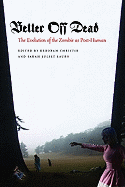 support, or disagree with each other. In a very real way, the book reads like a panel discussion on zombies. The contributors reveal the multiple identities of and roles that zombies play throughout history and in contemporary popular culture. The zombies we know today, or many of them, would be unrecognizable to audiences that witnessed their origins in Haitian voodoo tales and practices. Despite their differences, many contemporary zombies still serve similar socio-political, economic roles that critique power(lessness), capitalism, racism and a host of other phenomena. The contributors here sharpen their focus to heighten the reality that, as W. Scott Poole reveals in Monsters in America, the victim and the violator run to zombies, ironically, to make sense of unsettling experiences. I couldn’t recommend Better Off Dead more strongly as a cornerstone text that will, hopefully, support a more extensive area of research, zombie studies. Read on for further coverage of the book’s highlights.
Christie and Lauro order their essays into three parts built around the “three most recognizable stages of twentieth- and twenty-first-century zombie configurations: the classic mindless corpse [from Haitian folklore to the United States], the relentless instinct-driven newly dead [the classical horror zombie from the 1950s to late 1970s], and the millenial voracious and fast-moving predator” (2). Each section features an introduction that outlines the contributors’ essays and how they both fit together and contribute to the broader theme of the book. In her essay, “They are not men…they are dead bodies!”: From Cannibal to Zombie and Back Again,” Chera Kee traces the origins of zombies to Haitian voodoo and briefly follows its (d)evolution in American history. This essay most closely parallels Poole’s discussion of the use of monsters to conceptualize “the Other.” As we will see later, because of the zombie’s (un)familiarity (it is both us and not us), this process is porous to be sure. In his essay, “We are the mirror of your fears”: Haitian Identity and Zombification,” Franck Degoul keeps his focus on the Haitian context of origin but also reveals how contemporary zombifications harken back to those very origins. Richard Hand examines an often-ignored aspect of pop culture, radio dramas, and uncovers some fascinating zombie narratives there that contain a wide array of the living dead. Finally, in his essay, “The Zombie as Other: Mortality and the Monstrous in the Post-Nuclear Age,” Kevin Boon attempts to categorize zombies and finds nine classifications: zombie drone, zombie ghoul, tech zombie, bio zombie, zombie channel, psychological zombie, cultural zombie, zombie ghost, and zombie ruse” (57-60). He also notes the shift from faith in God to faith in science that impacts the portrayal of zombies and, most often, the source of the zombie apocalypse (from Divine punishment to biological hazard).
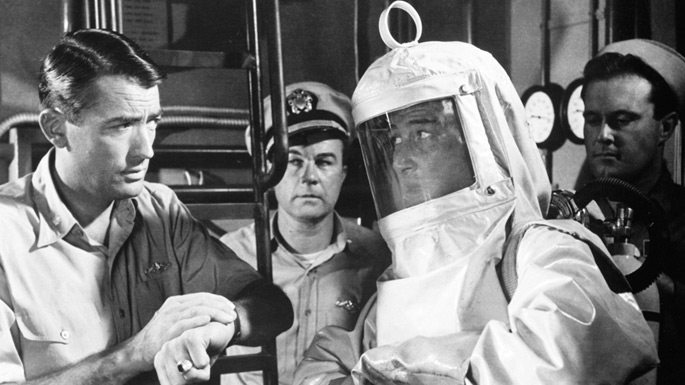
The second section covers the ways in which zombies took on a more autonomous nature, no longer serving the will of a controlling force or enslaver. While most observers and scholars turn to George Romero’s The Night of the Living Dead as the historical zombie hinge, Christie actually considers Richard Matheson’s I Am Legend to be a foundational zombie text, even though he employs vampires. Here, she posits the idea that humanity might be the “villainous” roadblock in evolution, delaying the liberating (?) zombie apocalypse. She writes, “Robert Neville [one of the last survivors] is legend because he is the single largest threat to a new society, one that has superseded humanity.” Christie argues that many readers (viewers) will miss this part because they “focus solely on the restoration of the human status quo rather than considering the potential for advancement in both mind and body that are often the focus of post-humanist considerations” (68). Also humans and zombies become harder to define. In his essay, “Nuclear Death and Radical Hope in Dawn of the Dead and On the Beach,” Nick Muntean provides an insightful viewing and comparison of these two films, arguing boldly that On the Beach (1959) is, in fact, a zombie film as its living dead nuclear survivors shuffle around waiting for their actual deaths. The film introduces what Muntean calls “trauma zombies,” whose “psychic annihilation precedes their physical destruction […].” As a result, Muntean adds, “death becomes a state that we inhabit within our own earthly vessels, something we become, rather than somewhere we go” (82, 83). Muntean also considers the real world zombies, Musselmanner and hibakusha that we have seen. Steven Zani and Kevin Meaux discuss the, perhaps, less familiar filmmaker Lucio Fulci and the ways in which his zombie films re-define or complicate zombie identity by refusing to explain the origin of the zombie plague or by giving contradictory explanations for it. Unlike so many other zombie filmmakers, Fulci allows an essentially unbelievable and inexplicable event remain undefinable. In her essay, “Imitations of Life: Zombies and the Suburban Gothic,” Bernice Murphy discusses the migration of zombies to the suburbs in films like Fido and The Stepford Wives. In “All Dark Inside: Dehumanization and Zombification in Postmodern Cinema,” Sorcha Ni Fhlainn examines war films like Full Metal Jacket (1987), Universal Soldier (1992), Platoon(1986) and others to reveal the ways in which militaries necessitate zombification. Fhlainn’s chapter is a “study of personalized horrors, dehumanization, and violence that targets others and the self, which psychologically alters, damages, and annihilates the soldier, and depicts them, subtly or overtly, as zombified bodies” (140).

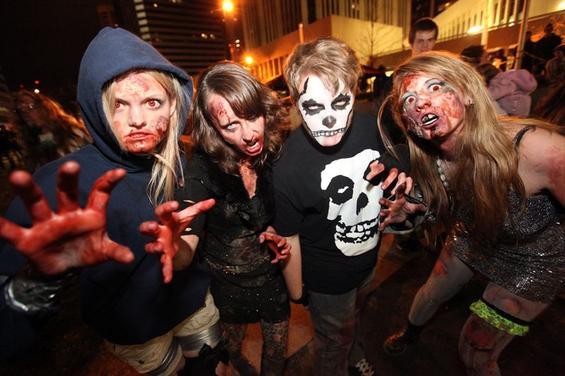
Zombie walks embody (r)evolutionary potential.
In the final section, the contributors consider the myriad ways in which the zombie genre is perfectly suited for “future” questions. Questions of identity, art, life, slacker culture arise in contemporary zombie films. Lynn Pifer studies the ways in which the plot of Shaun of the Dead (2004) affirm intentional slacker culture and critiques capitalism and work for work’s sake. In its uniquely humorous way, Pifer writes, “[…] Shaun of the Dead‘s zombies reveal and warn against the deadening effects of modern life” (165). Peter Dendle considers the ways in which the zombie genre expresses fears of and escapism for the millenial generation. It’s an interesting relationship, Dendle writes, “between history’s least energetic monster and history’s most energetic generation” (181). Margo Collins and Elson Bond offer an in-depth reading of Max Brooks’ World War Z and “funny” zombies like Pride and Prejudice and Zombies for their hopefulness in horrific situations. Finally, Sarah Juliet Lauro, in her concluding chapter, “Playing Dead: Zombies Invade Performance Art…and Your Neighborhood,” and Afterword reflects on the role of zombies in performance art and the spreading phenomenon of zombie walks and the ways in which zombie narratives have infiltrated the broader culture and speculates on an ecological zombie future for the genre. She also recognizes that though devoid of power or effectiveness, zombie walks represent the potential for (r)evolution in our networked culture.
Be an intellectual old school zombie and do as I command: read this book!
Previous Post

November 10, 2011
Zombies Triumph
Next Post
November 29, 2011 Dinosaurs, Time Travel, and the Sovereignty of God
Browse Our Archives
Select a Category Classics DVD Film Music News Pop Culture Events Print Sports Television Uncategorized Video Games
Select a Month March 2017 February 2017 January 2017 December 2016 November 2016 October 2016 September 2016 August 2016 July 2016 June 2016 May 2016 April 2016 March 2016 February 2016 January 2016 December 2015 November 2015 October 2015 September 2015 August 2015 July 2015 June 2015 May 2015 April 2015 March 2015 February 2015 January 2015 December 2014 November 2014 October 2014 September 2014 August 2014 July 2014 June 2014 May 2014 April 2014 March 2014 February 2014 January 2014 December 2013 November 2013 October 2013 September 2013 August 2013 July 2013 June 2013 May 2013 April 2013 March 2013 February 2013 January 2013 December 2012 November 2012 October 2012 September 2012 August 2012 July 2012 June 2012 May 2012 April 2012 March 2012 February 2012 January 2012 December 2011 November 2011 October 2011 September 2011 August 2011 July 2011 June 2011 May 2011 April 2011 March 2011 February 2011 January 2011 December 2010 November 2010 October 2010 September 2010 August 2010 July 2010 June 2010 May 2010 April 2010 March 2010 February 2010 January 2010 December 2009 November 2009 October 2009 September 2009 August 2009 July 2009 June 2009 May 2009 April 2009 March 2009 February 2009 January 2009 December 2008 November 2008 October 2008 September 2008 August 2008 July 2008 June 2008 May 2008 April 2008 March 2008 February 2008 January 2008 December 2007 November 2007 October 2007 September 2007 August 2007 July 2007 June 2007 May 2007 April 2007 March 2007
Follow Us!
TAKE THE
Religious Wisdom Quiz
Who said, "Man shall not live on bread alone, but on every word that comes from the mouth of God"?
Select your answer to see how you score.
David Jesus Elijah Moses
Related posts from Pop Theology


#KillerSerials: An Interview with Kutter Callaway

Book Review: MUSLIMS AND THE MAKING OF AMERICA

TRENDING AT PATHEOS Progressive Christian

Why Christians Have a Sacred Duty to Vote:...
The Bible offers strong support for the sacred duty to vote. Here...

What Being a Modern-Day Apostle Means to Me
In my last column, I discussed the ins and outs of modern-day...

Did Ancient China Once Worship the God of...
Across human history, a common thread weaves through the origins of the...

Love Your Neighbor – Including Earth-Kin: Lev. 19,...
God’s command to love your neighbor means acting in an ethical and...

Lead a Church Study of “Jesus and Lao...
Guest writer Jack Thomas (The Irreverent Reverend) reflects on leading his church...

Principles for Understanding the Apostolic Ministry Today
Whenever people discover that my formal ministry title is "apostle," as in...
view all Progressive Christian blogs
Ad-Free & Subscriber Log-In Subscription Support
- About Us
- 2026 Calendar
- Videos
- Podcasts
- Library of World Religions
- Faith In Media Tracker
- Advertise With Us
- Write for Us
- Privacy Policy
- Terms of Service
- Do Not Sell My Data
- Contact Us
- Radiant Digital
- Manage Newsletter Subscriptions
- Unsubscribe From Notifications
- Sitemap
Copyright 2008-2026, Patheos. All rights reserved.
Subscription Support Ad-Free & Subscriber Log-In
Follow Patheos