
BuddhistCatholicContemplativeEvangelicalGeneral ChristianHinduJewishLatter-day SaintMuslimNew VisionsProgressive Christian
Beliefs
- Buddhist
- Catholic
- Contemplative
- Evangelical
- General Christian
- Hindu
- Jewish
- Latter-day Saint
- More Voices
- Muslim
- New Visions
- Pagan
- Progressive Christian
Topics
- Religion News
- Food and Religion
- Sports and Religion
- Religious Art
- Religious Music and Entertainment
- Religious Events
- History and Religion
- Style and Religion
- Politics and Religion
- Women in Religion
- Recreation Outdoors and Religion
- Business Finance and Religion
- Careers Workplace and Religion
- Education and Religion
- Family Parenting and Religion
- Health Fitness and Religion
- Home and Religion
- Relationships and Religion
- Technology and Religion
- Travel and Religion
Columnists
- Buddhist Columnists
- Business Finance and Religion Columnists
- Careers Workplace and Religion Columnists
- Catholic Columnists
- Contemplative Columnists
- Education and Religion Columnists
- Evangelists Columnists
- Family Parenting and Religion Columnists
- General Christian Columnists
- Health Fitness and Religion Columnists
- Hindu Columnists
- History and Religion Columnists
- Home and Religion Columnists
- Jewish Columnists
- More Voices Columnists
- Latter Day Columnists
- Muslim Columnists
- New Visions Columnists
- Nonreligious Columnists
- Pagan Columnists
- Politics and Religion Columnists
- Progressive Columnists
- Recreation Outdoors and Religion Columnists
- Relationships and Religion Columnists
- Religion News Columnists
- Religious Art Columnists
- Religious Events Columnists
- Religious Music and Entertainment Columnists
- Sports and Religion Columnists
- Style and Religion Columnists
- Technology and Religion Columnists
- Travel and Religion Columnists
- Women in Religion Columnists
Resource Library
- 2026 Calendar
- Library of World Religions
- The 100 Most Holy Places on Earth
- Patheos Answers
- Podcasts
- Videos
- Faith Leaders Database
- Anglican Episcopalian
- Bahai
- Baptist
- Buddhism
- Christianity
- Confucianism
- Eastern Orthodoxy
- Hinduism
- Holiness and Pentecostal
- ISKCON
- Islam
- Judaism
- Lutheran
- Methodist
- The Church of Jesus Christ of Latter-day Saints
- New Age
- Paganism
- Presbytarian and Reformed
- Protestantism
- Religion Behind the Scenes
- Roman Catholic
- Scientology
- Shia Islam
- Sikhism
- Sufism
- Sunni Islam
- Taoism
- Zen
- See all religions
Research Tools
 Ad-Free & Subscriber Log-In Subscription Support
Ad-Free & Subscriber Log-In Subscription Support
Follow Patheos 

- Trending:
- Forgiveness
- |
- Marriage
- |
- Consciousness
- |
- Death Penalty
- |
- Election
- |
- Halloween
 Pop Theology
- Home
- Progressive Christian
- Religious Music & Entertainment
- A Host of Horrors: A Review of Dark Dreams 2.0
A Host of Horrors: A Review of Dark Dreams 2.0
Last updated on: August 1, 2011 at 8:51 am by J. Ryan Parker
A Host of Horrors: A Review of Dark Dreams 2.0 2011-08-01T08:51:42-07:00 J. Ryan Parker
Patheos Explore the world's faith through different perspectives on religion and spirituality! Patheos has the views of the prevalent religions and spiritualities of the world.
Filmmaker Guillermo Del Toro has described the horror film genre as “one of the last of the brave genres of film.” Unfortunately, many critics and audiences reject the genre out of hand, while the growing collection of film and religion scholars have failed to give it it’s due…aside from films like The Exorcist (1973), Rosemary’s Baby (1968), and the other usual suspects, of course. While Charles Derry does not dwell on the religious/theological/spiritual implications of the horror genre in his book, Dark Dreams 2.0: A Psychological History of the Modern Horror Film from the 1950s to the 21st Century, he does give clear, strong evidence for the case that horror films demand our attention because they reflect the times and places…accompanying fears especially…from which they emerge perhaps more directly than other genres.
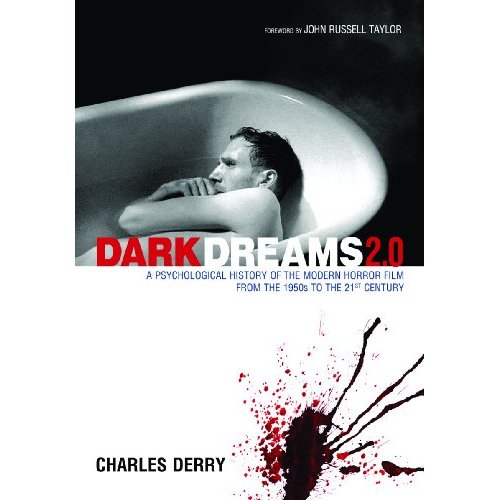 Dark Dreams 2.0 is actually an enlarged version of Derry’s Dark Dreams that he published in 1977. In the then shorter, but insightful, iteration, Derry outlined three subgenres of the horror genre: the horror of personality, the horror of Armageddon, and the horror of the demonic. While they are each distinct in their characteristics, they occasionally overlap. Obviously, the horror of personality focuses on the horrific acts of an individual or a small group. Derry points out several motivating factors for the horror and violence acted out in these films and shows how they evolve over time. Broadly speaking, we see personality transitions from the monster (vampire, etc.) to the monster next door (Norman Bates, serial killers, etc.). Across this evolution, however, some “explanations” for this behavior remain including curses, demonic possession, or psychological instability. For Derry, Alfred Hitchcock’s Psycho (1960) is an historic cinematic hinge that represents the most significant shift in this subgenre and in the broader horror genre altogether. More on this below.
The horror of Armageddon taps into our fears of more widespread destruction, whether that be at the hands (claws?) of an over-sized Godzilla-like monster, invading aliens, pandemic infections, nuclear disaster, environmental degradation, or terrorism. At the beginning of this subgenre, we see films reacting to the launch of the atomic bomb and then to the emergence of the Cold War, the AIDS epidemic, and, most recently, global warming and terrorism. Again, Derry points to another Hitchcock film, The Birds (1963), as a seminal horror of Armageddon work. The widespread presence of zombies in contemporary popular culture from literature to comic books to television reveal that this subgenre is alive and well.
Finally, the horror of the demonic is self-explanatory. The demonic, the epic battle between good and evil, has fascinated entertainers and audiences alike since the beginning of time, and filmmakers have been no exception. In fact, improvements in CGI and special effects have allowed filmmakers to image the demonic (and the divine) in unprecedented ways. Ironically, this is the last (sub)genre in which a kind of willing acceptance of the supernatural/spiritual remains. Of course, the ways in which filmmakers approach, and audiences respond to, the supernatural and spiritual varies.
Derry entitles Part II of his book “Millenial Nightmares.” In this section, he largely devotes his attention to an updating of the three subgenres by not only discussing new films released between 1977 and 2009, but by examining the influences of cultural and political events on the horror genre (the rise of the religious right, 9/11, and the wars in Iraq and Afghanistan, etc.). Derry also reflects on the genre as a whole–why it is in decline, why American horror filmmakers are lagging behind other countries, and what the future might hold for the genre. Derry also, thankfully, gives some extended attention to “Asian Millenial Horror” and its impact on American horror films. It would have been interesting to read Derry’s thoughts on just why Asian Millenial Horror films are so extremely violent–what about the cultures from which they emerge influences them–but the chapter is just a chronicle of some of the more impressive/influential film.s In this broad second section, he also devotes two brief chapters to Del Toro and David Cronenberg, two of his favorite horror directors.
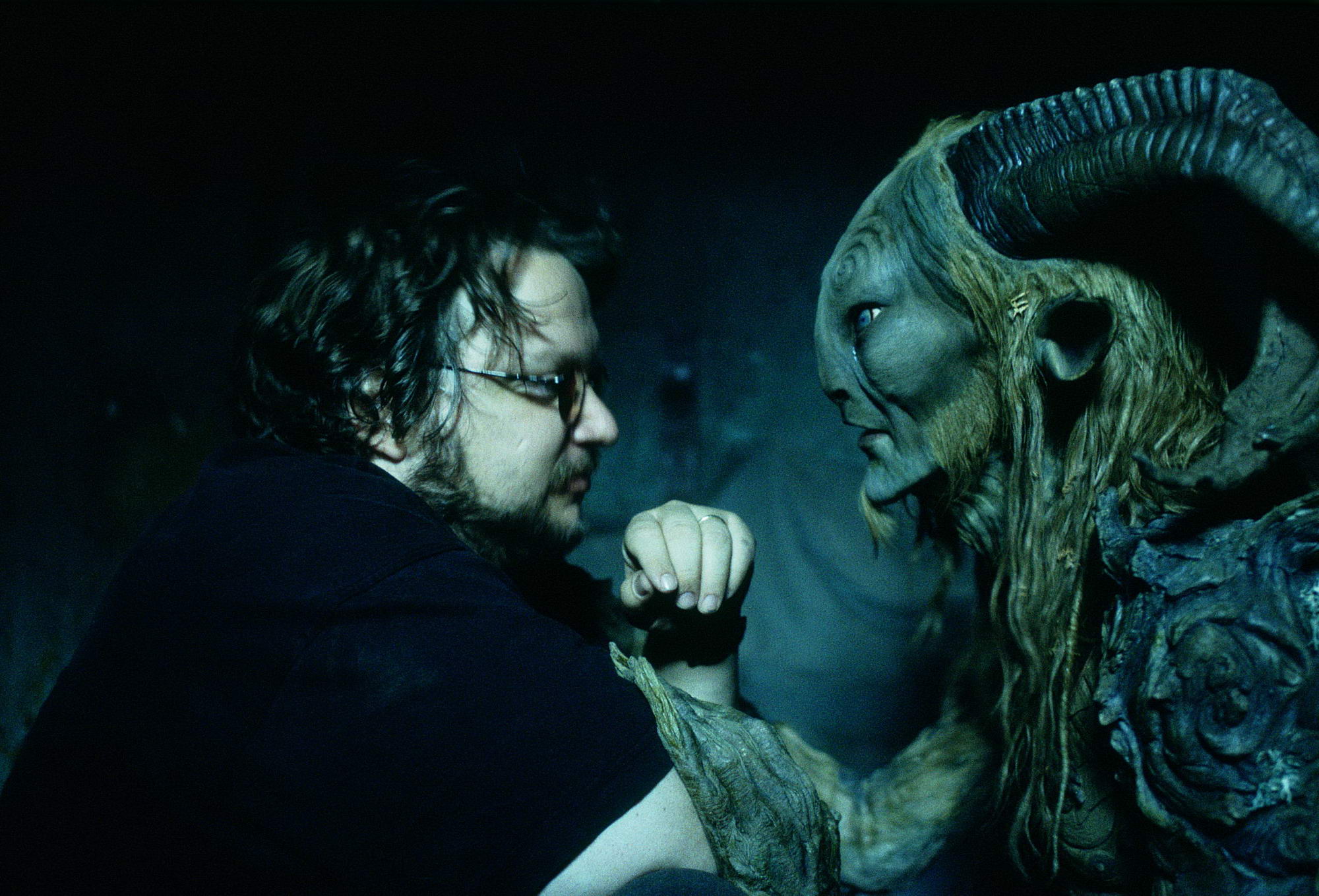
Guillermo Del Toro and Fauno.
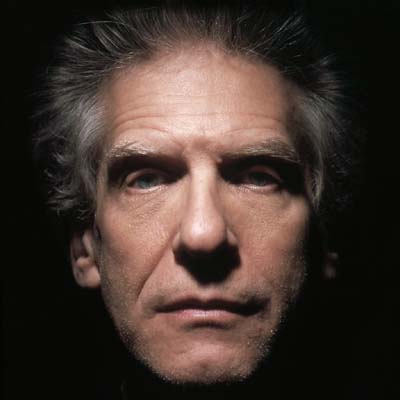
David Cronenberg
First, let me say that I love Derry’s book. It is not exhaustive, but it is extensive. He fills his chapters with screen grabs that illustrate his discussions and help drive home his points. Derry discusses as wide a range of horror films as you could imagine. In fact, we could question his inclusion his inclusion of some films (Notes on a Scandal (2006) and Crash (1996), for example) in a discussion of horror films, but he makes compelling arguments nonetheless. I am also drawn to Derry’s critique of the effects of horror films and the increasing pornographization of horror film violence on American audiences’ responses to horrific films and real world events. He argues that it has robbed “us” of our empathic abilities. Derry claims that this is not a one to one correlation, but rather a process of sustained erosion due to increased exposure.
On the other hand, I feel like Derry occasionally too strongly draws connections between real world political and cultural events and the films that emerge from those times and places. He seems to be a big fan of reading the influence of both the Iraq and Afghanistan Wars onto almost any horror film that has released since they began. At the same time, while he is rightfully critical of American audiences’ unwillingness to think at movie theaters, he too often paints a picture of said audiences too broadly. It’s hard to see how confident he can be in sales of his book(s) if “we” are all so unwilling to engage the films we watch. Of course, not all of “us” are mindless consumers, nor is a healthy appetite for entertainment primarily a bad thing, especially in a world as frequently painful as this one. Finally, though Psycho is no doubt one of the most important and influential horror films ever made, it seems at times as if Derry sees influences of Psycho in films that either are not there or are just incidental. Not every shower or bathtub scene in a film has to be an homage to Hitchcock.
Derry’s critiques of Americans’ lack of empathy, lack of creative filmmaking, and unwillingness to “thoughtfully” reflect on the world in which we live demand theological responses. It will be a welcome voice that looks critically at, but also beyond, the accompanying violent and disturbing images in these films to see what challenges they pose to theology. For now, Derry’s psychological perspective t is a fantastic discussion starter if we take the time to read and, more importantly, watch.
Previous Post

July 27, 2011
It's All Over
Next Post
August 3, 2011 Crazy Stupid
Browse Our Archives
Select a Category Classics DVD Film Music News Pop Culture Events Print Sports Television Uncategorized Video Games
Select a Month March 2017 February 2017 January 2017 December 2016 November 2016 October 2016 September 2016 August 2016 July 2016 June 2016 May 2016 April 2016 March 2016 February 2016 January 2016 December 2015 November 2015 October 2015 September 2015 August 2015 July 2015 June 2015 May 2015 April 2015 March 2015 February 2015 January 2015 December 2014 November 2014 October 2014 September 2014 August 2014 July 2014 June 2014 May 2014 April 2014 March 2014 February 2014 January 2014 December 2013 November 2013 October 2013 September 2013 August 2013 July 2013 June 2013 May 2013 April 2013 March 2013 February 2013 January 2013 December 2012 November 2012 October 2012 September 2012 August 2012 July 2012 June 2012 May 2012 April 2012 March 2012 February 2012 January 2012 December 2011 November 2011 October 2011 September 2011 August 2011 July 2011 June 2011 May 2011 April 2011 March 2011 February 2011 January 2011 December 2010 November 2010 October 2010 September 2010 August 2010 July 2010 June 2010 May 2010 April 2010 March 2010 February 2010 January 2010 December 2009 November 2009 October 2009 September 2009 August 2009 July 2009 June 2009 May 2009 April 2009 March 2009 February 2009 January 2009 December 2008 November 2008 October 2008 September 2008 August 2008 July 2008 June 2008 May 2008 April 2008 March 2008 February 2008 January 2008 December 2007 November 2007 October 2007 September 2007 August 2007 July 2007 June 2007 May 2007 April 2007 March 2007
Follow Us!
TAKE THE
Religious Wisdom Quiz
What Christian group traditionally worships in silence?
Select your answer to see how you score.
Jehovah’s Witnesses Baptists Anglicans Quakers
Related posts from Pop Theology


#KillerSerials: An Interview with Kutter Callaway

Book Review: MUSLIMS AND THE MAKING OF AMERICA

TRENDING AT PATHEOS Progressive Christian

Why Christians Have a Sacred Duty to Vote:...
The Bible offers strong support for the sacred duty to vote. Here...

What Being a Modern-Day Apostle Means to Me
In my last column, I discussed the ins and outs of modern-day...

Did Ancient China Once Worship the God of...
Across human history, a common thread weaves through the origins of the...

Love Your Neighbor – Including Earth-Kin: Lev. 19,...
God’s command to love your neighbor means acting in an ethical and...

Lead a Church Study of “Jesus and Lao...
Guest writer Jack Thomas (The Irreverent Reverend) reflects on leading his church...

Principles for Understanding the Apostolic Ministry Today
Whenever people discover that my formal ministry title is "apostle," as in...
view all Progressive Christian blogs
Ad-Free & Subscriber Log-In Subscription Support
- About Us
- 2026 Calendar
- Videos
- Podcasts
- Library of World Religions
- Faith In Media Tracker
- Advertise With Us
- Write for Us
- Privacy Policy
- Terms of Service
- Do Not Sell My Data
- Contact Us
- Radiant Digital
- Manage Newsletter Subscriptions
- Unsubscribe From Notifications
- Sitemap
Copyright 2008-2026, Patheos. All rights reserved.
Subscription Support Ad-Free & Subscriber Log-In
Follow Patheos