
BuddhistCatholicContemplativeEvangelicalGeneral ChristianHinduJewishLatter-day SaintMuslimNew VisionsProgressive Christian
Beliefs
- Buddhist
- Catholic
- Contemplative
- Evangelical
- General Christian
- Hindu
- Jewish
- Latter-day Saint
- More Voices
- Muslim
- New Visions
- Pagan
- Progressive Christian
Topics
- Religion News
- Food and Religion
- Sports and Religion
- Religious Art
- Religious Music and Entertainment
- Religious Events
- History and Religion
- Style and Religion
- Politics and Religion
- Women in Religion
- Recreation Outdoors and Religion
- Business Finance and Religion
- Careers Workplace and Religion
- Education and Religion
- Family Parenting and Religion
- Health Fitness and Religion
- Home and Religion
- Relationships and Religion
- Technology and Religion
- Travel and Religion
Columnists
- Buddhist Columnists
- Business Finance and Religion Columnists
- Careers Workplace and Religion Columnists
- Catholic Columnists
- Contemplative Columnists
- Education and Religion Columnists
- Evangelists Columnists
- Family Parenting and Religion Columnists
- General Christian Columnists
- Health Fitness and Religion Columnists
- Hindu Columnists
- History and Religion Columnists
- Home and Religion Columnists
- Jewish Columnists
- More Voices Columnists
- Latter Day Columnists
- Muslim Columnists
- New Visions Columnists
- Nonreligious Columnists
- Pagan Columnists
- Politics and Religion Columnists
- Progressive Columnists
- Recreation Outdoors and Religion Columnists
- Relationships and Religion Columnists
- Religion News Columnists
- Religious Art Columnists
- Religious Events Columnists
- Religious Music and Entertainment Columnists
- Sports and Religion Columnists
- Style and Religion Columnists
- Technology and Religion Columnists
- Travel and Religion Columnists
- Women in Religion Columnists
Resource Library
- 2026 Calendar
- Library of World Religions
- The 100 Most Holy Places on Earth
- Patheos Answers
- Podcasts
- Videos
- Faith Leaders Database
- Anglican Episcopalian
- Bahai
- Baptist
- Buddhism
- Christianity
- Confucianism
- Eastern Orthodoxy
- Hinduism
- Holiness and Pentecostal
- ISKCON
- Islam
- Judaism
- Lutheran
- Methodist
- The Church of Jesus Christ of Latter-day Saints
- New Age
- Paganism
- Presbytarian and Reformed
- Protestantism
- Religion Behind the Scenes
- Roman Catholic
- Scientology
- Shia Islam
- Sikhism
- Sufism
- Sunni Islam
- Taoism
- Zen
- See all religions
Research Tools
 Ad-Free & Subscriber Log-In Subscription Support
Ad-Free & Subscriber Log-In Subscription Support
Follow Patheos 

- Trending:
- Forgiveness
- |
- Marriage
- |
- Consciousness
- |
- Death Penalty
- |
- Election
- |
- Halloween
 Pop Theology
- Home
- Progressive Christian
- Religious Music & Entertainment
- Is God a Gamer?
Is God a Gamer?
Last updated on: February 18, 2010 at 9:27 am by J. Ryan Parker
Is God a Gamer? 2010-02-18T09:27:59-08:00 J. Ryan Parker
Patheos Explore the world's faith through different perspectives on religion and spirituality! Patheos has the views of the prevalent religions and spiritualities of the world.
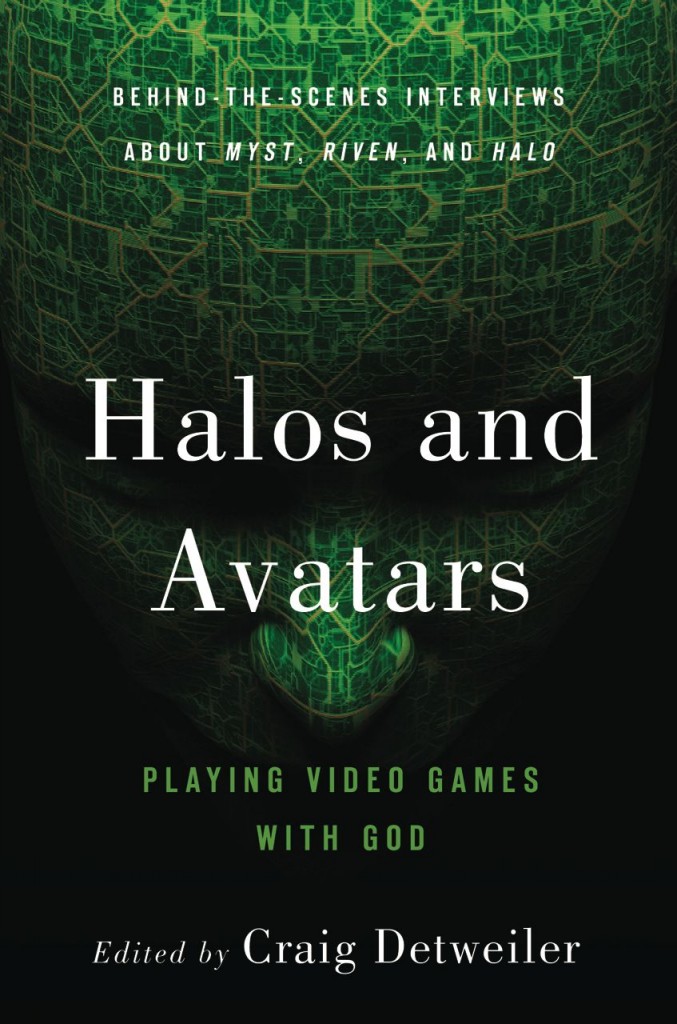
Theology and popular culture is an ever-growing field with numerous implications for both the church and academia. Churches and professors have embraced the theological/religious/spiritual implications of film, television, and popular culture. However, one of the most popular components of popular culture, video games, have yet to come under exploration for their theological/religious/spiritual implications. Until now. In his latest book, Halos and Avatars: Playing Video Games With God, Craig Detweiler has compiled a collection of essays that make it impossible to look at video games the same way again.
In his introduction, Detweiler reveals the popularity of video games that transcends teenage male gamers. He also pulls the curtain back on the myth that gaming is a loner activity, as increases in online communication and technology make video gaming a communal exercise par excellence. Yet despite this popularity, we have no serious vide game critics…aside from popular reviewers for publications like Game Informer, Playstation Magazine, etc. We do not see writers reflecting critically on what this popularity means for us socially, much less theologically. This book explores the theological implications of both video game narratives and gameplay itself. The authors refuse to simply praise or condemn video games, giving us much more insightful engagement with them in the process.
In Chapter 1, Chris Hansen questions whether or not video games are the future of storytelling and how this might influence film narrative. He examines the influence of video games on the stories films tell and they ways in which they tell them. However, I would question his critiques of Quentin Tarantino’s films, especially the Kill Bill series as simply modeled on video games. Asian shock films might be a better resource from which to examine this topic. Hansen points out that this is not a one way street and that video games are increasingly expressing cinematic aesthetics. Moreover, multiple ways to solve a puzzle or win a game might bode well for the future of religious pluralism and ecumenism.
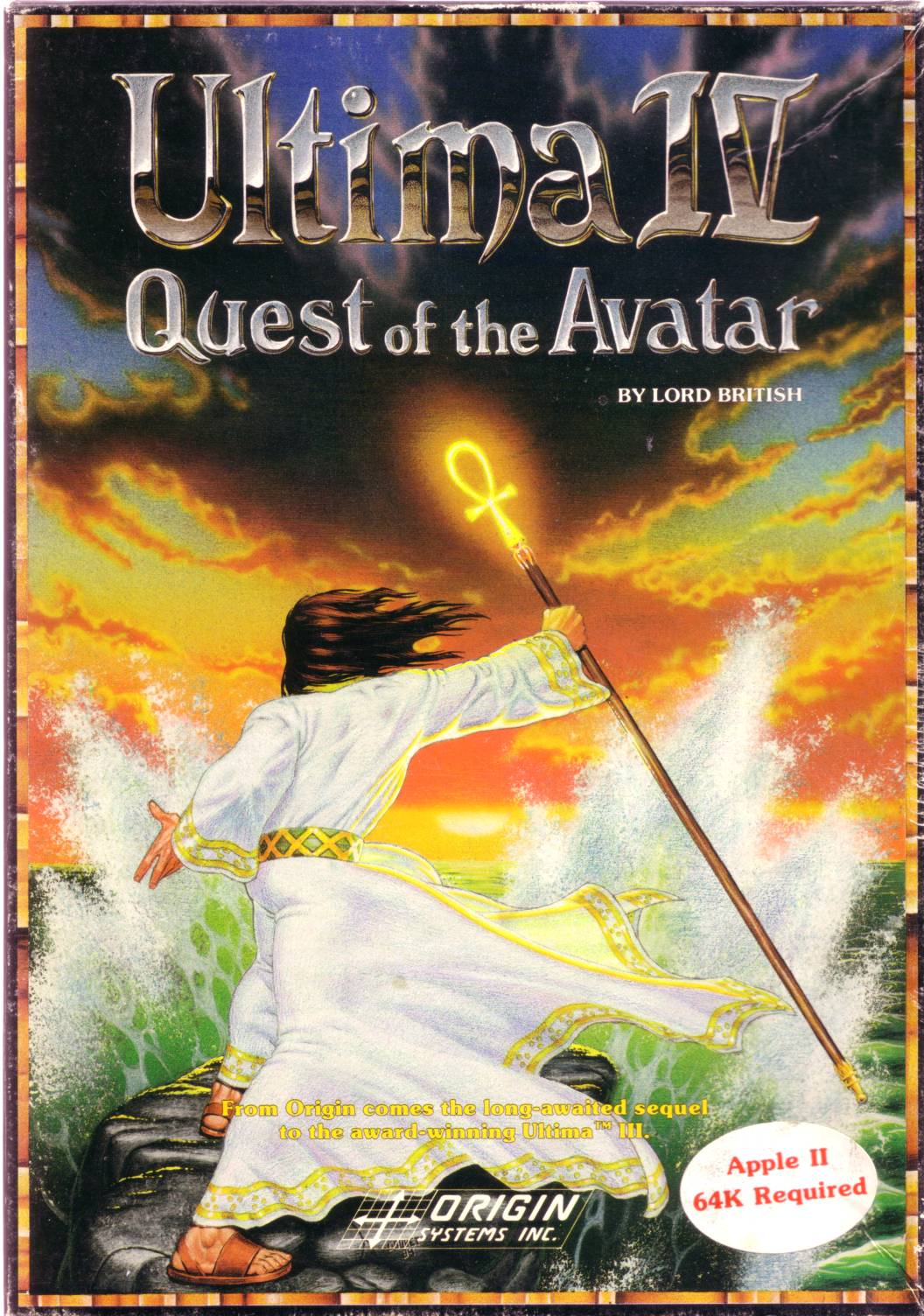
Long before there was Heavy Rain, there was Ultima IV, and in Chapter 2, Mark Hayse explores its ability to push the moral envelope of video games. Hayse adds of increasingly morally complex games: “Grand Theft Auto offers a cautionary tale, a way not to be. Although many video games today incorporate moral economies, their designers tend to make them more explicit than implicit” (38). A strength of Ultima IV, Hayse argues, is its ability to keep these moral implications veiled. In Chapter 3, Rachel Wagner reveals why so many Christians might have a problem with video games…they require something of an open-ended narrative, or at least require multiple paths to a pre-determined ending. Wagner points to the literal interpretation of Scripture that many of video games’ harshest critics support. Wagner writes, “Film, due to its own fixed trajectory, is thus more suitable to theological inevitability than games, since film more readily parallels the Christian view of time as shaped by God in a predetermined linear trajectory” (49). Of course, there are numerous Christian views of time that are far from linear or predetermined. In Chapter 4, Heidi Campbell explores the phenomenon of “Islamogaming,” whereby Muslims incorporate video games for religious education, “image-correction,” and political, social, or religious solidarity.

In perhaps the most interesting chapter of the book, Kutter Callaway explores the theological implications of the Nintendo Wii. After beginning with a history of gaming consoles, Callaway focuses on the Wii as symbolic of the Spirit’s movement (and desire to move) in the world. Playing the Wii is an embodied and inspirited experience as it is, Callaway argues, somatic, holistic, and affective. However, as with some other chapters, I wish Callaway would have taken a risk to further explain or imagine how “we might develop our theological understanding of these experiences as devotional practices” (88). Chapter 6 contains an interesting conversation with Rand Miller (co-creator along with his brother of Myst) and Marty O’Donnell (music composer for Halo), two Christian game developers. This interview is further proof of the possible unnecessary existence of an alternative Christian video game industry when committed Christians are doing such phenomenal work in the wider video game industry.
In Chapter 7, Matthew Kitchen challenges the very notion of sport itself by reflecting on the emerging field of competitive gaming as a potential sport itself. In Chapter 8, Andrew McAlpine challenges the notion of video games as art by drawing a distinction, for one, between creating music and repeating it in games like Guitar Hero. McAlpine writes, “[…The fact remains] that the experience of playing a game is entirely separate from the aesthetic experience of interacting with art” (129). There are games that are increasingly more experiential in the sense that McAlpine might mean as opposed to the interactive experience of traditional games. Such gaming evolutions will further challenge McAlpine’s arguments.

In Chapter 9, Kevin Newgren examines BioShock as a locus for serious discussions of bioethics and utilitarianism, yet again revealing the success of a “secular” video game where specifically religious ones so often fail. He also questions, along the way, the very ethics of religious video games that present a “cleaner” alternative: “While Left Behind attempts to offer good morals, it ultimately demeans women no differently than games like Grand Theft Auto, which allow players to beat up prostitutes” (141). In Chapter 10, Jason Shim discusses rituals in online communities like Second Life. Are they as real as first life rituals? In Chapter 11, Daniel White Hodge attempts to outline a theology for gamers through a series of interviews with and observations of self-professed gamers. Hodge points to the experiences of the numinous, mystery, and fantasy that video games provide their most committed devotees. In Chapter 12, John W. Morehead discusses “Cybersociality” and connects fun to the play of God, drawing on discussions of play, imagination, and creation.

In his conclusion, Detweiler looks to the religious future and video games’ implications for it. These include both interfaith and “intrafaith” challenges. Detweiler links gamers’ lack of concern for the game manual (preferring to pick up and play) to a changing approach to reading scripture: “Instead of convincing kids to start their day with a devotion, perhaps we have to shift the emphasis to the end of the day–looking back” (191). He also adds, “Questions of pluralism will only rise as the gamer generation comes of age” (194). In the appendix, Kara Powell and Brad M. Griffin offer guidelines for productive conversations about video games for parents and teens. As such, Halos and Avatars proves to be not only the first text to link theology and video games, but a must read for any teenager or adult, parent, minister, or scholar interested in not only video games but theology and popular culture as well.
Previous Post

February 15, 2010
The Hound of Heaven
Next Post
February 18, 2010 A Pop Theology Conversation with Craig Detweiler
Browse Our Archives
Select a Category Classics DVD Film Music News Pop Culture Events Print Sports Television Uncategorized Video Games
Select a Month March 2017 February 2017 January 2017 December 2016 November 2016 October 2016 September 2016 August 2016 July 2016 June 2016 May 2016 April 2016 March 2016 February 2016 January 2016 December 2015 November 2015 October 2015 September 2015 August 2015 July 2015 June 2015 May 2015 April 2015 March 2015 February 2015 January 2015 December 2014 November 2014 October 2014 September 2014 August 2014 July 2014 June 2014 May 2014 April 2014 March 2014 February 2014 January 2014 December 2013 November 2013 October 2013 September 2013 August 2013 July 2013 June 2013 May 2013 April 2013 March 2013 February 2013 January 2013 December 2012 November 2012 October 2012 September 2012 August 2012 July 2012 June 2012 May 2012 April 2012 March 2012 February 2012 January 2012 December 2011 November 2011 October 2011 September 2011 August 2011 July 2011 June 2011 May 2011 April 2011 March 2011 February 2011 January 2011 December 2010 November 2010 October 2010 September 2010 August 2010 July 2010 June 2010 May 2010 April 2010 March 2010 February 2010 January 2010 December 2009 November 2009 October 2009 September 2009 August 2009 July 2009 June 2009 May 2009 April 2009 March 2009 February 2009 January 2009 December 2008 November 2008 October 2008 September 2008 August 2008 July 2008 June 2008 May 2008 April 2008 March 2008 February 2008 January 2008 December 2007 November 2007 October 2007 September 2007 August 2007 July 2007 June 2007 May 2007 April 2007 March 2007
Follow Us!
TAKE THE
Religious Wisdom Quiz
According to Paul, what is the "root of all kinds of evil"?
Select your answer to see how you score.
Worry Love of learning The love of money Fear of God
Related posts from Pop Theology


#KillerSerials: An Interview with Kutter Callaway

Book Review: MUSLIMS AND THE MAKING OF AMERICA

TRENDING AT PATHEOS Progressive Christian

Why Christians Have a Sacred Duty to Vote:...
The Bible offers strong support for the sacred duty to vote. Here...

What Being a Modern-Day Apostle Means to Me
In my last column, I discussed the ins and outs of modern-day...

Did Ancient China Once Worship the God of...
Across human history, a common thread weaves through the origins of the...

Love Your Neighbor – Including Earth-Kin: Lev. 19,...
God’s command to love your neighbor means acting in an ethical and...

Lead a Church Study of “Jesus and Lao...
Guest writer Jack Thomas (The Irreverent Reverend) reflects on leading his church...

Principles for Understanding the Apostolic Ministry Today
Whenever people discover that my formal ministry title is "apostle," as in...
view all Progressive Christian blogs
Ad-Free & Subscriber Log-In Subscription Support
- About Us
- 2026 Calendar
- Videos
- Podcasts
- Library of World Religions
- Faith In Media Tracker
- Advertise With Us
- Write for Us
- Privacy Policy
- Terms of Service
- Do Not Sell My Data
- Contact Us
- Radiant Digital
- Manage Newsletter Subscriptions
- Unsubscribe From Notifications
- Sitemap
Copyright 2008-2026, Patheos. All rights reserved.
Subscription Support Ad-Free & Subscriber Log-In
Follow Patheos