
BuddhistCatholicContemplativeEvangelicalGeneral ChristianHinduJewishLatter-day SaintMuslimNew VisionsProgressive Christian
Beliefs
- Buddhist
- Catholic
- Contemplative
- Evangelical
- General Christian
- Hindu
- Jewish
- Latter-day Saint
- More Voices
- Muslim
- New Visions
- Pagan
- Progressive Christian
Topics
- Religion News
- Food and Religion
- Sports and Religion
- Religious Art
- Religious Music and Entertainment
- Religious Events
- History and Religion
- Style and Religion
- Politics and Religion
- Women in Religion
- Recreation Outdoors and Religion
- Business Finance and Religion
- Careers Workplace and Religion
- Education and Religion
- Family Parenting and Religion
- Health Fitness and Religion
- Home and Religion
- Relationships and Religion
- Technology and Religion
- Travel and Religion
Columnists
- Buddhist Columnists
- Business Finance and Religion Columnists
- Careers Workplace and Religion Columnists
- Catholic Columnists
- Contemplative Columnists
- Education and Religion Columnists
- Evangelists Columnists
- Family Parenting and Religion Columnists
- General Christian Columnists
- Health Fitness and Religion Columnists
- Hindu Columnists
- History and Religion Columnists
- Home and Religion Columnists
- Jewish Columnists
- More Voices Columnists
- Latter Day Columnists
- Muslim Columnists
- New Visions Columnists
- Nonreligious Columnists
- Pagan Columnists
- Politics and Religion Columnists
- Progressive Columnists
- Recreation Outdoors and Religion Columnists
- Relationships and Religion Columnists
- Religion News Columnists
- Religious Art Columnists
- Religious Events Columnists
- Religious Music and Entertainment Columnists
- Sports and Religion Columnists
- Style and Religion Columnists
- Technology and Religion Columnists
- Travel and Religion Columnists
- Women in Religion Columnists
Resource Library
- 2026 Calendar
- Library of World Religions
- The 100 Most Holy Places on Earth
- Patheos Answers
- Podcasts
- Videos
- Faith Leaders Database
- Anglican Episcopalian
- Bahai
- Baptist
- Buddhism
- Christianity
- Confucianism
- Eastern Orthodoxy
- Hinduism
- Holiness and Pentecostal
- ISKCON
- Islam
- Judaism
- Lutheran
- Methodist
- The Church of Jesus Christ of Latter-day Saints
- New Age
- Paganism
- Presbytarian and Reformed
- Protestantism
- Religion Behind the Scenes
- Roman Catholic
- Scientology
- Shia Islam
- Sikhism
- Sufism
- Sunni Islam
- Taoism
- Zen
- See all religions
Research Tools
 Ad-Free & Subscriber Log-In Subscription Support
Ad-Free & Subscriber Log-In Subscription Support
Follow Patheos 

- Trending:
- Forgiveness
- |
- Marriage
- |
- Consciousness
- |
- Death Penalty
- |
- Election
- |
- Halloween
 Ponder Anew
- Home
- Evangelical
- Pondering the Future of Traditional Worship
Pondering the Future of Traditional Worship
Last updated on: February 15, 2017 at 3:38 pm by Jonathan Aigner
Pondering the Future of Traditional Worship 2017-02-15T15:38:12-05:00 Jonathan Aigner
Patheos Explore the world's faith through different perspectives on religion and spirituality! Patheos has the views of the prevalent religions and spiritualities of the world.
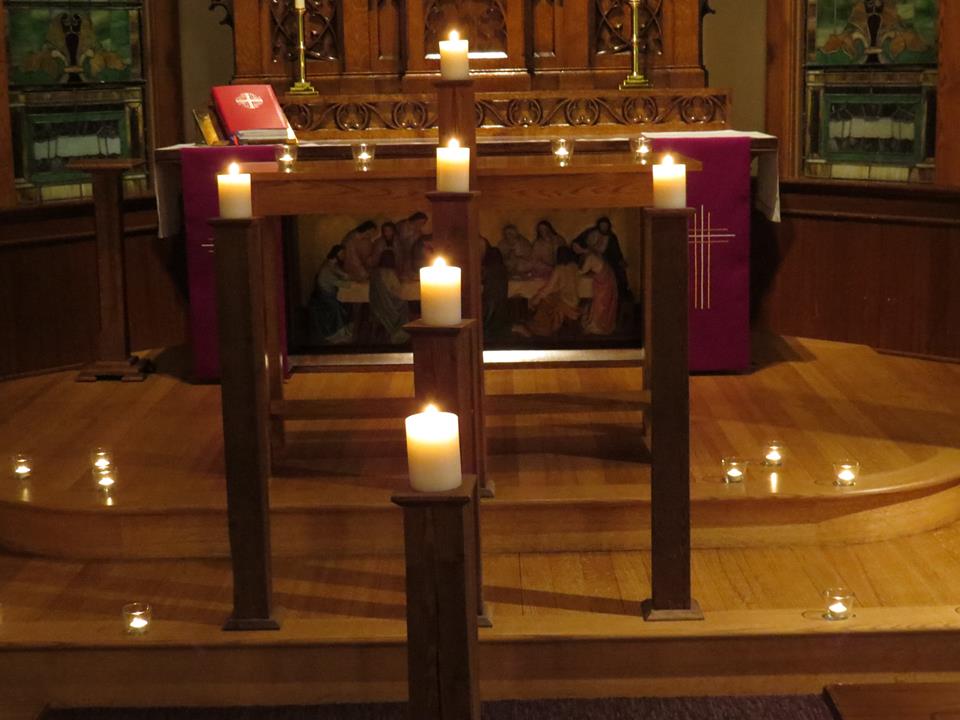
I’m happy to report that good church music and thoughtful traditional worship are alive and well in the great state of Wisconsin.
I want to send my appreciation to the good folks of the Madison chapter of the Association of Church Musicians for inviting me to share a meal and conversation with them last Friday. I am delighted and honored by their hospitality toward my wife and I. Here is a brief summation of the points I brought up, influenced by the great discussion we had.
Wisconsin cheese is a good and perfect gift from God.
Worship labels are misleading and unhelpful, including the one in this post’s title. There really is no such thing as traditional worship or contemporary worship, and if that’s what we think we’re doing, we aren’t worshiping as we ought. If we’re engaged in Christian worship, our worship is historical, because we recognize the apostolic train that connects us with our Author and Finisher. Our worship is contemporary, because we’re doing it now, alongside our sisters and brothers around the globe. And our worship looks to the future, and the new heaven and earth.
Liturgy is not one of several worship options. Liturgy IS how the church worships. Call it traditional worship if you must, but really, it’s just “worship.”
Building worship silos, or offering multiple worship options, divide the church unnecessarily.
Contemporary worship borrows more from commercial entertainment sources than it does from Holy Scripture or the liturgy of the church.
Contemporary worship tends to bring growth that is proportionate to its entertainment value, and even then the growth is unstable, volatile, and subject to reversal.
Young people, so-called “millennials,” often find the church’s attempts at commercial entertainment to be lame, cheesy, and derivative. There is a huge portion of the younger generation that has been alienated by church theatrics, and is parched for an alternative. Thus, there is abundant hope for the future of non-commercial worship.
The church must be taught both how to sing, the difference between making music and consuming music, and that church music is a discipline. Not long ago, hymns like “Praise to the Lord, the Almighty” were sung almost everywhere by almost everyone. Today, “Good Good Father” is sung almost everywhere by almost everyone. That should be alarming to anyone who genuinely cares about worship in the church. We can do better.
The great tradition of hymnody has historically incorporated the best from other generations and streams of song into its ranks. Contemporary worship music incorporates hymns here and there, but must remake them into a commercial style.
In trying to make itself relevant to the broader culture, the church has made itself completely irrelevant. Cultural ugliness is never the church’s solution. The liturgy is the great alternative to cultural ugliness.
Attaching pragmatic and practical purposes to worship makes it something other than true worship. Worship is a waste of time. Our culture will see it as foolishness. This shouldn’t surprise or embarrass us.
Contemporary worship culture has made a sacrament out of its music. It says that worship has to invoke the spirit of the greater American culture in order for anyone to get it. Music is the number one tool that churches try to use to usher in a perception of divine connection. For them, and I’m convinced by this, contemporary music becomes a substitute Sacrament. Through their music, they allow themselves to be carried away on an emotional level into a perceived sensory connection with the divine. Music is the bread and wine of the contemporary church. But Jesus couldn’t have been much more clear when he said “This is my body and blood.” That is our connection, not music. Music adds a valuable dimension, but it doesn’t usher us into God’s presence. It’s tempting for musicians to try and be the main draw, but that turns what we do just another form of pseudo-holy entertainment. What Jesus does at bread and wine promises to engage those who have eyes to see and ears to hear.
It’s time for a liturgical revolution!
Photo:
St. James Lutheran Church; Verona, WI
Previous Post
January 28, 2017
Dear Baylor: How Can You Talk about Football at a Time Like This?

Browse Our Archives
Select a Category Church of St. YouTube congregational singing congregational song contemporary critiques corporate worship Hymn of the Week hymn singing hymnody and hymnology hymns masturbatory worship Uncategorized worship Worship Quotes
Select a Month February 2023 January 2023 October 2022 September 2022 April 2022 February 2022 January 2022 December 2021 July 2021 June 2021 May 2021 April 2021 January 2021 December 2020 November 2020 July 2020 June 2020 May 2020 April 2020 March 2020 February 2020 January 2020 November 2019 September 2019 July 2019 June 2019 May 2019 April 2019 March 2019 February 2019 January 2019 December 2018 November 2018 October 2018 September 2018 August 2018 July 2018 June 2018 May 2018 April 2018 March 2018 February 2018 January 2018 December 2017 October 2017 September 2017 August 2017 July 2017 June 2017 May 2017 April 2017 March 2017 February 2017 January 2017 December 2016 November 2016 October 2016 September 2016 July 2016 June 2016 May 2016 April 2016 March 2016 February 2016 January 2016 December 2015 November 2015 October 2015 September 2015 August 2015 July 2015 June 2015 May 2015 February 2015 January 2015 December 2014 October 2014 September 2014 August 2014 July 2014
Follow Us!
TAKE THE
Religious Wisdom Quiz
How many stringed instruments were used in the Temple?
Select your answer to see how you score.
7 5 3 10
Related posts from Ponder Anew

Hymn of the Day: Love Divine, All Loves...

Hymn of the Day: Christ, Whose Glory Fills...
Hymn of the Day: Where Cross the Crowded...
Hymn of the Day: Open Now Thy Gates...
TRENDING AT PATHEOS Evangelical

The REST of Your Life: A Creative Wrestles...
This week I had a conversation with a good friend from church....

How the author of the world's best hymn...
I've been working with John Newton for a while now. This makes...

Long before this Lectio Divina, Psalm 130 - the song - started...

What About the Trees? Another Living Parable
After I finished writing the last article about falling leaves as a...

Why Classical Education Is a Conversation, Not a...
Come and Read: Joy in Classical Education When I was a little...

Cornell University has received a great deal of negative publicity and intense...
view all Evangelical blogs
Ad-Free & Subscriber Log-In Subscription Support
- About Us
- 2026 Calendar
- Videos
- Podcasts
- Library of World Religions
- Faith In Media Tracker
- Advertise With Us
- Write for Us
- Privacy Policy
- Terms of Service
- Do Not Sell My Data
- Contact Us
- Radiant Digital
- Manage Newsletter Subscriptions
- Unsubscribe From Notifications
- Sitemap
Copyright 2008-2026, Patheos. All rights reserved.
Subscription Support Ad-Free & Subscriber Log-In
Follow Patheos