
BuddhistCatholicContemplativeEvangelicalGeneral ChristianHinduJewishLatter-day SaintMuslimNew VisionsProgressive Christian
Beliefs
- Buddhist
- Catholic
- Contemplative
- Evangelical
- General Christian
- Hindu
- Jewish
- Latter-day Saint
- More Voices
- Muslim
- New Visions
- Pagan
- Progressive Christian
Topics
- Religion News
- Food and Religion
- Sports and Religion
- Religious Art
- Religious Music and Entertainment
- Religious Events
- History and Religion
- Style and Religion
- Politics and Religion
- Women in Religion
- Recreation Outdoors and Religion
- Business Finance and Religion
- Careers Workplace and Religion
- Education and Religion
- Family Parenting and Religion
- Health Fitness and Religion
- Home and Religion
- Relationships and Religion
- Technology and Religion
- Travel and Religion
Columnists
- Buddhist Columnists
- Business Finance and Religion Columnists
- Careers Workplace and Religion Columnists
- Catholic Columnists
- Contemplative Columnists
- Education and Religion Columnists
- Evangelists Columnists
- Family Parenting and Religion Columnists
- General Christian Columnists
- Health Fitness and Religion Columnists
- Hindu Columnists
- History and Religion Columnists
- Home and Religion Columnists
- Jewish Columnists
- More Voices Columnists
- Latter Day Columnists
- Muslim Columnists
- New Visions Columnists
- Nonreligious Columnists
- Pagan Columnists
- Politics and Religion Columnists
- Progressive Columnists
- Recreation Outdoors and Religion Columnists
- Relationships and Religion Columnists
- Religion News Columnists
- Religious Art Columnists
- Religious Events Columnists
- Religious Music and Entertainment Columnists
- Sports and Religion Columnists
- Style and Religion Columnists
- Technology and Religion Columnists
- Travel and Religion Columnists
- Women in Religion Columnists
Resource Library
- 2026 Calendar
- Library of World Religions
- The 100 Most Holy Places on Earth
- Patheos Answers
- Podcasts
- Videos
- Faith Leaders Database
- Anglican Episcopalian
- Bahai
- Baptist
- Buddhism
- Christianity
- Confucianism
- Eastern Orthodoxy
- Hinduism
- Holiness and Pentecostal
- ISKCON
- Islam
- Judaism
- Lutheran
- Methodist
- The Church of Jesus Christ of Latter-day Saints
- New Age
- Paganism
- Presbytarian and Reformed
- Protestantism
- Religion Behind the Scenes
- Roman Catholic
- Scientology
- Shia Islam
- Sikhism
- Sufism
- Sunni Islam
- Taoism
- Zen
- See all religions
Research Tools
 Ad-Free & Subscriber Log-In Subscription Support
Ad-Free & Subscriber Log-In Subscription Support
Follow Patheos 

- Trending:
- Forgiveness
- |
- Marriage
- |
- Consciousness
- |
- Death Penalty
- |
- Election
- |
- Halloween
 Poisoner's Apothecary
- Home
- Pagan
- Purification Plant Magic for the Spring Equinox
Purification Plant Magic for the Spring Equinox
Last updated on: March 19, 2019 at 8:22 am by Coby Michael Ward
Purification Plant Magic for the Spring Equinox 2019-03-19T08:22:23-04:00 Coby Michael Ward
Patheos Explore the world's faith through different perspectives on religion and spirituality! Patheos has the views of the prevalent religions and spiritualities of the world.
The Spring Equinox is important to the plant magician or green witch for a number of reasons. First and foremost it is the beginning of the growing season, time to start seeds, prepare soil and plan out our gardens. All of these practices can be ritualized, and by utilizing specific plants for their sanctifying properties we are able to provide fertile ground both physically and magically for optimum yields. Planting seeds, awakening the life within their tiny little bodies is an act of magic in its own right. Through germination methods we can mimic the ideal conditions necessary to awaken even the most stubborn of plant spirits. In addition to fertilization and turning the soil, green practitioners will often lay out their flower beds in a ritual grid, often adding crystals, bones and other more permanent charms to the soil. Ritual fumigation using the smoke of these sacred herbs may also be performed. Offerings may be made to the spirits of the land by digging offering pits or shafts and depositing libations of milk and honey directly into the earth. Another method is to build a ritual fire over the intended planting are to make offerings via the flames. Allowing the fire to burn down to ash and turning the remains into the soil is beneficial for many plants, and can help to change to soil’s pH.
Sacred Plants of Purification
Certain plants have been used throughout history for their cleansing and sanctifying properties. Many of them naturally fight disease, protect against parasites and inhibit the growth of bacteria. Through their sympathetic magic, they raise the vibration through intention to create sacred space. In additional to being herbs of purification, many are also healing, protective and inviting to beneficent spirits.
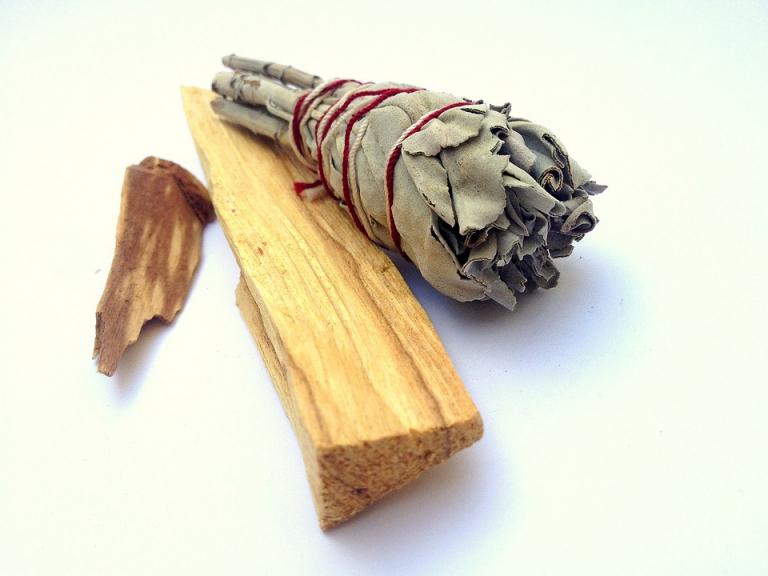 Palo santo wood. pixabay.com
Palo Santo- Bursera graveolens: These fragrant wooden sticks are becoming just as popular in New Age circles as White Sage, and are used in much the same way. The fragrant wood can also be hung or placed in an area to slowly release its scent and cleansing power. In Spanish, palo santo means “holy wood.” It is used in Central and South America where it is native to combat negative energy. It cleanses a space, making it sacred by removing misfortune, negative thoughts and emotions, and has been used to chase away evil spirits. Traditionally only fallen branches are harvested for use, and they must go through a curing period. it is believed that they must sit for 4-10 years before their medicinal and magical effects are activated. Lighting strikes, further enhance the power of the wood and are much coveted. High demand has resulted in increased production and farming of the trees that produce Palo Santo. They are related to Frankincense, Myrrh and Copal; part of the Burseraceae family.
Palo santo smoke is used to keep away mosquitos and other insects, and medicinally it is used for a wide range of symptoms for which it offers relief. As a medicinal smoke it relieves symptoms of cold and flu, stress, asthma, headache, anxiety, depression, inflammation and emotional pain.
Thyme: Thymus vulgaris: Used for its protective and cleansing properties, Thyme also inhibits the growth of bacteria and fungi. It was employed by the Romans to purify rooms. Its name comes from the Greek word meaning, “to make a burnt offering.”
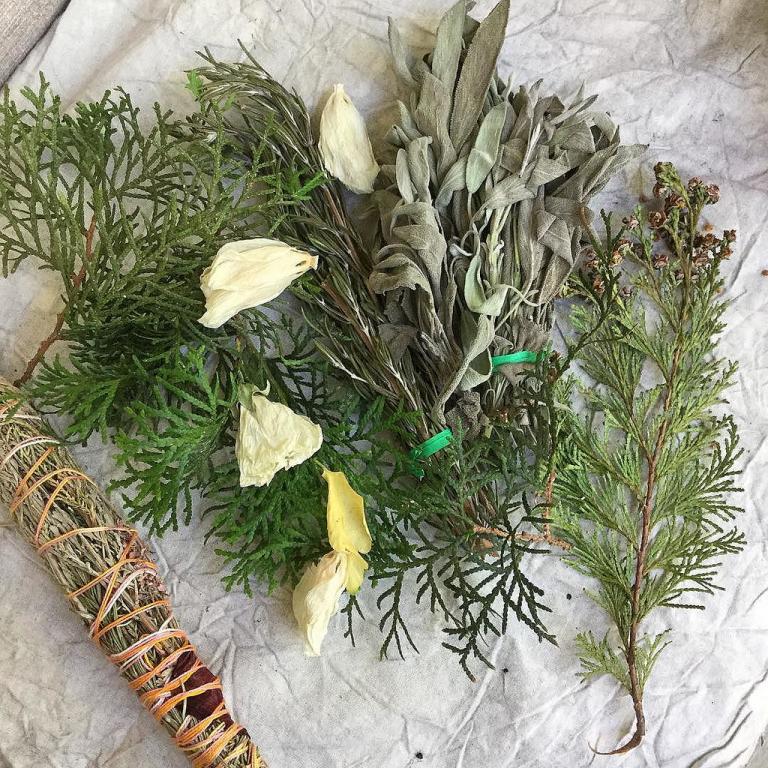 Cedar and various smudging herbs. Flickr.
Red Cedar- Juniperus virginiana: Cedar wood is used to make closets, chests and armoires because of its ability to repels bugs and inhibit the growth of mold. It protects clothing, documents and other fibrous material from damage. It has been used by ancient cultures in the embalming process for its preservative capabilities. This Solar tree is masculine in nature, and represents male divinity. Cedar of Lebanon was highly prized in ancient times and was said to have been used in the construction of the Hanging Garden of Babylon and in Solomon’s Temple. It is a most popular and widely used ritual incense in Mesopotamia and by Native American cultures. The scent promotes spiritual consciousness and deepens our contact with the divine.
Juniper- Juniperus communis: Juniper has been used throughout the Old World for protection, purification, and healing. It was used in ancient Sumer, Babylon and Egypt to honor deities and is used throughout norther Europe in recaning rituals. Recaning is also spelled reconning (reek-en-ing), and is the Northern European equivalent to smudging, known in Scotland and Ireland as saining. Juniper is also a solar and fiery plant, and is associated with both male and female energies. It is a plant of the Sun, but also of the Underworld. It can be used medicinally to detoxify the body, like many other cleansing herbs. Its essential oil is antiseptic and destroys parasites. Use Juniper to purify the home and purge it of negativity.
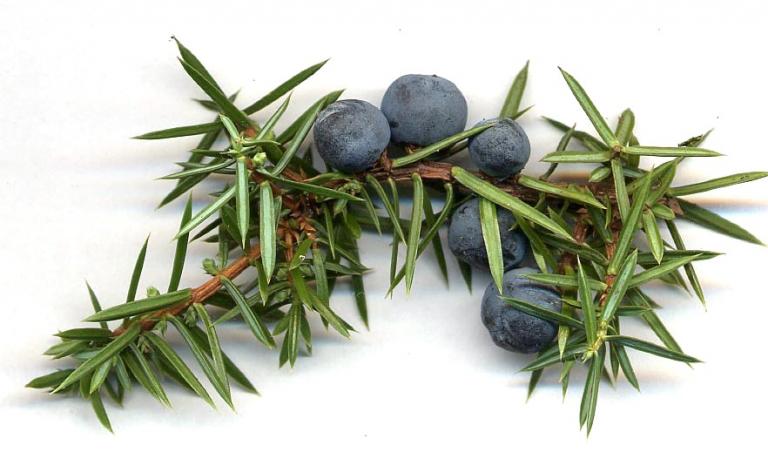
Juniper. Wikipedia.
Lavender-Lavandula spp.: Lavender is a well known herb, commonly used for its relaxing effects. It is associated with the element of air and the planet Mercury. It is sacred to Hermes and Hekate, and like many plants contains both light and dark virtues. It is mostly known for its healing and calming energies, and can be burned for purification or to asperge blessed water. The essential oil deters fleas and moths. It is antiseptic and antibiotic, healing cuts, burns, bites etc. It is also naturally detoxifying, and is one of the safest essential oils. Lavender invites tranquil, soothing energy and cleans the air making it perfect for purification, especially after a long winter.
Myrtle-Myrtus communis:** An herb of Venus and the Moon, Myrtle is used in rituals of love, fertility, and is used to enhance youth, bring peace and attract money. As an herb used in cleansing it has the benefit of creating a peaceful and loving atmosphere. It was used in ancient Roman festivals dedicated to the goddess Venus, in which women bathed in Myrtle scented baths and wore wreaths of the plant material.
Mugwort– Artemesia vulgaris**: A quintessential witching herb, Mugwort has many uses of interest to the magical practitioner. Mugwort is used for spiritual cleansing, protection, healing and consecration. It is associated with the Full Moon and the Summer Solstice, although it is used throughout the year. It is one of the Nine Sacred Herbs of Germanic lore. Smudge sticks can be made from bundles of dried Mugwort, and wands can be fashioned from large mature stalks. It is also left as an offering on the shrine, and placed around tools used for divination. It is quick to burn, and makes good kindling for sacred fires. The plant infusion is traditionally used in washes for spiritual objects, amulets, psychic tools and the like. In Northern Traditions, Mugwort is known as the plant of Midgard. It is used in purifying magic to create a sacred space, and ensure the return of a journeying spirit to the Middle Realm.
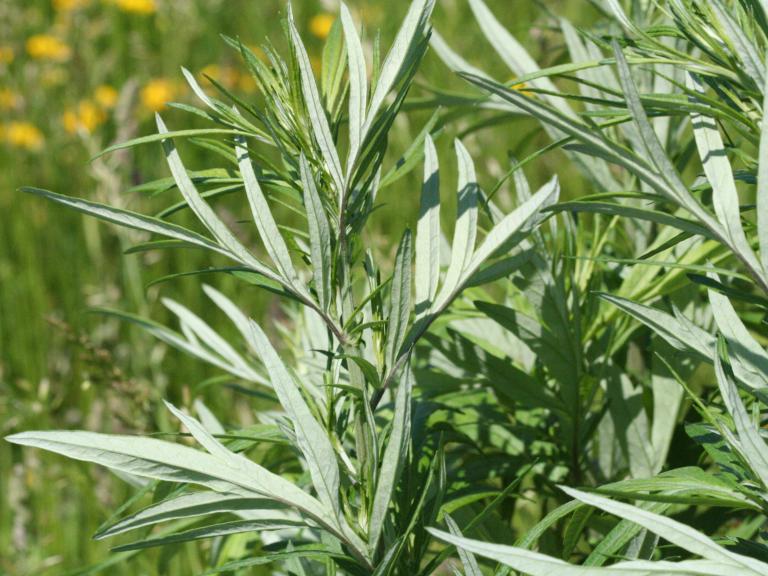 Mugwort. Wikipedia commons.
As the weather gets nicer, Springtime is our first opportunity since late fall to get outdoors and connect with the awakening spirits of the growing half of the year. This is the perfect time to perform cleansing and rededication rituals to pursue your goals for the new seasons. Take advantage of this time to make offerings and renew your relationship with the spirits of the land as they awaken from their wintry sleep.
References:
northernshamanism.org/the-nine-sacred-herbs.htm
circlesanctuary.org/index.php/circle-magazine/sample-articles/ritual-tools-sacred-work-with-mugwort
Previous Post

March 16, 2019
Of the Nightshades: Interview with Ian Vertel
Next Post

April 2, 2019 Bane & Beauty: An Interview With Dylan Pierce
Browse Our Archives
Select a Category alchemy astrology Community Outreach and Events Current Events Featured Practitioners Gods and Goddesses green magic Green Witchcraft herbalism History of the Devil luciferian tradition Magic Magic and Ritual Magic and Witchcraft in History Magical Community magical herbalism Medieval Herbalism Metaphysics Modern Witchcraft natal charts natural magic Northern Traditions Occult Art Occult Artifacts Occultism pagan authors Pagan Community Pagan Holidays pagan philosophy Pagan Sightseeing Paganism Personal Practice planetary glyphs planetary symbols Recommended Reading Sabbatic Witchcraft samhain satanism Spells The Armchair The Poison Path Traditional Witchcraft Uncategorized Veneficium wicca witch's practice Witchcraft witches' sabbats
Select a Month December 2022 September 2022 August 2022 July 2022 March 2022 February 2022 January 2022 December 2021 October 2021 September 2021 August 2021 July 2021 May 2021 April 2021 March 2021 January 2021 December 2020 October 2020 September 2020 July 2020 June 2020 May 2020 April 2020 March 2020 February 2020 January 2020 December 2019 November 2019 October 2019 September 2019 August 2019 July 2019 June 2019 May 2019 April 2019 March 2019 February 2019 January 2019 December 2018 November 2018 October 2018 September 2018 August 2018 July 2018 June 2018 May 2018 April 2018 March 2018 February 2018 January 2018 December 2017 November 2017 October 2017 September 2017 August 2017 July 2017 June 2017 May 2017 April 2017 March 2017 February 2017 January 2017 December 2016 November 2016 October 2016 September 2016 August 2016 July 2016 June 2016 May 2016 March 2016 February 2016
Follow Us!
TAKE THE
Religious Wisdom Quiz
Who lay on his side for over a year as a prophetic sign?
Select your answer to see how you score.
Hosea Ezekiel Micah Daniel
Related posts from Poisoner's Apothecary

Interview with a Vampyre Witch: Alexis Pharae

Christian Rätsch, Undying Contributions to the Poison Path
Smoke Divination: The Art of Capnomancy
Witch City Tarot Gathering Re-Cap
TRENDING AT PATHEOS Pagan

I was recently chatting with someone on Instagram. She asked me what...

While there are many people who share their results, the end of...

On July 23, I saw Christopher Nolan's The Odyssey which is Homer’s...

As I write this two big events have just finished up. One...

Restoring the Watershed of Divine Love
Perhaps cooperation is not something we manufacture through legislation, ideology, or moral...

Many UUs don’t pray because of bad experiences in a previous religion,...
view all Pagan blogs
Ad-Free & Subscriber Log-In Subscription Support
- About Us
- 2026 Calendar
- Videos
- Podcasts
- Library of World Religions
- Faith In Media Tracker
- Advertise With Us
- Write for Us
- Privacy Policy
- Terms of Service
- Do Not Sell My Data
- Contact Us
- Radiant Digital
- Manage Newsletter Subscriptions
- Unsubscribe From Notifications
- Sitemap
Copyright 2008-2026, Patheos. All rights reserved.
Subscription Support Ad-Free & Subscriber Log-In
Follow Patheos