
BuddhistCatholicContemplativeEvangelicalGeneral ChristianHinduJewishLatter-day SaintMuslimNew VisionsProgressive Christian
Beliefs
- Buddhist
- Catholic
- Contemplative
- Evangelical
- General Christian
- Hindu
- Jewish
- Latter-day Saint
- More Voices
- Muslim
- New Visions
- Pagan
- Progressive Christian
Topics
- Religion News
- Food and Religion
- Sports and Religion
- Religious Art
- Religious Music and Entertainment
- Religious Events
- History and Religion
- Style and Religion
- Politics and Religion
- Women in Religion
- Recreation Outdoors and Religion
- Business Finance and Religion
- Careers Workplace and Religion
- Education and Religion
- Family Parenting and Religion
- Health Fitness and Religion
- Home and Religion
- Relationships and Religion
- Technology and Religion
- Travel and Religion
Columnists
- Buddhist Columnists
- Business Finance and Religion Columnists
- Careers Workplace and Religion Columnists
- Catholic Columnists
- Contemplative Columnists
- Education and Religion Columnists
- Evangelists Columnists
- Family Parenting and Religion Columnists
- General Christian Columnists
- Health Fitness and Religion Columnists
- Hindu Columnists
- History and Religion Columnists
- Home and Religion Columnists
- Jewish Columnists
- More Voices Columnists
- Latter Day Columnists
- Muslim Columnists
- New Visions Columnists
- Nonreligious Columnists
- Pagan Columnists
- Politics and Religion Columnists
- Progressive Columnists
- Recreation Outdoors and Religion Columnists
- Relationships and Religion Columnists
- Religion News Columnists
- Religious Art Columnists
- Religious Events Columnists
- Religious Music and Entertainment Columnists
- Sports and Religion Columnists
- Style and Religion Columnists
- Technology and Religion Columnists
- Travel and Religion Columnists
- Women in Religion Columnists
Resource Library
- 2026 Calendar
- Library of World Religions
- The 100 Most Holy Places on Earth
- Patheos Answers
- Podcasts
- Videos
- Faith Leaders Database
- Anglican Episcopalian
- Bahai
- Baptist
- Buddhism
- Christianity
- Confucianism
- Eastern Orthodoxy
- Hinduism
- Holiness and Pentecostal
- ISKCON
- Islam
- Judaism
- Lutheran
- Methodist
- The Church of Jesus Christ of Latter-day Saints
- New Age
- Paganism
- Presbytarian and Reformed
- Protestantism
- Religion Behind the Scenes
- Roman Catholic
- Scientology
- Shia Islam
- Sikhism
- Sufism
- Sunni Islam
- Taoism
- Zen
- See all religions
Research Tools
 Ad-Free & Subscriber Log-In Subscription Support
Ad-Free & Subscriber Log-In Subscription Support
Follow Patheos 

- Trending:
- Forgiveness
- |
- Marriage
- |
- Consciousness
- |
- Death Penalty
- |
- Election
- |
- Halloween
 Pointedly Pagan
- Home
- Pagan
- The role of esotericism in Pagan religion
The role of esotericism in Pagan religion
Last updated on: January 31, 2016 at 11:35 pm by Gus diZerega
The role of esotericism in Pagan religion 2016-01-31T23:35:41+00:00 Gus diZerega
Patheos Explore the world's faith through different perspectives on religion and spirituality! Patheos has the views of the prevalent religions and spiritualities of the world.
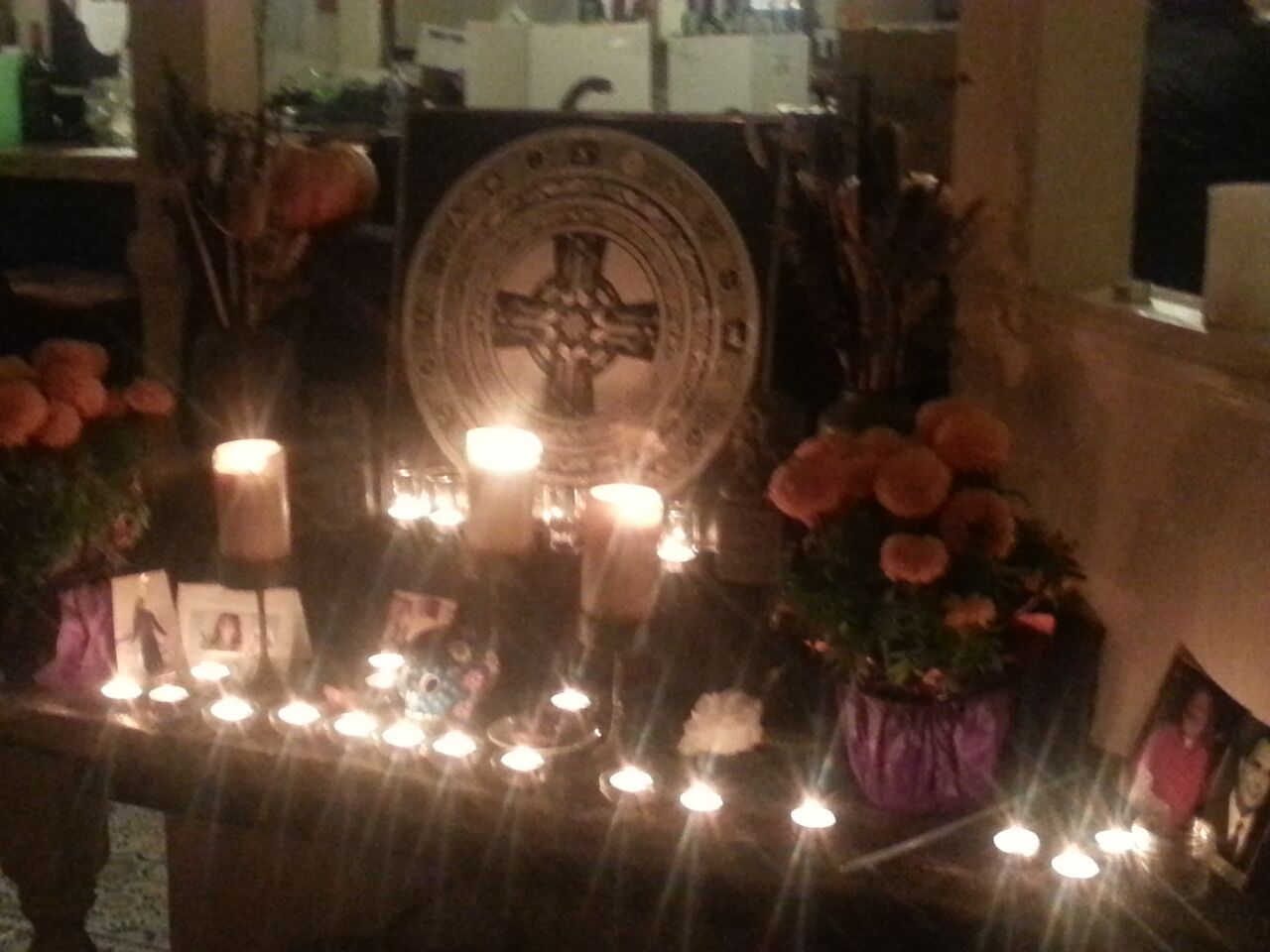
I had the good fortune to just come across a two-part article in Patheos by John Halstead in The Allergic Pagan. He explores whether there would be NeoPaganism in the US had Gerald Gardner never existed. He answers a resounding “yes,” and then makes a fascinating exploration of the similarities and differences that would exist today were that so. To my mind Halstead makes a compelling case that a Non-Wiccan NeoPaganism would arise and that it would (initially) be different in not incorporating what he called the “occult” or esoteric outlooks intrinsic to British Traditional Wicca.
I write “initially” here because at this point I think Halstead goes off track. He apparently treats magick and the esoteric as an optional add-on to Pagan religion. I believe he is wrong. The connection is far more intimate.
Esotericism is not Paganism as it can exist within almost any religion and NeoPaganism is a much larger container than Wicca. But Paganism in general, including NeoPaganism, is particularly receptive to esoteric traditions. This is because Pagans conceive and often experience the world as in some sense spiritually alive. This world is a place where we can hope to establish spiritually legitimate relationships with all manner of entities other than ourselves.
By contrast the Western Christian tradition considers the world basically inert and its spiritual forces, if any, likely to be allied with the Devil. Even while incorporating explicitly Christian terminology, Western esotericism long operated along the treacherous border separating the legal and Godly from the illegal and heretical or diabolical. Even after it became safe for esotericists to practice publicly, they never lost their taint in the popular eye of dealing with demons.
While popular Paganism does not focus much on esoteric matters, being primarily celebrational and devotional in its practices, esotericism is a modern exploration of practices long present among traditional Pagans as shamans, seers, mediums, and healers who served as intermediaries between the spirit world and the more mundane concerns of men and women. Newcomers often worked with more experienced teachers who gradually entrusted them with greater responsibilities. In this sense these traditional practitioners went through a series of what we today call initiations.
I am not arguing there is one-best-way to explore these dimensions, and “Western esotericism” (or any other) is that path. But it was within this community of practice, surviving through centuries of suppression by state and church that traditional knowledge for interacting with immanent forces and entities was maintained and passed on, while shaped further by the cultural milieu in which it existed. And this dimension of existence has always been an important dimension of Pagan religions.
Indeed existing Pagan religions retain skills and insights largely lost from within Western esotericism, with its largely Christian framework, but which certainly qualify as esoteric in Halstead’s sense of being “secret or hidden” and “availableonly to a small elect group . . . through intense study” and involving “hidden correspondences between levels of reality.”
Experience over dogma
I have had experiences that no Wiccan group of my acquaintance at the time could shed much light on,. It was only when I worked with African Diasporic traditions that I was able to bring the energies which had been opened to me under some control. My experience fit Halstead’s definition of working with an esoteric group. Once I learned them, I also could use them within a Wiccan context.
I can say something similar for a vision quest many years ago on Mt. Shasta. Among traditional Native Americans where this practice was widespread, my experience would be interpreted to me by elders. As it was I largely had to make sense of it on my own, a search that led to the work with that African Diasporic group. Both Native American and Africa Diasporic traditions share the qualities Halstead associated with Western esotericism.
In other words, certain conditions appear necessary for safely learning these practices, and these contexts are shaped by the culture and time in which they are taught. The reality is the same, the schools for exploring it differ in details, but are broadly similar.
While I like Halstead’s model of how esotericism and Paganism only partially overlap, I want to suggest a change in emphasis. He admits the lines separating esoteric Pagan practices from non-esoteric ones are porous and ill-defined. I will go further: minus what Halstead calls esotericism, Pagan religion, is radically incomplete. Let me offer an analogy to explain why.
From dandelions to grizzly bears
Consider a well executed purely celebratory/devotional Summer Solstice gathering as akin to a walk through a city park. Both are beautiful and safe, and require little knowledge of the person making the journey. Both can be deeply meaningful and fulfilling.
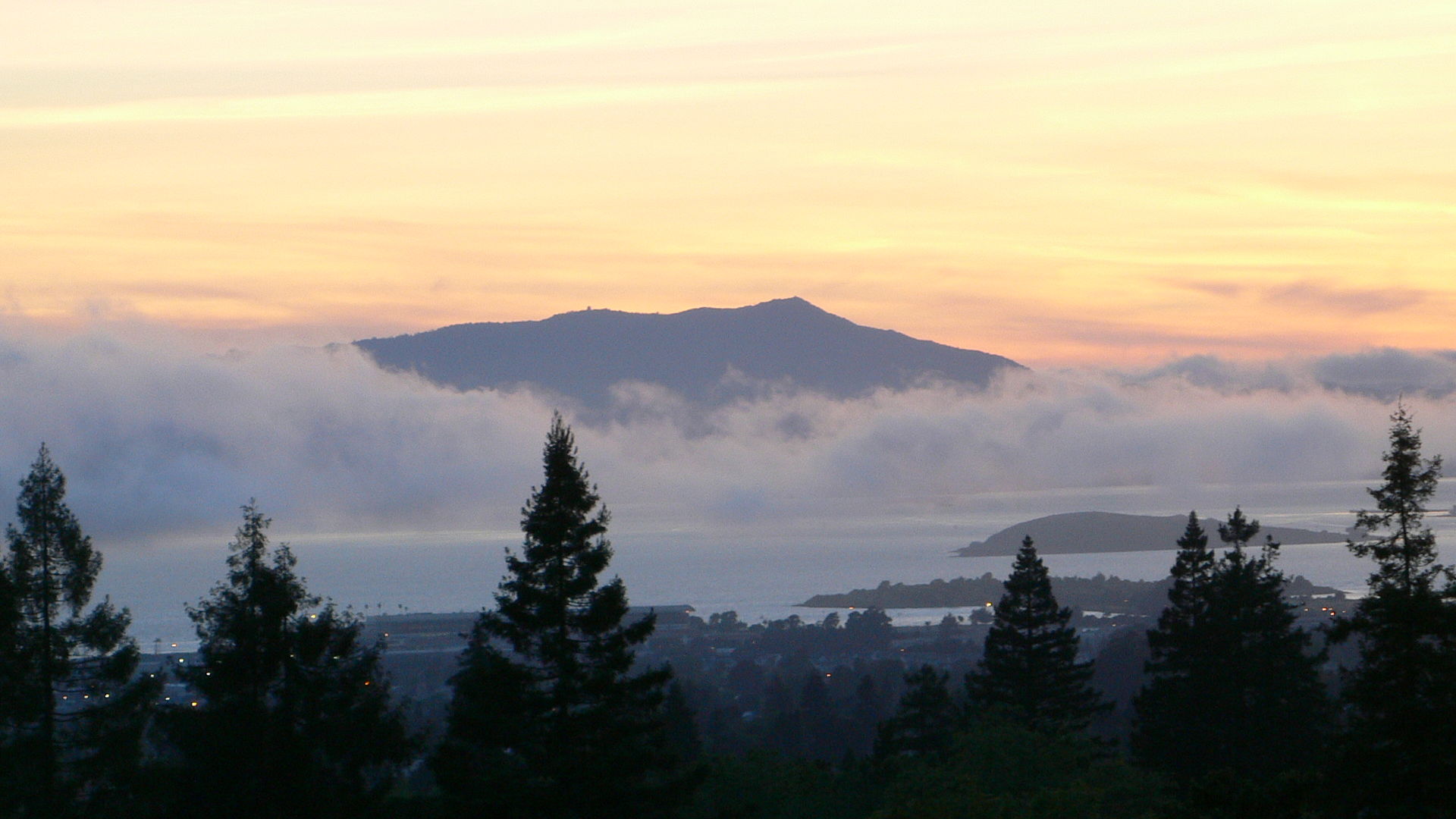
Mt. Tamalpais, California
https://en.wikipedia.org/wiki/Mount_Tamalpais#/media/File:Mount_tamalpais_from_berkeley.JPG
Suppose the person making this walk decides to visit a nearby state park such as Mt. Tamalpais here in northern California. The trails are more challenging, there is poison oak, and on very rare occasions a cougar. Making such a hike requires being in better physical shape and exercising greater judgment that taking a walk in the park. Of course a person could be in mediocre physical shape and exercise no judgment beyond staying on a trail and end up just fine. But if something should go amiss they will have an unpleasant experience.
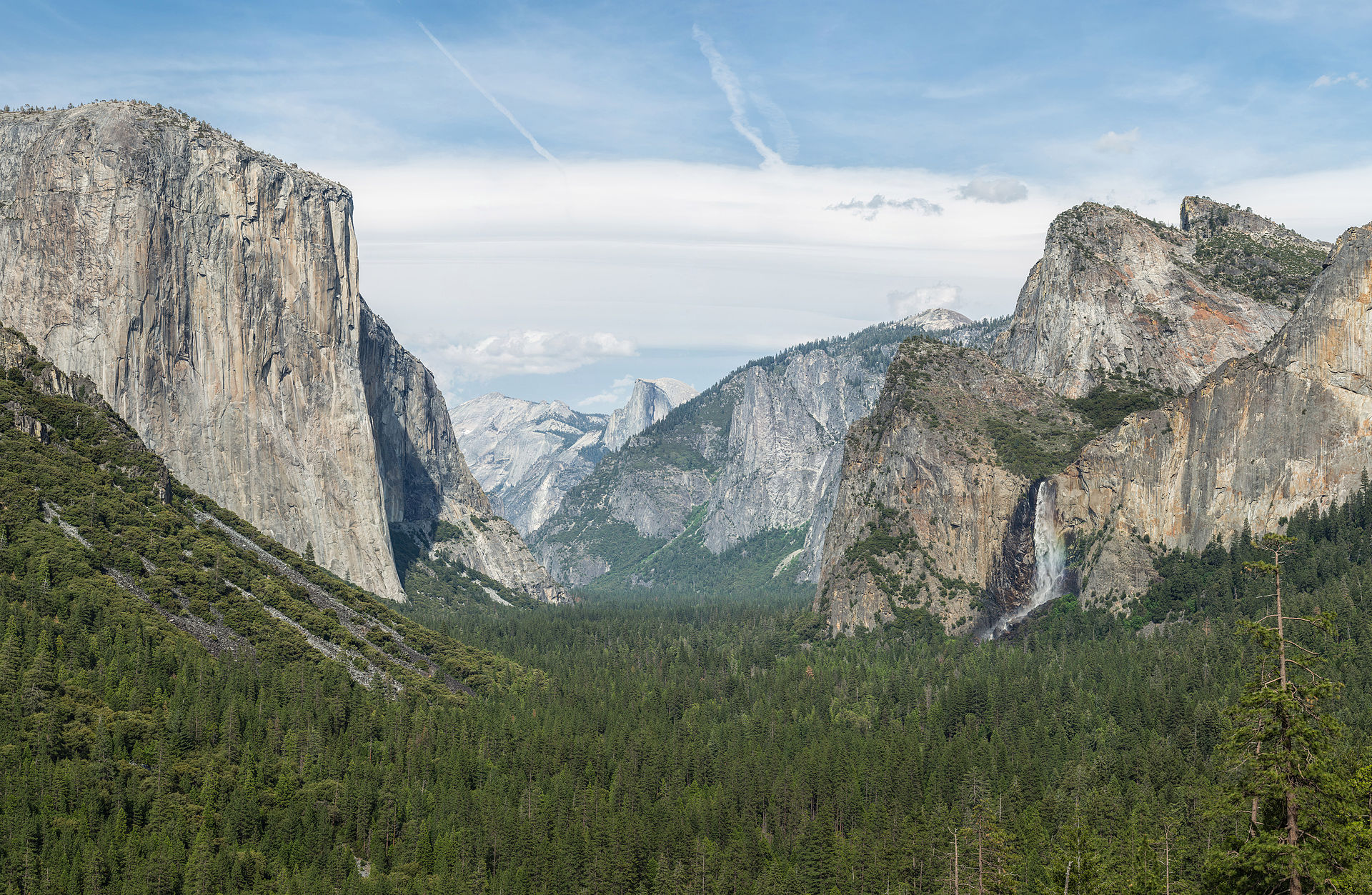
Yosemite National Park, California
https://en.wikipedia.org/wiki/Yosemite_National_Park#/media/File:Tunnel_View,_Yosemite_Valley,_Yosemite_NP_-_Diliff.jpg
Having done successful hikes on Mt. Tam, our hiker now wants to try something more challenging and sets his or her sights on Yosemite. Here too the trails are well marked and other travelers are frequent. But there is a far greater opportunity for something to go seriously wrong in Yosemite. There are high cliffs and some trails threaten fatal falls to those who stumble. Lightening can be a threat on exposed ridges and peaks. A sprained ankle is different ten miles up a trail into wilderness compared to one at Mt. Tam where few trails are more than a mile or two from a road. A Spring or Fall snow storm could be lethal to the unprepared if they are in the back country. Mosquitoes are common and can turn a pleasant outing into Hell, again if unprepared. Yosemite asks more of the hiker than does Mt. Tam. Let us grant our hiker has what it takes.
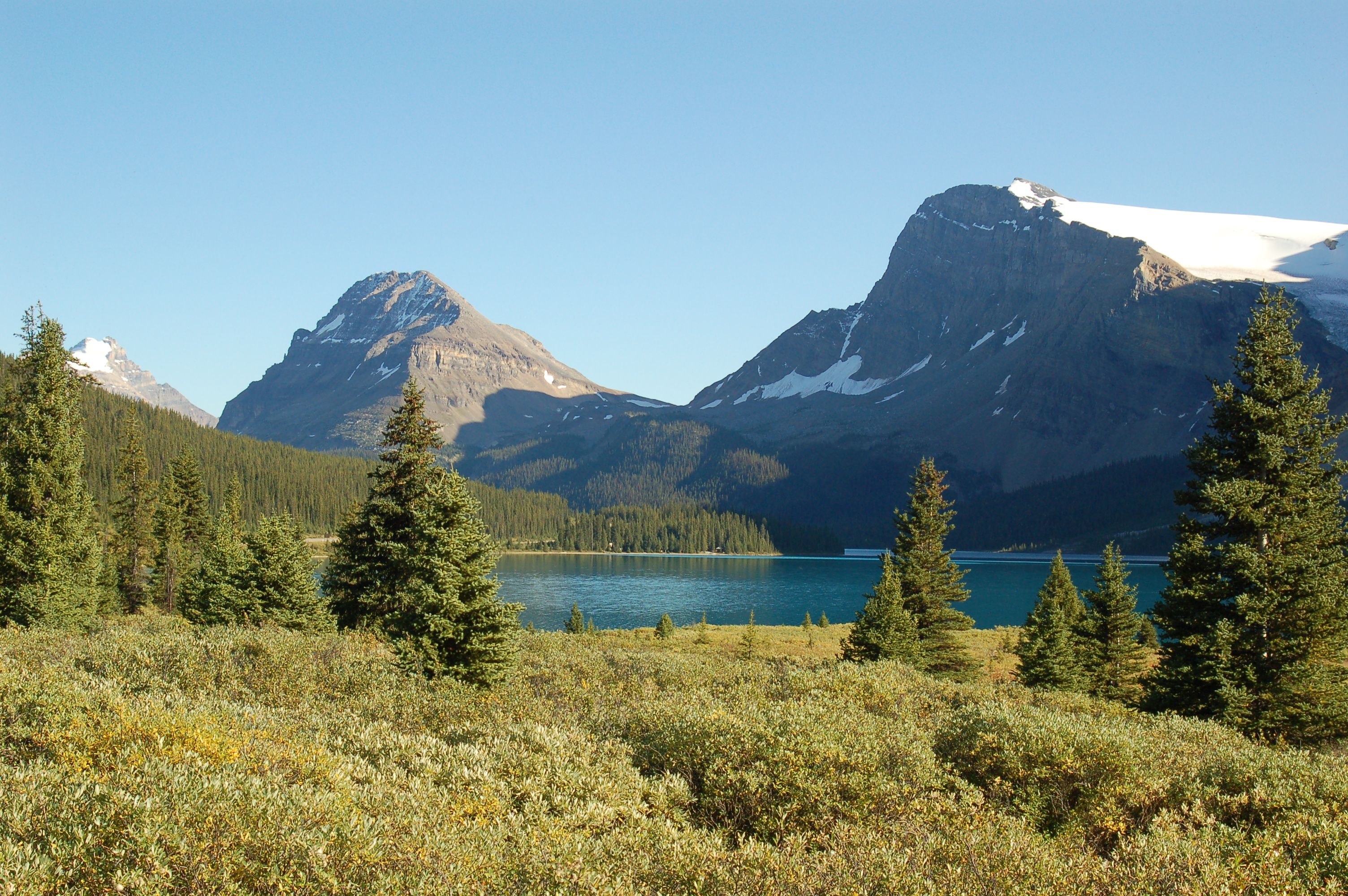
Banff National Park, Alberta
Having succeeded in Yosemite our intrepid explorer now sets his or her sights on a more challenging area, perhaps a long hike through Canada’s Banff National Park. Such a journey holds all the dangers of Yosemite, plus grizzly bears. Compared to Sierra granite Banff’s sedimentary cliffs are more unstable. Glaciers are common and might need to be crossed, which carry their own dangers. Doing such a trip safely requires still more knowledge if it is to be done wisely.
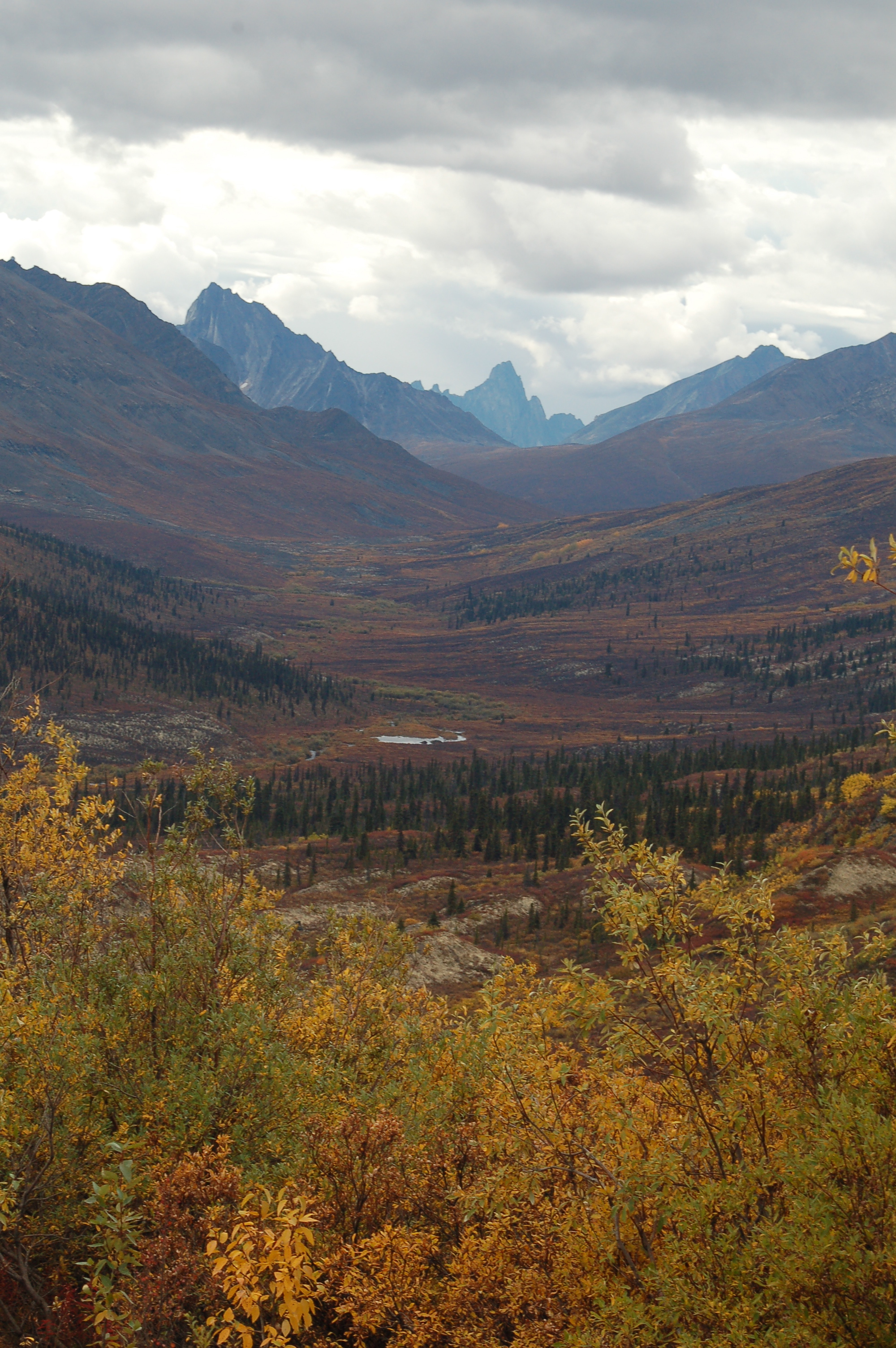
Tombstone Provincial Park, Yukon
Finally the successful adventurer seeks really wild country, such as Tombstone Provincial Park in the Yukon. Almost no trails exist and most travel must be cross-country, which increases the possibility of accidents or getting lost.. All the dangers that exist at Banff are magnified. Snow can come at any time. People at the park HQ tell you if you don’t come back on time people might not go looking for you. You are on your own. At this point a twisted ankle, a minor inconvenience in a park, if it happens off trail miles from anywhere becomes a serious, perhaps fatal, problem.
I am describing a graduated series of challenges from the very safe to the significantly dangerous, all offering great rewards to those able to meet the challenge. In each case many will find it worth the risk, and others will not. I do not disparage anyone who does not seek to go “all the way.” (I’ve done Banff but at 68 am unlikely to go much farther in this life along this route, though I’ve been to Tombstone.)
I want to suggest the esoteric is akin to this. There are steps taken to learn it, steps that often include considerable time as an important part of the process. In many long established unbroken traditions it is much longer than a “year and a day.” As progress is made along that path the work deepens but greater demands are also made upon the person doing it. When one has a competent teacher the demands are not arbitrary.
In making this comparison I am not saying a person practicing esoteric arts is superior to one who does not. One can be an excellent Pagan, attend the celebrations, honor the Gods, and live a completely praiseworthy life without pursuing the esoteric dimensions of what constitutes our religion. One can also be a jerk or worse and have considerable esoteric skill. But when that skill is accompanied by a good heart, the latter is able to do things of value the former cannot do. But do not make too much of this distinction: all of us can do things of value others cannot.
Esotericism and the “laity”
In a sense what we are seeing today is the steady growth of Pagan practice from small closely knit groups often with some esoteric dimensions to a much more broadly based community most of whom do not share these interests or the interest and dedication to explore them much. This latter group shares a sincere Pagan sensibility but for various reasons, many of them good, are not attracted to more demanding kinds of involvement within a Pagan world. Families, jobs, and basic talents and orientations all legitimately pull many Pagans in different directions.
I agree with Halstead that if Wicca had never existed NeoPaganism would still have arisen. But once it had, a number of its more adventurous practitioners would have sought ways to connect more closely with Spirit in the world. At least two living traditions exist in the US that are in some cases open to teaching EuroAmericans: the African Diasporic and Native American. In time, perhaps not much time, NeoPagans would also have started exploring occult Western traditions to see what Western traditions might have to teach.
Different deities had favorite days, colors, animals and substances which when used increased the likelihood of successful connection, a basic principle of subsequent esoteric lore. Many temples had sacred precincts as well as those open to anyone. Trance possession was known in ancient times as Socrates demonstrated in the Phaedrus, (even more significantly, when it happened to him, no one was surprised). Late NeoPlatonists practiced theurgy, something remarkably akin, based on written sources, to drawing down the moon.
From a Pagan perspective I think we can consider Western esotericism as a means by which we can contact and interact with manifestations of Spirit as it exists within our world, whether as deities, spirits, or energies. It is always implicit within any Pagan worldview.
Because of Wicca esotericism entered into British and American NeoPaganism at its inception, whereas had it begun with public festivals and private celebrations it would have had to be rediscovered. As a personal note, I became Wiccan because I had dared a Wiccan to “show me magick” and after he did entered into study that ultimately led me to an encounter with the Wiccan goddess. A complete Pagan religious practice involves both those who integrate Pagan religion into their daily lives and those who become specialists in exploring dimensions of its insights that the constraints of time and other responsibilities and talents foreclose to others. In my opinion neither can truly flourish in the absence of the other.
Previous Post

December 22, 2015
My Near Death Experience in Maine: a lesson in compassion
Next Post
February 5, 2016 Social Justice from a Pagan perspective
Browse Our Archives
Select a Category Uncategorized
Select a Month June 2016 April 2016 February 2016 January 2016 December 2015 October 2015 July 2015 June 2015 May 2015 March 2015 January 2015 August 2014 July 2014 June 2014 April 2014 March 2014 February 2014 January 2014 December 2013 November 2013 October 2013 August 2013 July 2013 April 2013 March 2013 February 2013 January 2013 December 2012
Follow Us!
TAKE THE
Religious Wisdom Quiz
What Christian group believes in the "Plain Dress" tradition?
Select your answer to see how you score.
Presbyterians Seventh-day Adventists Methodists Amish
Related posts from Pointedly Pagan

Politics, Pagan religion and the 2016 elections- up...


The Parliament of the World's Religions and the...

The spiritual gifts of Wicca do not stop...
TRENDING AT PATHEOS Pagan

I was recently chatting with someone on Instagram. She asked me what...

While there are many people who share their results, the end of...

On July 23, I saw Christopher Nolan's The Odyssey which is Homer’s...

As I write this two big events have just finished up. One...

Restoring the Watershed of Divine Love
Perhaps cooperation is not something we manufacture through legislation, ideology, or moral...

Many UUs don’t pray because of bad experiences in a previous religion,...
view all Pagan blogs
Ad-Free & Subscriber Log-In Subscription Support
- About Us
- 2026 Calendar
- Videos
- Podcasts
- Library of World Religions
- Faith In Media Tracker
- Advertise With Us
- Write for Us
- Privacy Policy
- Terms of Service
- Do Not Sell My Data
- Contact Us
- Radiant Digital
- Manage Newsletter Subscriptions
- Unsubscribe From Notifications
- Sitemap
Copyright 2008-2026, Patheos. All rights reserved.
Subscription Support Ad-Free & Subscriber Log-In
Follow Patheos