
BuddhistCatholicContemplativeEvangelicalGeneral ChristianHinduJewishLatter-day SaintMuslimNew VisionsProgressive Christian
Beliefs
- Buddhist
- Catholic
- Contemplative
- Evangelical
- General Christian
- Hindu
- Jewish
- Latter-day Saint
- More Voices
- Muslim
- New Visions
- Pagan
- Progressive Christian
Topics
- Religion News
- Food and Religion
- Sports and Religion
- Religious Art
- Religious Music and Entertainment
- Religious Events
- History and Religion
- Style and Religion
- Politics and Religion
- Women in Religion
- Recreation Outdoors and Religion
- Business Finance and Religion
- Careers Workplace and Religion
- Education and Religion
- Family Parenting and Religion
- Health Fitness and Religion
- Home and Religion
- Relationships and Religion
- Technology and Religion
- Travel and Religion
Columnists
- Buddhist Columnists
- Business Finance and Religion Columnists
- Careers Workplace and Religion Columnists
- Catholic Columnists
- Contemplative Columnists
- Education and Religion Columnists
- Evangelists Columnists
- Family Parenting and Religion Columnists
- General Christian Columnists
- Health Fitness and Religion Columnists
- Hindu Columnists
- History and Religion Columnists
- Home and Religion Columnists
- Jewish Columnists
- More Voices Columnists
- Latter Day Columnists
- Muslim Columnists
- New Visions Columnists
- Nonreligious Columnists
- Pagan Columnists
- Politics and Religion Columnists
- Progressive Columnists
- Recreation Outdoors and Religion Columnists
- Relationships and Religion Columnists
- Religion News Columnists
- Religious Art Columnists
- Religious Events Columnists
- Religious Music and Entertainment Columnists
- Sports and Religion Columnists
- Style and Religion Columnists
- Technology and Religion Columnists
- Travel and Religion Columnists
- Women in Religion Columnists
Resource Library
- 2026 Calendar
- Library of World Religions
- The 100 Most Holy Places on Earth
- Patheos Answers
- Podcasts
- Videos
- Faith Leaders Database
- Anglican Episcopalian
- Bahai
- Baptist
- Buddhism
- Christianity
- Confucianism
- Eastern Orthodoxy
- Hinduism
- Holiness and Pentecostal
- ISKCON
- Islam
- Judaism
- Lutheran
- Methodist
- The Church of Jesus Christ of Latter-day Saints
- New Age
- Paganism
- Presbytarian and Reformed
- Protestantism
- Religion Behind the Scenes
- Roman Catholic
- Scientology
- Shia Islam
- Sikhism
- Sufism
- Sunni Islam
- Taoism
- Zen
- See all religions
Research Tools
 Ad-Free & Subscriber Log-In Subscription Support
Ad-Free & Subscriber Log-In Subscription Support
Follow Patheos 

- Trending:
- Forgiveness
- |
- Marriage
- |
- Consciousness
- |
- Death Penalty
- |
- Election
- |
- Halloween
 Permission to Live
- Home
- About the Author
- My Favorite posts
- Your Favorite Posts
- Our Love Story
- Books along the Journey
- Why I Blog
- Parenting Websites
- Permission to Live
- FAQ
- Home
- Nonreligious
- Researching Sexual Abuse Prevention
Researching Sexual Abuse Prevention
Last updated on: June 2, 2011 at 3:44 pm by Melissa
Researching Sexual Abuse Prevention 2011-06-02T15:44:00-06:00 Melissa
Patheos Explore the world's faith through different perspectives on religion and spirituality! Patheos has the views of the prevalent religions and spiritualities of the world.
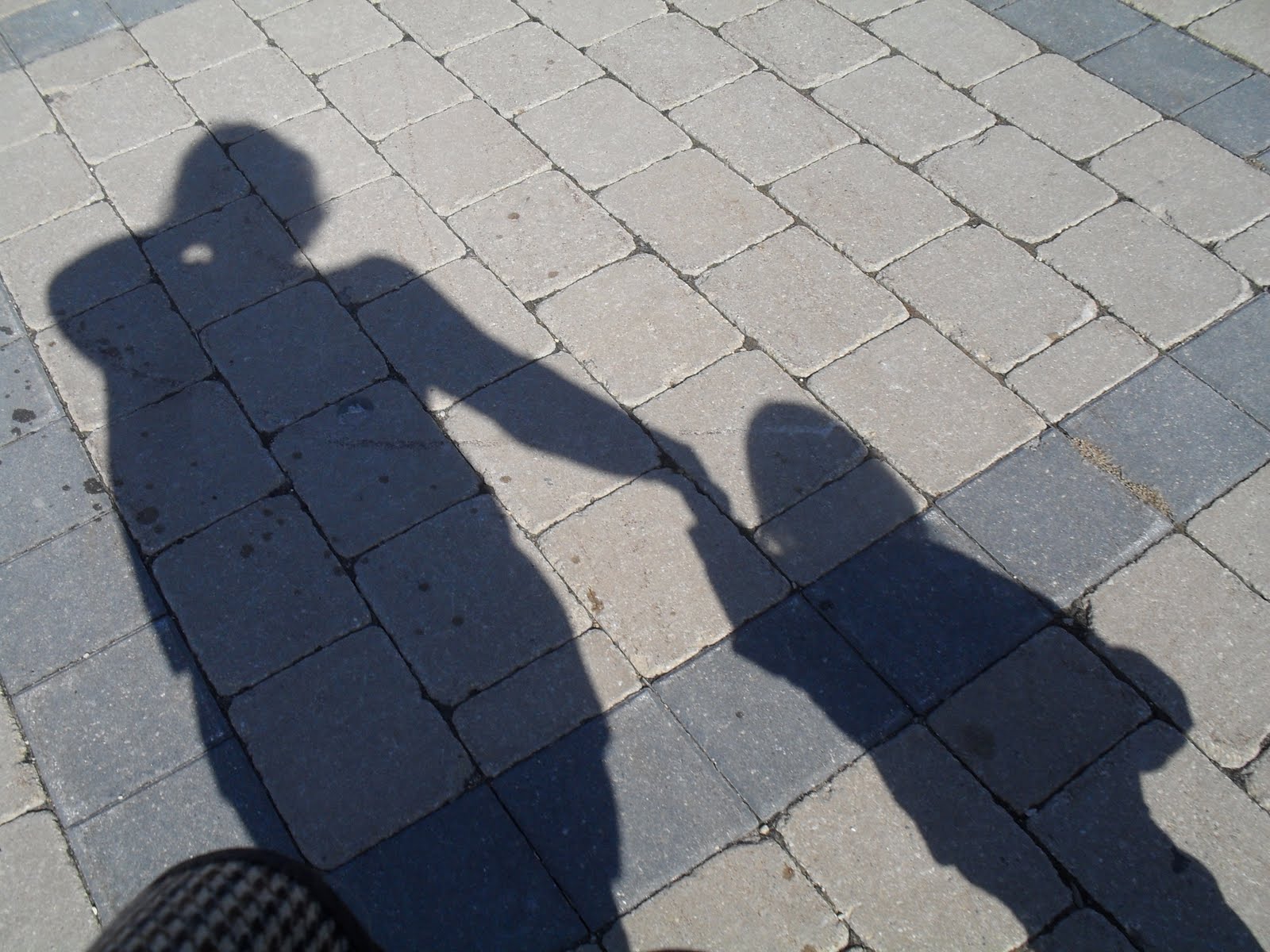
A few months ago, the girls and I were sitting in the car waiting for my husband. A fire truck went by, sirens blaring and Ms Action piped up from the back seat. “Mom! Mom! That fire truck is going to a fire! They will put out the fire so we can be safe.” We talked about fires for a bit, and then the car was silent for a moment.
She piped up again. “We need to keep our bodies safe too. My body is MY body, and nobody can touch my private parts.” I’d started this discussion a few months before and we had read the books and talked about it here and there. Now she was bringing it up on her own, unprompted. “You are right.” I responded. “No one can touch your private parts because they belong to you.” She thought for a minute. “If anyone tries to touch my bum, then I can say “No! That is MY body. You can’t touch it.” And then I should tell mom or dad.” I was surprised by how well she was articulating this, she is only 4 and we hadn’t talked about this incessantly, only a few times. But she was remembering a lot of what we had covered. Since she was interested in talking about it, we spent a few minutes discussing how she can always say no if someone is touching her in a private place or just in a way she doesn’t like, even if it is someone she knows very well, like a friend or an uncle or aunt. And then the conversation moved on to other topics.
Talking about Sexual Abuse with your children can be scary and very awkward for parents. Many parents try to avoid it entirely by hoping that if they can control enough of their child’s environment they will protect their child from any abuse. But no amount of sheltering your child can prevent them from encountering issues that we would rather our children never have to deal with. Protecting my children is very important to me, but I am also a strong believer in preparing and equipping my children to deal with possibly abusive situations they may encounter. I’ve done some research as I’ve attempted to begin this process with my children, and I thought I’d share some of the information I’ve pulled together.
Here are some of the common mistakes made in this very important discussion.
Delaying the conversation because the child is “too young”:
10 is too old to start this discussion, 6 is too old. In many cases sexual abuse starts BEFORE age 4. Obviously, be age appropriate. But PLEASE start talking about it!
Referring to sexual abuse as a “yucky” touch:
Sexual touch may make a child feel uncomfortable, but depending on their comfort level with the abuser and how well the abuser has “groomed” them or prepared them, sexual touch could feel commonplace or even pleasurable. Defining sexual abuse solely as a “yucky touch” can be very confusing to children.
Referring to potential sexual abusers as “strangers”:
While stranger danger is important for children to understand, the fact is that 68% of sexually abused children are abused in their own home (or the home of a relative) by family members. And many others are abused by people they know well, such as friends, babysitters and clergy members. Only a very small percentage of children are abused by someone they do not know.
Not getting specific about body parts and scenarios of abuse:
Many parents are very vague when it comes to talking about private areas of the body. I realize that this may be uncomfortable, but children need to know what the parts are called, and where they are on their body. Referring to “private parts” without explaining what those parts are is not helpful. Even the cop out of “parts that are covered by your bathing suit” is not sufficient. How can your child explain to you that someone asked them to touch a body part that they don’t have a name for? Many parents never go through specific scenarios, or talk through what an abuser might say to their child. An abuser could use persuasion, threats, or even bribery. The parent could teach their child not to let someone touch their private areas, but what if the abuser never tries to do that? What if the abuser only tries to get the child to touch them? Specific scenarios should be part of this process.
As a parent, you should know what sexual abuse is. There are some great websites out there that seek to educate parents on this important issue, as well as other resources for families already dealing with the repercussions of abuse.
Give your children words to use, and practice how to say them. My 4 year old and 3 year old already know how to say “This is my body, don’t touch it.” Dulce de Leche explains it well in this post.
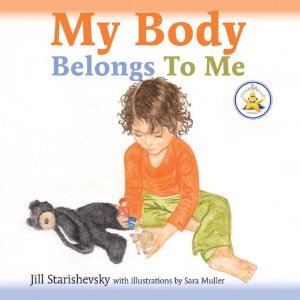
There are books out there that can open the door for this conversation. But many of them are vague and insufficient. A good book needs to clear up specific body parts, make it clear that an abuser could be anyone (including someone in your family), be clear that your child should never do anything that makes them feel uncomfortable, but also emphasis that private parts are private and never for sharing. Other issues to address are someone talking about sex or showing your child sexual materials, someone asking to see your child’s private parts or exposing their own, someone touching your child’s private parts or asking them to touch the abusers, or even someone wanting to take pictures of your child’s body. Games that involve taking off clothing are not OK, clothes should stay on.
Discussions should also contain reassurance that it is never the child’s fault, that it is always safe to tell, and if someone doesn’t believe them to keep telling until someone does.
These are some of the best children’s books I’ve found so far:
I said No! A kid-to-kid guide to keeping your private parts private
Read the books, talk it through. Then talk about it when it comes up, or bring it up again periodically yourself. This doesn’t have to be as scary as it sounds. Be matter of fact, kids don’t get scared unless you present it that way. It’s part of all the safety talks we have, such as what to do if there is a fire, what to do if you see baby playing with something sharp or why crossing the street can be dangerous. If your child is older and you are starting this type of conversation for the first time, be sure to ask if anyone has ever abused them or tried too. It is very important that you believe what they tell you, even if they don’t tell you right away. Children often feel very ashamed and blame themselves for whatever happened, so it may take time for them to reveal if they were abused. They need to know that you are a safe person for them to talk too.
Children need to know that they are worthy of respect, if anyone doesn’t respect the boundaries they set in place, they need to tell someone they trust because that is never OK. I feel that spanking can be detrimental to this process, because children learn that people can violate their boundaries and cause them pain if they are bigger, stronger or “in charge”. I want my children to understand that no one ever has the right to hurt them or treat them in a way that makes them uncomfortable. I want them to know that they always have a say in how they are treated and that they shouldn’t trust someone who hurts them.
What are some of the ways you approach this topic with your children? What are some of your favourite resources?
Previous Post

May 27, 2011
Quick Takes #34: New Baby Conversations
Next Post
June 3, 2011 Saturday Evening Post #15
Browse Our Archives
Select a Category Abuse Atheist/Agnostic Conservative Christianity Depression Discipline Education Encouragement Feminism God Healing LGBTQ Life Marriage My Childhood Parenting Politics Reflections Series Shame Uncategorized Updates Who Am I
Select a Month September 2015 May 2015 January 2015 December 2014 November 2014 October 2014 July 2014 June 2014 May 2014 February 2014 January 2014 December 2013 November 2013 September 2013 August 2013 June 2013 May 2013 March 2013 February 2013 January 2013 December 2012 November 2012 October 2012 September 2012 August 2012 July 2012 June 2012 May 2012 April 2012 March 2012 February 2012 January 2012 December 2011 November 2011 October 2011 September 2011 August 2011 July 2011 June 2011 May 2011 April 2011 March 2011 February 2011 January 2011 December 2010 November 2010 October 2010 September 2010 August 2010 July 2010 June 2010 May 2010 April 2010 March 2010 February 2010 January 2010 December 2009 November 2009
Follow Us!
TAKE THE
Religious Wisdom Quiz
What Christian group follows the Augsburg Confession?
Select your answer to see how you score.
Methodists Pentecostals Lutherans Presbyterians
Related posts from Permission to Live
Brave New Life: Part 7: The Journey Continues

Finally Heard? The Duggar Aftermath
TRENDING AT PATHEOS Nonreligious

Dethroning Jesus and Enthroning Yourself
Jesus Never Asked to Be Worshipped. He Asked to Be Understood. Christianity...

Why Most Christians are Really Paulians and Jobians
I Don't Care, But It Matters Let's get this out of the...

Essential Tips to Successfully Navigate the Selling Process
Selling a house can feel overwhelming, but it doesn’t have to be....

To Make Remote Work Effective, Think About Others
The COVID-19 pandemic forced many companies to rapidly transition to remote work....

Flexibility Is Key to Solving Problems of Tomorrow
The world of work is undergoing a dramatic transformation. The COVID-19 pandemic...
view all Nonreligious blogs
Ad-Free & Subscriber Log-In Subscription Support
- About Us
- 2026 Calendar
- Videos
- Podcasts
- Library of World Religions
- Faith In Media Tracker
- Advertise With Us
- Write for Us
- Privacy Policy
- Terms of Service
- Do Not Sell My Data
- Contact Us
- Radiant Digital
- Manage Newsletter Subscriptions
- Unsubscribe From Notifications
- Sitemap
Copyright 2008-2026, Patheos. All rights reserved.
Subscription Support Ad-Free & Subscriber Log-In
Follow Patheos