
BuddhistCatholicContemplativeEvangelicalGeneral ChristianHinduJewishLatter-day SaintMuslimNew VisionsProgressive Christian
Beliefs
- Buddhist
- Catholic
- Contemplative
- Evangelical
- General Christian
- Hindu
- Jewish
- Latter-day Saint
- More Voices
- Muslim
- New Visions
- Pagan
- Progressive Christian
Topics
- Religion News
- Food and Religion
- Sports and Religion
- Religious Art
- Religious Music and Entertainment
- Religious Events
- History and Religion
- Style and Religion
- Politics and Religion
- Women in Religion
- Recreation Outdoors and Religion
- Business Finance and Religion
- Careers Workplace and Religion
- Education and Religion
- Family Parenting and Religion
- Health Fitness and Religion
- Home and Religion
- Relationships and Religion
- Technology and Religion
- Travel and Religion
Columnists
- Buddhist Columnists
- Business Finance and Religion Columnists
- Careers Workplace and Religion Columnists
- Catholic Columnists
- Contemplative Columnists
- Education and Religion Columnists
- Evangelists Columnists
- Family Parenting and Religion Columnists
- General Christian Columnists
- Health Fitness and Religion Columnists
- Hindu Columnists
- History and Religion Columnists
- Home and Religion Columnists
- Jewish Columnists
- More Voices Columnists
- Latter Day Columnists
- Muslim Columnists
- New Visions Columnists
- Nonreligious Columnists
- Pagan Columnists
- Politics and Religion Columnists
- Progressive Columnists
- Recreation Outdoors and Religion Columnists
- Relationships and Religion Columnists
- Religion News Columnists
- Religious Art Columnists
- Religious Events Columnists
- Religious Music and Entertainment Columnists
- Sports and Religion Columnists
- Style and Religion Columnists
- Technology and Religion Columnists
- Travel and Religion Columnists
- Women in Religion Columnists
Resource Library
- 2026 Calendar
- Library of World Religions
- The 100 Most Holy Places on Earth
- Patheos Answers
- Podcasts
- Videos
- Faith Leaders Database
- Anglican Episcopalian
- Bahai
- Baptist
- Buddhism
- Christianity
- Confucianism
- Eastern Orthodoxy
- Hinduism
- Holiness and Pentecostal
- ISKCON
- Islam
- Judaism
- Lutheran
- Methodist
- The Church of Jesus Christ of Latter-day Saints
- New Age
- Paganism
- Presbytarian and Reformed
- Protestantism
- Religion Behind the Scenes
- Roman Catholic
- Scientology
- Shia Islam
- Sikhism
- Sufism
- Sunni Islam
- Taoism
- Zen
- See all religions
Research Tools
 Ad-Free & Subscriber Log-In Subscription Support
Ad-Free & Subscriber Log-In Subscription Support
Follow Patheos 

- Trending:
- Forgiveness
- |
- Marriage
- |
- Consciousness
- |
- Death Penalty
- |
- Election
- |
- Halloween

- HOME
- Me and the Blog
- Defining Pagan
- Rituals & Holidays
- All Posts
- Blogroll
- Publications
- FREE NEWSLETTER
- Home
- Pagan
- Deity: Both Young and Ancient
Deity: Both Young and Ancient
Last updated on: April 2, 2013 at 6:46 pm by Jason Mankey
Deity: Both Young and Ancient 2013-04-02T18:46:54-06:00 Jason Mankey
Patheos Explore the world's faith through different perspectives on religion and spirituality! Patheos has the views of the prevalent religions and spiritualities of the world.
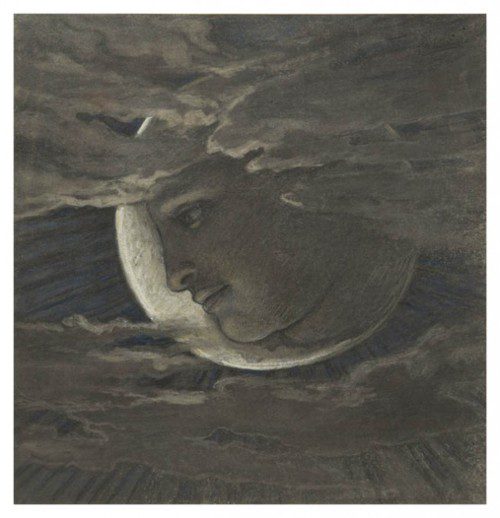 I’m a Pagan because I worship the gods. The worship of deity comes before everything else in my Pagan practice. I love ritual, magick, and the Earth because they bring me closer to deity, and it’s that closeness to the divine that I cherish above all else in Modern Paganism. If I could share just one thing I’ve gained as a Pagan it would be that feeling of closeness with the gods.
Because of my love for that “feeling” I’m always taken aback when someone says a door is “off limits” in Modern Paganism. To me such proclamations are absurd. To start with we have no “Pagan Pope” so it’s all just opinion. Secondly it’s absurd because such statements limit the very nature of deity. The gods (and that means every god) have always been worshipped in a multitude of ways, and just because one form of worship is predominant today doesn’t mean those different interpretations of a deity have ceased to exist.
Because of how I feel about deity I wanted to write a little about how I view the nature of it, and illustrate a copy of points. The first was that the gods change, and/or that our perceptions of them change over time. The second idea I wanted to express was that if deity calls you should listen, even if the deity in question feels a little alien to you. (Let’s ignore a deity because a human being said they were off limits, that’s going to go over well.) The third is that the age of a deity shouldn’t matter, a two thousand year old god is no different than a three thousand year old god. (All those ramblings are below.) Age doesn’t make something better, and it doesn’t make anything worse, it just is.
 Sadly, all of my points got away from me while writing. It was a huge idea (like deity!) and I just haven’t been able to express it as neatly as I would like. I think Yvonne over on Sermons from the Mound did a much better job and said many of the same things I’ve been trying to articulate. Deity changes. Deity from outside of our normal comfort zones sometimes call to us. Deity is also continually being discovered, rediscovered, or created. I don’t think there are limits to the divine, or how you as a Pagan worship that divine. The gods cast their spell on me long ago. For those wishing to get caught up in their siren song, I hope they do the same to you.
If you were to ask the average Pagan what sort of deities they worship you might get a response like “the old gods” or “the gods of ancient paganism,” but that’s not entirely true. Many Pagans worship relatively new or young gods; figures that when originally written about weren’t seen as gods at all. “Newness” doesn’t mean “false.” Just because something is new, be it a religion or a deity, doesn’t mean that it’s false or lacking in truth. Every religion and every god starts off as “new” at some point. Every deity had to have had a “first follower” or “first worshipper.” When Aine Llewellyn writes of the goddess Adilene he’s writing about a very real experience. That experience is not invalidated because the deity in question is new or was previously unknown to us.
For many years I was entirely dismissive of the god Herne, because I had a lot of trouble seeing him as a real deity due to his relative “newness.” The origins of Herne lie more in ghost stories and folktales than in some sort of unbroken chain of horned gods going back thousands of years, and to my young and stupider Pagan-self that was a real problem. “But he wasn’t worshipped as a god in the year 800 CE” I would whine to myself, but why should that matter so much? For the last two hundred years people have been having very real experiences with Herne, shouldn’t that be enough?
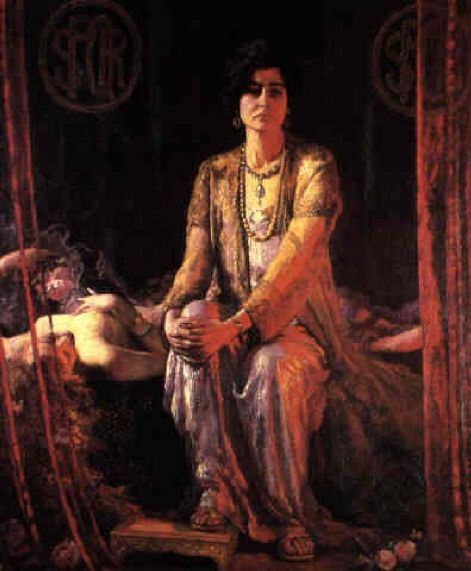 Herne isn’t the only deity with a rather short and tangled pedigree. The goddess Aradia might be related to the goddesses Diana and Ariadne, but is more easily linked to the Biblical figure Herodias, mother of Salome and wife of King Herod II. Sometime in the Middle Ages the Jewish Princess Herodias became associated with pagan goddesses and witches. In the province of Sardinia Herodias/Aradia became a spectral night-terror and was seen that way up until the late 1980’s. (1) Even with the rather strange family tree, Aradia has a made lasting impression on Modern Paganism (the book that bares her name, Aradia: Or the Gospel of the Witches, is an essential Modern Pagan text) and on many Modern Pagans. She’s an extremely popular goddess, even if her worship doesn’t date to antiquity.
If Aradia is related to Herodias, she’s not alone in having human roots. People who scoff at Jesus being worshipped as a god sometimes quip “he was only a man,” and that’s certainly true, but it’s not necessarily unique. The Greek city of Troy was a real place, perhaps the demi-god Achilles who appears in The Iliad was also once “only a man.” Ceridwen and Arianrhod are worshiped as goddesses today, but were originally either “just people” or made up out of whole cloth and then inserted into a new mythological cycle back in the 9th Century. (2) Ceridwen wasn’t a pre-Christian deity, but I can’t imagine why it would matter one way or the other. Her stories speak to us, and so does she. That’s what legitimizes a deity.
In my less thoughtful days I tended to scoff at any deity that didn’t have an ancient pedigree, even when I was actively worshipping such deity. No one worshipped The Horned God in classical paganism; they worshipped individual horned gods. If “The Horned God” is an amalgamation of Cernunnos/Pan/etc is that a new deity or a new understanding of ancient deity? (I don’t have a good answer for you other than “more proof deity evolves and changes.”) In ritual I call to both the Horned God Archetype, and all manner of specific horned (and horny) deities. I can also tell you from experience that calling “The Horned God” is not the same as calling Pan or Cernunnos. Different energies, different experiences, different gods or different parts of a god.
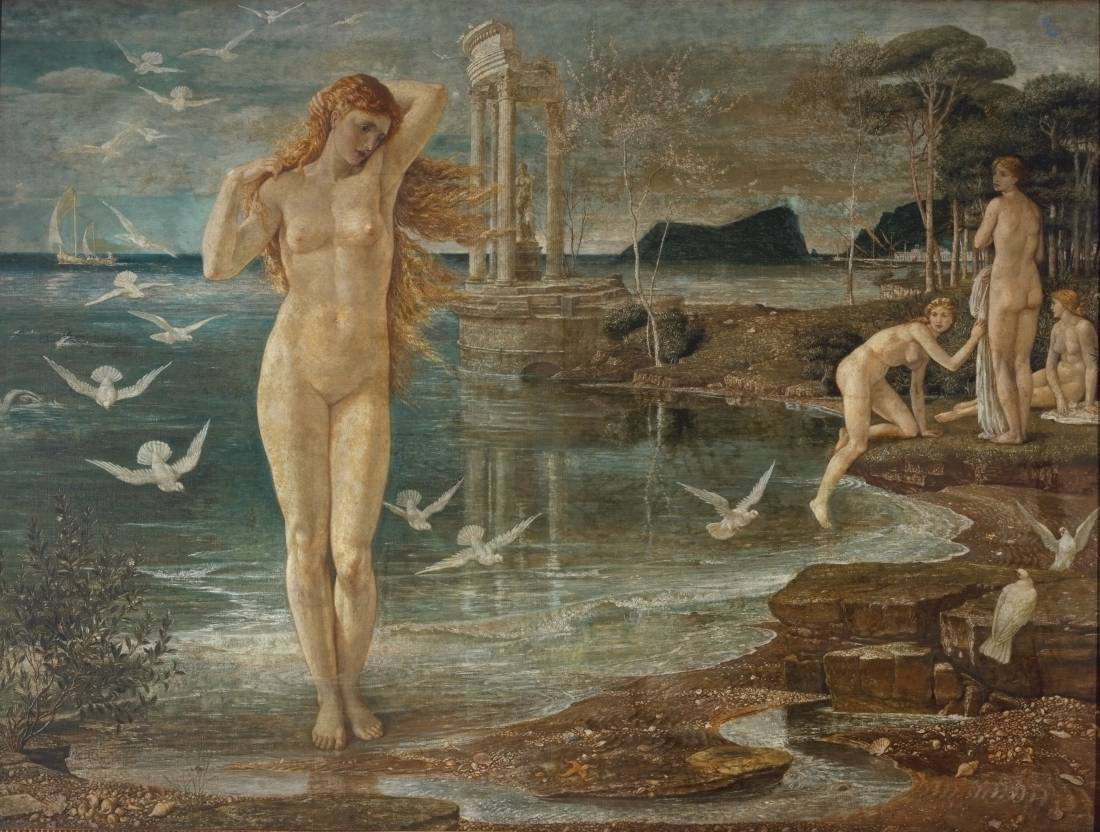 The Maiden/Mother/Crone archetype as Triple Goddess is also a modern construction, mostly coming from the book The White Goddess by Robert Graves. It’s an idea that works well in Modern Paganism because it just seems so bloody obvious. Why shouldn’t the sabbats tell a story of growth, maturity, decline, and rebirth? That’s exactly what the Earth shows us every twelve months. The ancients certainly revered “mother goddesses,” “maiden goddesses,” and “crone goddesses,” but those figures weren’t necessarily placed into the cosmology so many of us associate with the turning of the Wheel. Of course I’m going to argue that it doesn’t matter in the slightest. The myths that speak to each of us do so because we find universal truths in them. We don’t don’t discredit scientific truths just because they are newer, just the opposite, why does age always matter in religion so much?
My Pagan practice has always been about the gods. I love our big blue planet Earth, but I’m not a Pagan simply because I’m a “nature worshipper.” I’m a Pagan because the gods have spoken to me, and I’v found their voices to be mightily important in my life. Young gods (Herne) and ancient gods (Pan) are a part of my worship. I revere archetypes (“The Great Mother,” and boy is she great!) and deities with long histories and copious amounts of mythology (Dionysus), they are all real to me in their own ways. If I’ve had such experiences, beautiful uplifting life-changing experiences, who am I to deny or question anyone’s experience with similar powers?
Deity is a mess of young, old, and constantly evolving. That means the gods so many of us Pagans honor are a lot like us, in a constant of flux. Due to that turbulence there are no “right gods” or “wrong gods” only gods. When people boldly proclaim what deities are fit or unfit to worship I can’t help but wonder what the yardstick being used for measurement is. It can’t be age or place of origin. Pagans worship a whole mess of new gods, and place of origin only marks the start of the race not the end of it. Individuals gods were also worshipped in a plethora of ways and their attributes varied across the centuries and miles. Your gods are your gods, and when they speak to you, just be sure and listen.
1. For more on the origins of the goddess Aradia check out Sabina Magliocco’s Aradia in Sardinia: The Archeology of a Folk Character in the book Ten Years of Triumph of the Moon.
2. See Ronald Hutton’s The Pagan Religions of the Ancient British Isles Their Nature and Legacy pages 322-323.
Previous Post

March 30, 2013
Links and Stuff (and Cats!)
Next Post

April 7, 2013 10 Awesome Pop Pagan Moments (Part One)
Browse Our Archives
Select a Category Editorializing Gateways to Paganism Guest Posts Holiday Histories Led Zeppelin News and Views Occult Pagan Pagan TV Club Paganism polytheism Ramble On Reviews Ritual Strange Days Uncategorized
Select a Month August 2026 March 2026 February 2026 November 2025 September 2025 August 2025 April 2025 August 2024 April 2024 February 2024 December 2023 October 2023 August 2023 June 2023 May 2023 January 2023 October 2022 August 2022 July 2022 June 2022 May 2022 April 2022 March 2022 February 2022 January 2022 December 2021 November 2021 October 2021 September 2021 August 2021 July 2021 June 2021 April 2021 March 2021 February 2021 January 2021 December 2020 November 2020 October 2020 August 2020 July 2020 June 2020 May 2020 April 2020 March 2020 February 2020 January 2020 December 2019 November 2019 October 2019 September 2019 August 2019 July 2019 June 2019 May 2019 April 2019 March 2019 February 2019 January 2019 December 2018 November 2018 October 2018 September 2018 August 2018 July 2018 June 2018 May 2018 April 2018 March 2018 February 2018 January 2018 December 2017 November 2017 October 2017 September 2017 August 2017 July 2017 June 2017 May 2017 April 2017 March 2017 February 2017 January 2017 December 2016 November 2016 October 2016 September 2016 August 2016 July 2016 June 2016 May 2016 April 2016 March 2016 February 2016 January 2016 December 2015 November 2015 October 2015 September 2015 August 2015 July 2015 June 2015 May 2015 April 2015 March 2015 February 2015 January 2015 December 2014 November 2014 October 2014 September 2014 August 2014 July 2014 June 2014 May 2014 April 2014 March 2014 February 2014 January 2014 December 2013 November 2013 October 2013 September 2013 August 2013 July 2013 June 2013 May 2013 April 2013 March 2013 February 2013 January 2013 December 2012 November 2012 October 2012 September 2012 August 2012 July 2012 June 2012 April 2012 October 2011 September 2011 August 2011
Follow Us!
TAKE THE
Religious Wisdom Quiz
Who said: "Let us be glad and rejoice and give Him glory, for the marriage of the Lamb has come"?
Select your answer to see how you score.
Jesus John An angel A voice from heaven (or the multitude)
Related posts from Raise the Horns


The Return of the Pagan Scapegoats

Magickal & Pagan Gathers: Some Thoughts
TRENDING AT PATHEOS Pagan

The Sermon on the Mount, Part I: Matthew...
The Sermon on the Mount, Part I (Matthew 4:12-5:12) St. Matthew moves...

What's up from Crossway: Reviewing some of their latest A few weeks...

Janie Learns the Way of the Cross: A...
Teaching children about Jesus' Passion can be challenging. Many parents and educators...

Looking For Good Catholic Writing - October 2026
He alone extends the heavens, and he walks upon the waves of...

In "Irreplaceable," our book on vocation and technology, Trevor Sutton and I...

I was strolling through the top floor of the brand new Parthenon...
view all Pagan blogs
Ad-Free & Subscriber Log-In Subscription Support
- About Us
- 2026 Calendar
- Videos
- Podcasts
- Library of World Religions
- Faith In Media Tracker
- Advertise With Us
- Write for Us
- Privacy Policy
- Terms of Service
- Do Not Sell My Data
- Contact Us
- Radiant Digital
- Manage Newsletter Subscriptions
- Unsubscribe From Notifications
- Sitemap
Copyright 2008-2026, Patheos. All rights reserved.
Subscription Support Ad-Free & Subscriber Log-In
Follow Patheos