
BuddhistCatholicContemplativeEvangelicalGeneral ChristianHinduJewishLatter-day SaintMuslimNew VisionsProgressive Christian
Beliefs
- Buddhist
- Catholic
- Contemplative
- Evangelical
- General Christian
- Hindu
- Jewish
- Latter-day Saint
- More Voices
- Muslim
- New Visions
- Pagan
- Progressive Christian
Topics
- Religion News
- Food and Religion
- Sports and Religion
- Religious Art
- Religious Music and Entertainment
- Religious Events
- History and Religion
- Style and Religion
- Politics and Religion
- Women in Religion
- Recreation Outdoors and Religion
- Business Finance and Religion
- Careers Workplace and Religion
- Education and Religion
- Family Parenting and Religion
- Health Fitness and Religion
- Home and Religion
- Relationships and Religion
- Technology and Religion
- Travel and Religion
Columnists
- Buddhist Columnists
- Business Finance and Religion Columnists
- Careers Workplace and Religion Columnists
- Catholic Columnists
- Contemplative Columnists
- Education and Religion Columnists
- Evangelists Columnists
- Family Parenting and Religion Columnists
- General Christian Columnists
- Health Fitness and Religion Columnists
- Hindu Columnists
- History and Religion Columnists
- Home and Religion Columnists
- Jewish Columnists
- More Voices Columnists
- Latter Day Columnists
- Muslim Columnists
- New Visions Columnists
- Nonreligious Columnists
- Pagan Columnists
- Politics and Religion Columnists
- Progressive Columnists
- Recreation Outdoors and Religion Columnists
- Relationships and Religion Columnists
- Religion News Columnists
- Religious Art Columnists
- Religious Events Columnists
- Religious Music and Entertainment Columnists
- Sports and Religion Columnists
- Style and Religion Columnists
- Technology and Religion Columnists
- Travel and Religion Columnists
- Women in Religion Columnists
Resource Library
- 2026 Calendar
- Library of World Religions
- The 100 Most Holy Places on Earth
- Patheos Answers
- Podcasts
- Videos
- Faith Leaders Database
- Anglican Episcopalian
- Bahai
- Baptist
- Buddhism
- Christianity
- Confucianism
- Eastern Orthodoxy
- Hinduism
- Holiness and Pentecostal
- ISKCON
- Islam
- Judaism
- Lutheran
- Methodist
- The Church of Jesus Christ of Latter-day Saints
- New Age
- Paganism
- Presbytarian and Reformed
- Protestantism
- Religion Behind the Scenes
- Roman Catholic
- Scientology
- Shia Islam
- Sikhism
- Sufism
- Sunni Islam
- Taoism
- Zen
- See all religions
Research Tools
 Ad-Free & Subscriber Log-In Subscription Support
Ad-Free & Subscriber Log-In Subscription Support
Follow Patheos 

- Trending:
- Forgiveness
- |
- Marriage
- |
- Consciousness
- |
- Death Penalty
- |
- Election
- |
- Halloween
 At the Herm
- Home
- Pagan
- Hermes, Ethics, and a dash of Thelema
Hermes, Ethics, and a dash of Thelema
Last updated on: January 17, 2017 at 9:14 pm by Sam Webster
Hermes, Ethics, and a dash of Thelema 2017-01-17T21:14:08-08:00 Sam Webster
Patheos Explore the world's faith through different perspectives on religion and spirituality! Patheos has the views of the prevalent religions and spiritualities of the world.
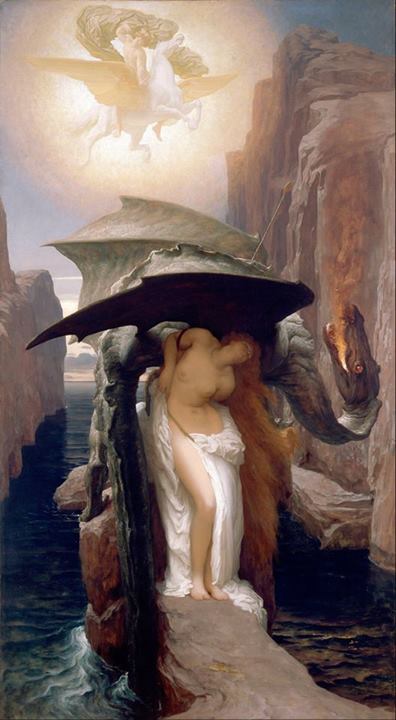 Ethics are a contemporary question. How to build a system of ethics suitable for a polytheist Pagan? For me, the ethical center of my life is Thelema. But as a free-range thelemite, so to speak, I interpret Thelema in an idiosyncratic manner. First, I’m only interested in the ‘Class A’ documents and generally leave Crowley out of the picture. I have read much of Crowley and have a warm spot in my heart for him, but I don’t trust his judgment in too many ways to accept his interpretation of the text. Remember, the very text says he will not understand (AL 3.47). In his writings, e.g., below, he shows that he was very much a man of the period. Thelema is the antithesis of Victorian-Edwardian culture (as any Hegelian would point out). But the core texts themselves, with the Book of the Law having the primary authority, present a profound, ethically focused spiritual system usable in a theurgic or tantric manner.
Some might be shocked to think of Thelema as an ethical system or even a ethically focused type of spirituality, yet by centering on such a notion as ‘Do What Thou Wilt’, Thelema asks the profoundly ethical as well as profoundly spiritual question: what am I to do? Ethics to theologians is one of the seven great categories of spiritual discourse, along with life, death, birth, sex, eating, and cosmology.
Also, many think of ethics in terms of rules. Besides the fact that rule based, punishment and reward ethical systems are mostly suitable for children, Thelema is proudly anti-nomian; it eschews rules and laws. Rather, it has a few maxims and some rather evocative poetry. Given that the fruit of Thelma can be described as individual integration with the Cosmic will, once accomplished, there is no need of rules, just lots of practice.
There are some problematic interpretations of Thelemic ethics. To the extent Scientology is an off-shoot of Thelema as reported variously, it is a rather bad job. Also, there is a more intimate and subtle interpretation that I reject while keeping watch for it in myself. It is ‘solipsistic’ Thelema. This is when a thelemite thinks, feels, believes, or otherwise operates as though they are the only volitional being in space (they are not always conscious of what they are doing). Their behavior tends to run over the intentions of other persons without regard to the fact that those other persons are also volitional agents. Usually might is the justification for such, but each thelemite should remember that Liber Oz (not a Class A text) cuts both ways and remember that the apparently weak can be heavily armed and deadly and are to be treated with according courtesy.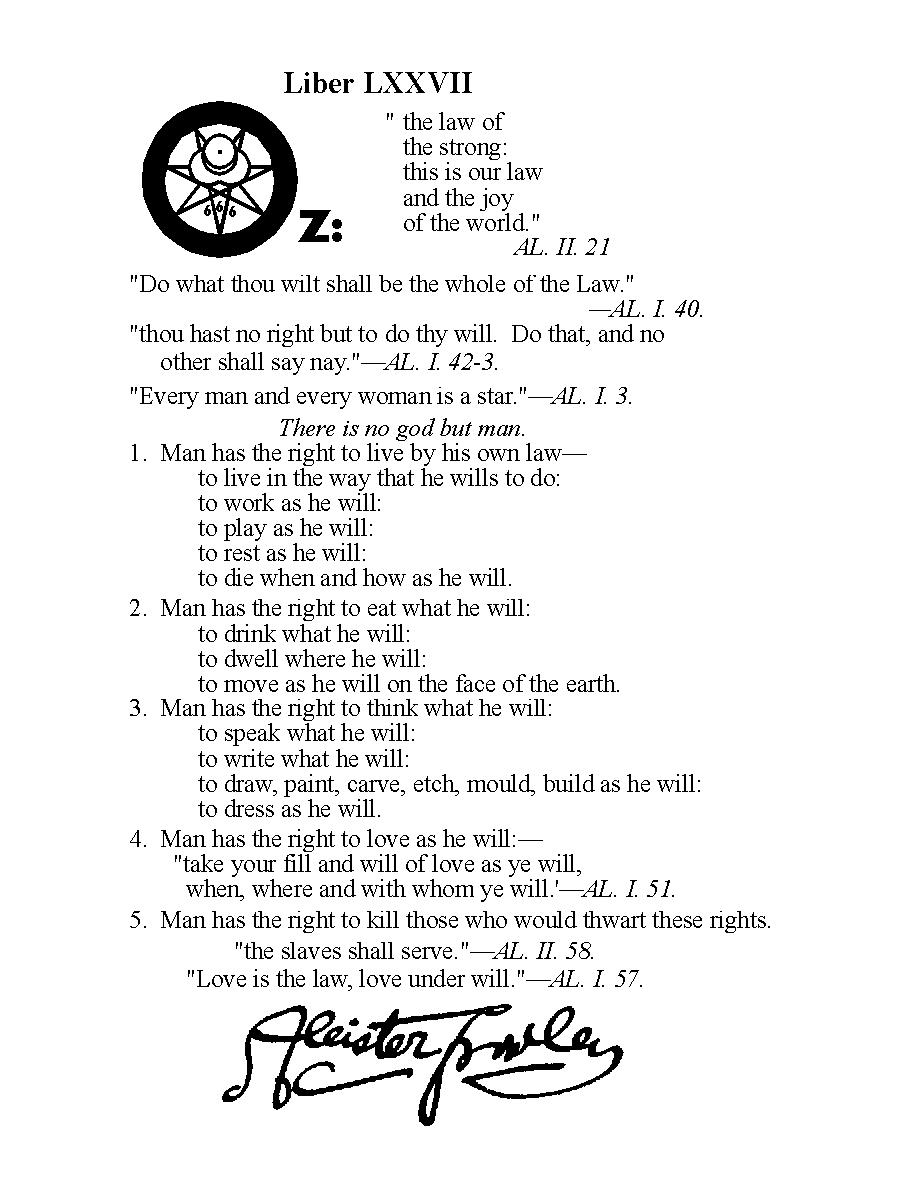
The Thelema I refer to begins by remembering that love is the law. That relationship itself is unavoidable, but we can choose how we are to relate. It reckons that none should force another, respectful of the dignity of each. But it does not begin with saying you must do this and you may not do that. Anything constitutes a potential action. There is no point in saying Thou Shalt not Kill, and then post a list of exceptions. Better to think in terms of the self-determination of all persons in the system, and that which impedes another’s self-determination must be minimized. At times there will be conflict, then to be adjudicated in the court of appropriate jurisdiction, whether in the field of battle, in the boardroom, before a Judge, or at the kitchen table.
But starting with the desire to never interfere with the willed actions of another being, to seek and support the self-determination of all persons including myself, can be the basis for a practical system of ethics.
In daily life, this has developed into a very conscious version of something my mother raised me to do: not bother people, not get in their way, not inconvenience them. It seems to me that a thelemite should be the soul of courtesy. In line with Liber Oz, a brief and rather direct interpretation of the Law of Thelema, the thelemite should presume that everyone, from the man behind the counter, the woman at the desk, the elder hunched over their cane, to even the babe in the bassinet is heavily armed and prone to fire. Then, like in armed societies, hopefully without having to be, courtesy and respectful dealings are the order of the day. The thelemite does so not because the person is armed but because the person deserves to be treated as though they were armed.
But morals are an entirely different kettle of fish. In my reckoning, ethics can be determined by reason and experience. No divine intervention required. Most cultures can work out that stealing, killing, and otherwise abusing each other is bad and must be prevented. Morals come from the Gods, our topic for next time…
Previous Post

October 20, 2016
Working Polytheism Part 2: Means
Next Post

January 31, 2017 Hermes & Morals, Good Night & Good Luck
Browse Our Archives
Select a Category Ancestors At the Herm Deity Yoga Ethics Hermes Pagan Restoration Reincarnation Sam Webster The Dead Theurgy
Select a Month January 2017 October 2016 September 2016 June 2016 May 2016 April 2016 March 2016 February 2016 January 2016 December 2015 November 2015 October 2015 September 2015 August 2015 July 2015 March 2014 February 2014 January 2014 December 2013 November 2013 October 2013 September 2013 August 2013 July 2013 June 2013 May 2013 April 2013
Follow Us!
TAKE THE
Religious Wisdom Quiz
Whom did Paul leave sick at Miletus, showing that early Christians sometimes suffered illness?
Select your answer to see how you score.
Barnabas Timothy Trophimus Silas
Related posts from At the Herm
Hermes & Morals, Good Night & Good Luck
Working Polytheism Part 2: Means

TRENDING AT PATHEOS Pagan

I was recently chatting with someone on Instagram. She asked me what...

While there are many people who share their results, the end of...

On July 23, I saw Christopher Nolan's The Odyssey which is Homer’s...

As I write this two big events have just finished up. One...

Restoring the Watershed of Divine Love
Perhaps cooperation is not something we manufacture through legislation, ideology, or moral...

Many UUs don’t pray because of bad experiences in a previous religion,...
view all Pagan blogs
Ad-Free & Subscriber Log-In Subscription Support
- About Us
- 2026 Calendar
- Videos
- Podcasts
- Library of World Religions
- Faith In Media Tracker
- Advertise With Us
- Write for Us
- Privacy Policy
- Terms of Service
- Do Not Sell My Data
- Contact Us
- Radiant Digital
- Manage Newsletter Subscriptions
- Unsubscribe From Notifications
- Sitemap
Copyright 2008-2026, Patheos. All rights reserved.
Subscription Support Ad-Free & Subscriber Log-In
Follow Patheos