
BuddhistCatholicContemplativeEvangelicalGeneral ChristianHinduJewishLatter-day SaintMuslimNew VisionsProgressive Christian
Beliefs
- Buddhist
- Catholic
- Contemplative
- Evangelical
- General Christian
- Hindu
- Jewish
- Latter-day Saint
- More Voices
- Muslim
- New Visions
- Pagan
- Progressive Christian
Topics
- Religion News
- Food and Religion
- Sports and Religion
- Religious Art
- Religious Music and Entertainment
- Religious Events
- History and Religion
- Style and Religion
- Politics and Religion
- Women in Religion
- Recreation Outdoors and Religion
- Business Finance and Religion
- Careers Workplace and Religion
- Education and Religion
- Family Parenting and Religion
- Health Fitness and Religion
- Home and Religion
- Relationships and Religion
- Technology and Religion
- Travel and Religion
Columnists
- Buddhist Columnists
- Business Finance and Religion Columnists
- Careers Workplace and Religion Columnists
- Catholic Columnists
- Contemplative Columnists
- Education and Religion Columnists
- Evangelists Columnists
- Family Parenting and Religion Columnists
- General Christian Columnists
- Health Fitness and Religion Columnists
- Hindu Columnists
- History and Religion Columnists
- Home and Religion Columnists
- Jewish Columnists
- More Voices Columnists
- Latter Day Columnists
- Muslim Columnists
- New Visions Columnists
- Nonreligious Columnists
- Pagan Columnists
- Politics and Religion Columnists
- Progressive Columnists
- Recreation Outdoors and Religion Columnists
- Relationships and Religion Columnists
- Religion News Columnists
- Religious Art Columnists
- Religious Events Columnists
- Religious Music and Entertainment Columnists
- Sports and Religion Columnists
- Style and Religion Columnists
- Technology and Religion Columnists
- Travel and Religion Columnists
- Women in Religion Columnists
Resource Library
- 2026 Calendar
- Library of World Religions
- The 100 Most Holy Places on Earth
- Patheos Answers
- Podcasts
- Videos
- Faith Leaders Database
- Anglican Episcopalian
- Bahai
- Baptist
- Buddhism
- Christianity
- Confucianism
- Eastern Orthodoxy
- Hinduism
- Holiness and Pentecostal
- ISKCON
- Islam
- Judaism
- Lutheran
- Methodist
- The Church of Jesus Christ of Latter-day Saints
- New Age
- Paganism
- Presbytarian and Reformed
- Protestantism
- Religion Behind the Scenes
- Roman Catholic
- Scientology
- Shia Islam
- Sikhism
- Sufism
- Sunni Islam
- Taoism
- Zen
- See all religions
Research Tools
 Ad-Free & Subscriber Log-In Subscription Support
Ad-Free & Subscriber Log-In Subscription Support
Follow Patheos 

- Trending:
- Forgiveness
- |
- Marriage
- |
- Consciousness
- |
- Death Penalty
- |
- Election
- |
- Halloween
 One Degree to Another
- Home
- Evangelical
- The Best Quotes from The Meaning of Marriage
The Best Quotes from The Meaning of Marriage
Last updated on: March 12, 2016 at 9:51 am by Scott Slayton
The Best Quotes from The Meaning of Marriage 2016-03-12T09:51:11-05:00 Scott Slayton
Patheos Explore the world's faith through different perspectives on religion and spirituality! Patheos has the views of the prevalent religions and spiritualities of the world.

This Summer Beth and I will celebrate our 13th wedding anniversary. Our marriage has been a source of great joy to me and has been the single greatest ingredient in my growth as a man and a Christian. In marriage I have seen my character grow and seen the ugliest aspects of my character come to the fore so I can repent of it.
I find myself consistently looking to the wisdom of couples who have been married longer so I can continue to grow as a husband. Since it’s release a few years ago, have turned to Tim and Kathy Keller’s The Meaning of Marriage multiple times. Their work never ceases to challenge me, and I wanted to share my favorite quotes below.
“When over the years someone has seen you at your worst, and knows you with all your strengths and flaws, yet commits him- or herself to you wholly, it is a consummate experience. To be loved but not known is comforting but superficial. To be known and not loved is our greatest fear. But to be fully known and truly loved is, well, a lot like being loved by God. It is what we need more than anything. It liberates us from pretense, humbles us out of our self-righteousness, and fortifies us for any difficulty life can throw at us.”
“Wedding vows are not a declaration of present love but a mutually binding promise of future love.”
“A marriage relationship unavoidably entails self-denial, even in the most mundane day-to-day living. It is impossible to have a smooth-running relationship with even one person, let alone two, always feeling that his or her desires should have preeminence because of all he or she has been through in life.”
“If we look to our spouses to fill up our tanks in a way that only God can do, we are demanding an impossibility.”
“Marriage has the power to set the course of your life as a whole. If your marriage is strong, even if all the circumstances in your life around you are filled with trouble and weakness, it won’t matter. You will be able to move out into the world in strength.”
“It is the illusion that if we find our one true soul mate, everything wrong with us will be healed; but that makes the lover into God, and no human being can live up to that.”
“Marriage is a major vehicle for the gospel’s remaking of your heart from the inside out and your life from the ground up.”
“The gospel is this: We are more sinful and flawed in ourselves than we ever dared believe, yet at the very same time we are more loved and accepted in Jesus Christ than we ever dared hope.”
“Only if you have learned to serve others by the power of the Holy Spirit will you have the power to face the challenges of marriage.”
“Whether we are husband or wife, we are not to live for ourselves but for the other. And that is the hardest yet single most important function of being a husband or a wife in marriage.”
“But Smedes argues eloquently that promising is the means to freedom. In promising, you limit options now, in order to have wonderful, fuller options later. You curb your freedom now, so that you can be free to be there in the future for people who trust you.”
“In any relationship, there will be frightening spells in which your feelings of love dry up. And when that happens you must remember that the essence of marriage is that it is a covenant, a commitment, a promise of future love. So what do you do? You do the acts of love, despite your lack of feeling. You may not feel tender, sympathetic, and eager to please, but in your actions you must BE tender, understanding, forgiving and helpful. And, if you do that, as time goes on you will not only get through the dry spells, but they will become less frequent and deep, and you will become more constant in your feelings. This is what can happen if you decide to love.”
“Love without truth is sentimentality; it supports and affirms us but keeps us in denial about our flaws. Truth without love is harshness; it gives us information but in such a way that we cannot really hear it. God’s saving love in Christ, however, is marked by both radical truthfulness about who we are and yet also radical, unconditional commitment to us. The merciful commitment strengthens us to see the truth about ourselves and repent. The conviction and repentance moves us to cling to and rest in God’s mercy and grace.”
“Our culture says that feelings of love are the basis for actions of love. And of course that can be true. But it is truer to say that actions of love can lead consistently to feelings of love.”
“The Christian teaching does not offer a choice between fulfillment and sacrifice but rather mutual fulfillment through mutual sacrifice. Jesus gave himself up; he died to himself to save us and make us his. Now we give ourselves up, we die to ourselves, first when we repent and believe the gospel, and later as we submit to his will day by day. Subordinating ourselves to him, however, is radically safe, because he has already shown that he was willing to go to hell and back for us. This banishes fears that loving surrender means loss of oneself.”
“The reason that marriage is so painful and yet wonderful is because it is a reflection of the gospel, which is painful and wonderful at once. The gospel is this: We are more sinful and flawed in ourselves than we ever dared believe, yet at the very same time we are more loved and accepted in Jesus Christ than we ever dared hope. This is the only kind of relationship that will really transform us. Love without truth is sentimentality; it supports and affirms us but keeps us in denial about our flaws. Truth without love is harshness; it gives us information but in such a way that we cannot really hear it. God’s saving love in Christ, however, is marked by both radical truthfulness about who we are and yet also radical, unconditional commitment to us. The merciful commitment strengthens us to see the truth about ourselves and repent. The conviction and repentance moves us to cling to and rest in God’s mercy and grace.”
“The gospel can fill our hearts with God’s love so that you can handle it when your spouse fails to love you as he or she should. That frees us to see our spouse’s sins and flaws to the bottom—and speak of them—and yet still love and accept our spouse fully. And when, by the power of the gospel, our spouse experiences that same kind of truthful yet committed love, it enables our spouses to show us that same kind of transforming love when the time comes for it.”
“Over the years you will go through seasons in which you have to learn to love a person who you didn’t marry, who is something of a stranger. You will have to make changes that you don’t want to make, and so will your spouse. The journey may eventually take you into a strong, tender, joyful marriage. But it is not because you married the perfectly compatible person. That person doesn’t exist.”
“The deep happiness that marriage can bring, then, lies on the far side of sacrificial service in the power of the Spirit. That is, you only discover your own happiness after each of you has put the happiness of your spouse ahead of your own, in a sustained way, in response to what Jesus has done for you. Some will ask, “If I put the happiness of my spouse ahead of my own needs—then what do I get out of it?” The answer is—happiness. That is what you get, but a happiness through serving others instead of using them, a happiness that won’t be bad for you. It is the joy that comes from giving joy, from loving another person in a costly way.”
Previous Post

March 10, 2016
A Few Good Reads
Next Post
March 16, 2016 To the Parents of Young Children
Browse Our Archives
Select a Category Bible Books Church Life Marriage Parenting Photos The Ministry Uncategorized
Select a Month August 2021 July 2021 June 2021 February 2021 December 2020 November 2020 October 2020 March 2020 July 2019 April 2019 December 2018 November 2018 October 2018 September 2018 August 2018 July 2018 June 2018 May 2018 April 2018 March 2018 February 2018 January 2018 December 2017 November 2017 October 2017 September 2017 August 2017 July 2017 June 2017 May 2017 April 2017 March 2017 February 2017 January 2017 December 2016 November 2016 October 2016 September 2016 August 2016 July 2016 June 2016 May 2016 April 2016 March 2016 February 2016 January 2016 December 2015 November 2015 October 2015 September 2015 August 2015 July 2015 May 2015 April 2015 March 2015 February 2015 January 2015 December 2014 November 2014 October 2014 September 2014 August 2014 July 2014 June 2014 May 2014 April 2014 March 2014 February 2014 January 2014 December 2013 November 2013 October 2013 September 2013 August 2013 July 2013
Follow Us!
TAKE THE
Religious Wisdom Quiz
What did Eve eat in the Garden of Eden?
Select your answer to see how you score.
An unclean animal A vine branch Fruit from the Tree of Knowledge Bread
Related posts from One Degree to Another
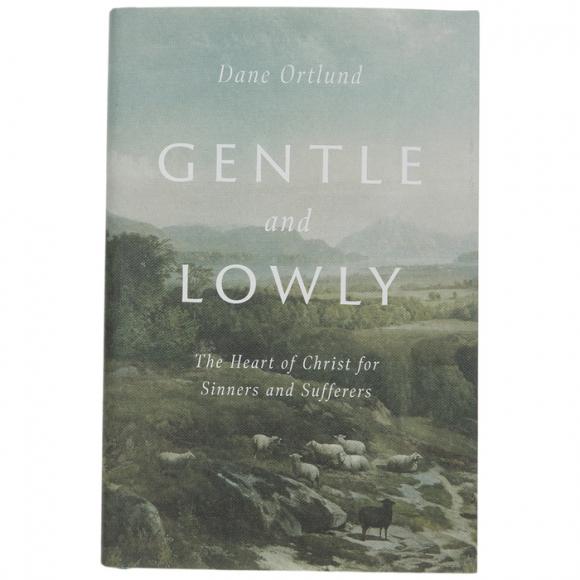
The Best Quotes from Gentle and Lowly
The Best Quotes from The Possibility of Prayer
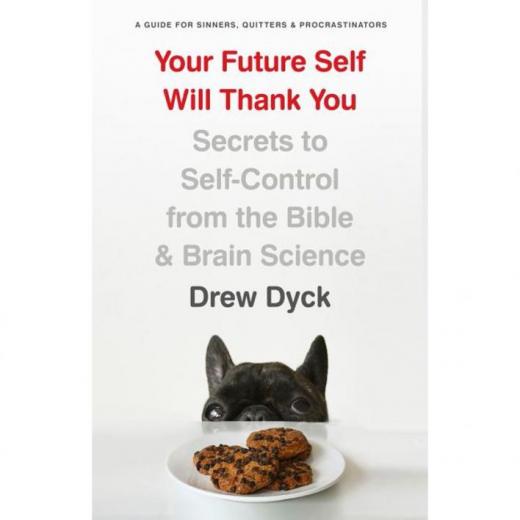
The Best Quotes from Your Future Self Will...

TRENDING AT PATHEOS Evangelical

The REST of Your Life: A Creative Wrestles...
This week I had a conversation with a good friend from church....

How the author of the world's best hymn...
I've been working with John Newton for a while now. This makes...

Long before this Lectio Divina, Psalm 130 - the song - started...

What About the Trees? Another Living Parable
After I finished writing the last article about falling leaves as a...

Why Classical Education Is a Conversation, Not a...
Come and Read: Joy in Classical Education When I was a little...

Cornell University has received a great deal of negative publicity and intense...
view all Evangelical blogs
Ad-Free & Subscriber Log-In Subscription Support
- About Us
- 2026 Calendar
- Videos
- Podcasts
- Library of World Religions
- Faith In Media Tracker
- Advertise With Us
- Write for Us
- Privacy Policy
- Terms of Service
- Do Not Sell My Data
- Contact Us
- Radiant Digital
- Manage Newsletter Subscriptions
- Unsubscribe From Notifications
- Sitemap
Copyright 2008-2026, Patheos. All rights reserved.
Subscription Support Ad-Free & Subscriber Log-In
Follow Patheos