
BuddhistCatholicContemplativeEvangelicalGeneral ChristianHinduJewishLatter-day SaintMuslimNew VisionsProgressive Christian
Beliefs
- Buddhist
- Catholic
- Contemplative
- Evangelical
- General Christian
- Hindu
- Jewish
- Latter-day Saint
- More Voices
- Muslim
- New Visions
- Pagan
- Progressive Christian
Topics
- Religion News
- Food and Religion
- Sports and Religion
- Religious Art
- Religious Music and Entertainment
- Religious Events
- History and Religion
- Style and Religion
- Politics and Religion
- Women in Religion
- Recreation Outdoors and Religion
- Business Finance and Religion
- Careers Workplace and Religion
- Education and Religion
- Family Parenting and Religion
- Health Fitness and Religion
- Home and Religion
- Relationships and Religion
- Technology and Religion
- Travel and Religion
Columnists
- Buddhist Columnists
- Business Finance and Religion Columnists
- Careers Workplace and Religion Columnists
- Catholic Columnists
- Contemplative Columnists
- Education and Religion Columnists
- Evangelists Columnists
- Family Parenting and Religion Columnists
- General Christian Columnists
- Health Fitness and Religion Columnists
- Hindu Columnists
- History and Religion Columnists
- Home and Religion Columnists
- Jewish Columnists
- More Voices Columnists
- Latter Day Columnists
- Muslim Columnists
- New Visions Columnists
- Nonreligious Columnists
- Pagan Columnists
- Politics and Religion Columnists
- Progressive Columnists
- Recreation Outdoors and Religion Columnists
- Relationships and Religion Columnists
- Religion News Columnists
- Religious Art Columnists
- Religious Events Columnists
- Religious Music and Entertainment Columnists
- Sports and Religion Columnists
- Style and Religion Columnists
- Technology and Religion Columnists
- Travel and Religion Columnists
- Women in Religion Columnists
Resource Library
- 2026 Calendar
- Library of World Religions
- The 100 Most Holy Places on Earth
- Patheos Answers
- Podcasts
- Videos
- Faith Leaders Database
- Anglican Episcopalian
- Bahai
- Baptist
- Buddhism
- Christianity
- Confucianism
- Eastern Orthodoxy
- Hinduism
- Holiness and Pentecostal
- ISKCON
- Islam
- Judaism
- Lutheran
- Methodist
- The Church of Jesus Christ of Latter-day Saints
- New Age
- Paganism
- Presbytarian and Reformed
- Protestantism
- Religion Behind the Scenes
- Roman Catholic
- Scientology
- Shia Islam
- Sikhism
- Sufism
- Sunni Islam
- Taoism
- Zen
- See all religions
Research Tools
 Ad-Free & Subscriber Log-In Subscription Support
Ad-Free & Subscriber Log-In Subscription Support
Follow Patheos 

- Trending:
- Forgiveness
- |
- Marriage
- |
- Consciousness
- |
- Death Penalty
- |
- Election
- |
- Halloween
 One Degree to Another
- Home
- Evangelical
- Why You Should Read the Old Testament History Books
Why You Should Read the Old Testament History Books
Last updated on: October 14, 2015 at 10:05 am by Scott Slayton
Why You Should Read the Old Testament History Books 2015-10-14T10:05:54-05:00 Scott Slayton
Patheos Explore the world's faith through different perspectives on religion and spirituality! Patheos has the views of the prevalent religions and spiritualities of the world.

photo credit: Palestine_Jerusalem_al-Walaja_NK27716 via photopin (license)
Our church worked through the first half of David’s life during our Sunday morning sermons over the last few months. I found I had been guilty of neglecting the Old Testament historical books in my preaching and devotional reading. In sermons I had only covered the book of Ruth since our church started in 2010 and in devotional reading I usually read these books at a faster pace. By approaching Joshua, Judges, Ruth, Samuel, Kings, Chronicles, Ezra, Nehemiah, and Esther in this was I deprived both myself and my church of beautiful portraits of who God is and how he is at work in our world.
I highly doubt my experience is different from that of most Christians, pastors, and churches. We are at home in Paul’s letters and some portions of the Gospels. When we turn to the Old Testament it is usually to the better known ground of the Psalms and Proverbs. (Though we tend to only traverse through familiar Psalms and skip the harder ones.) In this post I want to encourage you devote attention in your Bible reading to the Old Testament historical books. (And if you are a pastor to preach them.)
Gripping Narratives
When we sit down and read the historical books we begin to realize what gripping narratives they are. In these narratives we encounter men and women trapped in difficult and extraordinary circumstances and see how they faced them. We see stories of love, betrayal, cowardice, courage, and outright evil. In our Christian culture where we are always looking for a practical “takeaway,” we should learn to sit and enjoy these narratives of God’s work among his people.
Wisdom for Practical Living
When you think of the characteristics of wisdom and godly living listed in Proverbs and the Epistles, we see what they look like fleshed out in the historical books. In James 1 we read, “But each person is tempted when he is lured and enticed by his own desire. Then desire when it has conceived gives birth to sin, and sin when it is fully grown brings forth death.” Think about this passage in light of David’s adulterous relationship with Bathsheba and the murder he arranged to cover up his sin. David’s adultery with Bathsheba began when he entertained his lusts and gave into them. Then the full blossom of his sin led to death and tragedy. We read this principle in James and can understand it, but David gives us a vivid picture from which we can learn.
Reveal the character of God
Often we read the narratives in the history books and focus on the human characters to the exclusion of the ultimate main character. In some way shape are form, God in his trinitarian glory is the focus of every biblical narrative. Near the beginning of our church’s series on the life of David we looked at the Philistines capturing the ark of the covenant. In this passage the Philistines put the ark of the covenant in the temple of their god Dagon. The next morning they went into the room and Dagon had fallen over in front of the ark. They put him back into his place. (What kind of “god” needs to be picked up by human beings?) The next morning they discovered Dagon lying before the ark with his head chopped off and his limbs displaced. He was nothing but an impotent stump lying before the ark of the covenant. This incident reveals the incomparability of God. There is no one like him, and we know this because of what happened when this pagan deity encountered the emblem of the one true God’s presence among his people Israel. The Old Testament history books are littered with other encounters like this which reveal the character of God to us.
Point to the Work of Christ
The history books lead us to faith in the finished work of Christ in diverse ways. The one long story running through the history books continues the story of God’s work among his people leading up to and through the Exodus. This story helps us to further understand the Messiah who is to come and only reaches its true climax in the life, death, resurrection, reign, and return of Christ. David serves as the central human character in these narratives. Everything in Joshua, Judges, Ruth, and 1 Samuel sets the table for his reign over Israel and all of the events after find their significance in light of his life and the promises God made to him. At the same time the life of David obviously pointed beyond him because neither he nor his immediate offspring fulfilled the promises made to him. Then when Jesus appears on the scene the writers of the Gospels present him as the one who fulfills the promises made to David. His work as the heavenly king and humble servant are best understood in light of the Old Testament’s witness to him.
Where to Start
If you have never read the historical books, I would start with 1 and 2 Samuel. While you will miss some of the background from Joshua and Judges, these are the best two books for diving into the heart of the historical books. As you read, note who the main characters are in the narrative and what challenges they are facing. Look and see if any of the Psalms were based on this passage. Look to see if any of the verses in your chapter are quoted in the New Testament. How did the New Testament writers understand this event? Are there any themes in this passage which point to what Jesus did in his life, death, and resurrection? Meditate on the actions on the people in the narrative. Do they display character traits which teach you about the Christian life or warn to of sin to avoid? Does God make any promises in this passage you need to mark and remember?
If you read one chapter a day in 1 and 2 Samuel, by Christmas you will have made significant progress in understanding the great story of how God has worked to bring redemption to his people.
Related Posts:
“Why You Should Read the Psalms”
“Why You Should Read the Bible”
For Further Reading:
Handbook on the Historical Books by Victor Hamilton
Previous Post

October 10, 2015
A Few Good Reads
Next Post

October 20, 2015 What I Learned Growing Up in a Small Town
Browse Our Archives
Select a Category Bible Books Church Life Marriage Parenting Photos The Ministry Uncategorized
Select a Month August 2021 July 2021 June 2021 February 2021 December 2020 November 2020 October 2020 March 2020 July 2019 April 2019 December 2018 November 2018 October 2018 September 2018 August 2018 July 2018 June 2018 May 2018 April 2018 March 2018 February 2018 January 2018 December 2017 November 2017 October 2017 September 2017 August 2017 July 2017 June 2017 May 2017 April 2017 March 2017 February 2017 January 2017 December 2016 November 2016 October 2016 September 2016 August 2016 July 2016 June 2016 May 2016 April 2016 March 2016 February 2016 January 2016 December 2015 November 2015 October 2015 September 2015 August 2015 July 2015 May 2015 April 2015 March 2015 February 2015 January 2015 December 2014 November 2014 October 2014 September 2014 August 2014 July 2014 June 2014 May 2014 April 2014 March 2014 February 2014 January 2014 December 2013 November 2013 October 2013 September 2013 August 2013 July 2013
Follow Us!
TAKE THE
Religious Wisdom Quiz
On which sea did Jesus calm a storm and walk on water?
Select your answer to see how you score.
Sea of Galilee Aegean Sea Red Sea Dead Sea
Related posts from One Degree to Another

The Lord is Near in Our Pain- 1...
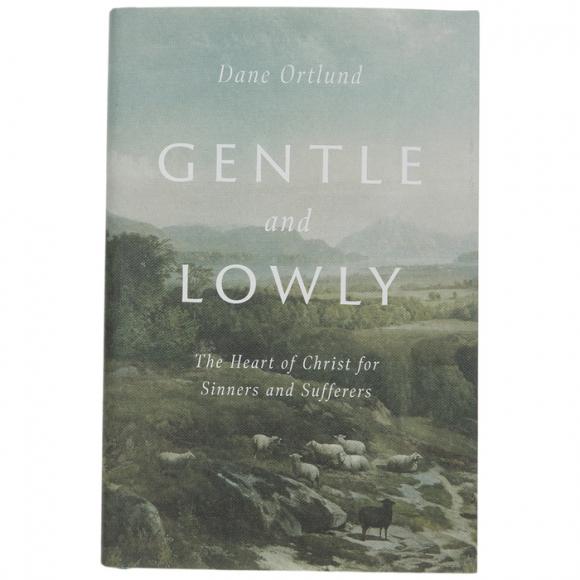
The Best Quotes from Gentle and Lowly

Why You Should Embrace Boredom
The Best Quotes from The Possibility of Prayer
TRENDING AT PATHEOS Evangelical

The REST of Your Life: A Creative Wrestles...
This week I had a conversation with a good friend from church....

How the author of the world's best hymn...
I've been working with John Newton for a while now. This makes...

Long before this Lectio Divina, Psalm 130 - the song - started...

What About the Trees? Another Living Parable
After I finished writing the last article about falling leaves as a...

Why Classical Education Is a Conversation, Not a...
Come and Read: Joy in Classical Education When I was a little...

Cornell University has received a great deal of negative publicity and intense...
view all Evangelical blogs
Ad-Free & Subscriber Log-In Subscription Support
- About Us
- 2026 Calendar
- Videos
- Podcasts
- Library of World Religions
- Faith In Media Tracker
- Advertise With Us
- Write for Us
- Privacy Policy
- Terms of Service
- Do Not Sell My Data
- Contact Us
- Radiant Digital
- Manage Newsletter Subscriptions
- Unsubscribe From Notifications
- Sitemap
Copyright 2008-2026, Patheos. All rights reserved.
Subscription Support Ad-Free & Subscriber Log-In
Follow Patheos