
BuddhistCatholicContemplativeEvangelicalGeneral ChristianHinduJewishLatter-day SaintMuslimNew VisionsProgressive Christian
Beliefs
- Buddhist
- Catholic
- Contemplative
- Evangelical
- General Christian
- Hindu
- Jewish
- Latter-day Saint
- More Voices
- Muslim
- New Visions
- Pagan
- Progressive Christian
Topics
- Religion News
- Food and Religion
- Sports and Religion
- Religious Art
- Religious Music and Entertainment
- Religious Events
- History and Religion
- Style and Religion
- Politics and Religion
- Women in Religion
- Recreation Outdoors and Religion
- Business Finance and Religion
- Careers Workplace and Religion
- Education and Religion
- Family Parenting and Religion
- Health Fitness and Religion
- Home and Religion
- Relationships and Religion
- Technology and Religion
- Travel and Religion
Columnists
- Buddhist Columnists
- Business Finance and Religion Columnists
- Careers Workplace and Religion Columnists
- Catholic Columnists
- Contemplative Columnists
- Education and Religion Columnists
- Evangelists Columnists
- Family Parenting and Religion Columnists
- General Christian Columnists
- Health Fitness and Religion Columnists
- Hindu Columnists
- History and Religion Columnists
- Home and Religion Columnists
- Jewish Columnists
- More Voices Columnists
- Latter Day Columnists
- Muslim Columnists
- New Visions Columnists
- Nonreligious Columnists
- Pagan Columnists
- Politics and Religion Columnists
- Progressive Columnists
- Recreation Outdoors and Religion Columnists
- Relationships and Religion Columnists
- Religion News Columnists
- Religious Art Columnists
- Religious Events Columnists
- Religious Music and Entertainment Columnists
- Sports and Religion Columnists
- Style and Religion Columnists
- Technology and Religion Columnists
- Travel and Religion Columnists
- Women in Religion Columnists
Resource Library
- 2026 Calendar
- Library of World Religions
- The 100 Most Holy Places on Earth
- Patheos Answers
- Podcasts
- Videos
- Faith Leaders Database
- Anglican Episcopalian
- Bahai
- Baptist
- Buddhism
- Christianity
- Confucianism
- Eastern Orthodoxy
- Hinduism
- Holiness and Pentecostal
- ISKCON
- Islam
- Judaism
- Lutheran
- Methodist
- The Church of Jesus Christ of Latter-day Saints
- New Age
- Paganism
- Presbytarian and Reformed
- Protestantism
- Religion Behind the Scenes
- Roman Catholic
- Scientology
- Shia Islam
- Sikhism
- Sufism
- Sunni Islam
- Taoism
- Zen
- See all religions
Research Tools
 Ad-Free & Subscriber Log-In Subscription Support
Ad-Free & Subscriber Log-In Subscription Support
Follow Patheos 

- Trending:
- Forgiveness
- |
- Marriage
- |
- Consciousness
- |
- Death Penalty
- |
- Election
- |
- Halloween
 Oikonomia
- Home
- Business, Finance and Religion
- 3 Things to Know About Stewardship
3 Things to Know About Stewardship
Last updated on: June 14, 2016 at 11:04 pm by Acton Institute
3 Things to Know About Stewardship 2016-06-14T23:04:55-04:00 Acton Institute
Patheos Explore the world's faith through different perspectives on religion and spirituality! Patheos has the views of the prevalent religions and spiritualities of the world.
By Joe Carter
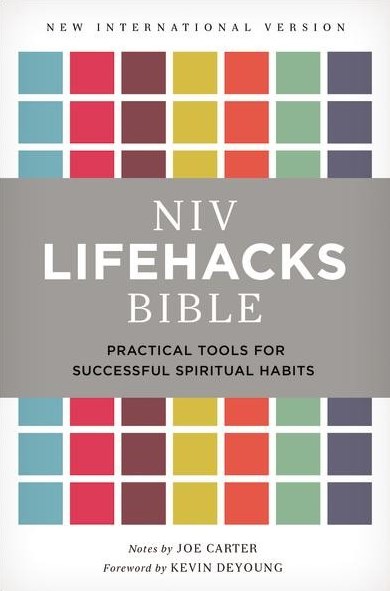 Note: Please forgive the self-promotion, but since my new book — the NIV Lifehacks Bible — is being released today, I thought I’d provide an excerpt from Genesis.
Sold into slavery, Joseph is put in charge of Potiphar’s household. Potiphar “entrusted to his care everything he owned. From the time he put him in charge of his household and of all that he owned, the Lord blessed the household of the Egyptian because of Joseph” (Genesis 39:4-5).
The word stewardship comes from the Greek word oikonomia, which refers to someone who manages a household and is the root of the English word “economy.” Joseph began by controlling a household and would eventually control the entire economy of Egypt. In all of history, there have been few stewards who gained the status and power of Joseph.
Stewardship is an important concept in the Bible, since we are stewards in God’s household, his economy of all things. Here are three things we should know about stewardship:
1. God made humans stewards over creation.
God has made humans “rulers over the works” of his hands (Ps 8:5-6). We’re entrusted with the resources of the Earth not for our own exploitation but for the cultivation of its use for the good of ourselves, our neighbors, and for those who come after us.
2. Stewardship is about all of life.
Too often we tend to think of stewardship only in relation to finances (e.g., a church’s stewardship committee) or the environment (e.g., creation care). While both of these are important parts of God’s economy, biblical stewardship is much broader. As Stephen Grabill explains, stewardship is a “form of whole-life discipleship that embraces every legitimate vocation and calling to fulfill God’s mission in the world.” And as Hugh Whelchel adds, “Stewardship is not one more thing we have to do, but a way of seeing everything we already do in a very different light.”
3. The basic form of stewardship is daily work.
Work is the primary way in which we serve our neighbor. As Rev. Robert Sirico has said, “The Scripture provides an insight into our nature: We are all, man and woman, called into this life to find our vocation, the work that is uniquely ours and contributes to the flourishing of the wider community.”
Takeaway: Stewardship is the wise use of every resources entrusted to us by God – whether money, skill, time, talent, or position — for his purposes.
Originally published at the Acton PowerBlog
Previous Post

June 6, 2016
David Brat on the Need for Theologians Who Understand Economics
Next Post

June 22, 2016 Gospel as Oasis: Bringing Economic Flourishing to Urban Deserts
Browse Our Archives
Select a Category Art Charity Church Common Grace Culture Curriculum Economics Education Family Justice Order Theology Uncategorized Vocation Wisdom Wonder Work
Select a Month January 2017 December 2016 November 2016 October 2016 September 2016 August 2016 July 2016 June 2016 May 2016 April 2016 March 2016 February 2016 January 2016 December 2015 November 2015 October 2015 September 2015 August 2015 July 2015 June 2015 May 2015 April 2015 March 2015 February 2015 January 2015 December 2014 November 2014 October 2014 September 2014 August 2014
Follow Us!
TAKE THE
Religious Wisdom Quiz
My hair held my strength, but a woman's betrayal led to my capture and blindness. Who am I?
Select your answer to see how you score.
Gideon Samson Saul Absalom
Related posts from Oikonomia

Lessons on Christian Vocation from ‘Chewbacca Mom’
What Christians Can Learn from Adam Smith’s ‘Paradox...


Help People, Not Banks: Reflections on the 2016...
TRENDING AT PATHEOS Business, Finance and Religion

St. Francis by Bill Droel Pope Leo XIV declares 2026 as “Year...

Catholics are schooled in the faith by memorizing dogmatic points and lots...

The Good News of Our Human Limitations -...
After another day of trying to meet deadlines and working on projects,...

Quiet Holy Attentiveness (podcast) with Sarah Clarkson
We know that quiet is an essential aspect of the spiritual life,...

Every Vocation Everywhere All At Once
What is a vocation? How does it endure through the years? Can...

I promise this is not going to become a Taylor Swift Studies...
view all Business, Finance and Religion blogs
Ad-Free & Subscriber Log-In Subscription Support
- About Us
- 2026 Calendar
- Videos
- Podcasts
- Library of World Religions
- Faith In Media Tracker
- Advertise With Us
- Write for Us
- Privacy Policy
- Terms of Service
- Do Not Sell My Data
- Contact Us
- Radiant Digital
- Manage Newsletter Subscriptions
- Unsubscribe From Notifications
- Sitemap
Copyright 2008-2026, Patheos. All rights reserved.
Subscription Support Ad-Free & Subscriber Log-In
Follow Patheos