
BuddhistCatholicContemplativeEvangelicalGeneral ChristianHinduJewishLatter-day SaintMuslimNew VisionsProgressive Christian
Beliefs
- Buddhist
- Catholic
- Contemplative
- Evangelical
- General Christian
- Hindu
- Jewish
- Latter-day Saint
- More Voices
- Muslim
- New Visions
- Pagan
- Progressive Christian
Topics
- Religion News
- Food and Religion
- Sports and Religion
- Religious Art
- Religious Music and Entertainment
- Religious Events
- History and Religion
- Style and Religion
- Politics and Religion
- Women in Religion
- Recreation Outdoors and Religion
- Business Finance and Religion
- Careers Workplace and Religion
- Education and Religion
- Family Parenting and Religion
- Health Fitness and Religion
- Home and Religion
- Relationships and Religion
- Technology and Religion
- Travel and Religion
Columnists
- Buddhist Columnists
- Business Finance and Religion Columnists
- Careers Workplace and Religion Columnists
- Catholic Columnists
- Contemplative Columnists
- Education and Religion Columnists
- Evangelists Columnists
- Family Parenting and Religion Columnists
- General Christian Columnists
- Health Fitness and Religion Columnists
- Hindu Columnists
- History and Religion Columnists
- Home and Religion Columnists
- Jewish Columnists
- More Voices Columnists
- Latter Day Columnists
- Muslim Columnists
- New Visions Columnists
- Nonreligious Columnists
- Pagan Columnists
- Politics and Religion Columnists
- Progressive Columnists
- Recreation Outdoors and Religion Columnists
- Relationships and Religion Columnists
- Religion News Columnists
- Religious Art Columnists
- Religious Events Columnists
- Religious Music and Entertainment Columnists
- Sports and Religion Columnists
- Style and Religion Columnists
- Technology and Religion Columnists
- Travel and Religion Columnists
- Women in Religion Columnists
Resource Library
- 2026 Calendar
- Library of World Religions
- The 100 Most Holy Places on Earth
- Patheos Answers
- Podcasts
- Videos
- Faith Leaders Database
- Anglican Episcopalian
- Bahai
- Baptist
- Buddhism
- Christianity
- Confucianism
- Eastern Orthodoxy
- Hinduism
- Holiness and Pentecostal
- ISKCON
- Islam
- Judaism
- Lutheran
- Methodist
- The Church of Jesus Christ of Latter-day Saints
- New Age
- Paganism
- Presbytarian and Reformed
- Protestantism
- Religion Behind the Scenes
- Roman Catholic
- Scientology
- Shia Islam
- Sikhism
- Sufism
- Sunni Islam
- Taoism
- Zen
- See all religions
Research Tools
 Ad-Free & Subscriber Log-In Subscription Support
Ad-Free & Subscriber Log-In Subscription Support
Follow Patheos 

- Trending:
- Forgiveness
- |
- Marriage
- |
- Consciousness
- |
- Death Penalty
- |
- Election
- |
- Halloween
 Oikonomia
- Home
- Business, Finance and Religion
- Why Being Poor Is Too Expensive
Why Being Poor Is Too Expensive
Last updated on: December 4, 2015 at 11:51 am by Acton Institute
Why Being Poor Is Too Expensive 2015-12-04T11:51:41-04:00 Acton Institute
Patheos Explore the world's faith through different perspectives on religion and spirituality! Patheos has the views of the prevalent religions and spiritualities of the world.
By Joe Carter
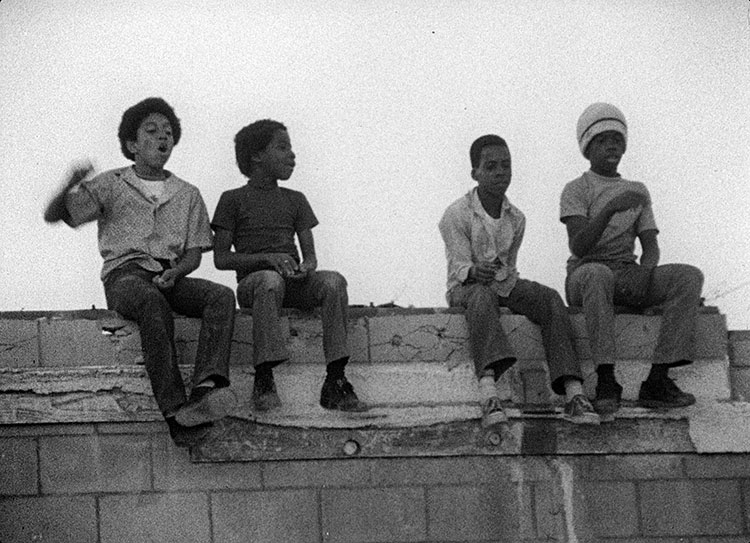 In the critically acclaimed, though rarely seen, movie Killer of Sheep (1978) there’s a scene that highlights why being poor can be so expensive.
The film is about a black family living in the Watts section of Los Angeles in the 1970s. In an attempt to escape the drudgery of their everyday life, the family decides to join some friends one Saturday in taking a day trip out to the country. Before they can even get out of Watts, though, the car gets a flat tire. They don’t have a spare so they have to ride back home on the rim.
Not much is made of the event by the characters in the movie, but those who are poor (or have ever been poor) know exactly what it means. If they weren’t able to pay for a small repair like a flat tire they certainly won’t be able to pay for the damage that comes from a bent rim. The car will either be abandoned or be sold for scrap. Either way, it means the same thing: they no longer have a car. Life for them will became just a little bit harder, a slight more miserable.
That’s one of the worst things about begin poor: almost everything becomes a luxury good.
If you’re higher up on the economic ladder you get things fixed, whether tire or teeth, before the repairs become even worse and become more costly. But when you’re poor, even small repairs are more than you can afford. And they lead to catastrophic consequences. It’s not that you’re ignoring a situation or ignorant about the inevitable disastrous outcome. You know it’s a problem and that it’ll be an even bigger problem in the future. There’s just not much you can do about it.
Eric Ravenscraft has an excellent example of how this happens:
Transportation has two major hidden costs when you’re poor. First, lots of expensive car repairs are avoidable…if you have money to fix them early on. I used to ignore changing my brake pads for months. My car would start making that familiar squealing noise that indicated I didn’t have much time left before the brake pads were gone. I hated the noise, but I hated overdrafting on my account more. So, I turned the stereo up a little louder and tried to drive less.
Replacing brake pads can cost an average of $145, depending on your car. If I had to spend $145 to change my brake pads (assuming I even had that much in my account), at best I’d wipe out my food budget for the month. At worst, I wouldn’t have enough to pay utilities. So I’d put it off.
On at least one occasion, my brakes got so bad they were grinding down the rotors. In case you’ve never had this happen, grinding rotors makes a terrible, metal-on-metal sound. Replacing a rotor also costs hundreds more than replacing brake pads. Sure, I successfully put off one expense, but when the rotors broke, I was screwed. The longer I waited on basic maintenance, the more expensive the repairs got.
Waiting was often my only option, though. Unlike buying healthy food, there were times I literally didn’t have the money. Not “I have this money, but I shouldn’t spend it.” More like, the car repair is $145 and I have $12 in my account. And I still have to drive my car to work. There’s no third option.
Ravenscraft’s article—which I highly recommend reading it its entirety—contains other examples of how poverty can be brutally expensive. It’s important for more Americans to understand this point. In fact, if I could make people who have never been poor understand just one thing, it would be how insanely expensive life can become for the working poor.
Much of the discussion about poverty in our country tends to focus on the macro level. While it’s important to consider broad, general effects like unemployment or welfare policy, it’s just as essential to consider what we can do on a more personal level. There is so much we Christians can do for the poor, both as individuals and churches, if we simply take the time to find answers to the question, “How can I make life less expensive for the poor?”
Originally published at the Acton PowerBlog
Image credit: Milestone Films
Previous Post
December 2, 2015
Why the Gospel Is Necessary in Economic Development
Next Post

December 7, 2015 Envy in a Time of Inequality
Browse Our Archives
Select a Category Art Charity Church Common Grace Culture Curriculum Economics Education Family Justice Order Theology Uncategorized Vocation Wisdom Wonder Work
Select a Month January 2017 December 2016 November 2016 October 2016 September 2016 August 2016 July 2016 June 2016 May 2016 April 2016 March 2016 February 2016 January 2016 December 2015 November 2015 October 2015 September 2015 August 2015 July 2015 June 2015 May 2015 April 2015 March 2015 February 2015 January 2015 December 2014 November 2014 October 2014 September 2014 August 2014
Follow Us!
TAKE THE
Religious Wisdom Quiz
What does the Bible say about pride?
Select your answer to see how you score.
It goes before a fall It's ignored Pride is the best It's always good
Related posts from Oikonomia

Thomas Sowell on the Origins of Prosperity


Lessons on Christian Vocation from ‘Chewbacca Mom’

Are Christianity and Communism Mutually Exclusive?
TRENDING AT PATHEOS Business, Finance and Religion

St. Francis by Bill Droel Pope Leo XIV declares 2026 as “Year...

Catholics are schooled in the faith by memorizing dogmatic points and lots...

The Good News of Our Human Limitations -...
After another day of trying to meet deadlines and working on projects,...

Quiet Holy Attentiveness (podcast) with Sarah Clarkson
We know that quiet is an essential aspect of the spiritual life,...

Every Vocation Everywhere All At Once
What is a vocation? How does it endure through the years? Can...

I promise this is not going to become a Taylor Swift Studies...
view all Business, Finance and Religion blogs
Ad-Free & Subscriber Log-In Subscription Support
- About Us
- 2026 Calendar
- Videos
- Podcasts
- Library of World Religions
- Faith In Media Tracker
- Advertise With Us
- Write for Us
- Privacy Policy
- Terms of Service
- Do Not Sell My Data
- Contact Us
- Radiant Digital
- Manage Newsletter Subscriptions
- Unsubscribe From Notifications
- Sitemap
Copyright 2008-2026, Patheos. All rights reserved.
Subscription Support Ad-Free & Subscriber Log-In
Follow Patheos