
BuddhistCatholicContemplativeEvangelicalGeneral ChristianHinduJewishLatter-day SaintMuslimNew VisionsProgressive Christian
Beliefs
- Buddhist
- Catholic
- Contemplative
- Evangelical
- General Christian
- Hindu
- Jewish
- Latter-day Saint
- More Voices
- Muslim
- New Visions
- Pagan
- Progressive Christian
Topics
- Religion News
- Food and Religion
- Sports and Religion
- Religious Art
- Religious Music and Entertainment
- Religious Events
- History and Religion
- Style and Religion
- Politics and Religion
- Women in Religion
- Recreation Outdoors and Religion
- Business Finance and Religion
- Careers Workplace and Religion
- Education and Religion
- Family Parenting and Religion
- Health Fitness and Religion
- Home and Religion
- Relationships and Religion
- Technology and Religion
- Travel and Religion
Columnists
- Buddhist Columnists
- Business Finance and Religion Columnists
- Careers Workplace and Religion Columnists
- Catholic Columnists
- Contemplative Columnists
- Education and Religion Columnists
- Evangelists Columnists
- Family Parenting and Religion Columnists
- General Christian Columnists
- Health Fitness and Religion Columnists
- Hindu Columnists
- History and Religion Columnists
- Home and Religion Columnists
- Jewish Columnists
- More Voices Columnists
- Latter Day Columnists
- Muslim Columnists
- New Visions Columnists
- Nonreligious Columnists
- Pagan Columnists
- Politics and Religion Columnists
- Progressive Columnists
- Recreation Outdoors and Religion Columnists
- Relationships and Religion Columnists
- Religion News Columnists
- Religious Art Columnists
- Religious Events Columnists
- Religious Music and Entertainment Columnists
- Sports and Religion Columnists
- Style and Religion Columnists
- Technology and Religion Columnists
- Travel and Religion Columnists
- Women in Religion Columnists
Resource Library
- 2026 Calendar
- Library of World Religions
- The 100 Most Holy Places on Earth
- Patheos Answers
- Podcasts
- Videos
- Faith Leaders Database
- Anglican Episcopalian
- Bahai
- Baptist
- Buddhism
- Christianity
- Confucianism
- Eastern Orthodoxy
- Hinduism
- Holiness and Pentecostal
- ISKCON
- Islam
- Judaism
- Lutheran
- Methodist
- The Church of Jesus Christ of Latter-day Saints
- New Age
- Paganism
- Presbytarian and Reformed
- Protestantism
- Religion Behind the Scenes
- Roman Catholic
- Scientology
- Shia Islam
- Sikhism
- Sufism
- Sunni Islam
- Taoism
- Zen
- See all religions
Research Tools
 Ad-Free & Subscriber Log-In Subscription Support
Ad-Free & Subscriber Log-In Subscription Support
Follow Patheos 

- Trending:
- Forgiveness
- |
- Marriage
- |
- Consciousness
- |
- Death Penalty
- |
- Election
- |
- Halloween
 Oikonomia
- Home
- Business, Finance and Religion
- The Church as Cultural Lifeblood
The Church as Cultural Lifeblood
Last updated on: December 29, 2015 at 5:53 pm by Acton Institute
The Church as Cultural Lifeblood 2015-12-29T17:53:11-04:00 Acton Institute
Patheos Explore the world's faith through different perspectives on religion and spirituality! Patheos has the views of the prevalent religions and spiritualities of the world.
By Joseph Sunde
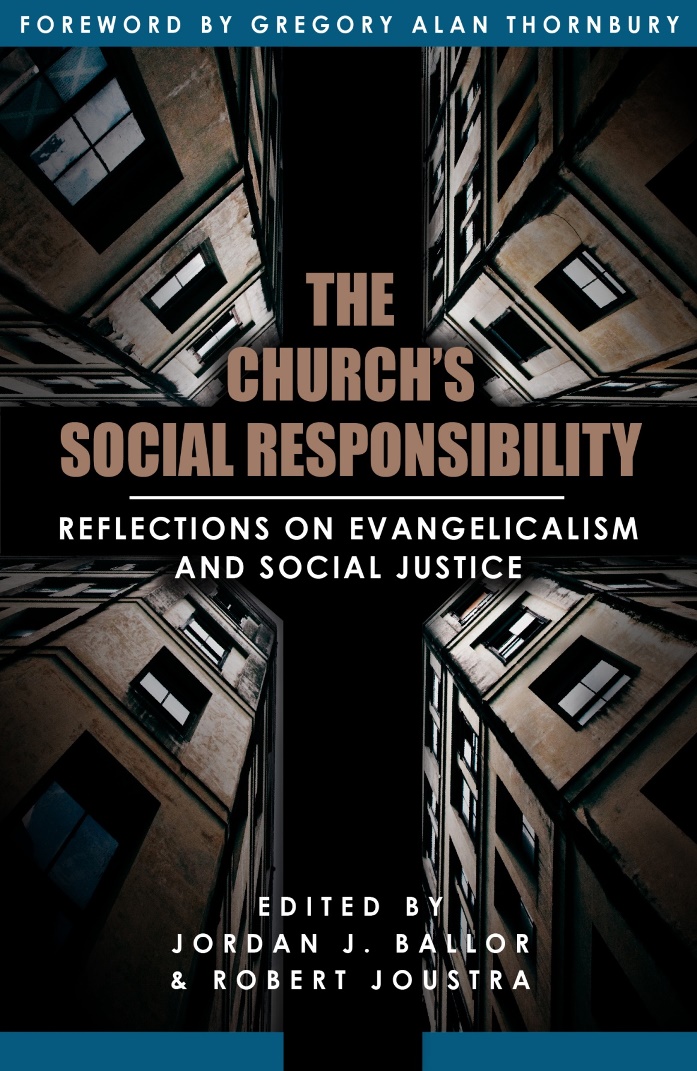 After years of rejecting or downplaying so-called “organized religion,” evangelicals are beginning to appreciate the church not only as organism, but as institution.
As Robert Joustra explains at Capital Commentary, a “minor renaissance in thinking” is taking place, wherein the church is viewed “not as a gathering of hierarchy-allergic spiritualists” but as “a brick and mortar institution, something with tradition, and weight, and history.” Evangelicals are beginning to see view it not as a “catchphrase and metaphor for likeminded people who love Jesus,” Joustra continues, but “as an inheritance, as spiritual and cultural lifeblood, as common practice and belief, as community.”
Once that view is regained and restored, another question begins to demand a bit more attention. If the church is, indeed, an institution, what social responsibility does it bear? Historically, it has started schools, hospitals, charities, and a range of other associations. It has spoken out on injustice, launched and inspired political movements, and influenced public policy.
What, then, is its proper institutional role in today’s social context?
Such questions are explored at length in the forthcoming book, The Church’s Social Responsibility: Reflections on Evangelicalism and Social Justice, a collection of essays edited by Joustra and Jordan Ballor. (Contributing authors include Vincent Bacote, Carl F.H. Henry, David T. Koyzis, and Richard J. Mouw, and Gregory Thornbury writes the foreword.)
Though the book does consider certain “practical” effects of the church’s institutional witness, its primary goal is to ponder the “theological argument for what and how the Church should speak.”
As Joustra explains:
Rediscovering institutions is great, but the real work is not merely loving institutions, but — as Jonathan Chaplin has put it — loving faithful institutions. Habits make virtue and institutions make change, but habits also make vice, and institutions can also produce profound and perverse pathology…
It is the theology, then, in the full and unapologetic meaning of the term, of the Church, of its voice and social responsibility that we’re after. We may neglect it and still seize cultural power, but that power will be meaningless, a chasing after the wind.
These are some of the questions we raise in the book: should churches as institutes and denominations speak about abortion, or is that issue so pragmatically unpopular that we would be prudent to stay silent and work on issues that will get more traction? Why abortion but not immigration, or should it be both? Should churches as institutes speak on specific policies, or do we risk turning church offices into second-rate think tanks staffed with pastors instead of informed pundits and policy makers? (Stephanie Summers writes about this in her chapter on churches and think tanks.) Should we speak on principle but default on policy? Both on issues and on strategy a more protracted theological conversation is essential if we are to make sense of where the roles and responsibilities of the Church as an institute, and the Church as organism, begin and end.
As evangelicals further discover (or rediscover) what it means to not only believe together, but bear witness as “spiritual and cultural lifeblood,” this is a timely resource indeed.
Pre-order the book here and add it to your Goodreads bookshelf.
Previous Post

December 28, 2015
Africans Raise Awareness to Aid Frozen Norwegians
Next Post

January 11, 2016 Wonder Rush: Coffee, Work, and Showing Up
Browse Our Archives
Select a Category Art Charity Church Common Grace Culture Curriculum Economics Education Family Justice Order Theology Uncategorized Vocation Wisdom Wonder Work
Select a Month January 2017 December 2016 November 2016 October 2016 September 2016 August 2016 July 2016 June 2016 May 2016 April 2016 March 2016 February 2016 January 2016 December 2015 November 2015 October 2015 September 2015 August 2015 July 2015 June 2015 May 2015 April 2015 March 2015 February 2015 January 2015 December 2014 November 2014 October 2014 September 2014 August 2014
Follow Us!
TAKE THE
Religious Wisdom Quiz
What New Testament letter addresses a runaway slave returning to his master?
Select your answer to see how you score.
Philemon 2 John Titus Colossians
Related posts from Oikonomia

Thomas Sowell on the Origins of Prosperity

Politics, Character, and Competition

Are Christianity and Communism Mutually Exclusive?
How Economic Freedom Leads to Human Flourishing
TRENDING AT PATHEOS Business, Finance and Religion

St. Francis by Bill Droel Pope Leo XIV declares 2026 as “Year...

Catholics are schooled in the faith by memorizing dogmatic points and lots...

The Good News of Our Human Limitations -...
After another day of trying to meet deadlines and working on projects,...

Quiet Holy Attentiveness (podcast) with Sarah Clarkson
We know that quiet is an essential aspect of the spiritual life,...

Every Vocation Everywhere All At Once
What is a vocation? How does it endure through the years? Can...

I promise this is not going to become a Taylor Swift Studies...
view all Business, Finance and Religion blogs
Ad-Free & Subscriber Log-In Subscription Support
- About Us
- 2026 Calendar
- Videos
- Podcasts
- Library of World Religions
- Faith In Media Tracker
- Advertise With Us
- Write for Us
- Privacy Policy
- Terms of Service
- Do Not Sell My Data
- Contact Us
- Radiant Digital
- Manage Newsletter Subscriptions
- Unsubscribe From Notifications
- Sitemap
Copyright 2008-2026, Patheos. All rights reserved.
Subscription Support Ad-Free & Subscriber Log-In
Follow Patheos