
BuddhistCatholicContemplativeEvangelicalGeneral ChristianHinduJewishLatter-day SaintMuslimNew VisionsProgressive Christian
Beliefs
- Buddhist
- Catholic
- Contemplative
- Evangelical
- General Christian
- Hindu
- Jewish
- Latter-day Saint
- More Voices
- Muslim
- New Visions
- Pagan
- Progressive Christian
Topics
- Religion News
- Food and Religion
- Sports and Religion
- Religious Art
- Religious Music and Entertainment
- Religious Events
- History and Religion
- Style and Religion
- Politics and Religion
- Women in Religion
- Recreation Outdoors and Religion
- Business Finance and Religion
- Careers Workplace and Religion
- Education and Religion
- Family Parenting and Religion
- Health Fitness and Religion
- Home and Religion
- Relationships and Religion
- Technology and Religion
- Travel and Religion
Columnists
- Buddhist Columnists
- Business Finance and Religion Columnists
- Careers Workplace and Religion Columnists
- Catholic Columnists
- Contemplative Columnists
- Education and Religion Columnists
- Evangelists Columnists
- Family Parenting and Religion Columnists
- General Christian Columnists
- Health Fitness and Religion Columnists
- Hindu Columnists
- History and Religion Columnists
- Home and Religion Columnists
- Jewish Columnists
- More Voices Columnists
- Latter Day Columnists
- Muslim Columnists
- New Visions Columnists
- Nonreligious Columnists
- Pagan Columnists
- Politics and Religion Columnists
- Progressive Columnists
- Recreation Outdoors and Religion Columnists
- Relationships and Religion Columnists
- Religion News Columnists
- Religious Art Columnists
- Religious Events Columnists
- Religious Music and Entertainment Columnists
- Sports and Religion Columnists
- Style and Religion Columnists
- Technology and Religion Columnists
- Travel and Religion Columnists
- Women in Religion Columnists
Resource Library
- 2026 Calendar
- Library of World Religions
- The 100 Most Holy Places on Earth
- Patheos Answers
- Podcasts
- Videos
- Faith Leaders Database
- Anglican Episcopalian
- Bahai
- Baptist
- Buddhism
- Christianity
- Confucianism
- Eastern Orthodoxy
- Hinduism
- Holiness and Pentecostal
- ISKCON
- Islam
- Judaism
- Lutheran
- Methodist
- The Church of Jesus Christ of Latter-day Saints
- New Age
- Paganism
- Presbytarian and Reformed
- Protestantism
- Religion Behind the Scenes
- Roman Catholic
- Scientology
- Shia Islam
- Sikhism
- Sufism
- Sunni Islam
- Taoism
- Zen
- See all religions
Research Tools
 Ad-Free & Subscriber Log-In Subscription Support
Ad-Free & Subscriber Log-In Subscription Support
Follow Patheos 

- Trending:
- Forgiveness
- |
- Marriage
- |
- Consciousness
- |
- Death Penalty
- |
- Election
- |
- Halloween
 Oikonomia
- Home
- Business, Finance and Religion
- Lester DeKoster’s 3 Dimensions of Work
Lester DeKoster’s 3 Dimensions of Work
Last updated on: September 7, 2016 at 12:32 am by Acton Institute
Lester DeKoster’s 3 Dimensions of Work 2016-09-07T00:32:25-04:00 Acton Institute
Patheos Explore the world's faith through different perspectives on religion and spirituality! Patheos has the views of the prevalent religions and spiritualities of the world.
By Joseph Sunde
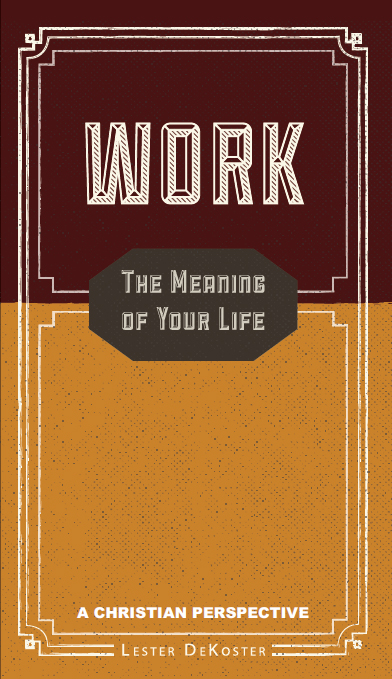
 Lester DeKoster’s short book, Work: The Meaning of Your Life, sets forth a profound thesis and solid theological framework for how we think about work.
Although the faith and work movement has delivered a host of books and resources on the topic, DeKoster’s book stands out for its bite and balance. It is remarkably concise, and yet sets forth a holistic vision that considers the multiple implications of the Christian life.
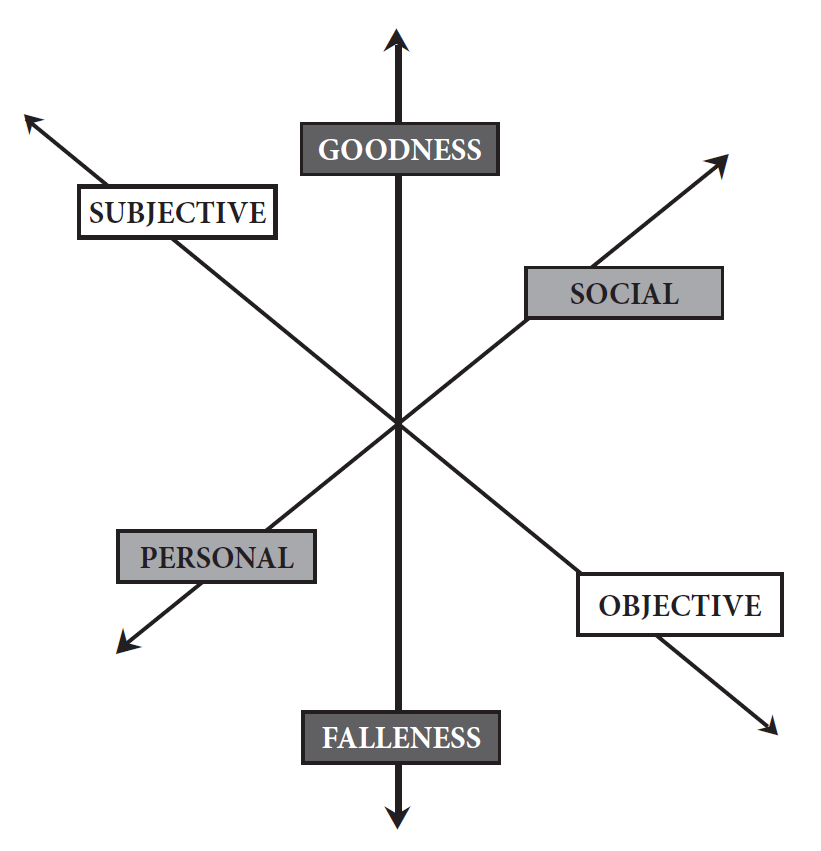
The book was recently re-issued, along with the new afterword by Greg Forster. In it, Forster outlines DeKoster’s underlying framework, which “invites us to view work as a complex, three-dimensional reality.” Each of these dimensions is summarized as follows (quoted directly from Forster).
1. Objective-Subjective
One dimension of our work is defined by the distinction between objective and subjective. No matter how pious your feelings about it are, it still matters to God whether your work is actually having a beneficial effect on other people. At the same time, human dignity and the shaping of the self for God can only be lived out if we do our work with the right sense of identity and motives. We see this dimension most clearly in DeKoster’s twofold understanding of God’s presence in our work—that we love God in our work by serving our neighbor (objectively) and shaping ourselves (subjectively).
2. Goodness-Fallenness
The second dimension is defined by goodness and fallenness. Theologically, the goodness of God in our work must be primary, lest we compromise our conception of his transcendence or deny the gospel truth that Christ has overcome the world. But for many people, the daily experience of work is overwhelmed by the brokenness of the fall and the curse. The Christian virtue of hope addresses itself to the experience of suffering and evil with a message of victory and light.
3. Personal-Social
The third dimension is defined by the personal and social. Each individual is an executive steward, with agency and responsibility. We must not turn inward and use our work or our wages as opportunities to serve ourselves, but must use them instead to serve the needs of our households and communities. The community, in turn, must honor each individual as an executive steward, sustaining systems of work and exchange that are just and provide the necessary context of freedom and responsibility.
 As Forster notes, and as DeKoster thoroughly acknowledges, this is not to say that all human experience can be simplified and classified according to certain categories. Rather, these are simply aspects of work as we encounter it and as we ought to encounter it as Christians.
Far too often, we’re tempted to lean or meditate too heavily on one dimension or particular extreme to the detriment of the other. By recognizing the bigger picture of God’s design for work, DeKoster’s vision points to “new directions for growth,” Forster writes, “shining the light of Christ into a dark and dying world.”
Previous Post

October 19, 2015
6 Quotes: Angus Deaton on Poverty
Next Post

October 26, 2015 Life in Exile: Bringing Peace and Prosperity to Rural New York
Browse Our Archives
Select a Category Art Charity Church Common Grace Culture Curriculum Economics Education Family Justice Order Theology Uncategorized Vocation Wisdom Wonder Work
Select a Month January 2017 December 2016 November 2016 October 2016 September 2016 August 2016 July 2016 June 2016 May 2016 April 2016 March 2016 February 2016 January 2016 December 2015 November 2015 October 2015 September 2015 August 2015 July 2015 June 2015 May 2015 April 2015 March 2015 February 2015 January 2015 December 2014 November 2014 October 2014 September 2014 August 2014
Follow Us!
TAKE THE
Religious Wisdom Quiz
Who did Jesus raise from the dead after four days?
Select your answer to see how you score.
Lazarus Widow's son Jairus’ daughter Himself
Related posts from Oikonomia

Thomas Sowell on the Origins of Prosperity


Lessons on Christian Vocation from ‘Chewbacca Mom’

Are Christianity and Communism Mutually Exclusive?
TRENDING AT PATHEOS Business, Finance and Religion

St. Francis by Bill Droel Pope Leo XIV declares 2026 as “Year...

Catholics are schooled in the faith by memorizing dogmatic points and lots...

The Good News of Our Human Limitations -...
After another day of trying to meet deadlines and working on projects,...

Quiet Holy Attentiveness (podcast) with Sarah Clarkson
We know that quiet is an essential aspect of the spiritual life,...

Every Vocation Everywhere All At Once
What is a vocation? How does it endure through the years? Can...

I promise this is not going to become a Taylor Swift Studies...
view all Business, Finance and Religion blogs
Ad-Free & Subscriber Log-In Subscription Support
- About Us
- 2026 Calendar
- Videos
- Podcasts
- Library of World Religions
- Faith In Media Tracker
- Advertise With Us
- Write for Us
- Privacy Policy
- Terms of Service
- Do Not Sell My Data
- Contact Us
- Radiant Digital
- Manage Newsletter Subscriptions
- Unsubscribe From Notifications
- Sitemap
Copyright 2008-2026, Patheos. All rights reserved.
Subscription Support Ad-Free & Subscriber Log-In
Follow Patheos