
BuddhistCatholicContemplativeEvangelicalGeneral ChristianHinduJewishLatter-day SaintMuslimNew VisionsProgressive Christian
Beliefs
- Buddhist
- Catholic
- Contemplative
- Evangelical
- General Christian
- Hindu
- Jewish
- Latter-day Saint
- More Voices
- Muslim
- New Visions
- Pagan
- Progressive Christian
Topics
- Religion News
- Food and Religion
- Sports and Religion
- Religious Art
- Religious Music and Entertainment
- Religious Events
- History and Religion
- Style and Religion
- Politics and Religion
- Women in Religion
- Recreation Outdoors and Religion
- Business Finance and Religion
- Careers Workplace and Religion
- Education and Religion
- Family Parenting and Religion
- Health Fitness and Religion
- Home and Religion
- Relationships and Religion
- Technology and Religion
- Travel and Religion
Columnists
- Buddhist Columnists
- Business Finance and Religion Columnists
- Careers Workplace and Religion Columnists
- Catholic Columnists
- Contemplative Columnists
- Education and Religion Columnists
- Evangelists Columnists
- Family Parenting and Religion Columnists
- General Christian Columnists
- Health Fitness and Religion Columnists
- Hindu Columnists
- History and Religion Columnists
- Home and Religion Columnists
- Jewish Columnists
- More Voices Columnists
- Latter Day Columnists
- Muslim Columnists
- New Visions Columnists
- Nonreligious Columnists
- Pagan Columnists
- Politics and Religion Columnists
- Progressive Columnists
- Recreation Outdoors and Religion Columnists
- Relationships and Religion Columnists
- Religion News Columnists
- Religious Art Columnists
- Religious Events Columnists
- Religious Music and Entertainment Columnists
- Sports and Religion Columnists
- Style and Religion Columnists
- Technology and Religion Columnists
- Travel and Religion Columnists
- Women in Religion Columnists
Resource Library
- 2026 Calendar
- Library of World Religions
- The 100 Most Holy Places on Earth
- Patheos Answers
- Podcasts
- Videos
- Faith Leaders Database
- Anglican Episcopalian
- Bahai
- Baptist
- Buddhism
- Christianity
- Confucianism
- Eastern Orthodoxy
- Hinduism
- Holiness and Pentecostal
- ISKCON
- Islam
- Judaism
- Lutheran
- Methodist
- The Church of Jesus Christ of Latter-day Saints
- New Age
- Paganism
- Presbytarian and Reformed
- Protestantism
- Religion Behind the Scenes
- Roman Catholic
- Scientology
- Shia Islam
- Sikhism
- Sufism
- Sunni Islam
- Taoism
- Zen
- See all religions
Research Tools
 Ad-Free & Subscriber Log-In Subscription Support
Ad-Free & Subscriber Log-In Subscription Support
Follow Patheos 

- Trending:
- Forgiveness
- |
- Marriage
- |
- Consciousness
- |
- Death Penalty
- |
- Election
- |
- Halloween
 Oikonomia
- Home
- Business, Finance and Religion
- Bring Back Childhood Chores: How Hard Work Cultivates Character
Bring Back Childhood Chores: How Hard Work Cultivates Character
Last updated on: April 7, 2015 at 1:02 am by Acton Institute
Bring Back Childhood Chores: How Hard Work Cultivates Character 2015-04-07T01:02:02-04:00 Acton Institute
Patheos Explore the world's faith through different perspectives on religion and spirituality! Patheos has the views of the prevalent religions and spiritualities of the world.
By Joseph Sunde
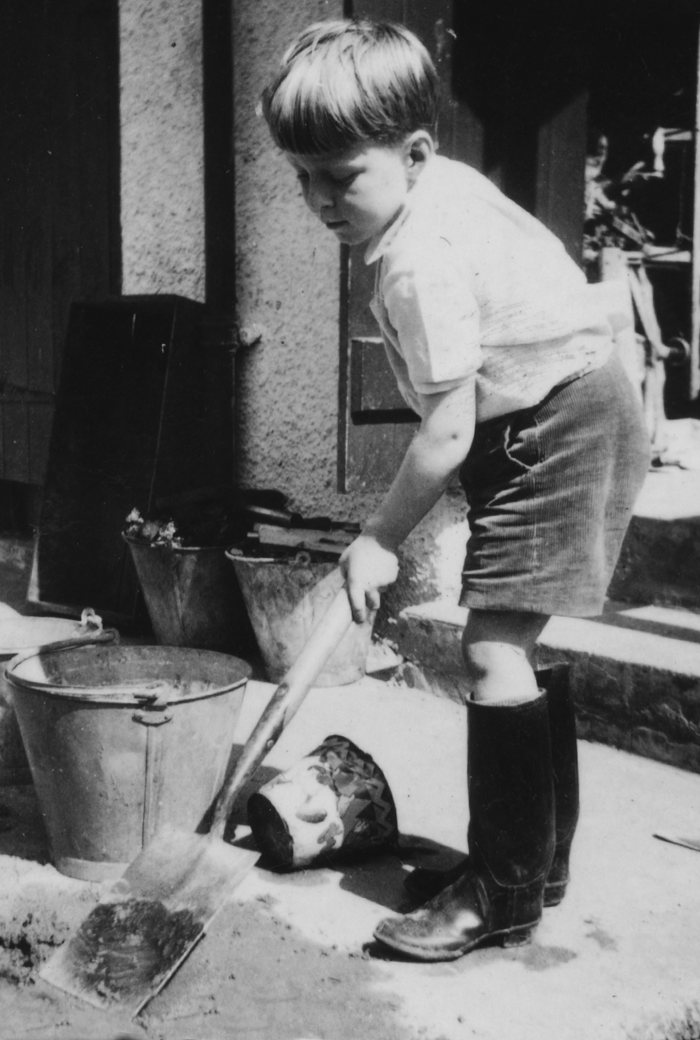 Today’s parents are obsessed with setting their kids on strategic paths to supposed “success,” pre-planning their days to be filled with language camps, music lessons, advanced courses, competitive sports, chess clubs, museum visits, and so on.
Much of this is beneficial, of course, but amidst the bustle, at least one formative experience is increasingly cast aside: good, old-fashioned hard work.
In an essay for the Wall Street Journal, Jennifer Breheny Wallace points to a recent survey of U.S. adults where “82% reported having regular chores growing up, but only 28% said that they require their own children to do them.” Paired with the related decreases in youth employment outside the home, such a trend is a worrisome sneak peak at our economic future, but even more troubling for those who believes that work with the hands produces far more than mere material benefits.
Indeed, although household chores and other forms of work are bound to teach practical skills and discipline that may yield specific “successes” later on, whether academically or economically, Wallace keenly observes that the more important feature at stake is the formative shaping and molding that work wields on our character (something I’ve previously discussed here, here, andhere):
Giving children household chores at an early age helps to build a lasting sense of mastery, responsibility and self-reliance, according to research by Marty Rossmann, professor emeritus at the University of Minnesota…She found that young adults who began chores at ages 3 and 4 were more likely to have good relationships with family and friends, to achieve academic and early career success and to be self-sufficient, as compared with those who didn’t have chores or who started them as teens.
Chores also teach children how to be empathetic and responsive to others’ needs, notes psychologist Richard Weissbourd of the Harvard Graduate School of Education. In research published last year, he and his team surveyed 10,000 middle- and high-school students and asked them to rank what they valued more: achievement, happiness or caring for others.
Almost 80% chose either achievement or happiness over caring for others. As he points out, however, research suggests that personal happiness comes most reliably not from high achievement but from strong relationships. “We’re out of balance,” says Dr. Weissbourd. A good way to start readjusting priorities, he suggests, is by learning to be kind and helpful at home… Being slack about chores when they compete with school sends your child the message that grades and achievement are more important than caring about others.
Attaching work with empathy, service, and sacrifice is crucial, and ought not be understood only within the confines of a home or family setting. How we shepherd our children in these areas will shape their attitudes and imaginations in the here and now, but also as they mature into adults and venture out into the economy and society at large. The burden is shared with schools, churches, institutions, and policy to varying extents, but we as parents have the ultimate authority and oversight on these matters, and we ought to assume that responsibility boldly and wisely.
Whether we’re assigning to or collaborating with our kids in hard labor or mundane tasks, granting (or not granting) allowances, teaching them about tithing and giving and saving and spending, or guiding them to get a “paid job,” we as parents and citizens have a responsibility and opportunity to raise up children who understand work and economic exchange for what it really is: not a mere means for material gain and elevated status, but service to others and thus to God. For the sake of the child’s soul and character, yes, but also for the unity of the family and the harmony and health of society.
If, for whatever reason, you fall in that alarming 72% who have thus far absconded, assigning some basic chores is a great place to start.
Originally published at the Acton PowerBlog
Photo credit: theirhistory
HT: Jeremy Mann
Previous Post

April 3, 2015
The Monk as Merchant: Economic Wisdom from a Desert Hermit
Next Post

April 14, 2015 Is There Hope for the Workplace?
Browse Our Archives
Select a Category Art Charity Church Common Grace Culture Curriculum Economics Education Family Justice Order Theology Uncategorized Vocation Wisdom Wonder Work
Select a Month January 2017 December 2016 November 2016 October 2016 September 2016 August 2016 July 2016 June 2016 May 2016 April 2016 March 2016 February 2016 January 2016 December 2015 November 2015 October 2015 September 2015 August 2015 July 2015 June 2015 May 2015 April 2015 March 2015 February 2015 January 2015 December 2014 November 2014 October 2014 September 2014 August 2014
Follow Us!
TAKE THE
Religious Wisdom Quiz
Who said, "It is finished"?
Select your answer to see how you score.
Paul John Peter Jesus
Related posts from Oikonomia

Lessons on Christian Vocation from ‘Chewbacca Mom’

What Christians Can Learn from Adam Smith’s ‘Paradox...


Help People, Not Banks: Reflections on the 2016...
TRENDING AT PATHEOS Business, Finance and Religion

St. Francis by Bill Droel Pope Leo XIV declares 2026 as “Year...

Catholics are schooled in the faith by memorizing dogmatic points and lots...

The Good News of Our Human Limitations -...
After another day of trying to meet deadlines and working on projects,...

Quiet Holy Attentiveness (podcast) with Sarah Clarkson
We know that quiet is an essential aspect of the spiritual life,...

Every Vocation Everywhere All At Once
What is a vocation? How does it endure through the years? Can...

I promise this is not going to become a Taylor Swift Studies...
view all Business, Finance and Religion blogs
Ad-Free & Subscriber Log-In Subscription Support
- About Us
- 2026 Calendar
- Videos
- Podcasts
- Library of World Religions
- Faith In Media Tracker
- Advertise With Us
- Write for Us
- Privacy Policy
- Terms of Service
- Do Not Sell My Data
- Contact Us
- Radiant Digital
- Manage Newsletter Subscriptions
- Unsubscribe From Notifications
- Sitemap
Copyright 2008-2026, Patheos. All rights reserved.
Subscription Support Ad-Free & Subscriber Log-In
Follow Patheos