
BuddhistCatholicContemplativeEvangelicalGeneral ChristianHinduJewishLatter-day SaintMuslimNew VisionsProgressive Christian
Beliefs
- Buddhist
- Catholic
- Contemplative
- Evangelical
- General Christian
- Hindu
- Jewish
- Latter-day Saint
- More Voices
- Muslim
- New Visions
- Pagan
- Progressive Christian
Topics
- Religion News
- Food and Religion
- Sports and Religion
- Religious Art
- Religious Music and Entertainment
- Religious Events
- History and Religion
- Style and Religion
- Politics and Religion
- Women in Religion
- Recreation Outdoors and Religion
- Business Finance and Religion
- Careers Workplace and Religion
- Education and Religion
- Family Parenting and Religion
- Health Fitness and Religion
- Home and Religion
- Relationships and Religion
- Technology and Religion
- Travel and Religion
Columnists
- Buddhist Columnists
- Business Finance and Religion Columnists
- Careers Workplace and Religion Columnists
- Catholic Columnists
- Contemplative Columnists
- Education and Religion Columnists
- Evangelists Columnists
- Family Parenting and Religion Columnists
- General Christian Columnists
- Health Fitness and Religion Columnists
- Hindu Columnists
- History and Religion Columnists
- Home and Religion Columnists
- Jewish Columnists
- More Voices Columnists
- Latter Day Columnists
- Muslim Columnists
- New Visions Columnists
- Nonreligious Columnists
- Pagan Columnists
- Politics and Religion Columnists
- Progressive Columnists
- Recreation Outdoors and Religion Columnists
- Relationships and Religion Columnists
- Religion News Columnists
- Religious Art Columnists
- Religious Events Columnists
- Religious Music and Entertainment Columnists
- Sports and Religion Columnists
- Style and Religion Columnists
- Technology and Religion Columnists
- Travel and Religion Columnists
- Women in Religion Columnists
Resource Library
- 2026 Calendar
- Library of World Religions
- The 100 Most Holy Places on Earth
- Patheos Answers
- Podcasts
- Videos
- Faith Leaders Database
- Anglican Episcopalian
- Bahai
- Baptist
- Buddhism
- Christianity
- Confucianism
- Eastern Orthodoxy
- Hinduism
- Holiness and Pentecostal
- ISKCON
- Islam
- Judaism
- Lutheran
- Methodist
- The Church of Jesus Christ of Latter-day Saints
- New Age
- Paganism
- Presbytarian and Reformed
- Protestantism
- Religion Behind the Scenes
- Roman Catholic
- Scientology
- Shia Islam
- Sikhism
- Sufism
- Sunni Islam
- Taoism
- Zen
- See all religions
Research Tools
 Ad-Free & Subscriber Log-In Subscription Support
Ad-Free & Subscriber Log-In Subscription Support
Follow Patheos 

- Trending:
- Forgiveness
- |
- Marriage
- |
- Consciousness
- |
- Death Penalty
- |
- Election
- |
- Halloween
 Oikonomia
- Home
- Business, Finance and Religion
- Letters to the Exiles: A New Approach to Cultural Engagement
Letters to the Exiles: A New Approach to Cultural Engagement
Last updated on: August 18, 2014 at 3:24 pm by Acton Institute
Letters to the Exiles: A New Approach to Cultural Engagement 2014-08-18T15:24:57-04:00 Acton Institute
Patheos Explore the world's faith through different perspectives on religion and spirituality! Patheos has the views of the prevalent religions and spiritualities of the world.
By Joseph Sunde
 “What is our salvation actually for?”
It’s a question that Christians neglect to ask or seriously consider, and even for those of us who do, we tend toward answers far too focused on ourselves — our personal well-being, our piety, or some perceived pathway to heaven.
But what if salvation isn’t just about us? What if it’s about something deeper, wider, and richer?
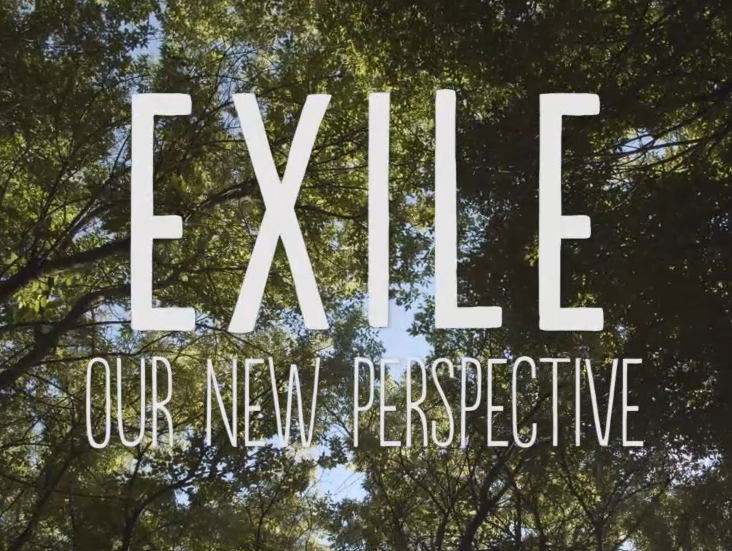
This is the question at the center of For the Life of the World: Letters to the Exiles, a newly released 7-part series from the Acton Institute that seeks to examine the bigger picture of Christianity’s role in culture, society, and the world. Guided by storyteller Evan Koons, the documentary includes Acton researchers Stephen Grabill and Anthony Bradley, as well as other powerful thinkers and doers such as Amy Sherman, Tim Royer, John Perkins, and Makoto Fujimura.
“We are strangers in a strange land,” explains Stephen Grabill, yet “we are meant to make something of the world.” Our salvation is not about holding God’s gifts for ourselves, but rather, about being gift-givers to all and for all. Salvation is for the life of the world.
Upon grasping such purpose, then, how are we to respond in our families, cultures, societies, and governments? How are we to be in the world but not of the world?
Focusing on the concept of oikonomia as “God’s economy of all things,” the series explores the answer across six key areas, including the economies of love, creative service, order, wisdom, and wonder, and, finally, through the church herself.
Watch the trailer below:
As Koons explains in Episode 7:
We are called to abide in God, and say, “Let it be to his plan and our part in his divine and wondrous mystery.” We can be assured that God’s desire for our work here is intimately related to his plan for all things.
And God will sustain us, for our work is a mighty collaboration, not only with our Creator, but the entire world. In this broken world, we have a responsibility to bring healing and harmony to our most immediate surroundings and work outward. By these actions we, too, are healed. As our calling is great, may we not be enamored by our abilities or fall in love with the fruit of our labor. We must seek God’s grace and seek to orient our work toward community with him.
You can purchase the series here.
(Originally posted at the Acton Institute PowerBlog)
Previous Post

August 13, 2014
Sixpence Economics
Next Post
August 22, 2014 The God Who Makes Himself Known Through Vocation
Browse Our Archives
Select a Category Art Charity Church Common Grace Culture Curriculum Economics Education Family Justice Order Theology Uncategorized Vocation Wisdom Wonder Work
Select a Month January 2017 December 2016 November 2016 October 2016 September 2016 August 2016 July 2016 June 2016 May 2016 April 2016 March 2016 February 2016 January 2016 December 2015 November 2015 October 2015 September 2015 August 2015 July 2015 June 2015 May 2015 April 2015 March 2015 February 2015 January 2015 December 2014 November 2014 October 2014 September 2014 August 2014
Follow Us!
TAKE THE
Religious Wisdom Quiz
Which two apostles went up to the temple at the "hour of prayer" and healed a lame man in Acts 3?
Select your answer to see how you score.
Peter and John Paul and Barnabas James and Jude Philip and Stephen
Related posts from Oikonomia

Thomas Sowell on the Origins of Prosperity

Lessons in Humility from the Christ Child


Are Christianity and Communism Mutually Exclusive?
TRENDING AT PATHEOS Business, Finance and Religion

St. Francis by Bill Droel Pope Leo XIV declares 2026 as “Year...

Catholics are schooled in the faith by memorizing dogmatic points and lots...

The Good News of Our Human Limitations -...
After another day of trying to meet deadlines and working on projects,...

Quiet Holy Attentiveness (podcast) with Sarah Clarkson
We know that quiet is an essential aspect of the spiritual life,...

Every Vocation Everywhere All At Once
What is a vocation? How does it endure through the years? Can...

I promise this is not going to become a Taylor Swift Studies...
view all Business, Finance and Religion blogs
Ad-Free & Subscriber Log-In Subscription Support
- About Us
- 2026 Calendar
- Videos
- Podcasts
- Library of World Religions
- Faith In Media Tracker
- Advertise With Us
- Write for Us
- Privacy Policy
- Terms of Service
- Do Not Sell My Data
- Contact Us
- Radiant Digital
- Manage Newsletter Subscriptions
- Unsubscribe From Notifications
- Sitemap
Copyright 2008-2026, Patheos. All rights reserved.
Subscription Support Ad-Free & Subscriber Log-In
Follow Patheos