
BuddhistCatholicContemplativeEvangelicalGeneral ChristianHinduJewishLatter-day SaintMuslimNew VisionsProgressive Christian
Beliefs
- Buddhist
- Catholic
- Contemplative
- Evangelical
- General Christian
- Hindu
- Jewish
- Latter-day Saint
- More Voices
- Muslim
- New Visions
- Pagan
- Progressive Christian
Topics
- Religion News
- Food and Religion
- Sports and Religion
- Religious Art
- Religious Music and Entertainment
- Religious Events
- History and Religion
- Style and Religion
- Politics and Religion
- Women in Religion
- Recreation Outdoors and Religion
- Business Finance and Religion
- Careers Workplace and Religion
- Education and Religion
- Family Parenting and Religion
- Health Fitness and Religion
- Home and Religion
- Relationships and Religion
- Technology and Religion
- Travel and Religion
Columnists
- Buddhist Columnists
- Business Finance and Religion Columnists
- Careers Workplace and Religion Columnists
- Catholic Columnists
- Contemplative Columnists
- Education and Religion Columnists
- Evangelists Columnists
- Family Parenting and Religion Columnists
- General Christian Columnists
- Health Fitness and Religion Columnists
- Hindu Columnists
- History and Religion Columnists
- Home and Religion Columnists
- Jewish Columnists
- More Voices Columnists
- Latter Day Columnists
- Muslim Columnists
- New Visions Columnists
- Nonreligious Columnists
- Pagan Columnists
- Politics and Religion Columnists
- Progressive Columnists
- Recreation Outdoors and Religion Columnists
- Relationships and Religion Columnists
- Religion News Columnists
- Religious Art Columnists
- Religious Events Columnists
- Religious Music and Entertainment Columnists
- Sports and Religion Columnists
- Style and Religion Columnists
- Technology and Religion Columnists
- Travel and Religion Columnists
- Women in Religion Columnists
Resource Library
- 2026 Calendar
- Library of World Religions
- The 100 Most Holy Places on Earth
- Patheos Answers
- Podcasts
- Videos
- Faith Leaders Database
- Anglican Episcopalian
- Bahai
- Baptist
- Buddhism
- Christianity
- Confucianism
- Eastern Orthodoxy
- Hinduism
- Holiness and Pentecostal
- ISKCON
- Islam
- Judaism
- Lutheran
- Methodist
- The Church of Jesus Christ of Latter-day Saints
- New Age
- Paganism
- Presbytarian and Reformed
- Protestantism
- Religion Behind the Scenes
- Roman Catholic
- Scientology
- Shia Islam
- Sikhism
- Sufism
- Sunni Islam
- Taoism
- Zen
- See all religions
Research Tools
 Ad-Free & Subscriber Log-In Subscription Support
Ad-Free & Subscriber Log-In Subscription Support
Follow Patheos 

- Trending:
- Forgiveness
- |
- Marriage
- |
- Consciousness
- |
- Death Penalty
- |
- Election
- |
- Halloween
 The Northampton Seminar
- Home
- Evangelical
- Religion News
- What Is the Glory of God?
What Is the Glory of God?
Last updated on: November 8, 2017 at 10:54 am by Gerald McDermott
What Is the Glory of God? 2017-11-08T10:54:49-04:00 Gerald McDermott
Patheos Explore the world's faith through different perspectives on religion and spirituality! Patheos has the views of the prevalent religions and spiritualities of the world.
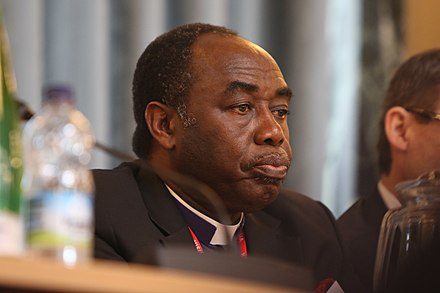 Ben Kwashi just stepped down as Anglican Archbishop of Jos, Nigeria. But he continues as a powerful voice in the Nigerian House of Bishops. His chapter on God’s glory in Reformation Anglicanism: A Vision for Today’s Global Communion (Crossway, 2017) is a stirring reminder of what that nebulous phenomenon is.
Archbishop Kwashi is well-known for his leadership in GAFCON, the tip of the spear that is realigning global Anglicanism toward orthodoxy and away from English and American liberalism. Kwashi’s house and church were burned down by Muslims in 1987. His wife Gloria was brutally attacked by Muslim thugs in 2006. When Boko Haram killed forty schoolchildren in 2014, he boldly challenged media elites who were blaming poverty (rather than radical religion) for Muslim violence.
Kwashi starts the chapter by reminding us that God’s glory is already all around us in God’s creation: “This glory is to be seen in and through the whole of creation in the power, the beauty, the variety, the detail, the organization, the wisdom, the love, and the life of the universe.” Kwashi cites Ps 19.1 (“The heavens declare the glory of God”), obviously rejecting the recent Western theologies that deny the existence of “natural revelation” (revelation in nature).
Kwashi says God’s glory is also seen in God’s people—in their lives—and was shown to Isaiah in the temple, to Ezekiel when he was called, and to John when in exile on Patmos. But it is supremely revealed in Jesus Christ: “We have seen his glory, glory as of the only Son from the Father, full of grace and truth” (Jn 1.14).
Unlike earthly kings whose glory is seen in their crown and other trappings, John’s gospel tells us that God’s glory is seen in Jesus’ miracles, answered prayer, the work of the Holy Spirit, in the fellowship of the disciples, and “especially” in Jesus’ death.
The “litmus test for our Christian maturity” is whether we accept for ourselves praise and glory that belongs to God, Kwashi writes. It also means that we realize that we need to act to proclaim the Kingdom but know we cannot rely on our own strength.
Giving the glory to God and acting in his strength does not make us weak. Quite the opposite: “It puts us in a victorious position of freedom under the wings of God’s glory, the glory of the one ‘whose service is perfect freedom,’ as Cranmer wrote in the Collect for Peace.”
Kwashi ends his chapter with a bit of his life story, relating how the gospel has transformed his own life and calls for transformation in others. He proclaims “that there is no gospel of revenge or retaliation or vengeance, “ but that in fact “difficult times of persecution bring bright opportunities for the gospel of Jesus Christ to shine with God’s glory amid the darkness.” For “there is no other way than the way of suffering and the cross.”
Here, then, is Kwashi on God’s glory: It is seen in the wonder and beauty of the cosmos, but far more clearly in Jesus, not only his miracles but also his suffering and death. Archbishop Ben and his wife Gloria have experienced for themselves that glory in suffering persecution for the gospel at the hands of haters of the gospel. Even in the darkness of hate is the light of glory. Those are words of hope and freedom in the midst of this world’s darkness and despair.
What bracing and hopeful words in these times of terror and uncertainty.
Previous Post

October 28, 2017
What did Anglicans mean by 'sola scriptura'?
Next Post
November 12, 2017 An Anglican Manifesto
Browse Our Archives
Select a Category Uncategorized
Select a Month March 2023 November 2022 October 2022 August 2022 July 2022 June 2022 May 2022 April 2022 November 2021 October 2021 August 2021 July 2021 June 2021 May 2021 April 2021 March 2021 February 2021 January 2021 December 2020 November 2020 October 2020 September 2020 July 2020 June 2020 April 2020 March 2020 February 2020 January 2020 August 2019 July 2019 May 2019 April 2019 February 2019 January 2019 December 2018 November 2018 October 2018 August 2018 July 2018 June 2018 May 2018 April 2018 March 2018 February 2018 January 2018 December 2017 November 2017 October 2017 September 2017 August 2017 July 2017 June 2017 May 2017 April 2017 March 2017 February 2017 January 2017 December 2016 November 2016 October 2016 September 2016 August 2016 July 2016 June 2016 May 2016 April 2016 March 2016 February 2016 January 2016 December 2015 November 2015 October 2015 September 2015 August 2015 July 2015 June 2015 May 2015 April 2015 March 2015 February 2015 January 2015 December 2014 November 2014 October 2014 September 2014 August 2014 July 2014 June 2014 May 2014 April 2014 March 2014 February 2014 January 2014 December 2013 November 2013 October 2013 September 2013 August 2013 July 2013 June 2013 May 2013 April 2013 March 2013 February 2013 January 2013 December 2012 November 2012 October 2012 September 2012 August 2012 July 2012 June 2012 May 2012 April 2012 March 2012 February 2012 January 2012 December 2011 November 2011 October 2011 September 2011 August 2011 July 2011 June 2011 May 2011 April 2011 March 2011 February 2011 January 2011 December 2010 November 2010 October 2010
Follow Us!
TAKE THE
Religious Wisdom Quiz
What does James say someone who doubts is like?
Select your answer to see how you score.
A wave of the sea, blown and tossed by the wind A house built on sand A sheep without a shepherd A leaf falling from a tree
Related posts from The Northampton Seminar


Interview on what difference Jesus' Jewishness makes and...

News from Israel--the election and Messianic Jews

The third rail in conservative churches
TRENDING AT PATHEOS Evangelical

The REST of Your Life: A Creative Wrestles...
This week I had a conversation with a good friend from church....

How the author of the world's best hymn...
I've been working with John Newton for a while now. This makes...

Long before this Lectio Divina, Psalm 130 - the song - started...

What About the Trees? Another Living Parable
After I finished writing the last article about falling leaves as a...

Why Classical Education Is a Conversation, Not a...
Come and Read: Joy in Classical Education When I was a little...

Cornell University has received a great deal of negative publicity and intense...
view all Evangelical blogs
Ad-Free & Subscriber Log-In Subscription Support
- About Us
- 2026 Calendar
- Videos
- Podcasts
- Library of World Religions
- Faith In Media Tracker
- Advertise With Us
- Write for Us
- Privacy Policy
- Terms of Service
- Do Not Sell My Data
- Contact Us
- Radiant Digital
- Manage Newsletter Subscriptions
- Unsubscribe From Notifications
- Sitemap
Copyright 2008-2026, Patheos. All rights reserved.
Subscription Support Ad-Free & Subscriber Log-In
Follow Patheos