
BuddhistCatholicContemplativeEvangelicalGeneral ChristianHinduJewishLatter-day SaintMuslimNew VisionsProgressive Christian
Beliefs
- Buddhist
- Catholic
- Contemplative
- Evangelical
- General Christian
- Hindu
- Jewish
- Latter-day Saint
- More Voices
- Muslim
- New Visions
- Pagan
- Progressive Christian
Topics
- Religion News
- Food and Religion
- Sports and Religion
- Religious Art
- Religious Music and Entertainment
- Religious Events
- History and Religion
- Style and Religion
- Politics and Religion
- Women in Religion
- Recreation Outdoors and Religion
- Business Finance and Religion
- Careers Workplace and Religion
- Education and Religion
- Family Parenting and Religion
- Health Fitness and Religion
- Home and Religion
- Relationships and Religion
- Technology and Religion
- Travel and Religion
Columnists
- Buddhist Columnists
- Business Finance and Religion Columnists
- Careers Workplace and Religion Columnists
- Catholic Columnists
- Contemplative Columnists
- Education and Religion Columnists
- Evangelists Columnists
- Family Parenting and Religion Columnists
- General Christian Columnists
- Health Fitness and Religion Columnists
- Hindu Columnists
- History and Religion Columnists
- Home and Religion Columnists
- Jewish Columnists
- More Voices Columnists
- Latter Day Columnists
- Muslim Columnists
- New Visions Columnists
- Nonreligious Columnists
- Pagan Columnists
- Politics and Religion Columnists
- Progressive Columnists
- Recreation Outdoors and Religion Columnists
- Relationships and Religion Columnists
- Religion News Columnists
- Religious Art Columnists
- Religious Events Columnists
- Religious Music and Entertainment Columnists
- Sports and Religion Columnists
- Style and Religion Columnists
- Technology and Religion Columnists
- Travel and Religion Columnists
- Women in Religion Columnists
Resource Library
- 2026 Calendar
- Library of World Religions
- The 100 Most Holy Places on Earth
- Patheos Answers
- Podcasts
- Videos
- Faith Leaders Database
- Anglican Episcopalian
- Bahai
- Baptist
- Buddhism
- Christianity
- Confucianism
- Eastern Orthodoxy
- Hinduism
- Holiness and Pentecostal
- ISKCON
- Islam
- Judaism
- Lutheran
- Methodist
- The Church of Jesus Christ of Latter-day Saints
- New Age
- Paganism
- Presbytarian and Reformed
- Protestantism
- Religion Behind the Scenes
- Roman Catholic
- Scientology
- Shia Islam
- Sikhism
- Sufism
- Sunni Islam
- Taoism
- Zen
- See all religions
Research Tools
 Ad-Free & Subscriber Log-In Subscription Support
Ad-Free & Subscriber Log-In Subscription Support
Follow Patheos 

- Trending:
- Forgiveness
- |
- Marriage
- |
- Consciousness
- |
- Death Penalty
- |
- Election
- |
- Halloween
 The Nonprofit Entrepreneur
- Home
- Sponsored (Progressive Christian)
- The Nonprofit Entrepreneur: A New Paradigm for Leadership
The Nonprofit Entrepreneur: A New Paradigm for Leadership
Last updated on: January 21, 2016 at 3:12 pm by Hugh Ballou
The Nonprofit Entrepreneur: A New Paradigm for Leadership 2016-01-21T15:12:01-04:00 Hugh Ballou
Patheos Explore the world's faith through different perspectives on religion and spirituality! Patheos has the views of the prevalent religions and spiritualities of the world.
If you do what you have always done, you will get what you have always gotten. – Andrew Carnegie
Comfort the afflicted and afflict the comfortable. – Reinhold Niebuhr
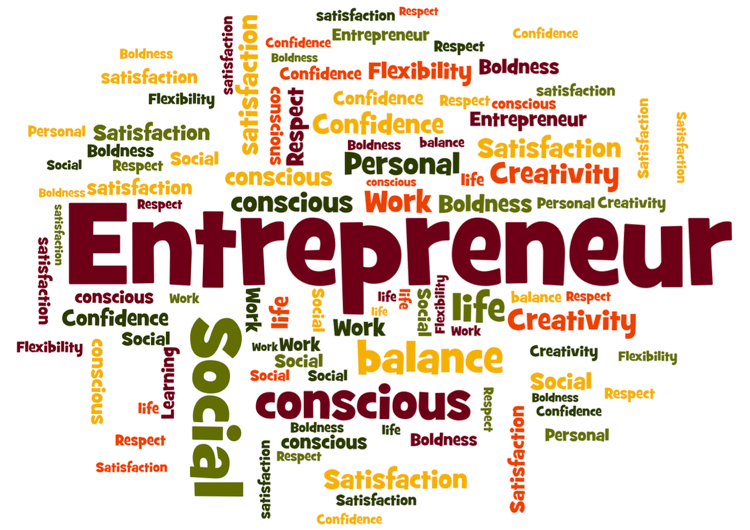 This blog is targeting the dumb things that nonprofit leaders do because we have been taught the wrong things about leadership and have inherited broken and dysfunctional systems.
According to The Nonprofit Times, more than 45 percent of young nonprofit professionals surveyed recently predicted their next job would not be at a charity. The respondents cited burnout and low pay as the main reasons they would leave. It’s time to change that picture…
This series of posts will attack the traditional thinking and sacred cows and present new paradigms for nonprofit leadership. The way we think of leadership in nonprofit work is wrong and I’m a champion for change. If you are offended by some of my radical ideas, then maybe I can be successful in encouraging you to join my movement to change the level of success for the charity sector.
What is a nonprofit entrepreneur? For that matter, what’s an entrepreneur? And why is it important to nonprofits? An entrepreneur is basically a person who takes on a visionary role to change things and does not want to work within a standard corporate structure. One could characterize an entrepreneur with the following:
- Innovative – Instead of asking “why,” we ask “why not.”
- Disruptive – We don’t accept the status quo.
- Visionary – We see gaps that need to be filled.
- Opportunistic – We see opportunities to fill a need and take action despite the high risk.
- Exploitive – We use the synergies of others for opportunities (in a good sense of the word).
- Leading – The corporate worker manages, the entrepreneur leads.
- Courageous – We are willing to take risks because of the vision.
- Self-reliant – We have a “can-do” attitude.
- Optimistic – We have a “can’t fail” disposition (sometimes a liability).
- Transformational – We embrace change.
- Alchemist – We create formulas for success.
The nonprofit world has become complacent, static, timid, risk-averse, and minimalistic. We have inherited systems that compromise success. We have been taught leadership wrong. We create under-performing cultures (boards, then committees). We don’t understand business principles. And, most of all, we have surrounded ourselves with people who think in the same terms that compromise success. I am looking for other names to describe our work and the organizations we lead. Our thinking is tied to the words we use. We can only reframe our thinking by defining a different paradigm, and replacing the word tied to the old thinking with the new word that does not have the baggage, to free up the different thinking. Here’s what I encourage leaders in this sector to do: ditch the following words which prompt negative scripts in ourselves and others:
- Nonprofit – This is a negative paradigm driver promoting scarcity thinking. We begin thinking in minimalistic terms, which then shapes the thinking of the culture.
- Agenda – This term traps us into thinking about activity rather than thinking in terms of results.
- Volunteer – This word prompts minimalist thinking of doing what’s required, rather than thinking as a servant leadership focusing on achievement.
There will be more on these paradigm shifts in future posts – I invite your dialogue. Expect me to challenge traditional thinking and encourage replacing it with new paradigms. I embrace the thinking of Reinhold Niebuhr, who stated, “comfort the afflicted and afflict the comfortable.” If we choose to agree on everything, then we end creative discourse. If we squelch meaningful conversation around caring points of view, then we may not expose the truth that we seek and we will succumb to the blindness of our own shortsightedness. Heated arguments and blaming in disagreements limits our hearing and thus our understanding.
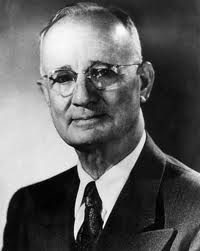
Napoleon Hill has inspired the legendary leaders in the human development movement by sharing the knowledge he gained from his interviews with the most successful businessmen of the 19th century. His criticism of institutional education was that learning information is not useful. He shared that knowing how to use information leads to success. The men he interviewed achieved great success and wealth without much formal education and brought massive value to humankind. His principles were basically as follows: 1) Have a definite purpose; 2) Keep a positive mental attitude; 3) Bring value to others; and 4) Surround yourself with capable people. Let’s redefine nonprofit as a tax-exempt charity. We are doing social benefit work as social entrepreneurs. I’m using the term “nonprofit” because it has become the identifier for the organizations we lead; whether it’s a church or synagogue, community foundation, association, or educational or government entity, the leadership challenges are similar.
The path ahead:
- Some will catch the vision and move forward in creating a New Architecture of Engagement™.
- Some will seek approval of unnamed others and stall out trying to please everyone, only to frustrate more people.
- Some will ridicule change as unnecessary and time consuming, opting in to the status quo and supporting a downward spiral of inaction.
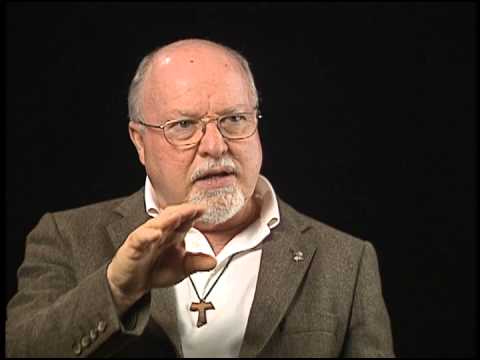 Richard Rohr, Daily Meditation, December 30, 2015 One of Jesus’ favorite visual aids is a child. Every time the disciples get into head games, he puts a child in front of them. He says the only people who can recognize and be ready for what he’s talking about are the ones who come with the mind and heart of a child. This is what we call “beginner’s mind.” The older we grow, the more we’ve been betrayed and hurt and disappointed, the more barriers we put up to the primal delight and curiosity of small children. We must never presume that we see. We must always be ready to see anew. But it’s so hard to go back and be able to say, “I don’t know anything.”
Join me for this journey of discovery and dialogue. Please comment as you see fit and share your ideas and concerns.
Upcoming posts:
- The Way We Perceive Nonprofit Leadership is Way Wrong
- Leadership Mental Traps: Buying Into the Crap We Have Been Taught
- Leading Without Dumbing Down: Moving from Scarcity to Abundance
- The Under-Functioning Board is a Result of Bad Leadership
- Leadership Compromises Teams: Learning to Get Out of the Way
- Let’s Hire a Nonprofit Consultant: Hold ON! Do Something Useful
- So, You’re Leading a Nonprofit With No Plan: Think Again!
- The 4 Taboo Words in Nonprofit Leadership: Change Your Language and Up Your Game
Hugh Ballou The Transformational Leadership Strategist TM Read about me on Forbes
(c) 2016 Hugh Ballou. All rights reserved.
Previous Post

April 5, 2016
Eliminate Volunteers...It's Not Consistent with Our Theology
Next Post

January 13, 2016 The Way We Perceive Nonprofit Leadership is Way Wrong!
Browse Our Archives
Select a Category Culture Friday Forum Leadership Skills Planning Uncategorized
Select a Month April 2016 March 2016 February 2016 January 2016
Follow Us!
TAKE THE
Religious Wisdom Quiz
What is Paul's longest letter, with the fullest explanation of the gospel?
Select your answer to see how you score.
James 2 Corinthians 1 Corinthians Romans
Related posts from The Nonprofit Entrepreneur

Hire a Church Consultant - Sucker!

No More BS...The Church Needs Resurrecting
What Is Authenticity in Leadership?
Friday Forum: Church - One Big Blame Game!
TRENDING AT PATHEOS Sponsored (Progressive Christian)

Why Christians Have a Sacred Duty to Vote:...
The Bible offers strong support for the sacred duty to vote. Here...

What Being a Modern-Day Apostle Means to Me
In my last column, I discussed the ins and outs of modern-day...

Did Ancient China Once Worship the God of...
Across human history, a common thread weaves through the origins of the...

Love Your Neighbor – Including Earth-Kin: Lev. 19,...
God’s command to love your neighbor means acting in an ethical and...

Lead a Church Study of “Jesus and Lao...
Guest writer Jack Thomas (The Irreverent Reverend) reflects on leading his church...

Principles for Understanding the Apostolic Ministry Today
Whenever people discover that my formal ministry title is "apostle," as in...
view all Sponsored (Progressive Christian) blogs
Ad-Free & Subscriber Log-In Subscription Support
- About Us
- 2026 Calendar
- Videos
- Podcasts
- Library of World Religions
- Faith In Media Tracker
- Advertise With Us
- Write for Us
- Privacy Policy
- Terms of Service
- Do Not Sell My Data
- Contact Us
- Radiant Digital
- Manage Newsletter Subscriptions
- Unsubscribe From Notifications
- Sitemap
Copyright 2008-2026, Patheos. All rights reserved.
Subscription Support Ad-Free & Subscriber Log-In
Follow Patheos