
BuddhistCatholicContemplativeEvangelicalGeneral ChristianHinduJewishLatter-day SaintMuslimNew VisionsProgressive Christian
Beliefs
- Buddhist
- Catholic
- Contemplative
- Evangelical
- General Christian
- Hindu
- Jewish
- Latter-day Saint
- More Voices
- Muslim
- New Visions
- Pagan
- Progressive Christian
Topics
- Religion News
- Food and Religion
- Sports and Religion
- Religious Art
- Religious Music and Entertainment
- Religious Events
- History and Religion
- Style and Religion
- Politics and Religion
- Women in Religion
- Recreation Outdoors and Religion
- Business Finance and Religion
- Careers Workplace and Religion
- Education and Religion
- Family Parenting and Religion
- Health Fitness and Religion
- Home and Religion
- Relationships and Religion
- Technology and Religion
- Travel and Religion
Columnists
- Buddhist Columnists
- Business Finance and Religion Columnists
- Careers Workplace and Religion Columnists
- Catholic Columnists
- Contemplative Columnists
- Education and Religion Columnists
- Evangelists Columnists
- Family Parenting and Religion Columnists
- General Christian Columnists
- Health Fitness and Religion Columnists
- Hindu Columnists
- History and Religion Columnists
- Home and Religion Columnists
- Jewish Columnists
- More Voices Columnists
- Latter Day Columnists
- Muslim Columnists
- New Visions Columnists
- Nonreligious Columnists
- Pagan Columnists
- Politics and Religion Columnists
- Progressive Columnists
- Recreation Outdoors and Religion Columnists
- Relationships and Religion Columnists
- Religion News Columnists
- Religious Art Columnists
- Religious Events Columnists
- Religious Music and Entertainment Columnists
- Sports and Religion Columnists
- Style and Religion Columnists
- Technology and Religion Columnists
- Travel and Religion Columnists
- Women in Religion Columnists
Resource Library
- 2026 Calendar
- Library of World Religions
- The 100 Most Holy Places on Earth
- Patheos Answers
- Podcasts
- Videos
- Faith Leaders Database
- Anglican Episcopalian
- Bahai
- Baptist
- Buddhism
- Christianity
- Confucianism
- Eastern Orthodoxy
- Hinduism
- Holiness and Pentecostal
- ISKCON
- Islam
- Judaism
- Lutheran
- Methodist
- The Church of Jesus Christ of Latter-day Saints
- New Age
- Paganism
- Presbytarian and Reformed
- Protestantism
- Religion Behind the Scenes
- Roman Catholic
- Scientology
- Shia Islam
- Sikhism
- Sufism
- Sunni Islam
- Taoism
- Zen
- See all religions
Research Tools
 Ad-Free & Subscriber Log-In Subscription Support
Ad-Free & Subscriber Log-In Subscription Support
Follow Patheos 

- Trending:
- Forgiveness
- |
- Marriage
- |
- Consciousness
- |
- Death Penalty
- |
- Election
- |
- Halloween
 Myths and Folklore
- Home
- Pagan
- Education and Religion
- Water Spirits In Finnish Mythology
Water Spirits In Finnish Mythology
Last updated on: February 16, 2023 at 12:23 pm by Niina Niskanen
Water Spirits In Finnish Mythology 2022-10-18T14:21:09+02:00 Niina Niskanen
Patheos Explore the world's faith through different perspectives on religion and spirituality! Patheos has the views of the prevalent religions and spiritualities of the world.
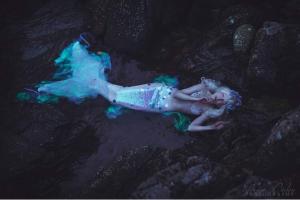
The Mermaid
Finland is a very forestry country, so it is no surprise that mermaid stories and legends are not very common. Mermaids in Finnish folklore are known as merenneito (maiden of the sea) vedenneito (maiden of water) and vedenemä (mother of water). Stories about mermaids can be mostly found on the coast of southern and western Finland.
Vedenemä was described to be an erotic character who had big breasts, long green hair and green skin. In Finnish folklore, mermaids did not have tails. They wore dresses made of sea foam. The image of a mermaid with a tail arrived in Finland as late as the end of the 19th century together with the first children´s book illustrations (especially Hans Christian Andersen´s Little Mermaid).
All over the world mermaids are believed to seduce sailors. Finnish mermaids were no exception. With their beautiful songs and their good looks, they could cause shipwrecks but if the sailor was particularly good looking they might spare their life. According to the sailors, mermaids like to sit on rocks combing their long green hair.
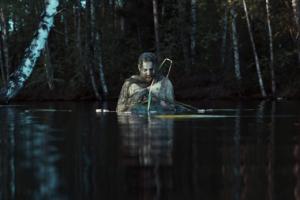
Vetehinen
Mermaids are more common characters in the folklore of western Finland. Vetehinen belongs to the storytelling tradition of eastern Finland. It was a male water spirit, whose skin was either green, grey or blue and it looked like an old man. It had a beard made of moss and seaweed and trousers weaved from seaweed. According to some legends, Vetehinen was a man who had drowned themself.
Vetehinen is similar to the Russian water demon, Vodjanov. In Slavic stories, Vodjanov is always a malevolent spirit who is eager to drown innocent swimmers. In Finland, Vetehinen is not an evil character. In some stories, Vetehinen can favour some fishermen and tell them where all the best fishing places are. They live in the bottoms of lakes and ponds.
Mist Maiden
In Finnish folklore, there was a group of ethereal water spirits. Utuneito means the mist maiden. Mist maidens were fairy-like beings who were completely made from the morning mist and water steam. During the morning twilight, mist maidens gathered above lakes and ponds to sing and dance. They were graceful creatures and their songs were hauntingly beautiful.
Vedenneito was humanized water spirit who lived in lakes and ponds and they were the personifications of the water. If the waters would dry out from the lake or the stream, vedenneito would vanish and if all the waters would flow into a river Vedenneito would flow into the river as well. Sometimes vedenneito was believed to be a spirit of a young woman who had drowned herself. Another story from Finnish mythology tells that all water spirits were sons and daughters of the Finnish sea goddess Vellamo and the sea god Ahti.

Näkki
Näkki is the most well-known water spirit in Finnish mythology. You can find a similar character from Sweden where it is called Näck, Nokken in Norway, The Neck in Britain and Nixen in Germany.
In Finnish folklore, Näkki was a terrible evil water demon. It lived in the deepest end of lakes, ponds and whirlpools and sometimes it lurked children under the docks. According to some descriptions Näkki was completely made of seaweed and it could never be killed in the water. In Sweden, Näck was most often described to be a handsome man. A talented violinist who seduced young women with his music. There were also stories told in Finland where näkki appeared as a young man or a woman but most often in Finnish folklore Näkki was a shapeless demon.
Back in the old days, adults told children not to go swimming too deep otherwise Näkki would catch them. Fear was real because people did not know what dangers the waters hold inside them. In the past when a drowned person was pulled from the water, their body was filled with black dots. These were believed to be the fingerprints of näkki and proof that näkki had killed the person.
In both Finnish and Swedish languages, there are words derived from Näkki. The old Finnish word for sea shell is näkinkenkä which literally means näkki´s shoe and the Swedish word for waterlily is näckrose, näck´s rose.
There was a spell that person could say before they went swimming which would keep näkki away.
Magical words were Näkki maalle minä veteen, älä tule ottamaan (näkki to the land, me into the water, do not dare to take me) and when a person rise up from the water they would say minä maalle, näkki veteen (me to the land, näkki back into the water).
Learn more about Finnish mythology
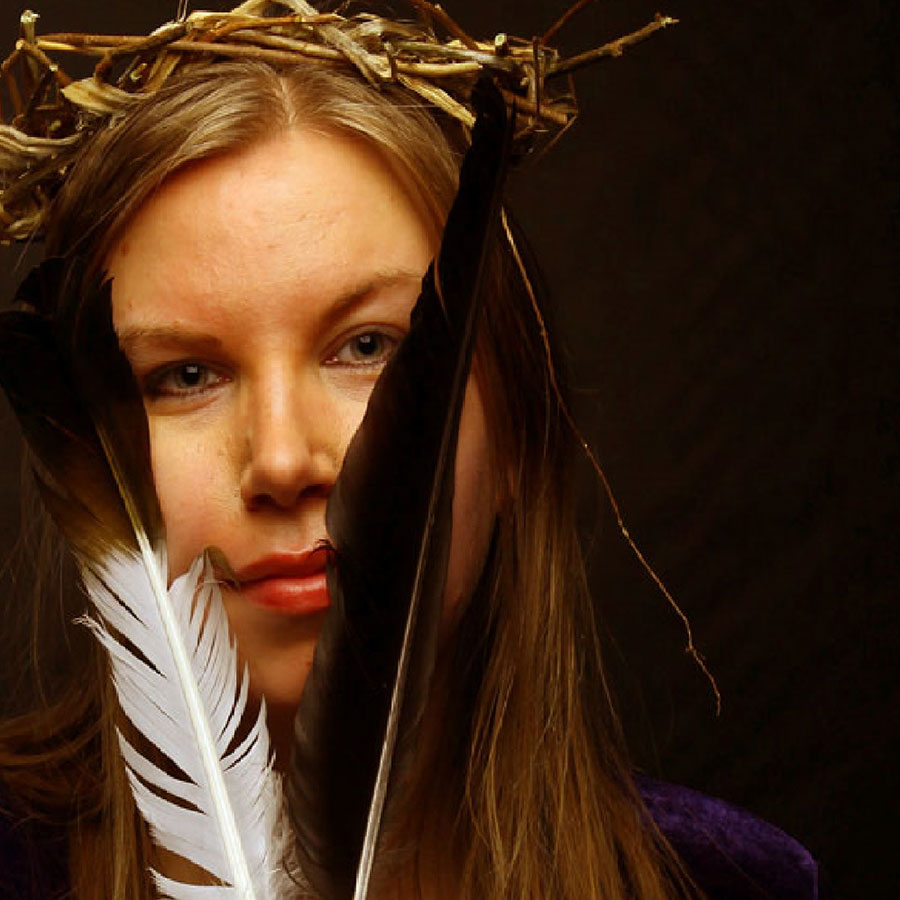
About Niina Niskanen
Niina is a folklorist from Finland who loves myths and legends. You can read more about the author here.
Previous Post

February 9, 2023
History of Valentine's Day
Next Post
February 23, 2023 Sun and the Moon in Saami Mythology and Folklore
Recent Comments
Browse Our Archives
Select a Category ancient holidays Animals Estonian Mythology Fairies Finnish Mythology goddess goddesses Inuit Myths Latvian Mythology Lithuanian Mythology mermaids moon Mythical Creatures Native American pagan temples Polynesian Myths Roman Mythology Sami Mythology Scottish Myths Slavic sun symbolism Uncategorized Valentine's Day
Select a Month March 2023 February 2023 January 2023 December 2022 November 2022 October 2022 January 2022
Follow Us!
TAKE THE
Religious Wisdom Quiz
I am a book of sermons and laws, Moses' final words before entering the Promised Land. What book am I?
Select your answer to see how you score.
Deuteronomy Moses' testimony The law The second law
Related posts from Myths and Folklore
Fairies In Finnish Mythology and Folklore

Finnish Easter Witches Holiday
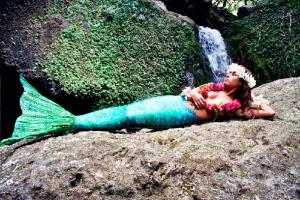
Mermaids in Polynesian Myths & Legends

Divine Grandmothers in Myths and Folklore
TRENDING AT PATHEOS Pagan

When we talk about Greek religion, we often begin with the dodekatheion—the...

I was recently chatting with someone on Instagram. She asked me what...

While there are many people who share their results, the end of...

On July 23, I saw Christopher Nolan's The Odyssey which is Homer’s...

As I write this two big events have just finished up. One...

Restoring the Watershed of Divine Love
Perhaps cooperation is not something we manufacture through legislation, ideology, or moral...
view all Pagan blogs
Ad-Free & Subscriber Log-In Subscription Support
- About Us
- 2026 Calendar
- Videos
- Podcasts
- Library of World Religions
- Faith In Media Tracker
- Advertise With Us
- Write for Us
- Privacy Policy
- Terms of Service
- Do Not Sell My Data
- Contact Us
- Radiant Digital
- Manage Newsletter Subscriptions
- Unsubscribe From Notifications
- Sitemap
Copyright 2008-2026, Patheos. All rights reserved.
Subscription Support Ad-Free & Subscriber Log-In
Follow Patheos