
BuddhistCatholicContemplativeEvangelicalGeneral ChristianHinduJewishLatter-day SaintMuslimNew VisionsProgressive Christian
Beliefs
- Buddhist
- Catholic
- Contemplative
- Evangelical
- General Christian
- Hindu
- Jewish
- Latter-day Saint
- More Voices
- Muslim
- New Visions
- Pagan
- Progressive Christian
Topics
- Religion News
- Food and Religion
- Sports and Religion
- Religious Art
- Religious Music and Entertainment
- Religious Events
- History and Religion
- Style and Religion
- Politics and Religion
- Women in Religion
- Recreation Outdoors and Religion
- Business Finance and Religion
- Careers Workplace and Religion
- Education and Religion
- Family Parenting and Religion
- Health Fitness and Religion
- Home and Religion
- Relationships and Religion
- Technology and Religion
- Travel and Religion
Columnists
- Buddhist Columnists
- Business Finance and Religion Columnists
- Careers Workplace and Religion Columnists
- Catholic Columnists
- Contemplative Columnists
- Education and Religion Columnists
- Evangelists Columnists
- Family Parenting and Religion Columnists
- General Christian Columnists
- Health Fitness and Religion Columnists
- Hindu Columnists
- History and Religion Columnists
- Home and Religion Columnists
- Jewish Columnists
- More Voices Columnists
- Latter Day Columnists
- Muslim Columnists
- New Visions Columnists
- Nonreligious Columnists
- Pagan Columnists
- Politics and Religion Columnists
- Progressive Columnists
- Recreation Outdoors and Religion Columnists
- Relationships and Religion Columnists
- Religion News Columnists
- Religious Art Columnists
- Religious Events Columnists
- Religious Music and Entertainment Columnists
- Sports and Religion Columnists
- Style and Religion Columnists
- Technology and Religion Columnists
- Travel and Religion Columnists
- Women in Religion Columnists
Resource Library
- 2026 Calendar
- Library of World Religions
- The 100 Most Holy Places on Earth
- Patheos Answers
- Podcasts
- Videos
- Faith Leaders Database
- Anglican Episcopalian
- Bahai
- Baptist
- Buddhism
- Christianity
- Confucianism
- Eastern Orthodoxy
- Hinduism
- Holiness and Pentecostal
- ISKCON
- Islam
- Judaism
- Lutheran
- Methodist
- The Church of Jesus Christ of Latter-day Saints
- New Age
- Paganism
- Presbytarian and Reformed
- Protestantism
- Religion Behind the Scenes
- Roman Catholic
- Scientology
- Shia Islam
- Sikhism
- Sufism
- Sunni Islam
- Taoism
- Zen
- See all religions
Research Tools
 Ad-Free & Subscriber Log-In Subscription Support
Ad-Free & Subscriber Log-In Subscription Support
Follow Patheos 

- Trending:
- Forgiveness
- |
- Marriage
- |
- Consciousness
- |
- Death Penalty
- |
- Election
- |
- Halloween

- Home
- Catholic
- Women in Religion
- Consecrated Virgins: A Restored Ancient Rite in the Catholic Church
Consecrated Virgins: A Restored Ancient Rite in the Catholic Church
Last updated on: October 9, 2021 at 3:26 pm by Lois Kerschen
Consecrated Virgins: A Restored Ancient Rite in the Catholic Church 2021-10-09T15:26:42-07:00 Lois Kerschen
Patheos Explore the world's faith through different perspectives on religion and spirituality! Patheos has the views of the prevalent religions and spiritualities of the world.
At a conference two years ago, I met a woman whose daughter had just become a consecrated virgin. Nearly everyone with whom she shared the news asked, “What’s a consecrated virgin?”
A consecrated virgin is a woman who has been consecrated by her diocesan bishop to a life of perpetual virginity. While she may live as a nun in a monastic order, the term is more commonly used for those who choose to live a dedicated life in the secular world.
It is expected that the consecrated virgin, when not occupied with her work life, will otherwise devote herself to prayer, penance and service to the Church.
History of the Rite
This practice of consecration goes all the way back to the Apostles and may, in fact, be the first form of consecrated life in the Church. It expresses the ideal of marriage in its irrevocable unity of a bride of Christ, representing the church, with the bridegroom of Jesus.
The concept is that the love of the Lord is enough, which clashed dramatically with the pagan way of life. Many women paid for this deviation from the norm with their lives — consider the virgin martyrs mentioned at every Mass: Sts. Agnes, Lucy and Agatha.
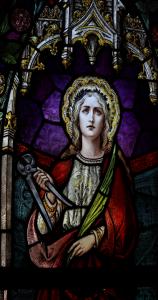
St. Agatha
Photo by Channel 82 on Unsplash
Eventually, in the third and fourth centuries, Christian life developed monasticism. Women wanting to remain virgins and dedicate themselves to Church service were absorbed into religious orders since it was otherwise not acceptable to be an unmarried woman.
There is a long history of attempts to officially revive this life through the centuries, but the revised Rite of Consecration of Virgins was not approved until 1970 under Pope Paul VI.
Modern Consecration
Today, it’s estimated there are 5,000 consecrated virgins worldwide. There are only a few hundred in the United States, but it is a growing trend according to the U.S. Association of Consecrated Virgins. https://consecratedvirgins.org/
A Catholic Review article, published October 8, 2021, discussed the rising interest in this vocation. https://catholicreview.org/some-see-growing-trend-in-women-choosing-vocation-as-consecrated-virgins/
This article quoted consecrated virgin Karen Ervin who said,
“[I]t’s a sign of the Holy Spirit moving through a culture hurting from sin that more women are stirred to seek something so radically different as choosing a vocation as a consecrated virgin.
“Perfect chastity is so profoundly mocked and misunderstood (in today’s culture) that I think the Holy Spirit is bringing this vocation back to the forefront to make it as another image of what happens in heaven. . . . when we are in that spousal union with the Trinity, in communion with God.”
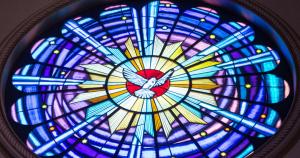
Photo by Mateus Campos Felipe on Unsplash
In an Australian article (https://www.abc.net.au/news/2019-03-03/meet-zara-australian-consecrated-virgin-married-jesus/10837420), Zara Tai explained the attraction of becoming a consecrated virgin over becoming a nun:
“In a religious order you might have some say in what you do, but you are under a vow of obedience,” so you do what the diocese tells you to do.
“But [consecrated virgins] have professions, we have careers . . . we have lives, basically, that are outside the structure of the church. It’s a modern way; it gives a lot of freedom to do whatever you like to do.”
Ms. Tai added that she is more than permanently single because she is married to Christ.
Also, since she is out in the world, Ms. Tai says that people who wouldn’t go anywhere near a church will come to her with questions. “In fact, Rome has often called us the ‘secret service of the church’ because we are in all walks of life.”
Mature, Independent and Single
Obviously, a woman has to be truly mature and independent to assume the life of a consecrated virgin. She must be at least thirty years old to take her vows, and many who are consecrated are over fifty.
The maturity and independence are needed not only for her to be able to make a life-changing and lifelong decision, but also for her to take on the responsibility for her own spiritual development and financial support since she does not belong to a religious community.
Not everyone wants to or should get married. A single Catholic woman once told me that she was disappointed that the Church didn’t put more emphasis on the single life as a vocation. I agree, and I mean the single life, not necessarily consecrated life. Being single is a perfectly valid choice, and one that more and more men and women are making in this culture for a variety of reasons.
Besides being single, why isn’t there an option to be a consecrated virgin for men? If men can make a vow of celibacy in religious life, they can be virgins in secular life as well.
Previous Post

October 7, 2021
Catholics and Abortion: A Distressing Situation
Next Post
October 12, 2021 Pro-life Organizations with a Secular Approach
Browse Our Archives
Select a Category Patheos Catholic Uncategorized
Select a Month October 2026 September 2026 July 2026 May 2026 December 2025 November 2025 September 2025 August 2025 July 2025 June 2025 May 2025 April 2025 March 2025 February 2025 August 2024 July 2024 June 2024 May 2024 April 2024 March 2024 February 2024 January 2024 November 2023 September 2023 July 2023 June 2023 February 2023 September 2022 August 2022 July 2022 June 2022 May 2022 April 2022 March 2022 February 2022 January 2022 December 2021 November 2021 October 2021 September 2021 August 2021
Follow Us!
TAKE THE
Religious Wisdom Quiz
Who said, "Lord, to whom shall we go? You have the words of eternal life"?
Select your answer to see how you score.
Peter Paul John James
Related posts from Musings From the Pew
Why I Choose the Eucharist Over the Sermon

Changing the Culture's View of Motherhood
Abortion in the Didache: forbidden by the Apostles

Introducing the Consistent Life Ethic at Your Church
TRENDING AT PATHEOS Catholic

Rejecting Doom: Christian Hope And Human Action
Christianity is a religion of hope. We are to have hope and...

It’s What Comes From Within Which Matters
One of the most difficult things for us to understand is why...

Why I Choose the Eucharist Over the Sermon
Choose the Eucharist, Not the Sermon What are we supposed to get...

5 Design Elements Found in Spiritually Rooted Homes
Putting Spirituality Into Home Decor Our homes are more than our living...

Credo: A Story of God Told with the...
About 10 years ago, I began to imagine a personal "Credo" that...

The Anatomy of Divine Revelation in Catholic Thought
The claim that God has made Himself known to human beings is...
view all Catholic blogs
Ad-Free & Subscriber Log-In Subscription Support
- About Us
- 2026 Calendar
- Videos
- Podcasts
- Library of World Religions
- Faith In Media Tracker
- Advertise With Us
- Write for Us
- Privacy Policy
- Terms of Service
- Do Not Sell My Data
- Contact Us
- Radiant Digital
- Manage Newsletter Subscriptions
- Unsubscribe From Notifications
- Sitemap
Copyright 2008-2026, Patheos. All rights reserved.
Subscription Support Ad-Free & Subscriber Log-In
Follow Patheos