
BuddhistCatholicContemplativeEvangelicalGeneral ChristianHinduJewishLatter-day SaintMuslimNew VisionsProgressive Christian
Beliefs
- Buddhist
- Catholic
- Contemplative
- Evangelical
- General Christian
- Hindu
- Jewish
- Latter-day Saint
- More Voices
- Muslim
- New Visions
- Pagan
- Progressive Christian
Topics
- Religion News
- Food and Religion
- Sports and Religion
- Religious Art
- Religious Music and Entertainment
- Religious Events
- History and Religion
- Style and Religion
- Politics and Religion
- Women in Religion
- Recreation Outdoors and Religion
- Business Finance and Religion
- Careers Workplace and Religion
- Education and Religion
- Family Parenting and Religion
- Health Fitness and Religion
- Home and Religion
- Relationships and Religion
- Technology and Religion
- Travel and Religion
Columnists
- Buddhist Columnists
- Business Finance and Religion Columnists
- Careers Workplace and Religion Columnists
- Catholic Columnists
- Contemplative Columnists
- Education and Religion Columnists
- Evangelists Columnists
- Family Parenting and Religion Columnists
- General Christian Columnists
- Health Fitness and Religion Columnists
- Hindu Columnists
- History and Religion Columnists
- Home and Religion Columnists
- Jewish Columnists
- More Voices Columnists
- Latter Day Columnists
- Muslim Columnists
- New Visions Columnists
- Nonreligious Columnists
- Pagan Columnists
- Politics and Religion Columnists
- Progressive Columnists
- Recreation Outdoors and Religion Columnists
- Relationships and Religion Columnists
- Religion News Columnists
- Religious Art Columnists
- Religious Events Columnists
- Religious Music and Entertainment Columnists
- Sports and Religion Columnists
- Style and Religion Columnists
- Technology and Religion Columnists
- Travel and Religion Columnists
- Women in Religion Columnists
Resource Library
- 2026 Calendar
- Library of World Religions
- The 100 Most Holy Places on Earth
- Patheos Answers
- Podcasts
- Videos
- Faith Leaders Database
- Anglican Episcopalian
- Bahai
- Baptist
- Buddhism
- Christianity
- Confucianism
- Eastern Orthodoxy
- Hinduism
- Holiness and Pentecostal
- ISKCON
- Islam
- Judaism
- Lutheran
- Methodist
- The Church of Jesus Christ of Latter-day Saints
- New Age
- Paganism
- Presbytarian and Reformed
- Protestantism
- Religion Behind the Scenes
- Roman Catholic
- Scientology
- Shia Islam
- Sikhism
- Sufism
- Sunni Islam
- Taoism
- Zen
- See all religions
Research Tools
 Ad-Free & Subscriber Log-In Subscription Support
Ad-Free & Subscriber Log-In Subscription Support
Follow Patheos 

- Trending:
- Forgiveness
- |
- Marriage
- |
- Consciousness
- |
- Death Penalty
- |
- Election
- |
- Halloween
 Mostly Muslim
-
Faith & Spirituality
-
Personal/Life
-
Society & Culture
- Home
- Muslim
- Is It Unfair for Teenagers to Be Considered “Adults” in Islam?
Is It Unfair for Teenagers to Be Considered “Adults” in Islam?
Last updated on: December 26, 2019 at 9:28 am by Iman
Is It Unfair for Teenagers to Be Considered “Adults” in Islam? 2019-12-26T09:28:53-06:00 Iman
Patheos Explore the world's faith through different perspectives on religion and spirituality! Patheos has the views of the prevalent religions and spiritualities of the world.

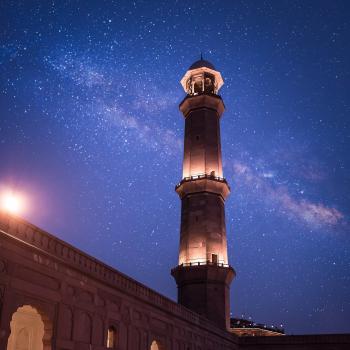
Photo by Benjamin Davies on Unsplash
Teenagers are going through some of the toughest years of their lives. They’re caught between childhood and adulthood— they wish to be treated like adults, but also don’t want to deal with any negative consequences if they make poor decisions. Part of this is because they know that legally, they still have a few years left of being considered a kid by society.
Islam says otherwise: Once a child hits puberty, they are officially an “adult”— not legally, if the country they live in says otherwise, but in terms of their religious responsibilities.
This can seem a bit harsh on paper, since it means that a person is held accountable for their actions (in the sight of Allah) from their early teens or even preteens. At the same time, though, they’re considered to be children by everyone around them and are still growing up. But isn’t Allah the Most Just? So how is this fair?
The main difference that we have to keep in mind is between how Allah judges us when we make mistakes, versus how the court of law judges us. Legally, the day you turn 18, you are judged as an adult and can even go to prison for certain crimes. It doesn’t matter if you feel regretful and are ready to turn your life around. As they say, “sorry,” isn’t going to cut it.
The main difference that we have to keep in mind is between how Allah judges us when we make mistakes, versus how the court of law judges us.
But when it comes to Allah judging us, the main thing He wants from us is an apology. He wants to know that we regret our mistake and are sincerely intending to avoid that sin in the future, and if that’s true, He lets us off the hook. It doesn’t matter if you’re 14 or 40— Allah will forgive you if you sincerely repent (and make amends with anyone that you may have wronged).
From some of the arguments that I’ve personally heard, some people who have an issue with the age of adulthood being younger in Islam say that it’s because of brain development being incomplete at those ages. But according to researchers, a person’s brain is not fully developed until about the age of 25. This means that at 18, or even 21, they still have many years left of making rash decisions. But the country they live in won’t care about that— they’ll be punished anyway, and depending on what they did, it may be on their record for many years or even forever.
It doesn’t matter if you’re 14 or 40— Allah will forgive you if you sincerely repent.
Allah, however, is merciful to everyone, including the 18 and 21 year olds. He doesn’t care about your past once you repent for your sins, even if you don’t realize your mistakes until later in life. (Of course, this doesn’t mean that we can try to outsmart Him by purposely delaying our repentance while continuing to sin! He is All-Knowing.)
One thing that society or the legal system definitely doesn’t do for us is reward us for being good citizens. There is no monetary reward for not being a criminal; no public recognition for our sincerity; no prize handed out for following the law. But Allah rewards us for even the smallest good deeds and intentions, and for staying away from the haraam (forbidden). He has promised us luxuries and riches beyond our wildest dreams, which we will have forever inshaAllah.
Allah truly is the Most Just and Kind. We can’t compare His law to ours. Our religion is not harsh and unforgiving, as some people think it is.
Allah truly is the Most Just and Kind. We can’t compare His law to ours. Our religion is not harsh and unforgiving, as some people think it is. All that is expected of us is to worship Allah alone, follow some basic rules and requirements, repent for our mistakes, and try to be the best people we can be. He just gets us started with this a little earlier than 18, so we have some sense of accountability as we grow up. Sounds simple enough to me!
“Say, ‘O My servants who have wronged themselves [by sinning], do not despair of the mercy of Allah . No doubt, Allah forgives all sins. Indeed, it is He who is the All-Forgiving, the Most-Merciful.'” [Qur’an 39:53]
Previous Post

April 5, 2017
Islam Is Not About Being Perfect

Browse Our Archives
Select a Category Afterlife Culture Dealing with Others English Faith & Spirituality Inspiration Letters to the Ummah Personal / Life Poetry Ramadan Reality Check Reflections Relationships Religion Society & Culture Uncategorized Urdu Women
Select a Month September 2020 May 2020 April 2020 March 2020 January 2020 December 2019 October 2019 September 2019 August 2019 July 2019 June 2019 May 2019 April 2019 March 2019 February 2019 January 2019 December 2018 November 2018 October 2018 September 2018 August 2018 July 2018 June 2018 May 2018 April 2018 March 2018 February 2018 January 2018 December 2017 November 2017 October 2017 September 2017 August 2017 July 2017 June 2017 May 2017 April 2017 March 2017 February 2017 January 2017 December 2016 November 2016 October 2016 September 2016 August 2016 July 2016 June 2016 March 2016 November 2015 October 2015 June 2015 May 2015 February 2015 July 2014 June 2014 May 2014 April 2014 March 2014
Follow Us!
TAKE THE
Religious Wisdom Quiz
What is the main literary style of Psalms and Proverbs?
Select your answer to see how you score.
Historical narrative Prophecy Poetry Apocalypse
Related posts from Mostly Muslim

A New Year, Another Opportunity for a Fresh...
The Miracle of the Azaan (Muslim Call to...

Except Those Who Have Faith and Do Good

Saving the Earth, Saving Ourselves
TRENDING AT PATHEOS Muslim

25 Years Later: How Much Has Changed for...
As we approach the 25th anniversary of September 11th, I’ve found myself...

Podcast: Third Spaces & The Rise of Yemeni...
In the latest episode of The Artistic Foodies Podcast, hosts Abbas...

HalalFest Picks: Best 60 Halal Spots for Super...
Back in 2016, I came up with a list of 29...

Unity Is America’s Strength — Division Is Its...
by Hidayatullah Ahsan When Valentina Gomez, a Republican candidate for Congress in...

Zohran Mamdani and New York’s Fight Against Islamophobia
This past June, against all odds, Zohran Mamdani won the Democratic primary...

What the Fourth of July Means to a...
As we mark another Fourth of July, millions of Americans will celebrate...
view all Muslim blogs
Ad-Free & Subscriber Log-In Subscription Support
- About Us
- 2026 Calendar
- Videos
- Podcasts
- Library of World Religions
- Faith In Media Tracker
- Advertise With Us
- Write for Us
- Privacy Policy
- Terms of Service
- Do Not Sell My Data
- Contact Us
- Radiant Digital
- Manage Newsletter Subscriptions
- Unsubscribe From Notifications
- Sitemap
Copyright 2008-2026, Patheos. All rights reserved.
Subscription Support Ad-Free & Subscriber Log-In
Follow Patheos