
BuddhistCatholicContemplativeEvangelicalGeneral ChristianHinduJewishLatter-day SaintMuslimNew VisionsProgressive Christian
Beliefs
- Buddhist
- Catholic
- Contemplative
- Evangelical
- General Christian
- Hindu
- Jewish
- Latter-day Saint
- More Voices
- Muslim
- New Visions
- Pagan
- Progressive Christian
Topics
- Religion News
- Food and Religion
- Sports and Religion
- Religious Art
- Religious Music and Entertainment
- Religious Events
- History and Religion
- Style and Religion
- Politics and Religion
- Women in Religion
- Recreation Outdoors and Religion
- Business Finance and Religion
- Careers Workplace and Religion
- Education and Religion
- Family Parenting and Religion
- Health Fitness and Religion
- Home and Religion
- Relationships and Religion
- Technology and Religion
- Travel and Religion
Columnists
- Buddhist Columnists
- Business Finance and Religion Columnists
- Careers Workplace and Religion Columnists
- Catholic Columnists
- Contemplative Columnists
- Education and Religion Columnists
- Evangelists Columnists
- Family Parenting and Religion Columnists
- General Christian Columnists
- Health Fitness and Religion Columnists
- Hindu Columnists
- History and Religion Columnists
- Home and Religion Columnists
- Jewish Columnists
- More Voices Columnists
- Latter Day Columnists
- Muslim Columnists
- New Visions Columnists
- Nonreligious Columnists
- Pagan Columnists
- Politics and Religion Columnists
- Progressive Columnists
- Recreation Outdoors and Religion Columnists
- Relationships and Religion Columnists
- Religion News Columnists
- Religious Art Columnists
- Religious Events Columnists
- Religious Music and Entertainment Columnists
- Sports and Religion Columnists
- Style and Religion Columnists
- Technology and Religion Columnists
- Travel and Religion Columnists
- Women in Religion Columnists
Resource Library
- 2026 Calendar
- Library of World Religions
- The 100 Most Holy Places on Earth
- Patheos Answers
- Podcasts
- Videos
- Faith Leaders Database
- Anglican Episcopalian
- Bahai
- Baptist
- Buddhism
- Christianity
- Confucianism
- Eastern Orthodoxy
- Hinduism
- Holiness and Pentecostal
- ISKCON
- Islam
- Judaism
- Lutheran
- Methodist
- The Church of Jesus Christ of Latter-day Saints
- New Age
- Paganism
- Presbytarian and Reformed
- Protestantism
- Religion Behind the Scenes
- Roman Catholic
- Scientology
- Shia Islam
- Sikhism
- Sufism
- Sunni Islam
- Taoism
- Zen
- See all religions
Research Tools
 Ad-Free & Subscriber Log-In Subscription Support
Ad-Free & Subscriber Log-In Subscription Support
Follow Patheos 

- Trending:
- Forgiveness
- |
- Marriage
- |
- Consciousness
- |
- Death Penalty
- |
- Election
- |
- Halloween
 The Mormon Therapist
- Home
- Latter-day Saint
- Health, Fitness and Religion
- Comments on Navigating Mixed Faith Marriages
Comments on Navigating Mixed Faith Marriages
Last updated on: August 7, 2020 at 12:00 pm by Natasha Helfer
Comments on Navigating Mixed Faith Marriages 2020-08-06T22:15:59-05:00 Natasha Helfer
Patheos Explore the world's faith through different perspectives on religion and spirituality! Patheos has the views of the prevalent religions and spiritualities of the world.
I have been working with mixed-faith marriages as an expertise in my practice for over a decade. With so many people in today’s climate having shifts in their religious identities… it often affects spouses and marriage. Where they once shared their religious beliefs and faith traditions, they no longer do.
There are few resources to know how to manage this in marriage-positive ways. I am so proud to have come up with a curriculum in partnership with Allan and Kattie Mount (hosts of the Marriage on a Tightrope podcast) where we now offer a 6-week online course to help couples negotiate these painful spaces. We just finished Week 1 where the couples were expected to do an in-home exercise that required active listening (no rebuttals) to the experience of the other during the faith transition process.
The following is a list of the types of comments that people shared. I know it’s long… and yet I also know that for those experiencing what can feel like a very lonely and confusing time, it can feel so supportive and hopeful to read other people’s experiences. So here goes…
1. The root of what we are both most afraid of is to be left behind.
It can be scary to feel judged or not feel accepted as we move forward together.2. This isn’t easy for either one of us. Both of us are afraid of keeping the connection we want to have. It’s not that we are tired of each other… we want to stay connected.
3. It’s hard to wonder what external people are thinking about our marriage. There is a sense of shame. I’m the one that changed the game and doing something differently and it’s hard to hurt people in that process.
4. It’s not a purposeful thing on either part… to stay connected to the church or to stop believing. And yet for better or for worse it’s where we find ourselves.
5. How do we connect when it feels like our core beliefs as a couple are gone? But then you realize it’s not that they are gone… you have to rethink them.
6. For me the biggest fear was that my spouse would love the church more than our marriage. And it’s been so helpful to have discussions where we confirm to each other that our family comes first no matter what.
7. It’s nice to realize we still have a lot in common.
8. It’s hard when I want to support my spouse… but in a faith transition that I’m not going through… sometimes I’m not the person best suited to help my spouse.
9. We’re both afraid/worried about our kids.
10. It really hit us when we had to think about “are we married because of the church… or are we married because we love each other?” That’s really helped us prioritize what’s important.
11. I haven’t felt like I could talk much about how I’ve been feeling… and these exercises have really helped us open up.
12. It’s hard to know how this process is going to influence our kids…
13. Our biggest fear is are we going to lose our connection as we go through this? Will you love me less? It was so interesting that we both felt the same way. And I can focus on the fact that we love each other today.
14. Being left alone as the only person remaining in the church and being seen as the crazy religious person was a big fear for me.
15. We wish we had this list of questions at the beginning. And checking back to them as time went on. Would have made the journey easier and less painful.
16. Because the differences between us were so painful… we stopped communicating. And now we feel alone and it’s hard to reconnect. So it’s a challenge to lean into this class and the exercises.
17. I have been so angry and hurt… and I’ve had to work really hard. And then I got to face the first question… “why did I fall in love with you?” And that made me think about our many strengths and what I love about my spouse. I can’t force my spouse to believe or to make certain choices. But I can take a positive approach to our marriage. We talked about a lot of things we haven’t talked about before.
18. When I stopped perseverating about my own pain… and began to focus on the pain and loss my wife was experiencing, that was a huge step for me. Leaving the egocentric view was a game changer… and really caring about the other person.
19. This process creates a lot of opportunity for vulnerability on both sides… and we realize how lonely we both are.
20. It’s hard to self-disclose doubt, but it can lead to greater emotional intimacy.
21. I wonder if people, like I do sometimes, withdraw into a cave without using “I feel” statements to process our emotions.
22. It was hard to answer the questions because we had to get vulnerable… but it was also a relief to get real with one another.
23. The emotional rawness brings a new type of intimacy which is quite profound. So it’s interesting that it’s not all bad.
24. The biggest insecurity I have is that I’m not the man she married and that I may not measure up in her eyes anymore. And maybe she has some of those insecurities too.
25. I realize I have to offer respect, because I desperately want respect from him in regards to my staying close to my religious beliefs.
26. At the end of the discussion we had, I felt charity towards my spouse… its that true caring for the other and wanting them to be happy.
27. We realized through this exercise that we have a lot more in common than what we have not in common.
28. We have a long history of togetherness… so it was good to remember that this faith transition doesn’t define us and we still love each other.
29. Radical compassion is at the core of what it means to be human. We all need that.
30. We both expressed feeling unsupported by the other in this process… When we are wrapped up in our own pain it can be hard to be there for the other person.
31. My wife is worried that I think she is dumb or naive because she still believes in the church… and it’s really sad for me because that’s not how I feel.
32. When my spouse says they fell in love with my spirituality… that makes it hard when I’m the one transitioning. So now we are having to look at what “spirituality” means and how it can still be one of our strengths.
33. I’m learning to broaden the term spirituality… and now I realize that it’s more his sensitivity I fell in love with.
34. One of the best/worst things about all of this is realizing how many people are wrapped up in the same pain we are.
35. I didn’t know that telling your spouse about losing your faith could be another form of trauma. It’s been difficult and painful. And yet putting in the work… typically good things happen and we are seeing the fruits of that. We’ve been married 27 years and we’re the best we’ve ever been.
36. It comes down to love. This experience has really taught me what love is all about.
37. Caring for others is my new spirituality.
38. We had serious communication issues in our marriage before this faith transition… so in a sense there was stuff we had to work on anyway.
39. I put the kids up front, and put my spouse in the back seat because he wasn’t going where I felt we needed to go. Now I realize we need to reengage and get back to driving together.
40. I can appreciate my wife’s confidence in the gospel even though I can no longer be in that same place. I’m so glad I can see that from a positive light and as a supportive husband… versus the negative place I was before.
41. I think we are scared for each other as far as how our parents are going to react to this new development. I know we don’t need to necessarily care about that but it’s still hard.
42. This process has brought out even better communication. Before we took for granted that we thought the same things. Now we really have to discuss and go deeper as to what we believe.
43. Since we’ve been at this for a while, it’s nice to see how time helps with our fears and our pain.
44. There’s some real difficulty in being able to talk about some of these things. It makes us have to face the communication challenges we have as a couple. This exercise led to more questions marks which is good but hard.
45. I realize that this is a lonely process when I feel like I can’t process things with my spouse because I don’t want to hurt their faith or offend them somehow. I can understand where they are because I was there… but they can’t understand where I am and that’s lonely.
46. It’s been helpful hearing so many experiences that are like ours.
Providers at Symmetry Solutions are available to help you navigate your faith transition and/or mixed faith marriage. Please do not hesitate to call us at 1-208-391-7804.
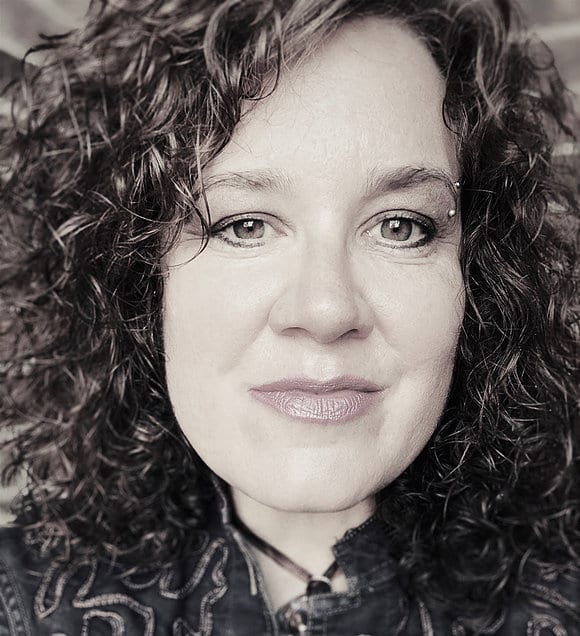 Natasha Helfer, LCMFT, CST, CSTS can be reached at natashaparker.org and runs an online practice, Symmetry Solutions, which focuses on helping families and individuals with faith concerns, sexuality and mental health. She hosts the Mormon Mental Health and Mormon Sex InfoPodcasts, is the current past president of the Mormon Mental Health Association and runs a sex education program, Sex Talk with Natasha. She has over 20 years of experience working with primarily an LDS/Mormon clientele.
Previous Post

July 20, 2020
An Apology...
Next Post
September 18, 2020 RECLAIM YOUR TRUE SELF
Browse Our Archives
Select a Category Abortion Abuse Addiction Adolescents Anger Anxiety BDSM Bipolar Disorder Body Image Boundaries Children Circumcision Civil Rights Consent COVID19-Coronavirus Death Depression Divorce Domestic Violence Emotional Abuse Erectile Dysfunction Faith Crisis/Faith Transition Gender Identity Gender Roles Gospel Teachings Grief Homosexuality Infidelity LGBTQ LGBTQ+ Male Issues Marriage Masturbation Menopause Mental Health Mindfulness Miscarriage Missions Mixed-Faith Obsessive Compulsive Disorder Parenting Perfectionism Physical Abuse Physical Health Pornography Premature Ejaculation PTSD Race Relations Relationships Rest Righteousness Self Care Self Injury Self-Esteem Sexual Abuse Sexual Disorders Sexual Education Sexuality Single Adults Social Media Spirituality Suicide Survey Temple Issues Transgender Health Trauma Uncategorized Violence Women's Issues Word of Wisdom
Select a Month September 2020 August 2020 July 2020 June 2020 May 2020 April 2020 March 2020 February 2020 January 2020 December 2019 November 2019 October 2019 August 2019 July 2019 June 2019 May 2019 April 2019 March 2019 February 2019 December 2018 November 2018 April 2018 March 2018 February 2018 January 2018 December 2017 November 2017 October 2017 September 2017 August 2017 July 2017 June 2017 May 2017 March 2017 January 2017 December 2016 November 2016 October 2016 September 2016 August 2016 July 2016 June 2016 May 2016 April 2016 February 2016 January 2016 December 2015 November 2015 October 2015 July 2015 February 2015 January 2015 November 2014 September 2014 August 2014 July 2014 June 2014 April 2014 February 2014 December 2013 November 2013 October 2013 September 2013 August 2013 July 2013 May 2013 April 2013 March 2013 February 2013 January 2013 November 2012 October 2012 September 2012 August 2012 July 2012 May 2012 April 2012 February 2012 January 2012 December 2011 November 2011 October 2011 September 2011 August 2011 July 2011 June 2011 May 2011 April 2011 March 2011 February 2011 January 2011 December 2010 November 2010 October 2010 September 2010 August 2010 July 2010 June 2010 May 2010 April 2010 March 2010 February 2010 January 2010 December 2009 November 2009 October 2009 September 2009 August 2009 July 2009 June 2009 May 2009 April 2009 March 2009 February 2009
Follow Us!
TAKE THE
Religious Wisdom Quiz
I gathered materials for the temple but was told my son would build it instead. Who am I?
Select your answer to see how you score.
Solomon Zadok Nathan David
Related posts from The Mormon Therapist


A Letter to Mixed Faith Couples

The Art of Difficult Conversation: My Story.
TRENDING AT PATHEOS Latter-day Saint

Did Prayer Cure His Cancer? Or Was It...
At 4 AM one morning, Joshua W. Brown’s wife awoke to a...

8 Ways a Near-Death Experience Rewires the Soul
Does Consciousness Survive Physical Death? After 50 Years of Research, Dr. Raymond...

Holy Longing: What Our Restlessness Is Telling Us
“One can find so many pains when the rain is falling.” -John...

What this is NOT about. This blog is definitely not about...

Who said the Israelites were God’s chosen? That’s right, they did. Who...

The Spirit World Is the Real World: God...
A Monk’s Wisdom on Body and Spirit I sit with Brother Martin...
view all Latter-day Saint blogs
Ad-Free & Subscriber Log-In Subscription Support
- About Us
- 2026 Calendar
- Videos
- Podcasts
- Library of World Religions
- Faith In Media Tracker
- Advertise With Us
- Write for Us
- Privacy Policy
- Terms of Service
- Do Not Sell My Data
- Contact Us
- Radiant Digital
- Manage Newsletter Subscriptions
- Unsubscribe From Notifications
- Sitemap
Copyright 2008-2026, Patheos. All rights reserved.
Subscription Support Ad-Free & Subscriber Log-In
Follow Patheos