
BuddhistCatholicContemplativeEvangelicalGeneral ChristianHinduJewishLatter-day SaintMuslimNew VisionsProgressive Christian
Beliefs
- Buddhist
- Catholic
- Contemplative
- Evangelical
- General Christian
- Hindu
- Jewish
- Latter-day Saint
- More Voices
- Muslim
- New Visions
- Pagan
- Progressive Christian
Topics
- Religion News
- Food and Religion
- Sports and Religion
- Religious Art
- Religious Music and Entertainment
- Religious Events
- History and Religion
- Style and Religion
- Politics and Religion
- Women in Religion
- Recreation Outdoors and Religion
- Business Finance and Religion
- Careers Workplace and Religion
- Education and Religion
- Family Parenting and Religion
- Health Fitness and Religion
- Home and Religion
- Relationships and Religion
- Technology and Religion
- Travel and Religion
Columnists
- Buddhist Columnists
- Business Finance and Religion Columnists
- Careers Workplace and Religion Columnists
- Catholic Columnists
- Contemplative Columnists
- Education and Religion Columnists
- Evangelists Columnists
- Family Parenting and Religion Columnists
- General Christian Columnists
- Health Fitness and Religion Columnists
- Hindu Columnists
- History and Religion Columnists
- Home and Religion Columnists
- Jewish Columnists
- More Voices Columnists
- Latter Day Columnists
- Muslim Columnists
- New Visions Columnists
- Nonreligious Columnists
- Pagan Columnists
- Politics and Religion Columnists
- Progressive Columnists
- Recreation Outdoors and Religion Columnists
- Relationships and Religion Columnists
- Religion News Columnists
- Religious Art Columnists
- Religious Events Columnists
- Religious Music and Entertainment Columnists
- Sports and Religion Columnists
- Style and Religion Columnists
- Technology and Religion Columnists
- Travel and Religion Columnists
- Women in Religion Columnists
Resource Library
- 2026 Calendar
- Library of World Religions
- The 100 Most Holy Places on Earth
- Patheos Answers
- Podcasts
- Videos
- Faith Leaders Database
- Anglican Episcopalian
- Bahai
- Baptist
- Buddhism
- Christianity
- Confucianism
- Eastern Orthodoxy
- Hinduism
- Holiness and Pentecostal
- ISKCON
- Islam
- Judaism
- Lutheran
- Methodist
- The Church of Jesus Christ of Latter-day Saints
- New Age
- Paganism
- Presbytarian and Reformed
- Protestantism
- Religion Behind the Scenes
- Roman Catholic
- Scientology
- Shia Islam
- Sikhism
- Sufism
- Sunni Islam
- Taoism
- Zen
- See all religions
Research Tools
 Ad-Free & Subscriber Log-In Subscription Support
Ad-Free & Subscriber Log-In Subscription Support
Follow Patheos 

- Trending:
- Forgiveness
- |
- Marriage
- |
- Consciousness
- |
- Death Penalty
- |
- Election
- |
- Halloween
 The Mormon Therapist
- Home
- Latter-day Saint
- Health, Fitness and Religion
- Ed Smart-A Common LDS Story
Ed Smart-A Common LDS Story
Last updated on: August 19, 2019 at 8:29 pm by Natasha Helfer
Ed Smart-A Common LDS Story 2019-08-19T20:29:56-05:00 Natasha Helfer
Patheos Explore the world's faith through different perspectives on religion and spirituality! Patheos has the views of the prevalent religions and spiritualities of the world.
I cannot second Nathan Kitchen’s words enough! This was a very thought out post I was able to read on his facebook page and got permission to share here. Ed Smart represents thousands upon thousands of members of our church who have found no healthy space within our flock. Rather than only pay attention to news when we are gawking at a “celebrity” per se… we need to get to the work of making our spiritual home a home for all of God’s children.
Today’s guest post is written by Nathan Kitchen. Opinions shared on guest posts may not completely reflect the positions of the blog’s author.
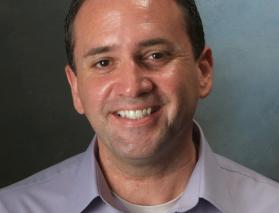 Elected as Affirmation President in 2018, Nathan Kitchen (he/him/his) grew up in Orem, Utah. He served a two-year mission in Alabama, where on a lonely Tuscaloosa country road, he had a tooth knocked out during a head-on collision. The dentist who saved his tooth was so cool that Nathan decided right then and there to become one himself. He received his BS from BYU Provo and a Doctor of Dental Medicine degree from Southern Illinois University. After a residency at the University of Iowa Hospitals and Clinics, he moved to Arizona and opened his private practice in Mesa. Nathan is the proud father of five remarkable children who are the pride and joy of his life.
I have remained silent about the Ed Smart article first published in the Deseret News, because frankly, a person’s sexuality is not newsworthy. It is modern-day voyeurism at its worst to gawk at the gay guy making a hard pivot in life. Just because we all got to know the Smarts during their intense publicity surrounding the kidnapping of their daughter, that doesn’t bestow upon us the right of familiarity with the Smart family.
The Smarts deserve their privacy as they make difficult decisions together. There are no sides here. Only a family trying to make sense of decisions made on the best information they had decades ago. Make no mistake about it, I want to be perfectly clear: both Ed AND Lois Smart are victims of homophobia. It is a deep homophobia etched into the very genetics of society and our institutions.
What we need to do, instead of focusing on a sensational story, is instead laser focus on the prejudices and misconceptions about sexual orientation, gender identity and expression. Eliminating those prejudices and misconceptions is in everyone’s interest. Eliminating homophobia and transphobia is not only essential for the health and well-being of LGBTQ+ individuals and their families, it is essential for the health and well-being of institutions, society, and culture at large.
However, I do think this entire situation brings up a very valid point that is game to talk about.
Ed expressed that in this coming out “the church is not a place where I find solace any longer.” I affirm Ed’s personal feelings on the matter. This reflects his experience and I will never qualify, question, or deny the experiences of any of my LGBTQ+ siblings. This statement does us all a favor by starting a conversation. It invites deep reflection and a hard look at ourselves as members and former members of the Church of Jesus Christ of Latter-day Saints, both LGBTQ+ and non-LGBTQ+ individuals: Is the church a safe place for LGBTQ+ individuals and their families?
For decades this kind of question was addressed from a very straight-centric perspective, stemming from the overarching premise “What does the Church think about LGBTQ+ people?” Hence over time we received lots of clues about what the Church thought about LGBTQ+ people. From the book “The Miracle of Forgiveness” to today’s Mormon and gay website, the standards of the church concerning LGBTQ+ individuals have been delivered to the members in a constant parade of books, talks, websites, and policies. The problem with this overarching premise is that straight people change their views of LGBTQ+ individuals when they get to know them. So this constant parade of church missives and policies change year, after year, after year as stereotypes are erased and the general population becomes educated concerning LGBTQ+ issues.
As the new civil rights movement continues forward, this continual changing perspective of “What the Church thinks” has become a moving target and tiresome to chase. It has given way to a new LGBTQ+ centric perspective: “What do LGBTQ+ people think about the Church?” This is the healthiest of all premises for LGBTQ+ individuals and their families. It is from this vantage point that we should all approach the question “Is the Church a safe place for LGBTQ+ individuals and their families?”
From an LGBTQ+ centric position concerning safety in the church, we must first acknowledge that there is a “rainbow stained-glass ceiling” in the church. This boundary specifically is marriage equality and the self-determination of gender identity by transitioning. It is the bright line set in doctrine and policy. You bump up against this ceiling when you marry someone of your same sex or transition.
If someone were to honestly ask what could make the church safer and welcoming for LGBTQ+ people, the honest answer would be to affirm marriage equality and self-determination of gender identity. However, ultimately this is an organizational revelation issue in the church. This falls squarely to the Brethren to be responsible for deliberation, inquiring, and delivering a doctrinal change. If there is one thing church history can teach us, it is that it will drive one mad to lobby the Brethren about anything.
So as the Brethren take up the question about what to do with LGBTQ+ members, we all can continue to work together to eliminate homophobia and transphobia in our sphere of influence. And we can do this in very LGBTQ+ centric ways.
Everyone understands that the “rainbow stained-glass ceiling” is there. So when we approach the question “Is the church is safe for LGBTQ+ people?” we need to honor LGBTQ+ people in their personal perspectives of what they themselves think about the church.
We cannot make a blanket statement that the church is not safe for LGBTQ+ people. This denies the self-determination of our LGBTQ+ siblings and erases their perspective. Conversely, we cannot make a blanket statement that the church is safe for LGBTQ+ people because that too erases lived experiences.
When you look at the entire spectrum of LGBTQ+ people in the church or those identifying that they are in the church, you will find LGBTQ+ people who find solace, safety, community, and peace. They have answered for themselves the question “What do I think about the church?” They are not self-loathing, they are not delusional, and they are choosing to live in ways that are empowering to them as an LGBTQ+ individual. It costs us nothing to affirm them in their answer in how they choose to access spirituality and community.
There are also LGBTQ+ people who experience conflict, trauma, suicidal ideation, and rejection at their intersection with the Faith. When they answer the question for themselves about what they think about the church, they do not see it as a safe place to be. They are not weak, lacking in faith, offended, or sinners to step away or leave the church. They are choosing to live in ways that are empowering and healthy for them. I would say that it costs us nothing to affirm their choices to step away or leave, but in reality it does cost. It costs the Church their best and most talented humans in a devastating resource drain from the church.
The thing that people get wrong about LGBTQ+ self-determination is that choices made by self-determination are eternal and unchanging. On the contrary, LGBTQ+ people have the right to change their answer to “What do I think about the Church?” at any time. There is fluidity to the answer, depending on so many individual factors. For example an LGBTQ+ person may find safety in the church until they bump up against the rainbow stained-glass ceiling when they marry someone of the same sex or transition. Others go the opposite direction, and after many years away from the church, they return.
People often get so caught up in a Mormon/Ex-Mormon argument loop about other’s choices concerning the church that it obscures the self-determination of the LGBTQ+ individual. There is not one “correct” way to LGBTQ+. The choice of the LGBTQ+ individual trumps all other judgements of other people.
The new frame of reference for us all is to be LGBTQ+ centric and affirm the very personal answer that an LGBTQ+ person has for themselves about what they think about the church. Anything else is just generic religious proselytizing for or against the church.
So from an LGBTQ+ centric position, knowing the rainbow stained-glass ceiling is firmly in place until the Brethren remove it, what can be done right now to make the church safer and more welcoming for LGBTQ+ individuals who answer for themselves that they want to be there? I have four ideas that can be implemented right now with no doctrinal or revelatory changes. I hope you share even more in the comments section.
- Have uniform treatment of the LGBTQ+ community church-wide. It is no secret that transgender individuals are treated with the most extreme inequality from ward to ward and stake to stake in issues such as excommunication upon transitioning, attendance of second hour classes, speaking in church, and holding a calling. There is also geographical disparity concerning the management of same sex couples who legally marry. Bishops and Stake Presidents vary widely on youth LGB Issues such as handholding, dating, and even kissing.
It would take almost no effort to find the areas in the church where outreach and the welcoming of LGBTQ+ individuals and their families is occurring and universally train leaders across the church using models already utilized in some of the stakes in Zion. End local leadership roulette for the LGBTQ. We live in the age of the internet. LGBTQ+ individuals are highly aware of this inconsistency and it is troubling.
- Increase transgender care and education. Much ignorance and transphobia abounds concerning the transgender community in the church. It feels that not much has changed in the understanding of transgender individuals since Dalin H. Oaks made a 2015 statement during a press conference that “while we have been acquainted with lesbians and homosexuals for some time, being acquainted with the unique problems of a transgender situation is something we have not had so much experience with, and we have some unfinished business in teaching on that.”
Simple things such as learning basic trans terminology, using someone’s correct name and pronouns, and changing someone’s name on church records when they have legally changed their name in the courts starts to make a dent in the care of transgender individuals and their families. (Also see #1 above.) We all can and need to be allies for our transgender siblings.
- Stop the excommunications and church discipline for those who marry someone of the same sex or transition. Just call a moratorium on this spiritual act of violence while everyone is working out the unfinished business. Getting rid of LGBTQ+ people through church discipline reminds me of the harmful words of BYU President Ernest Wilkinson who in 1965 told the BYU student body that BYU did not intend to admit any homosexuals, but if there happened to be a homosexual among the student body, “I suggest that you leave the university immediately after this assembly; and if you are honest enough to let us know the reason, we will voluntarily refund your tuition. We do not want others on this campus to be contaminated by your presence.”
LGBTQ+ individuals do not contaminate wards or stakes, they bless wards and stakes. They do not contaminate the children or the youth. The threat of excommunication and discipline creates an environment of fear and anxiety. It makes it unsafe for LGBTQ+ members to come and worship. Take this off the table to immediately make the church safer for LGBTQ+ people. Oh, and take off the asterisk on LGBTQ+ member records that were placed solely to identify that person as being a member of the LGBTQ+ community. That is immoral and wrong.
- Take the time to talk to and really listen to LGBTQ+ individuals…both members and those who are not members of the church. Do not just seek out those who make you feel comfortable because they are Mormonormative and are like you. See those in the LGBTQ+ community who are not mormonandgay dot org approved gays and lesbians. And for heaven’s sake, stop seeking out the celebrity LGBTQ+ Mormons.
Look for and find the depth and breadth of the diverse and vibrant LGBTQ+ community. Build a relationship and maybe you will be trusted to hear some of the most powerful human stories. Find out what is important to these friends. Find out what hurts them. Listen and do not lecture or give advice. As a guest to their story you will learn of humanity in ways that sacredly expand your view of God and what it means to love one another. Then when they tell you their answer to the question, “What do I think about the church?” you will understand what you can do better to support the LGBTQ+ individual in their self-determination in this very mortal experience to find and have joy.
If you are really interested in making the church safer and more welcoming for LGBTQ+ individuals and their families, root each of your actions in the premise that your efforts in eliminating prejudices and misconceptions about sexual orientation, gender identity, and expression will have a profound positive impact for good for everyone. Everyone. You do not need anyone’s permission to start. You do not need anyone’s permission to love.
Natasha Helfer Parker, LCMFT, CST can be reached at natashaparker.org and runs an online practice, Symmetry Solutions, which focuses on helping families and individuals with faith concerns, sexuality and mental health. She hosts the Mormon Mental Health and Mormon Sex Info Podcasts, is the current past president of the Mormon Mental Health Association and runs a sex education program, Sex Talk with Natasha. She has over 20 years of experience working with primarily an LDS/Mormon clientele.
Previous Post

August 12, 2019
Flourish Intimately --TOMORROW!
Next Post

August 21, 2019 Flourish Intimately Online Program
Browse Our Archives
Select a Category Abortion Abuse Addiction Adolescents Anger Anxiety BDSM Bipolar Disorder Body Image Boundaries Children Circumcision Civil Rights Consent COVID19-Coronavirus Death Depression Divorce Domestic Violence Emotional Abuse Erectile Dysfunction Faith Crisis/Faith Transition Gender Identity Gender Roles Gospel Teachings Grief Homosexuality Infidelity LGBTQ LGBTQ+ Male Issues Marriage Masturbation Menopause Mental Health Mindfulness Miscarriage Missions Mixed-Faith Obsessive Compulsive Disorder Parenting Perfectionism Physical Abuse Physical Health Pornography Premature Ejaculation PTSD Race Relations Relationships Rest Righteousness Self Care Self Injury Self-Esteem Sexual Abuse Sexual Disorders Sexual Education Sexuality Single Adults Social Media Spirituality Suicide Survey Temple Issues Transgender Health Trauma Uncategorized Violence Women's Issues Word of Wisdom
Select a Month September 2020 August 2020 July 2020 June 2020 May 2020 April 2020 March 2020 February 2020 January 2020 December 2019 November 2019 October 2019 August 2019 July 2019 June 2019 May 2019 April 2019 March 2019 February 2019 December 2018 November 2018 April 2018 March 2018 February 2018 January 2018 December 2017 November 2017 October 2017 September 2017 August 2017 July 2017 June 2017 May 2017 March 2017 January 2017 December 2016 November 2016 October 2016 September 2016 August 2016 July 2016 June 2016 May 2016 April 2016 February 2016 January 2016 December 2015 November 2015 October 2015 July 2015 February 2015 January 2015 November 2014 September 2014 August 2014 July 2014 June 2014 April 2014 February 2014 December 2013 November 2013 October 2013 September 2013 August 2013 July 2013 May 2013 April 2013 March 2013 February 2013 January 2013 November 2012 October 2012 September 2012 August 2012 July 2012 May 2012 April 2012 February 2012 January 2012 December 2011 November 2011 October 2011 September 2011 August 2011 July 2011 June 2011 May 2011 April 2011 March 2011 February 2011 January 2011 December 2010 November 2010 October 2010 September 2010 August 2010 July 2010 June 2010 May 2010 April 2010 March 2010 February 2010 January 2010 December 2009 November 2009 October 2009 September 2009 August 2009 July 2009 June 2009 May 2009 April 2009 March 2009 February 2009
Follow Us!
TAKE THE
Religious Wisdom Quiz
I will come like a thief in the night when people say 'peace and safety.' Sudden destruction will come. What am I?
Select your answer to see how you score.
The second coming The end times The day of the Lord Judgment day
Related posts from The Mormon Therapist

Comments on Navigating Mixed Faith Marriages


A Letter to Mixed Faith Couples
TRENDING AT PATHEOS Latter-day Saint

Did Prayer Cure His Cancer? Or Was It...
At 4 AM one morning, Joshua W. Brown’s wife awoke to a...

8 Ways a Near-Death Experience Rewires the Soul
Does Consciousness Survive Physical Death? After 50 Years of Research, Dr. Raymond...

Holy Longing: What Our Restlessness Is Telling Us
“One can find so many pains when the rain is falling.” -John...

What this is NOT about. This blog is definitely not about...

Who said the Israelites were God’s chosen? That’s right, they did. Who...

The Spirit World Is the Real World: God...
A Monk’s Wisdom on Body and Spirit I sit with Brother Martin...
view all Latter-day Saint blogs
Ad-Free & Subscriber Log-In Subscription Support
- About Us
- 2026 Calendar
- Videos
- Podcasts
- Library of World Religions
- Faith In Media Tracker
- Advertise With Us
- Write for Us
- Privacy Policy
- Terms of Service
- Do Not Sell My Data
- Contact Us
- Radiant Digital
- Manage Newsletter Subscriptions
- Unsubscribe From Notifications
- Sitemap
Copyright 2008-2026, Patheos. All rights reserved.
Subscription Support Ad-Free & Subscriber Log-In
Follow Patheos