
BuddhistCatholicContemplativeEvangelicalGeneral ChristianHinduJewishLatter-day SaintMuslimNew VisionsProgressive Christian
Beliefs
- Buddhist
- Catholic
- Contemplative
- Evangelical
- General Christian
- Hindu
- Jewish
- Latter-day Saint
- More Voices
- Muslim
- New Visions
- Pagan
- Progressive Christian
Topics
- Religion News
- Food and Religion
- Sports and Religion
- Religious Art
- Religious Music and Entertainment
- Religious Events
- History and Religion
- Style and Religion
- Politics and Religion
- Women in Religion
- Recreation Outdoors and Religion
- Business Finance and Religion
- Careers Workplace and Religion
- Education and Religion
- Family Parenting and Religion
- Health Fitness and Religion
- Home and Religion
- Relationships and Religion
- Technology and Religion
- Travel and Religion
Columnists
- Buddhist Columnists
- Business Finance and Religion Columnists
- Careers Workplace and Religion Columnists
- Catholic Columnists
- Contemplative Columnists
- Education and Religion Columnists
- Evangelists Columnists
- Family Parenting and Religion Columnists
- General Christian Columnists
- Health Fitness and Religion Columnists
- Hindu Columnists
- History and Religion Columnists
- Home and Religion Columnists
- Jewish Columnists
- More Voices Columnists
- Latter Day Columnists
- Muslim Columnists
- New Visions Columnists
- Nonreligious Columnists
- Pagan Columnists
- Politics and Religion Columnists
- Progressive Columnists
- Recreation Outdoors and Religion Columnists
- Relationships and Religion Columnists
- Religion News Columnists
- Religious Art Columnists
- Religious Events Columnists
- Religious Music and Entertainment Columnists
- Sports and Religion Columnists
- Style and Religion Columnists
- Technology and Religion Columnists
- Travel and Religion Columnists
- Women in Religion Columnists
Resource Library
- 2026 Calendar
- Library of World Religions
- The 100 Most Holy Places on Earth
- Patheos Answers
- Podcasts
- Videos
- Faith Leaders Database
- Anglican Episcopalian
- Bahai
- Baptist
- Buddhism
- Christianity
- Confucianism
- Eastern Orthodoxy
- Hinduism
- Holiness and Pentecostal
- ISKCON
- Islam
- Judaism
- Lutheran
- Methodist
- The Church of Jesus Christ of Latter-day Saints
- New Age
- Paganism
- Presbytarian and Reformed
- Protestantism
- Religion Behind the Scenes
- Roman Catholic
- Scientology
- Shia Islam
- Sikhism
- Sufism
- Sunni Islam
- Taoism
- Zen
- See all religions
Research Tools
 Ad-Free & Subscriber Log-In Subscription Support
Ad-Free & Subscriber Log-In Subscription Support
Follow Patheos 

- Trending:
- Forgiveness
- |
- Marriage
- |
- Consciousness
- |
- Death Penalty
- |
- Election
- |
- Halloween
 The Mormon Therapist
- Home
- Latter-day Saint
- Health, Fitness and Religion
- 2 Years Later Abusive Policy Still Stands
2 Years Later Abusive Policy Still Stands
Last updated on: November 7, 2017 at 3:56 pm by Natasha Helfer
2 Years Later Abusive Policy Still Stands 2017-11-07T15:56:02-05:00 Natasha Helfer
Patheos Explore the world's faith through different perspectives on religion and spirituality! Patheos has the views of the prevalent religions and spiritualities of the world.
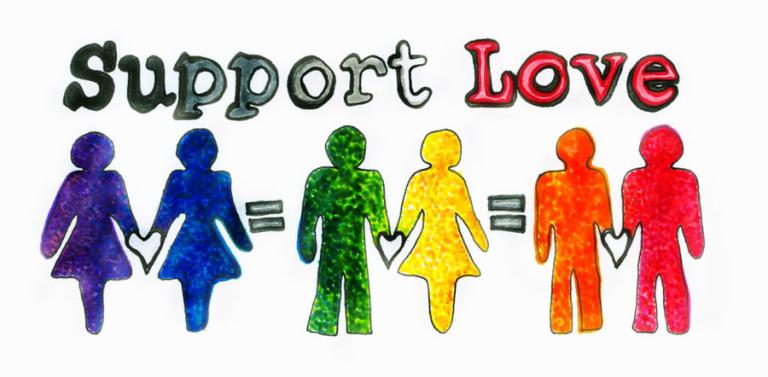
Image found on bing.com – free to share and use page.
Like many things that seem like an alternate reality these days… it’s hard to believe today marks the 2-year anniversary of the non-doctrinal policy our top church leaders decided to pass off as revelation which uniquely ostracizes and punishes LGB members of our church. It’s been incredibly disheartening as a mental health professional to see our membership become so polarized on such a sensitive and often misunderstood topic… unnecessarily so. And at the detriment of our gay, lesbian and bisexual members. Because accurate information is readily available if leaders would be open to it. Each death by suicide I’ve heard of since the policy rips at my heart… very well knowing that the research clearly shows that marginalization and rejection (especially in the name of God) plays a significant role in the tragic statistics.
I’m sharing a sacrament talk that was given this past month and that was received well by its local leaders. It speaks to issues with perfectionism, finding our own voice, and offering the type of love Christ’s discipleship requires. Not all within our congregations and leadership structure are so willing to follow false counsel. I continue to believe deeply in the principles of self-authority, personal revelation, charity, and scripturally knowing that a rotted fruit is for discarding. May we all continue to fight in behalf of the social justice issues of our times, within the walls of our own ward homes.
Today’s guest post is written by Sue Bergin, Clinical Chaplain. Opinions shared on guest posts may not completely reflect the positions of the blog’s author.
Sue Bergin has 11 years of experience as a personal coach and was certified as a clinical chaplain with a counseling emphasis by the College of Pastoral Supervision and Psychotherapy. Sue has written a book about her ongoing recovery from perfectionism, Am I a Saint Yet? Healing the Pain of Perfectionism (2012) and currently works for Symmetry Solutions.
Talk in Aspen 9th Ward on Sunday, October 22, 2017
Once upon a time, a long time ago, there was a little girl who was born to kind and loving Mormon parents. She was a good little girl, and she loved all the things most little girls like – playing outside, dolls, kittens, balls, frogs. When her mom had lots more children, her mom had SO much work and got tired a lot. The little girl, who was a bit bigger now, was sad when she saw her mom working so hard and getting so tired. This girl loved her Savior and knew he loved her, and she loved the Book Mormon and the teachings of Jesus. They taught her that she should be kind and loving and good.
So this little girl decided she needed to be kind and good most of all to her Mom by always helping her and by always being as good as she could be so her Mom wouldn’t have to worry about her and so she wouldn’t make any more work for Mom.
By the time the little girl grew into a teenager, she was really, really good. The few times she wasn’t good — or thought she wasn’t good — or made mistakes like forgetting her homework or saying something mean to her younger sister, she felt anxious and sick to her stomach. Sometimes if she made a mistake that she thought was really bad, she would go over it and over it in her mind and think she must be a terrible person. And then she couldn’t sleep that night. This made her be even more good so she wouldn’t have those anxious feelings and so she could sleep.
But she discovered that being more and more good did not make the anxious feelings go away. In fact, they got worse. So she began to believe that she could never be good enough to feel the happiness and peace people kept saying you should feel if you’re a good person.
Now in the meantime, she was having lots of fun and had many friends and loved school and enjoyed her family and all the babies that kept coming. So don’t worry about her too much.
The thing is, though, that she started not liking the things that told her that being good would help her feel good inside. Things like church and what Jesus taught about being kind and loving. She even started to think maybe Jesus didn’t love her at all because he didn’t make the bad feelings go away when she was trying so hard to be good. Maybe he wasn’t even real.
When she became an adult, these things still bothered her, but she kept praying and kept going to church and kept trying hard to be good.
One day, she decided that thinking about all the rules she was supposed to follow and how she couldn’t possibly ever be good enough at following any of them, let alone all of them, was just too much for her. She heard someone say something about how the first two commandments matter the most, and she decided to put her focus on them. Both of the first two commandments are about the same thing – love. Love God and love yourself and love other people. She thought she was pretty good already at loving God and loving other people, but she wasn’t so good at loving herself. She decided to work on that.
She started saying nicer things to herself, like, “Yes, I failed at that, and so what.” Or “I don’t have to be perfect. Jesus died for me because he loves me, and he knows I can’t be perfect.” Or, “I’m getting better at loving myself and loving other people, and that feels good.” Life didn’t magically change in some huge way all of a sudden, but over time and now looking back as an older woman, she realizes how very much things did change. Little by little, she felt happier and enjoyed life more and had more peace.
Most of you have realized by now, of course, that the little girl is me. Love indeed has changed my life — love from Jesus, my love for Jesus, my love for others, and my love of myself.
In 2 Nephi 26:30, Nephi teaches that “the Lord God hath given a commandment that all should have charity, which charity is love.”
Mormon says this about charity: “Charity never fails. Wherefore, cleave unto charity, which is the greatest of all, and charity is the pure love Christ” (Moroni 7:44).
Paul says in Ephesians that we should be “rooted and grounded in love.” Such fantastic words. Rooted. Grounded. In love.
John tells us that “God IS love.”
So love is important. REALLY important.
I’m not going to talk about the first commandment — loving God — because I think loving ourselves and loving others IS loving God. We can’t physically wrap our arms around our heavenly parents and tell them how much we love them – not right now, anyway – so we have to show our love through our actions here on earth.
So let’s talk about loving ourselves and loving others. These two ways of loving are connected, even intertwined. As with everything that matters, Jesus shows us the way.
First, Jesus teaches us to care for ourselves by resting and taking time out. After Jesus spent long hours one day teaching, preaching, and healing, Mark tells us that, “In the morning Jesus went out and departed into a solitary place, and there prayed” (Mark 3).
On another occasion, after healing people and after dealing with the Pharisees and their intense anger toward him, Jesus “went out into a mountain to pray” (Luke 6:12).
“When Jesus heard [that John the Baptist had been beheaded], he withdrew by boat privately to a solitary place” (Matthew 14:13). His grief was deep, and he took the time and space to grieve. He loved himself enough to do this even though so many people needed him.
In another place in Mark, Jesus says to his apostles, ‘Come with me by yourselves to a quiet place and get some rest.’ So they went away by themselves in a boat to a solitary place” (Mark 6:31-32).
“After [Jesus] had dismissed [the crowds], he went up on a mountainside by himself to pray. When evening came, he was [still] there alone.” (Matthew 14:23; see also Mark 6:46)
At one point Jesus was in Galilee and needed to travel 90 miles to Jerusalem for one of the Jewish ritual feasts. He sent his disciples ahead of him, and he traveled by himself. John says: “After his brothers had gone up to the feast, then [Jesus] also went up, not publicly but in private” (John 7:10, ESV). This would have given Jesus four or five days walking in solitude. He chose to recharge by being alone.
Are you persuaded yet that Jesus taught us to rest and take care of ourselves? That we should love ourselves enough to do this? Of course I realize that five days of solitude isn’t possible for most of us, especially those with small children. But some time IS possible.
We can show our love for others by helping them find a way to get this rest and time to themselves. I think mothers with young children especially need extra rest and time alone, and from what I’ve seen they’re the least likely to get it. It’s up to them to insist on it, and it’s up to the men in their lives to help them make sure it happens. Men need rest and respite too, so this goes both ways.
As we do this for each other as adults, we show our children and others around us that it’s okay for them to love themselves in this way. None of us should serve and work without rest.
Another way Jesus showed us how to love was by his great empathy. Elder Neal Maxwell taught a number of times that the atonement is as much about empathy as it is about paying for our sins. (Gen Conf. 1987) Jesus somehow experienced everything we experience – everything. Somehow he walked in the shoes of every one of us and felt every single thing we feel. Thus he knows exactly, exquisitely, how to comfort us individually. Just believing that he experienced my personal, distinctive pains and afflictions is a great comfort to me.
We give a great gift to others when we offer them empathy – when we see them, listen to them, hear them. In my work as a hospice chaplain, I witnessed many times how deeply listening to someone’s griefs and pains can be profoundly healing. We humans seem to need other humans to witness our pain. Bearing it alone, even if we have God with us, isn’t enough. When we do this for others, we give a great gift of love.
This gift of empathy to others gives ourselves love too because our hearts – our love — grows closer to becoming like Jesus’s heart and Jesus’s love, and our souls expand, fulfilling the highest purposes of mortal life.
The last way I want to talk about how Jesus taught us to love is how he so tenderly ministered to those who were marginalized, like the Canaanite woman, who Jesus’s disciples urged him to ignore because of social stigma against her ethnicity, the Samaritan who was a supposed enemy, the prostitutes who Jesus knew were not impure but rather were forced into their “work.” He taught scripture to Mary and Martha, who would not have been allowed to learn the Torah at that time because they were women.
Today, we have marginalized people that we can minister to as Jesus did in his time. Many of you know that I have two brothers in the LGBT community, and I love them dearly (one has died). Because of them, I have come to understand to a degree their pains and afflictions and their hope for love and acceptance. It’s part of my personal mission to be a friend to people in this community.
As a result, I recently met a friend who was born with a very rare condition caused by scrambled chromosomes that mixed up her femaleness and maleness. Her parents didn’t quite know what to do but finally decided to raise her as a boy. They were wrong about how she would feel inside, and when she was grown she decided to live as a woman. Since then, she’s experienced terrible rejection, including at church. Understandably, she left the church and decided she would never go back.
A few days ago, this friend, who is now 47, called me and said, “Sue, I’m just bursting! [She was almost breathless.] I decided to try church again. Someone came and sat by me and talked to me. And then this woman behind me tapped me on the shoulder and said, ‘I’m your new friend.’ Can you believe it? I started taking the missionary lessons, and I’m going to be baptized!”
We need more people like my friend in the pews with us. More people like my brothers. More people who smell like cigarette smoke, have tattoos, talk to themselves because they’re mentally ill, don’t smell good because they don’t have a home. More people who are single, divorced, childless, questioning their faith. If we treat them as Jesus would, with tenderness and gentleness and without judgment, because judgment is not our job, they will come. I truly believe that.
LGBT Latter-day Saints are perhaps the biggest challenge for many of us. We have at least six individuals in our ward boundaries that I know of – probably many more — who are LGBT. None of them is on the pews with us. This breaks my heart. I feel their absence. I miss them. I want them here with us. I think Jesus does too.
Why do I say we need all these people? Jesus taught us that the full Body of Christ includes everyone. Without this full diversity, we are missing parts of our body, parts of ourselves. To love all is to love ourselves.
We all are broken in some way, but for most of us here today our brokenness is hidden. We get to look “normal” and “whole.” But none of us is whole without Jesus Christ. We need him, and we need to welcome and embrace others who need him, however different from us we might think they are.
The most perfect and beloved of God was single, childless, poor, a man of sorrows and acquainted with grief. He sat with and broke bread with and blessed and healed people who were adulterers, prostitutes, disabled, uneducated, dirt poor, and unclean in every way we can think of. He’s asked us to follow him and do the same.
So back to that little girl who is now starting to get old. Today she feels peaceful and calm most of the time, and she believes Jesus loves her, and she loves herself. She still keeps trying to love as best she can, a little better a little at a time. She knows now she can’t make everything all better for other people and that setting limits is not an act of selfishness. She knows it’s okay to have a self and to have needs and desires of her own.
I even think it’s okay to think of myself as wonderful. It’s okay to think God not only loves me but approves of me. I don’t have to be some level of perfect or worthy before I’m loved and approved of. I hope you can feel that too.
I continue to follow Mormon’s counsel, and invite you to follow it too – “to pray with all the energy of heart that ye may be filled with this love, that ye may become the sons and daughters of God, that when he shall appear we shall be like him” (Moroni 7:48).
Natasha Helfer Parker, LCMFT, CST can be reached at natashaparker.org and runs an online practice, Symmetry Solutions, which focuses on helping families and individuals with faith concerns, sexuality and mental health. She hosts the Mormon Mental Health and Mormon Sex Info Podcasts, writes a regular column for Sunstone Magazine and is the current president of the Mormon Mental Health Association. She has over 20 years of experience working with primarily an LDS/Mormon clientele.
Previous Post

November 4, 2017
Kicked Out of Church for NOT Being Racist
Next Post

December 1, 2017 Dear Bishop: Don't Ask My Kids About Sex
Browse Our Archives
Select a Category Abortion Abuse Addiction Adolescents Anger Anxiety BDSM Bipolar Disorder Body Image Boundaries Children Circumcision Civil Rights Consent COVID19-Coronavirus Death Depression Divorce Domestic Violence Emotional Abuse Erectile Dysfunction Faith Crisis/Faith Transition Gender Identity Gender Roles Gospel Teachings Grief Homosexuality Infidelity LGBTQ LGBTQ+ Male Issues Marriage Masturbation Menopause Mental Health Mindfulness Miscarriage Missions Mixed-Faith Obsessive Compulsive Disorder Parenting Perfectionism Physical Abuse Physical Health Pornography Premature Ejaculation PTSD Race Relations Relationships Rest Righteousness Self Care Self Injury Self-Esteem Sexual Abuse Sexual Disorders Sexual Education Sexuality Single Adults Social Media Spirituality Suicide Survey Temple Issues Transgender Health Trauma Uncategorized Violence Women's Issues Word of Wisdom
Select a Month September 2020 August 2020 July 2020 June 2020 May 2020 April 2020 March 2020 February 2020 January 2020 December 2019 November 2019 October 2019 August 2019 July 2019 June 2019 May 2019 April 2019 March 2019 February 2019 December 2018 November 2018 April 2018 March 2018 February 2018 January 2018 December 2017 November 2017 October 2017 September 2017 August 2017 July 2017 June 2017 May 2017 March 2017 January 2017 December 2016 November 2016 October 2016 September 2016 August 2016 July 2016 June 2016 May 2016 April 2016 February 2016 January 2016 December 2015 November 2015 October 2015 July 2015 February 2015 January 2015 November 2014 September 2014 August 2014 July 2014 June 2014 April 2014 February 2014 December 2013 November 2013 October 2013 September 2013 August 2013 July 2013 May 2013 April 2013 March 2013 February 2013 January 2013 November 2012 October 2012 September 2012 August 2012 July 2012 May 2012 April 2012 February 2012 January 2012 December 2011 November 2011 October 2011 September 2011 August 2011 July 2011 June 2011 May 2011 April 2011 March 2011 February 2011 January 2011 December 2010 November 2010 October 2010 September 2010 August 2010 July 2010 June 2010 May 2010 April 2010 March 2010 February 2010 January 2010 December 2009 November 2009 October 2009 September 2009 August 2009 July 2009 June 2009 May 2009 April 2009 March 2009 February 2009
Follow Us!
TAKE THE
Religious Wisdom Quiz
Who was the first woman created?
Select your answer to see how you score.
Leah Esther Eve Sarah
Related posts from The Mormon Therapist

Comments on Navigating Mixed Faith Marriages


A Letter to Mixed Faith Couples
TRENDING AT PATHEOS Latter-day Saint

Did Prayer Cure His Cancer? Or Was It...
At 4 AM one morning, Joshua W. Brown’s wife awoke to a...

8 Ways a Near-Death Experience Rewires the Soul
Does Consciousness Survive Physical Death? After 50 Years of Research, Dr. Raymond...

Holy Longing: What Our Restlessness Is Telling Us
“One can find so many pains when the rain is falling.” -John...

What this is NOT about. This blog is definitely not about...

Who said the Israelites were God’s chosen? That’s right, they did. Who...

The Spirit World Is the Real World: God...
A Monk’s Wisdom on Body and Spirit I sit with Brother Martin...
view all Latter-day Saint blogs
Ad-Free & Subscriber Log-In Subscription Support
- About Us
- 2026 Calendar
- Videos
- Podcasts
- Library of World Religions
- Faith In Media Tracker
- Advertise With Us
- Write for Us
- Privacy Policy
- Terms of Service
- Do Not Sell My Data
- Contact Us
- Radiant Digital
- Manage Newsletter Subscriptions
- Unsubscribe From Notifications
- Sitemap
Copyright 2008-2026, Patheos. All rights reserved.
Subscription Support Ad-Free & Subscriber Log-In
Follow Patheos