
BuddhistCatholicContemplativeEvangelicalGeneral ChristianHinduJewishLatter-day SaintMuslimNew VisionsProgressive Christian
Beliefs
- Buddhist
- Catholic
- Contemplative
- Evangelical
- General Christian
- Hindu
- Jewish
- Latter-day Saint
- More Voices
- Muslim
- New Visions
- Pagan
- Progressive Christian
Topics
- Religion News
- Food and Religion
- Sports and Religion
- Religious Art
- Religious Music and Entertainment
- Religious Events
- History and Religion
- Style and Religion
- Politics and Religion
- Women in Religion
- Recreation Outdoors and Religion
- Business Finance and Religion
- Careers Workplace and Religion
- Education and Religion
- Family Parenting and Religion
- Health Fitness and Religion
- Home and Religion
- Relationships and Religion
- Technology and Religion
- Travel and Religion
Columnists
- Buddhist Columnists
- Business Finance and Religion Columnists
- Careers Workplace and Religion Columnists
- Catholic Columnists
- Contemplative Columnists
- Education and Religion Columnists
- Evangelists Columnists
- Family Parenting and Religion Columnists
- General Christian Columnists
- Health Fitness and Religion Columnists
- Hindu Columnists
- History and Religion Columnists
- Home and Religion Columnists
- Jewish Columnists
- More Voices Columnists
- Latter Day Columnists
- Muslim Columnists
- New Visions Columnists
- Nonreligious Columnists
- Pagan Columnists
- Politics and Religion Columnists
- Progressive Columnists
- Recreation Outdoors and Religion Columnists
- Relationships and Religion Columnists
- Religion News Columnists
- Religious Art Columnists
- Religious Events Columnists
- Religious Music and Entertainment Columnists
- Sports and Religion Columnists
- Style and Religion Columnists
- Technology and Religion Columnists
- Travel and Religion Columnists
- Women in Religion Columnists
Resource Library
- 2026 Calendar
- Library of World Religions
- The 100 Most Holy Places on Earth
- Patheos Answers
- Podcasts
- Videos
- Faith Leaders Database
- Anglican Episcopalian
- Bahai
- Baptist
- Buddhism
- Christianity
- Confucianism
- Eastern Orthodoxy
- Hinduism
- Holiness and Pentecostal
- ISKCON
- Islam
- Judaism
- Lutheran
- Methodist
- The Church of Jesus Christ of Latter-day Saints
- New Age
- Paganism
- Presbytarian and Reformed
- Protestantism
- Religion Behind the Scenes
- Roman Catholic
- Scientology
- Shia Islam
- Sikhism
- Sufism
- Sunni Islam
- Taoism
- Zen
- See all religions
Research Tools
 Ad-Free & Subscriber Log-In Subscription Support
Ad-Free & Subscriber Log-In Subscription Support
Follow Patheos 

- Trending:
- Forgiveness
- |
- Marriage
- |
- Consciousness
- |
- Death Penalty
- |
- Election
- |
- Halloween
 The Mormon Therapist
- Home
- Latter-day Saint
- Health, Fitness and Religion
- No Repentance Needed for Abuse Survivors!!
No Repentance Needed for Abuse Survivors!!
Last updated on: September 17, 2016 at 12:55 am by Natasha Helfer
No Repentance Needed for Abuse Survivors!! 2016-09-17T00:55:04-05:00 Natasha Helfer
Patheos Explore the world's faith through different perspectives on religion and spirituality! Patheos has the views of the prevalent religions and spiritualities of the world.
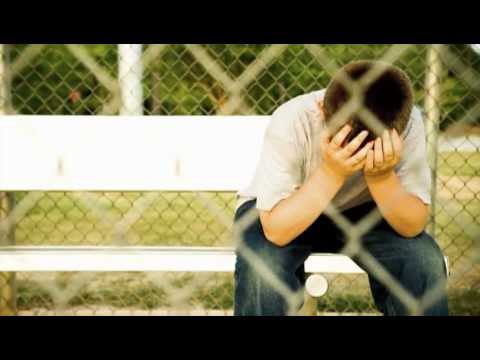
Image found on bing.com – public domain.
A friend shared this talk, Healing the Tragic Scars of Abuse by Elder Richard G. Scott, in a FB group I’m a part of and was confused by it. I wondered what you thought. This is a group that supports survivors of childhood abuse. I believe there are many who have experienced abuse who find this talk and several of its points hurtful and confusing. Many of their stories revolve around reaching out to church leaders as children and youth and receiving similar counsel as is found in this article: sometimes shaming, but often times a lack of any type of response or help. This article is old (1992), but I can speak from experience that as recent as 2000-2003 that bishops and church leaders ignored me when I reached out to get away from an abusive father. I believe the church still does not know how to talk about, handle, or help those who are experiencing abuse. I would love to see change happen with this issue in the church and better training for our leaders.
It’s distressing to me as a Latter-day Saint mental health provider that I would have to have a post on this site that requires the title: No Repentance Needed for Abuse Survivors.
This is the second time this week alone that this article has been brought to my attention — as it often has since its delivery. And the stories that have come across my desk where abuse survivors were put through some type of inappropriate repentance process is continually shocking and heartbreaking. This is an aspect of our culture that needs to be swiftly and firmly addressed. Ecclesiastical training needs to be prioritized and directed by mental health professionals with trauma expertise who are also able to check their own LDS bias and be culturally competent.
It is not part of our Mormon creed that everything an apostle or prophet says is inspired doctrine: Not every statement made by a Church leader, past or present, necessarily constitutes doctrine. A single statement made by a single leader on a single occasion often represents a personal, though well-considered, opinion, but is not meant to be officially binding for the whole Church. Unfortunately, our church as an organization does not have a tradition of walking back or repenting from hurtful or inaccurate statements made by its leaders. Due to the respect we have for priesthood authority, there is a stronger impetus towards seeing their statements as inspired than not. And it is easy to see how members can be left confused at times regarding certain statements that then become what I call “faux doctrinal folklore.” And the existence of this folklore can be extremely damaging and have life-long repercussions for many in our midst.
The following paragraph should NOT be considered prophetic or from God.
“The victim must do all in his or her power to stop the abuse. Most often, the victim is innocent because of being disabled by fear or the power or authority of the offender. At some point in time, however, the Lord may prompt a victim to recognize a degree of responsibility for abuse. Your priesthood leader will help assess your responsibility so that, if needed, it can be addressed. Otherwise the seeds of guilt will remain and sprout into bitter fruit. Yet no matter what degree of responsibility, from absolutely none to increasing consent, the healing power of the atonement of Jesus Christ can provide a complete cure.”
The complexities that go into how people respond differently to abusive situations (from fighting, to fleeing to freezing as well as considering age and developmental factors) are well-researched and known to be diverse. The propensity to self-blame, unfortunately, is strong and common — and much of what we try to undo through therapy services. And this statement by Elder Scott is extremely harmful towards that end. So I don’t care if you feel like you stayed longer in an abusive situation than you should have, if you feel like you enjoyed aspects of a relationship that also included abuse, if you feel like you were complicit in abuse because you froze and didn’t know how to stop it, if you were in the wrong place, if you were wearing the wrong outfit, if you were trying to protect others in your family system, if you feel like you weren’t direct enough in stating your level of consent, if you…., if you…., if you…., if you……
YOU ARE NOT, IN ANY WAY, RESPONSIBLE FOR THE ABUSE THAT HAPPENED!
YOU ARE NOT, IN ANY WAY, RESPONSIBLE FOR THE ABUSE THAT HAPPENED!
YOU ARE NOT, IN ANY WAY, RESPONSIBLE FOR THE ABUSE THAT HAPPENED!
And if you feel that the “Lord is prompting you, as a victim, to recognize responsibility” — I can tell you that that is what we call a cognitive distortion. “Cognitive distortions are simply ways that our mind convinces us of something that isn’t really true. These inaccurate thoughts are usually used to reinforce negative thinking or emotions — telling ourselves things that sound rational and accurate, but really only serve to keep us feeling bad about ourselves.” Shame on any statement coming from the pulpit that would exacerbate harmful cognitive distortions for those most suffering in our pews!
In fact Elder Scott himself, in the same speech states: I solemnly testify that when another’s acts of violence, perversion, or incest hurt you terribly… you are not responsible and you must not feel guilty.
This is the note this talk should have started and ended on.
Suggestions for ecclesiastical and auxiliary leaders:
- Do not assume that sins that are being confessed (especially sexual) come from a place where the confessor had full consent. A victim may not be in a place where they themselves understand exactly what happened, or may be taking responsibility that is not accurate or appropriate.
- Network and collaborate with several mental health professionals in your local area that you have met with personally, feel comfortable with and that have expertise in working with trauma that you can refer to or consult with.
- Do not re-traumatize abuse victims with a disciplinary or repentance process that would place any onus of the abuse onto the victim. Even if the victim acted in a way that goes against LDS standards (i.e. was drinking at a party, was sexually involved with the perpetrator at some level of consent, etc.) this is not the time to be focusing on those things and will not help the healing process. Healing and support need to be the #1 priority.
- Do not ask details of the abuse. What a person was wearing or doing prior to the abuse is not pertinent. What the abuse exactly entailed is not necessary for you to know that this person needs help. The victim may not be prepared to talk about the intricate details of what has happened to begin with. This is where a referral to a professional is pertinent.
- Remember that in most states in the USA, you are considered a mandated reporter. Cases where there may be child abuse need to be taken seriously. It is not your job to assess whether or not the abuse is actually taking place. A mandated reporter will report possible abuse to the correct authorities – and the assessments will then be done by trained professionals. I know the church has a hotline for bishops and stake presidents for these situations as well – but this resource does not absolve you from calling the authorities first and foremost.
- Do not make “forgiveness” of the abuser a precursor for “worthiness.” Forgiveness is a complex and ongoing process – not a box we check off. I am continually dismayed by how many people tell me that “forgiving their abuser” was part of their repentance process, and a precursor to getting a temple recommend, receiving a calling, etc. This is absolutely inappropriate.
- Offer love, concern and support. Being believed and validated by those a person confides in is incredibly healing in these situations. Follow up. Act. Make sure this person has the resources in mental health referrals, finances, etc. to get the help they need.
- In your ecclesiastical role, focus on the beautiful doctrinal teachings that have to do with the comfort, peace and healing balms that the gospel readily offers.
Natasha Helfer Parker, LCMFT, CST can be reached at natashaparker.org. She authors the Mormon Therapist Blog, hosts the Mormon Mental Health and Mormon Sex Info Podcasts, writes a regular column for Sunstone Magazine and is the current president of the Mormon Mental Health Association. She has 20 years of experience working with primarily an LDS/Mormon clientele.
Previous Post

September 13, 2016
Upcoming Presentations - Take Advantage
Next Post

September 15, 2016 Are Mormon Men Weak Minded?
Browse Our Archives
Select a Category Abortion Abuse Addiction Adolescents Anger Anxiety BDSM Bipolar Disorder Body Image Boundaries Children Circumcision Civil Rights Consent COVID19-Coronavirus Death Depression Divorce Domestic Violence Emotional Abuse Erectile Dysfunction Faith Crisis/Faith Transition Gender Identity Gender Roles Gospel Teachings Grief Homosexuality Infidelity LGBTQ LGBTQ+ Male Issues Marriage Masturbation Menopause Mental Health Mindfulness Miscarriage Missions Mixed-Faith Obsessive Compulsive Disorder Parenting Perfectionism Physical Abuse Physical Health Pornography Premature Ejaculation PTSD Race Relations Relationships Rest Righteousness Self Care Self Injury Self-Esteem Sexual Abuse Sexual Disorders Sexual Education Sexuality Single Adults Social Media Spirituality Suicide Survey Temple Issues Transgender Health Trauma Uncategorized Violence Women's Issues Word of Wisdom
Select a Month September 2020 August 2020 July 2020 June 2020 May 2020 April 2020 March 2020 February 2020 January 2020 December 2019 November 2019 October 2019 August 2019 July 2019 June 2019 May 2019 April 2019 March 2019 February 2019 December 2018 November 2018 April 2018 March 2018 February 2018 January 2018 December 2017 November 2017 October 2017 September 2017 August 2017 July 2017 June 2017 May 2017 March 2017 January 2017 December 2016 November 2016 October 2016 September 2016 August 2016 July 2016 June 2016 May 2016 April 2016 February 2016 January 2016 December 2015 November 2015 October 2015 July 2015 February 2015 January 2015 November 2014 September 2014 August 2014 July 2014 June 2014 April 2014 February 2014 December 2013 November 2013 October 2013 September 2013 August 2013 July 2013 May 2013 April 2013 March 2013 February 2013 January 2013 November 2012 October 2012 September 2012 August 2012 July 2012 May 2012 April 2012 February 2012 January 2012 December 2011 November 2011 October 2011 September 2011 August 2011 July 2011 June 2011 May 2011 April 2011 March 2011 February 2011 January 2011 December 2010 November 2010 October 2010 September 2010 August 2010 July 2010 June 2010 May 2010 April 2010 March 2010 February 2010 January 2010 December 2009 November 2009 October 2009 September 2009 August 2009 July 2009 June 2009 May 2009 April 2009 March 2009 February 2009
Follow Us!
TAKE THE
Religious Wisdom Quiz
What does Paul tell Timothy to guard in 1 Timothy?
Select your answer to see how you score.
What has been entrusted to his care The gospel The church His heart
Related posts from The Mormon Therapist

Comments on Navigating Mixed Faith Marriages


A Letter to Mixed Faith Couples
TRENDING AT PATHEOS Latter-day Saint

Did Prayer Cure His Cancer? Or Was It...
At 4 AM one morning, Joshua W. Brown’s wife awoke to a...

8 Ways a Near-Death Experience Rewires the Soul
Does Consciousness Survive Physical Death? After 50 Years of Research, Dr. Raymond...

Holy Longing: What Our Restlessness Is Telling Us
“One can find so many pains when the rain is falling.” -John...

What this is NOT about. This blog is definitely not about...

Who said the Israelites were God’s chosen? That’s right, they did. Who...

The Spirit World Is the Real World: God...
A Monk’s Wisdom on Body and Spirit I sit with Brother Martin...
view all Latter-day Saint blogs
Ad-Free & Subscriber Log-In Subscription Support
- About Us
- 2026 Calendar
- Videos
- Podcasts
- Library of World Religions
- Faith In Media Tracker
- Advertise With Us
- Write for Us
- Privacy Policy
- Terms of Service
- Do Not Sell My Data
- Contact Us
- Radiant Digital
- Manage Newsletter Subscriptions
- Unsubscribe From Notifications
- Sitemap
Copyright 2008-2026, Patheos. All rights reserved.
Subscription Support Ad-Free & Subscriber Log-In
Follow Patheos