
BuddhistCatholicContemplativeEvangelicalGeneral ChristianHinduJewishLatter-day SaintMuslimNew VisionsProgressive Christian
Beliefs
- Buddhist
- Catholic
- Contemplative
- Evangelical
- General Christian
- Hindu
- Jewish
- Latter-day Saint
- More Voices
- Muslim
- New Visions
- Pagan
- Progressive Christian
Topics
- Religion News
- Food and Religion
- Sports and Religion
- Religious Art
- Religious Music and Entertainment
- Religious Events
- History and Religion
- Style and Religion
- Politics and Religion
- Women in Religion
- Recreation Outdoors and Religion
- Business Finance and Religion
- Careers Workplace and Religion
- Education and Religion
- Family Parenting and Religion
- Health Fitness and Religion
- Home and Religion
- Relationships and Religion
- Technology and Religion
- Travel and Religion
Columnists
- Buddhist Columnists
- Business Finance and Religion Columnists
- Careers Workplace and Religion Columnists
- Catholic Columnists
- Contemplative Columnists
- Education and Religion Columnists
- Evangelists Columnists
- Family Parenting and Religion Columnists
- General Christian Columnists
- Health Fitness and Religion Columnists
- Hindu Columnists
- History and Religion Columnists
- Home and Religion Columnists
- Jewish Columnists
- More Voices Columnists
- Latter Day Columnists
- Muslim Columnists
- New Visions Columnists
- Nonreligious Columnists
- Pagan Columnists
- Politics and Religion Columnists
- Progressive Columnists
- Recreation Outdoors and Religion Columnists
- Relationships and Religion Columnists
- Religion News Columnists
- Religious Art Columnists
- Religious Events Columnists
- Religious Music and Entertainment Columnists
- Sports and Religion Columnists
- Style and Religion Columnists
- Technology and Religion Columnists
- Travel and Religion Columnists
- Women in Religion Columnists
Resource Library
- 2026 Calendar
- Library of World Religions
- The 100 Most Holy Places on Earth
- Patheos Answers
- Podcasts
- Videos
- Faith Leaders Database
- Anglican Episcopalian
- Bahai
- Baptist
- Buddhism
- Christianity
- Confucianism
- Eastern Orthodoxy
- Hinduism
- Holiness and Pentecostal
- ISKCON
- Islam
- Judaism
- Lutheran
- Methodist
- The Church of Jesus Christ of Latter-day Saints
- New Age
- Paganism
- Presbytarian and Reformed
- Protestantism
- Religion Behind the Scenes
- Roman Catholic
- Scientology
- Shia Islam
- Sikhism
- Sufism
- Sunni Islam
- Taoism
- Zen
- See all religions
Research Tools
 Ad-Free & Subscriber Log-In Subscription Support
Ad-Free & Subscriber Log-In Subscription Support
Follow Patheos 

- Trending:
- Forgiveness
- |
- Marriage
- |
- Consciousness
- |
- Death Penalty
- |
- Election
- |
- Halloween

- Home
- Buddhist
- Salvation by Character: Recalling My Spiritual Ancestor William Ellery Channing
Salvation by Character: Recalling My Spiritual Ancestor William Ellery Channing
Last updated on: April 7, 2023 at 6:53 am by James Ford
Salvation by Character: Recalling My Spiritual Ancestor William Ellery Channing 2023-04-07T06:53:53-07:00 James Ford
Patheos Explore the world's faith through different perspectives on religion and spirituality! Patheos has the views of the prevalent religions and spiritualities of the world.
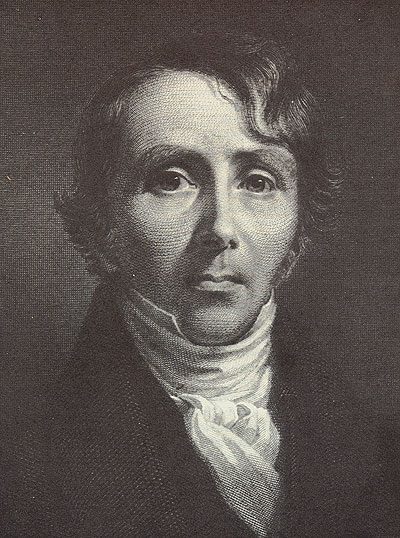
William Ellery Channing
Salvation by Character: Recalling My Spiritual Ancestor William Ellery Channing
William Ellery Channing was born on this day, the 7th of April, 1780, in Newport, Rhode Island. I try to acknowledge this every year. I count him as one of my more important spiritual influences, in a very real sense he was a spiritual ancestor.
I was working at Wahrenbrock’s Book House in San Diego. The exact date is lost for me, some time in the early 1980s. Wahrenbrock’s was one of those great bookstores of what is well into being a bygone age. It stocked mostly used and antiquarian books.
Me, among other things, I had responsibility for tending to the used religions and metaphysics section. It included a really substantial collection of pamphlet literature, much from the nineteenth and early twentieth centuries.
I loved tending those pamphlets. One denounced Kaiser Wilhelm II as the antichrist with prodigious scriptural citations. Another revealed the pyramids were originally built just outside of Dublin but were later moved through a conspiracy between the Romans and, of course, the British.
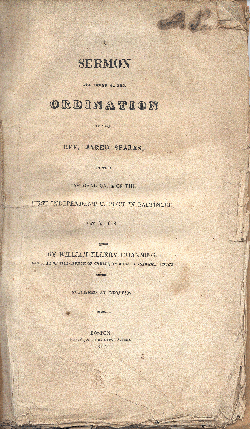
And, that’s when I stumbled upon a pamphlet whose cover read simply “On Unitarian Christianity.” It was published in Boston, Massachusetts. It presented a sermon delivered on the 5th of May, in 1819, by the Reverend William Ellery Channing.
I took it home and read it. And it set a chain of events that would give me my professional life as well as a touchstone in my spirituality.
William Ellery Channing was the grandchild of one of the signers of the Declaration of Independence. As a child Channing attended with his family an extremely conservative congregation led by the Reverend Samuel Hopkins. Dr Hopkins was a strict Calvinist who preached the utter depravity of humanity and how nearly all of us were destined to damnation.
A turning event occurred for the boy when after hearing a sermon describing the tortures of hell, and afterwards hearing his father comment to Dr Hopkins, “Sound doctrine, sound doctrine,” and then happily whistling as the family walked home from church. The contradictions between the words and the fear that swept over the boy, and what he saw with his own eyes, the loving, happy family, and particularly his doting father gave a lie to the assertion that people were totally depraved and deserving of endless torture.
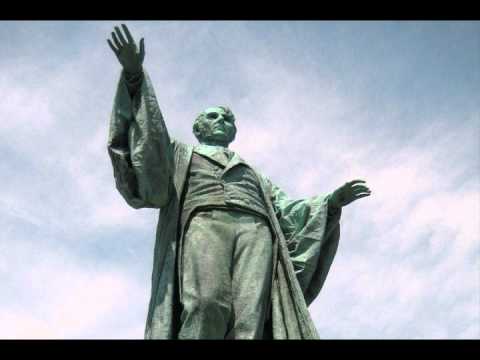
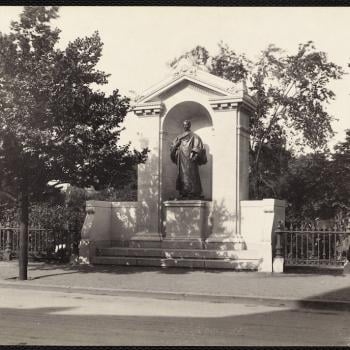
From Newport Channing went to Harvard College, a school then believed to be the ruin of many a young man. He did find a sense of liberation in the openness he discovered there, which would, in fact, rock the culture and turn it in a new direction. After college he taught briefly in Virginia, where he was shocked by the harsher realities of slavery. After three years teaching he accepted a call to the pulpit at Federal Street Church in downtown Boston, which we now know as Arlington Street Church. If you go there today, right across from the front steps of the church, on the grounds of the Public Gardens there is a larger than life statue of him. It’s worth visiting.
 Channing represented the best of a new light. From that pulpit, as Frank Schulman, a Unitarian Universalist scholar and minister notes, he preached “a “more rational and less emotional, more moderate and less dogmatic, religion.” Channing was acknowledged as the foremost preacher of this emerging doctrine. This rational approach to faith began to be called the “Boston religion.” To those who listened carefully, another word began to be used for it. Unitarian. It wasn’t meant kindly. As Schulman observed, “The Calvinists turned from scorn to hatred, from fear to violence.” A spiritual civil war erupted. Calvinists called on “true Christians to separate from the infidels and deny communion to them.”
There are a number of events that could be called the foundation moment of the Unitarian way as something separate from what would continue to be called Congregationalism. A mighty lawsuit in Dedham is one, for sure. The Dedham controversy led to the institutional breakup. But, I think the most important one, spiritually, happened some years earlier.
It turned on that sermon preached by Channing at the installation of the Reverend Jared Sparks as minister of the Congregational church in Baltimore. It was 1819. And the members of the what is today called the First Unitarian Church of Providence, which I would many years later serve as senior minister, were intimately involved. It was the custom for churches in those days to support one another at ordinations and installations. When this ordination was announced, and when it was known that the leading light among the liberals, Dr Channing was going to preach that service, perhaps it shouldn’t be a surprise that the members of the Providence congregation decided to be there.
The Prudential Committee of what was then still called the First Congregational Church of Providence, voted to allow the minister, the Reverend Henry Eddis to absent himself from the pulpit for four weeks and to send him and two deacons to Baltimore for this event. The Prudential Committee allocated two hundred dollars for expenses, a fair amount of money. And, because of this the congregation, my congregation if you will, were there at perhaps the most important of the marking events of our liberal religious movement in North America.
The ordination took place and the sermon was preached. It was the sermon I read in that San Diego bookstore. The text Channing preached from was Paul’s first letter to the Thessalonians, Chapter five, verse twenty-one. “Prove all things, hold fast that which is good.” And he did. The Trinity, which had no clear and unambiguous support in Scripture, was tossed. However, that wasn’t the most important thing to him, or for us, people of a liberal religious perspective.
 There are two slogans that inform my Unitarian Universalism, one from each strand of our tradition. From Universalism I am guided by the phrase “Love over Creed.” Maybe I preach that most. But, equally important is a phrase that comes from that Boston religion and is most closely associated with William Ellery Channing. And that is “salvation by character.”
Salvation by Character. The term had been floating around for a while. The earliest use I can find is in reference to the preaching of Jonathan Mayhew, who died in 1766. Its sense is the same as was used in condemning our own first minister here in Providence, preaching that “damnable doctrine of good works.” But as this theological principle developed, it was Channing who becomes most closely identified with that particular phrase, “salvation by character.”
Now, while what precisely the term means has changed a bit over the years, for us, I think we can hear that our salvation, salve, that is our healing from the hurts and bruises of life, the woundedness we experience, our shortcomings we’re so painfully aware of, our failing our ideals so often, and all the harm that follows these failures of our deepest aspirations, for ourselves and the world, is resolved in how we choose to live, in who we become through what we do. That is salvation by character. Healing, the great healing is in our hands. Channing preached this good news from the rooftops.
Who we are counts. What we do counts.
Channing wasn’t perfect. I gather he was a prude even by the standards of the time. He was also slow to challenge the evil of slavery, although he did, leaving him with the title “reluctant radical.” While I wish he had been quicker to take up that cause, even there I thought he left us with some wisdom. A few lessons on our own ways.
One is, remember you’re not always going to be right. We don’t know what our prejudices, our blind spots, our misunderstandings are.
So, a little hesitation can be a good thing.
But don’t rest there. Listen widely. Learn. And throw your heart and your mind wide open. Test everything by this measure, if we’re all connected, deeply, truly, members of the same family, what then? And with that, act.
Thank you, William!
Progressive Christian
New Visions
Previous Post

November 28, 2022
A Vision of William Blake: The Original Spiritual If Not Religious
Next Post
November 30, 2022 Recalling the Catholic Nun & Zen Master Sister Elaine MacInnis
Browse Our Archives
Select a Category A Christmas Carol Abolitionist African-American Ahmadiyya Alan Watts Aldous Huxley Allen Ginsberg Amedkar Jayanti American politics American Zen Anaheim Zen Sangha Anglican Annie Besant April Fool Armageddon Art and Religion artificial intellegence Atheist Awakening B R Ambedkar Barlaam & Josaphat Beatnik Between Bhagavad Gita Bible biography birthday bodhisattva Bodhisattva Precepts Book burning Book of Common Prayer Book of Mormon Brahmo Samaj Buddha Buddhism Buddhist Buddhist Lord's Prayer Butterflies Calendars cartoons cat ChatGPT Chicken Tortilla Soup choices Christian atheism Christian mysticism Christian origins Christian Science Christian Zen Christianity Christianity and Buddhism christmas Christmas Truce Christopher Isherwood Church of Later Day Saints Cinco de Mayo circus covenant critical thinking culture D. T. Suzuki Dalit Buddhism Daniel Defoe Desert Fathers and Mothers dharma talk Dogen Donald Trump Dongshan's Five Ranks Dorothy Day dream Duty Easter ecology Edwin Arnold emptiness Empty Moon Zen Network Episcopal Church Eternal Now Ethics evolution existentialism Faith fantasy Fathers Day film film review fire Five Ranks Folk music food Form and emptiness Four Seals Francis of Assisi Francis Xavier Free thinker friendship George MacDonald Gerald Heard Glenn Taylor Webb God Good Friday Gospel of Gospel of Mark Gospel of Thomas grace Graduate Theological Unioin Graduate Theological Union Guanyin H R Blyth Hakuin Ekaku Hanamatsuri Hanukkah Harada Yasutani Zen Heart Sutra Henry David Thoreau Hermann Hesse Hinduism History and Religion history of religion Holy Spirit home Hospitality Icon Ides of March Isaac Newton Islam Islamic mysticism Jack Kerouac James Luther Adams Jiddu Krishnamurti Joan of Arc Johannes Gutenberg John Donne joke Judaism justice karma kensho King James Bible koan Koun Yamada Kyoto School Lewis Carrol Liberal Christianity Liberal Religion Life Plan Community Liminal literature Literature and Religion Liturgy Lord's Prayer Love Mahatma Gandhi Mahayana Martin Luther King Jr Mary Baker Eddy Mary Magdelene Mary Oliver Mayflower Compact Meditation memories memory metaphor money money and religioin Mormons Mother's Day movie review mysticism mythic Neighborhood Unitarian Universalist Church New Thought Nichiren Buddhism Nonduality not knowing Omar Khayyam Pacific School of Religion pagan Palm Sunday Passover peace Pentecost perennialism Phantastes Philip Kapleau philosophy Pilgrimage poetry Poetry and Religion politics Prayer Precepts Printing Press prophecy prophetic spirituality psychology Pure Land Queer religion queering religion Quietism Ram Mohan Roy rebirth recipe Relationships and religion religion religion and history Religious syncretism Resistance Retirement Retreat review Rissho Kosei Kai Ritual Robert Aitken Roshi Robert Ingersoll Rohatsu Romani religion Rosie the Riveter saints samadhi SanboZen Sangha Satyagraha science science and reigion science and religion science fiction seminary sermon Sesshin Sex and Religion Shinran Sikh Sikh tradition silence Social Justice Socially Engaged Buddhism Society and religion Soto Zen soul spiritual community spiritual practice Spirituality Sufism Suicide superstition Taoism Television Teresa of Avila Thanksgiving theological schools Theosophy Thomas Merton Time Transcendentalism Transcendentalist Trinitarian Trinity Uncategorized unitarian Unitarian Christianity Unitarian Universalist Universalism Vajrayana Vedanta Walking war Willa Cather William Ellery Channing wisdom women and religion women in religion World Teacher Writing zazen Zen Zen Center Zen inspired retriement zen meditation Zen Precepts Zen women
Select a Month September 2026 August 2026 July 2026 June 2026 May 2026 April 2026 March 2026 February 2026 January 2026 December 2025 November 2025 October 2025 September 2025 August 2025 July 2025 June 2025 May 2025 April 2025 March 2025 February 2025 January 2025 December 2024 November 2024 October 2024 September 2024 August 2024 July 2024 June 2024 May 2024 April 2024 March 2024 February 2024 January 2024 December 2023 November 2023 October 2023 September 2023 August 2023 July 2023 June 2023 May 2023 April 2023 March 2023 February 2023 January 2023 December 2022 November 2022 October 2022 September 2022 August 2022 July 2022 June 2022 May 2022 April 2022 March 2022 February 2022 January 2022 December 2021 November 2021 October 2021 September 2021 August 2021 July 2021 June 2021 May 2021 April 2021 March 2021 February 2021 January 2021 December 2020 November 2020 October 2020 September 2020 August 2020 July 2020 June 2020 May 2020 April 2020 March 2020 February 2020 January 2020 December 2019 November 2019 October 2019 September 2019 August 2019 July 2019 June 2019 May 2019 April 2019 March 2019 February 2019 January 2019 December 2018 November 2018 October 2018 September 2018 August 2018 July 2018 June 2018 May 2018 April 2018 March 2018 February 2018 January 2018 December 2017 November 2017 October 2017 September 2017 August 2017 July 2017 June 2017 May 2017 April 2017 March 2017 February 2017 January 2017 December 2016 November 2016 October 2016 September 2016 August 2016 July 2016 June 2016 May 2016 April 2016 March 2016 February 2016 January 2016 December 2015 November 2015 October 2015 September 2015 August 2015 July 2015 June 2015 May 2015 April 2015 March 2015 February 2015 January 2015 December 2014 November 2014 October 2014 September 2014 August 2014 July 2014 June 2014 May 2014 April 2014 March 2014 February 2014 January 2014 December 2013 November 2013 October 2013 September 2013 August 2013 July 2013 June 2013 May 2013 April 2013 March 2013 February 2013 January 2013 December 2012 November 2012 October 2012 September 2012 August 2012 July 2012 June 2012 May 2012 April 2012 March 2012 February 2012 January 2012 December 2011 November 2011 October 2011 September 2011 August 2011 July 2011 June 2011 May 2011 April 2011 March 2011 February 2011 January 2011 December 2010 November 2010 October 2010 September 2010 August 2010 July 2010 June 2010 May 2010 April 2010 March 2010 February 2010 January 2010 December 2009 November 2009 October 2009 September 2009 August 2009 July 2009 June 2009 May 2009 April 2009 March 2009 February 2009 January 2009 December 2008 November 2008 October 2008 September 2008 August 2008 July 2008 June 2008 May 2008 April 2008 March 2008 February 2008 January 2008 December 2007 November 2007 October 2007 September 2007 August 2007 July 2007 June 2007 May 2007 April 2007 March 2007 February 2007 January 2007 December 2006 November 2006 October 2006 September 2006
Follow Us!
TAKE THE
Religious Wisdom Quiz
Who was the ruler of Egypt during Joseph's time?
Select your answer to see how you score.
Nebuchadnezzar Pharaoh Caesar Cyrus
Related posts from Monkey Mind
The American Unitarian Association Marks Two Hundred Years
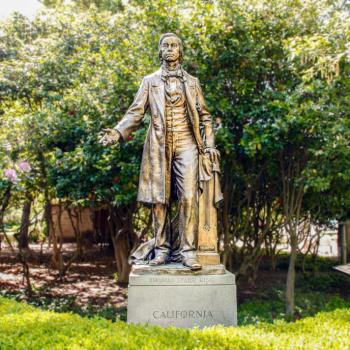
Recalling Thomas Starr King, the Apostle of Liberty
James Luther Adams lover’s critique of liberal Christianity
Noting a step toward a coherent theology of...
TRENDING AT PATHEOS Buddhist

Methodist Central Hall and Westminster Abbey
Situated on the same square is Methodist Central Hall and Westminster Abbey. ...

57th Dove Awards Honor Dolly Parton, Crown New...
On gospel music’s biggest night, the 57th annual GMA Dove Awards honored...

The First Eucharistic Controversy: Christ’s Real Presence
For Catholics, the Eucharist is the source and summit of the Christian...

What a Stop Sign Can Teach Us About...
How to Make a Decision When You Can't Hear God Main point:...

Archdiocese Hosts Military Marriage Retreat in Germany
RASTATT, Germany — The transient military lifestyle, with its frequent deployments and...

Nearly every morning, I make the drive to Detroit with my high-school-age...
view all Buddhist blogs
Ad-Free & Subscriber Log-In Subscription Support
- About Us
- 2026 Calendar
- Videos
- Podcasts
- Library of World Religions
- Faith In Media Tracker
- Advertise With Us
- Write for Us
- Privacy Policy
- Terms of Service
- Do Not Sell My Data
- Contact Us
- Radiant Digital
- Manage Newsletter Subscriptions
- Unsubscribe From Notifications
- Sitemap
Copyright 2008-2026, Patheos. All rights reserved.
Subscription Support Ad-Free & Subscriber Log-In
Follow Patheos