
BuddhistCatholicContemplativeEvangelicalGeneral ChristianHinduJewishLatter-day SaintMuslimNew VisionsProgressive Christian
Beliefs
- Buddhist
- Catholic
- Contemplative
- Evangelical
- General Christian
- Hindu
- Jewish
- Latter-day Saint
- More Voices
- Muslim
- New Visions
- Pagan
- Progressive Christian
Topics
- Religion News
- Food and Religion
- Sports and Religion
- Religious Art
- Religious Music and Entertainment
- Religious Events
- History and Religion
- Style and Religion
- Politics and Religion
- Women in Religion
- Recreation Outdoors and Religion
- Business Finance and Religion
- Careers Workplace and Religion
- Education and Religion
- Family Parenting and Religion
- Health Fitness and Religion
- Home and Religion
- Relationships and Religion
- Technology and Religion
- Travel and Religion
Columnists
- Buddhist Columnists
- Business Finance and Religion Columnists
- Careers Workplace and Religion Columnists
- Catholic Columnists
- Contemplative Columnists
- Education and Religion Columnists
- Evangelists Columnists
- Family Parenting and Religion Columnists
- General Christian Columnists
- Health Fitness and Religion Columnists
- Hindu Columnists
- History and Religion Columnists
- Home and Religion Columnists
- Jewish Columnists
- More Voices Columnists
- Latter Day Columnists
- Muslim Columnists
- New Visions Columnists
- Nonreligious Columnists
- Pagan Columnists
- Politics and Religion Columnists
- Progressive Columnists
- Recreation Outdoors and Religion Columnists
- Relationships and Religion Columnists
- Religion News Columnists
- Religious Art Columnists
- Religious Events Columnists
- Religious Music and Entertainment Columnists
- Sports and Religion Columnists
- Style and Religion Columnists
- Technology and Religion Columnists
- Travel and Religion Columnists
- Women in Religion Columnists
Resource Library
- 2026 Calendar
- Library of World Religions
- The 100 Most Holy Places on Earth
- Patheos Answers
- Podcasts
- Videos
- Faith Leaders Database
- Anglican Episcopalian
- Bahai
- Baptist
- Buddhism
- Christianity
- Confucianism
- Eastern Orthodoxy
- Hinduism
- Holiness and Pentecostal
- ISKCON
- Islam
- Judaism
- Lutheran
- Methodist
- The Church of Jesus Christ of Latter-day Saints
- New Age
- Paganism
- Presbytarian and Reformed
- Protestantism
- Religion Behind the Scenes
- Roman Catholic
- Scientology
- Shia Islam
- Sikhism
- Sufism
- Sunni Islam
- Taoism
- Zen
- See all religions
Research Tools
 Ad-Free & Subscriber Log-In Subscription Support
Ad-Free & Subscriber Log-In Subscription Support
Follow Patheos 

- Trending:
- Forgiveness
- |
- Marriage
- |
- Consciousness
- |
- Death Penalty
- |
- Election
- |
- Halloween

- Home
- Buddhist
- THE LANGUAGE OF WONDER A Zen priest reflects on religious naturalism
THE LANGUAGE OF WONDER A Zen priest reflects on religious naturalism
Last updated on: June 28, 2020 at 10:43 am by James Ford
THE LANGUAGE OF WONDER A Zen priest reflects on religious naturalism 2020-06-28T10:43:17-07:00 James Ford
Patheos Explore the world's faith through different perspectives on religion and spirituality! Patheos has the views of the prevalent religions and spiritualities of the world.
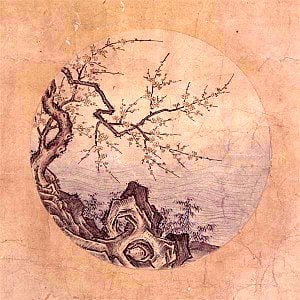
THE LANGUAGE OF WONDER
A Zen priest reflects on religious naturalism
James Ishmael Ford
Let’s talk about natural religion.
First that word religion. It is a slippery term, no doubt. In the Nineteenth century when various European scholars began the project of religious studies, they saw religion as that part of a culture devoted to God or gods, and the attendant ritual life. By the middle of the Twentieth century it became obvious that term was inadequate. Buddhism, Taoism, and Confucianism as major examples while there were supernatural elements, were largely unconcerned with the doings of divinities.
A precise definition of religion has proven elusive. A handful have even gone so far as to say there is no such thing. Although, like pornography, many people know it when they see it. I count myself among that later crowd. And, I take a stab at a working definition with religion as those parts of a culture that are concerned with meaning and purpose, together with attendant rites and practices.
Another way to approach religion is through the lens of secularism. Merriam-Webster defines secularism as “indifference to or rejection or exclusion of religion and religious considerations.” In the political realm this means rejection of the primacy of any one religion. In the United States this form of secularism is enshrined in the Constitution in the First Amendment, stating “Congress shall make no law respecting an establishment of religion, or prohibiting the free exercise thereof…”
Anyone not adhering to the religion of a majority has to be grateful for this. And it has allowed a level of freedom of thought and expression in my view which has greatly enriched the world. Within a secular society like the American nation, whatever you believe, or do not believe, you may hold that view and while there are always challenges to those at the edge of commonly held assumption, and uneven defense in practice, the plain language of the American nation’s founding document protects the individual and the individual’s religious community’s right to exist.
But there are other issues regarding secularism. As it is commonly understood, secularism and secularists often assume religion to be irrational and superstitious. And the process of secularizing for an individual or a community is replacing these irrational and superstitious ideations with reason and especially the scientific method.
Of course, the very use of the terms irrational and superstitious invokes conflict. And in secular societies the religious often find themselves on the defensive. Here in America majoritarian inclinations seen as populism or simply democracy, are checked by the constitution. In fact the difficulties in adjusting the constitution specifically exists to protect minorities from majorities.
I suspect this is why the dominant religious block in the United States, Evangelical Christians consider themselves under assault. Even with their far-reaching political clout due to their numbers, they see their inability to dictate their views of morality in the making of laws as repression. Taken together with the disdain built into the matter by many secularists, we find a simmering pot of resentment which the Evangelical majority often call persecution.
I take this as a reminder this world and any given culture is unstable, and nothing is certain.
But, I’m more interested in how reason, and that evolving scientific method has interacted with and birthed new forms of religion. There are deeper roots, but no one more significant in the West than Baruch Spinoza. Spinoza is sufficiently important that we could almost say the history of Western religion is divided into that period before him, and after. Spinoza brought two elements to a reflection on religion: naturalism and reason. And, out of that he arrived at a religious stance that revered nature as divine.
Spinoza is incredibly important because he shows a middle way between traditional ideas of religious and the rising secular world view. He shows that accepting the natural and embracing the rational can be approached in a religious or spiritual way.
Of course, Spinoza isn’t the only one of those bridging the rational and the religious. But for our purposes a good placeholder.The currents of liberal and rational religion flow through Judaism, Christianity, and Islam. A pantheistic mystical tradition has arisen and offers itself as an alternative to a relentless secularism.
Today’s Unitarian Universalist churches are a collection of people and congregations that embrace rationalist and naturalistic views. With, I fear, mixed results. That they often miss the depths offered by the tradition’s pantheistic spiritual heritage is a caution. As the old Japanese saying goes, vision without action is a dream, but action without vision is a nightmare.
Actually I believe this is the great question: how do we understand and how do we live?
The fundamental difference within the rational or liberal or naturalistic current rises in how we experience the world. There are two major ways of engaging. In its starkest terms on the one hand is an instrumental view, where the focus is on understanding and manipulation. There is also an implicit dualism in this perspective, a gap between the mind and the world. It can become a rationalism disengaged from consequences. It is the great observer. Secular naturalism. The other is viewing an enchanted world, where metaphor, dream, and the language of wonder seeps into all encounters. It is fundamentally monistic. Religious naturalism. It is the grand embodiment.
Obviously, I hope, obviously there is no necessary divide. But in practice there are often hard and harsh lines between these approaches. This is most obvious in the shadows of these two ways. The secularist often confuses the method of reason as some sort of ontological stance, thinking a method is the thing in itself. While the spiritual often forgets the need for critical analysis, confusing wonder and metaphor for a literalist magical world view. Having, as one wag put it, a mind so open the brain falls out.
We need observation and embodiment. Dream and action.
I believe the fix to much of the world’s hurt is found within natural religion, a sacred and reasoned engagement with our human hearts and this world within which we live and breathe and take our being.
Thank you.
Previous Post

June 21, 2020
A MEDITATION ON FATHERS & FATHERING IN HARD TIMES
Next Post
July 5, 2020 FIFTY YEARS A ZEN PRIEST
Browse Our Archives
Select a Category A Christmas Carol Abolitionist African-American Ahmadiyya Alan Watts Aldous Huxley Allen Ginsberg Amedkar Jayanti American politics American Zen Anaheim Zen Sangha Anglican Annie Besant April Fool Armageddon Art and Religion artificial intellegence Atheist Awakening B R Ambedkar Barlaam & Josaphat Beatnik Between Bhagavad Gita Bible biography birthday bodhisattva Bodhisattva Precepts Book burning Book of Common Prayer Book of Mormon Brahmo Samaj Buddha Buddhism Buddhist Buddhist Lord's Prayer Butterflies Calendars cartoons cat ChatGPT Chicken Tortilla Soup choices Christian atheism Christian mysticism Christian origins Christian Science Christian Zen Christianity Christianity and Buddhism christmas Christmas Truce Christopher Isherwood Church of Later Day Saints Cinco de Mayo circus covenant critical thinking culture D. T. Suzuki Dalit Buddhism Daniel Defoe Desert Fathers and Mothers dharma talk Dogen Donald Trump Dongshan's Five Ranks Dorothy Day dream Duty Easter ecology Edwin Arnold emptiness Empty Moon Zen Network Episcopal Church Eternal Now Ethics evolution existentialism Faith fantasy Fathers Day film film review fire Five Ranks Folk music food Form and emptiness Four Seals Francis of Assisi Francis Xavier Free thinker friendship George MacDonald Gerald Heard Glenn Taylor Webb God Good Friday Gospel of Gospel of Mark Gospel of Thomas grace Graduate Theological Unioin Graduate Theological Union Guanyin H R Blyth Hakuin Ekaku Hanamatsuri Hanukkah Harada Yasutani Zen Heart Sutra Henry David Thoreau Hermann Hesse Hinduism History and Religion history of religion Holy Spirit home Hospitality Icon Ides of March Isaac Newton Islam Islamic mysticism Jack Kerouac James Luther Adams Jiddu Krishnamurti Joan of Arc Johannes Gutenberg John Donne joke Judaism justice karma kensho King James Bible koan Koun Yamada Kyoto School Lewis Carrol Liberal Christianity Liberal Religion Life Plan Community Liminal literature Literature and Religion Liturgy Lord's Prayer Love Mahatma Gandhi Mahayana Martin Luther King Jr Mary Baker Eddy Mary Magdelene Mary Oliver Mayflower Compact Meditation memories memory metaphor money money and religioin Mormons Mother's Day movie review mysticism mythic Neighborhood Unitarian Universalist Church New Thought Nichiren Buddhism Nonduality not knowing Omar Khayyam Pacific School of Religion pagan Palm Sunday Passover peace Pentecost perennialism Phantastes Philip Kapleau philosophy Pilgrimage poetry Poetry and Religion politics Prayer Precepts Printing Press prophecy prophetic spirituality psychology Pure Land Queer religion queering religion Quietism Ram Mohan Roy rebirth recipe Relationships and religion religion religion and history Religious syncretism Resistance Retirement Retreat review Rissho Kosei Kai Ritual Robert Aitken Roshi Robert Ingersoll Rohatsu Romani religion Rosie the Riveter saints samadhi SanboZen Sangha Satyagraha science science and reigion science and religion science fiction seminary sermon Sesshin Sex and Religion Shinran Sikh Sikh tradition silence Social Justice Socially Engaged Buddhism Society and religion Soto Zen soul spiritual community spiritual practice Spirituality Sufism Suicide superstition Taoism Television Teresa of Avila Thanksgiving theological schools Theosophy Thomas Merton Time Transcendentalism Transcendentalist Trinitarian Trinity Uncategorized unitarian Unitarian Christianity Unitarian Universalist Universalism Vajrayana Vedanta Walking war Willa Cather William Ellery Channing wisdom women and religion women in religion World Teacher Writing zazen Zen Zen Center Zen inspired retriement zen meditation Zen Precepts Zen women
Select a Month September 2026 August 2026 July 2026 June 2026 May 2026 April 2026 March 2026 February 2026 January 2026 December 2025 November 2025 October 2025 September 2025 August 2025 July 2025 June 2025 May 2025 April 2025 March 2025 February 2025 January 2025 December 2024 November 2024 October 2024 September 2024 August 2024 July 2024 June 2024 May 2024 April 2024 March 2024 February 2024 January 2024 December 2023 November 2023 October 2023 September 2023 August 2023 July 2023 June 2023 May 2023 April 2023 March 2023 February 2023 January 2023 December 2022 November 2022 October 2022 September 2022 August 2022 July 2022 June 2022 May 2022 April 2022 March 2022 February 2022 January 2022 December 2021 November 2021 October 2021 September 2021 August 2021 July 2021 June 2021 May 2021 April 2021 March 2021 February 2021 January 2021 December 2020 November 2020 October 2020 September 2020 August 2020 July 2020 June 2020 May 2020 April 2020 March 2020 February 2020 January 2020 December 2019 November 2019 October 2019 September 2019 August 2019 July 2019 June 2019 May 2019 April 2019 March 2019 February 2019 January 2019 December 2018 November 2018 October 2018 September 2018 August 2018 July 2018 June 2018 May 2018 April 2018 March 2018 February 2018 January 2018 December 2017 November 2017 October 2017 September 2017 August 2017 July 2017 June 2017 May 2017 April 2017 March 2017 February 2017 January 2017 December 2016 November 2016 October 2016 September 2016 August 2016 July 2016 June 2016 May 2016 April 2016 March 2016 February 2016 January 2016 December 2015 November 2015 October 2015 September 2015 August 2015 July 2015 June 2015 May 2015 April 2015 March 2015 February 2015 January 2015 December 2014 November 2014 October 2014 September 2014 August 2014 July 2014 June 2014 May 2014 April 2014 March 2014 February 2014 January 2014 December 2013 November 2013 October 2013 September 2013 August 2013 July 2013 June 2013 May 2013 April 2013 March 2013 February 2013 January 2013 December 2012 November 2012 October 2012 September 2012 August 2012 July 2012 June 2012 May 2012 April 2012 March 2012 February 2012 January 2012 December 2011 November 2011 October 2011 September 2011 August 2011 July 2011 June 2011 May 2011 April 2011 March 2011 February 2011 January 2011 December 2010 November 2010 October 2010 September 2010 August 2010 July 2010 June 2010 May 2010 April 2010 March 2010 February 2010 January 2010 December 2009 November 2009 October 2009 September 2009 August 2009 July 2009 June 2009 May 2009 April 2009 March 2009 February 2009 January 2009 December 2008 November 2008 October 2008 September 2008 August 2008 July 2008 June 2008 May 2008 April 2008 March 2008 February 2008 January 2008 December 2007 November 2007 October 2007 September 2007 August 2007 July 2007 June 2007 May 2007 April 2007 March 2007 February 2007 January 2007 December 2006 November 2006 October 2006 September 2006
Follow Us!
TAKE THE
Religious Wisdom Quiz
Who predicted the fall of Tyre?
Select your answer to see how you score.
Daniel Isaiah Jeremiah Ezekiel
Related posts from Monkey Mind


Which Is the True Qian? A Koan About...


TRENDING AT PATHEOS Buddhist

16 Spiritual Touchstones for a More Grounded Life
After decades of spiritual study, here are 16 principles I try...

Catholic Evangelization: Sharing Your Faith Every Day
Welcome back to the Graceful Awakening mini-series called, “From Faith to Mission.” ...

The Pillar of the Boatmen: the Ancient Monument...
The Pillar of the Boatmen is a Romano-Gaulish sculpture that dates from...

In one sense walking into Westminster Abbey is like walking down the...

'Super Scam Me' Exposes AI Jon Bon Jovi...
Leslie Pickett believed she was in a relationship with Jon Bon Jovi....

The Brazilian Remake of Kendricks' 'Flywheel' Opens in...
“Flywheel,” the story that launched the Kendrick Brothers’ filmmaking career is getting...
view all Buddhist blogs
Ad-Free & Subscriber Log-In Subscription Support
- About Us
- 2026 Calendar
- Videos
- Podcasts
- Library of World Religions
- Faith In Media Tracker
- Advertise With Us
- Write for Us
- Privacy Policy
- Terms of Service
- Do Not Sell My Data
- Contact Us
- Radiant Digital
- Manage Newsletter Subscriptions
- Unsubscribe From Notifications
- Sitemap
Copyright 2008-2026, Patheos. All rights reserved.
Subscription Support Ad-Free & Subscriber Log-In
Follow Patheos