
BuddhistCatholicContemplativeEvangelicalGeneral ChristianHinduJewishLatter-day SaintMuslimNew VisionsProgressive Christian
Beliefs
- Buddhist
- Catholic
- Contemplative
- Evangelical
- General Christian
- Hindu
- Jewish
- Latter-day Saint
- More Voices
- Muslim
- New Visions
- Pagan
- Progressive Christian
Topics
- Religion News
- Food and Religion
- Sports and Religion
- Religious Art
- Religious Music and Entertainment
- Religious Events
- History and Religion
- Style and Religion
- Politics and Religion
- Women in Religion
- Recreation Outdoors and Religion
- Business Finance and Religion
- Careers Workplace and Religion
- Education and Religion
- Family Parenting and Religion
- Health Fitness and Religion
- Home and Religion
- Relationships and Religion
- Technology and Religion
- Travel and Religion
Columnists
- Buddhist Columnists
- Business Finance and Religion Columnists
- Careers Workplace and Religion Columnists
- Catholic Columnists
- Contemplative Columnists
- Education and Religion Columnists
- Evangelists Columnists
- Family Parenting and Religion Columnists
- General Christian Columnists
- Health Fitness and Religion Columnists
- Hindu Columnists
- History and Religion Columnists
- Home and Religion Columnists
- Jewish Columnists
- More Voices Columnists
- Latter Day Columnists
- Muslim Columnists
- New Visions Columnists
- Nonreligious Columnists
- Pagan Columnists
- Politics and Religion Columnists
- Progressive Columnists
- Recreation Outdoors and Religion Columnists
- Relationships and Religion Columnists
- Religion News Columnists
- Religious Art Columnists
- Religious Events Columnists
- Religious Music and Entertainment Columnists
- Sports and Religion Columnists
- Style and Religion Columnists
- Technology and Religion Columnists
- Travel and Religion Columnists
- Women in Religion Columnists
Resource Library
- 2026 Calendar
- Library of World Religions
- The 100 Most Holy Places on Earth
- Patheos Answers
- Podcasts
- Videos
- Faith Leaders Database
- Anglican Episcopalian
- Bahai
- Baptist
- Buddhism
- Christianity
- Confucianism
- Eastern Orthodoxy
- Hinduism
- Holiness and Pentecostal
- ISKCON
- Islam
- Judaism
- Lutheran
- Methodist
- The Church of Jesus Christ of Latter-day Saints
- New Age
- Paganism
- Presbytarian and Reformed
- Protestantism
- Religion Behind the Scenes
- Roman Catholic
- Scientology
- Shia Islam
- Sikhism
- Sufism
- Sunni Islam
- Taoism
- Zen
- See all religions
Research Tools
 Ad-Free & Subscriber Log-In Subscription Support
Ad-Free & Subscriber Log-In Subscription Support
Follow Patheos 

- Trending:
- Forgiveness
- |
- Marriage
- |
- Consciousness
- |
- Death Penalty
- |
- Election
- |
- Halloween

- Home
- Buddhist
- Zen Master Soen Nakagawa
Zen Master Soen Nakagawa
Last updated on: March 11, 2019 at 10:50 am by James Ford
Zen Master Soen Nakagawa 2019-03-11T10:50:23-07:00 James Ford
Patheos Explore the world's faith through different perspectives on religion and spirituality! Patheos has the views of the prevalent religions and spiritualities of the world.
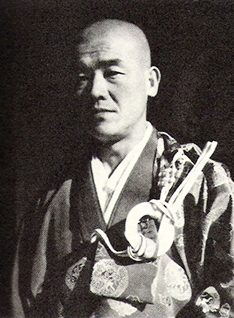
It was on this day, the 11th of March, in 1984 that Rinzai Zen master Soen Nakagawa died at Ryutakuji monastery in Japan. I shared this last year. Felt appropriate to offer it again.
In my study of Zen come West, Zen Master Who? I wrote about him.
Through his regular visits, his Dharma heirs, and others he taught, Soen Nakagawa would become one of the most important figures shaping a Western understanding of Rinzai Zen. Soen Nakagawa was born (on the 19th of March,) 1907 in Iwakuni, near Hiroshima.
His father was an army doctor, and so the family relocated frequently. While Soen was still very young his father died. His mother, who never remarried, struggled to support the family. Eventually Soen was admitted to Tokyo Imperial University to study Japanese literature. He specialized in poetry, specifically Basho, perhaps Japan’s most beloved poet. Basho had studied as a Zen monk, and while he may have never been formally ordained, the Zen spirit clearly pervades his work.
Fascinated by the idea of the literary monk, Soen Nakagawa determined to ordain. In 1931, a year after taking his degree, Soen was ordained an unsui by the Rinzai master Katsube Seigaku Roshi at Kogakuji. He spent considerable time in a mountain retreat at Daibosatsu Mountain in Yamanashi Prefecture.
At this time he published some poetry and diary entries in a magazine called Fujijn Koron, “Woman’s Review.” Nyogen Senzaki read these and in 1934 initiated what would become a lifelong correspondence and profound friendship. At about the same time, Soon Nakagawa met the renowned Genpo Yamamoto Roshi, the abbot of Ryutakuji.
Soen’s first book of poems, Shingan, “Coffin of Poems,” was published in 1936. This was followed by three more, the last being in 1985 (the year after his death). Continuing his penchant for deep personal practice, not long after being accepted as a student of Genpo Roshi, he returned to Daibosatsu for two years of solitary retreat. He then returned to Ryutakuji and more formal training. In 1950 he succeeded his teacher as master of this renowned training hall.
Senzaki Sensei thought Soen Nakagawa Roshi would be a perfect teacher for the West and spent years trying to lure him to North America. Soen Roshi first planned to come to America in 1941, but the War intervened. He arrived in the West for the first time in 1949, where he met Nyogen Senzaki, who arranged his first talk at the Los Angeles Theosophical Society.
In 1950, Soen Nakagawa returned to Ryutakuji. Upon Nyogen Senzaki’s suggestion, young Robert Aitken made his way there and began studying with him. The next year, Philip Kapleau would stay there for three months before going on to Sogaku Harada Roshi’s temple, Hosshingji. Of equal importance, Soen Roshi would visit the United States thirteen times, leading sesshin, intensive meditation retreats on both coasts and spending extensive time with many different students.
Sean Murphy in his One Bird, One Stone recounts the following:
Soen loved to walk around New York City. He’d stare at the lighted skyscrapers, at their tops, he claimed he saw Buddha figures in the lights. “Look at the Buddha,” he’d point, “Shining Buddha!” He’d fill the sleeves of his robes with nuts and berries from Central Park or herbs growing in the sidewalk cracks, and add them to his bowl at the next meal. He loved the musical Fiddler on the Roof*, and when asked a question about why some particular point of ceremony needed to be performed in a certain way, he might burst into song, responding “Tradition…!”*
Soen was a creative teacher. Famously, he was known to conduct tea ceremony using Coca-Cola or instant coffee and occasionally using Styrofoam cups. Nothing was off limits if it would hep point the way. The wrier and (later) Zen teacher Peter Matthiessen’s 1975 journal recorded in Endless Vow: The Zen Path of Soen Nakagawa describes his experience with this remarkable teacher:
Cleaning the Zendo after evening sitting, I find Soen alone in the shadows at the end of the empty row, in the stillness of zazen. He is the archetypal old monk of the paintings, ancient as death, burning with life. I dust around him. These days his joy in life is dear; he refers gleefully to “the majority,” as he calls the dead… Each day he reminds us that, despite all the tumult and delusion of our life, our true nature is always there, like the sun or moon above black wind and clouds. “The sun is shining; the sun is always shining. That sun is enlightenment; everything is enlightenment!” He dabbled his fingers in a water bowl, “Do you hear? That is enlightenment!“
Apparently, in 1967 while trying to climb a tree, Soen fell and sustained a severe head injury. From that point on, Soen Roshi suffered from continuous pain and occasional bouts of depression. Following his retirement as abbot of Ryutakuji, he spent increasing amounts of time in solitary retreat. Whether this inclination wa connected with the pain he suffered, with depression, or simply with ever deepening practice is unknown. He died in 1984 – and his deaht poem summarizes an authentic Zen life.
Mustard blossoms!
There is nothing left
to hurl away.
Soen Nakagawak Roshi’s influence in the West and North America is substantive…
Half his ashes are interred at Ryutakuji, half in America.
As a special treat a series of talks touching on the life and teachings of Soen Nakagakwa by the remarkable American Zen teacher Roshi Mitra Bishop.
The ripples playing out form his life continue to wash across the West.
Previous Post

March 9, 2019
Waking a Dancing World: A Zen Priest Reflects On Being Spiritually Fluid
Next Post
March 12, 2019 Hitting the Road With Jack Kerouac
Browse Our Archives
Select a Category A Christmas Carol Abolitionist African-American Ahmadiyya Alan Watts Aldous Huxley Allen Ginsberg Amedkar Jayanti American politics American Zen Anaheim Zen Sangha Anglican Annie Besant April Fool Armageddon Art and Religion artificial intellegence Atheist Awakening B R Ambedkar Barlaam & Josaphat Beatnik Between Bhagavad Gita Bible biography birthday bodhisattva Bodhisattva Precepts Book burning Book of Common Prayer Book of Mormon Brahmo Samaj Buddha Buddhism Buddhist Buddhist Lord's Prayer Butterflies Calendars cartoons cat ChatGPT Chicken Tortilla Soup choices Christian atheism Christian mysticism Christian origins Christian Science Christian Zen Christianity Christianity and Buddhism christmas Christmas Truce Christopher Isherwood Church of Later Day Saints Cinco de Mayo circus covenant critical thinking culture D. T. Suzuki Dalit Buddhism Daniel Defoe Desert Fathers and Mothers dharma talk Dogen Donald Trump Dongshan's Five Ranks Dorothy Day dream Duty Easter ecology Edwin Arnold emptiness Empty Moon Zen Network Episcopal Church Eternal Now Ethics evolution existentialism Faith fantasy Fathers Day film film review fire Five Ranks Folk music food Form and emptiness Four Seals Francis of Assisi Francis Xavier Free thinker friendship George MacDonald Gerald Heard Glenn Taylor Webb God Good Friday Gospel of Gospel of Mark Gospel of Thomas grace Graduate Theological Unioin Graduate Theological Union Guanyin H R Blyth Hakuin Ekaku Hanamatsuri Hanukkah Harada Yasutani Zen Heart Sutra Henry David Thoreau Hermann Hesse Hinduism History and Religion history of religion Holy Spirit home Hospitality Icon Ides of March Isaac Newton Islam Islamic mysticism Jack Kerouac James Luther Adams Jiddu Krishnamurti Joan of Arc Johannes Gutenberg John Donne joke Judaism justice karma kensho King James Bible koan Koun Yamada Kyoto School Lewis Carrol Liberal Christianity Liberal Religion Life Plan Community Liminal literature Literature and Religion Liturgy Lord's Prayer Love Mahatma Gandhi Mahayana Martin Luther King Jr Mary Baker Eddy Mary Magdelene Mary Oliver Mayflower Compact Meditation memories memory metaphor money money and religioin Mormons Mother's Day movie review mysticism mythic Neighborhood Unitarian Universalist Church New Thought Nichiren Buddhism Nonduality not knowing Omar Khayyam Pacific School of Religion pagan Palm Sunday Passover peace Pentecost perennialism Phantastes Philip Kapleau philosophy Pilgrimage poetry Poetry and Religion politics Prayer Precepts Printing Press prophecy prophetic spirituality psychology Pure Land Queer religion queering religion Quietism Ram Mohan Roy rebirth recipe Relationships and religion religion religion and history Religious syncretism Resistance Retirement Retreat review Rissho Kosei Kai Ritual Robert Aitken Roshi Robert Ingersoll Rohatsu Romani religion Rosie the Riveter saints samadhi SanboZen Sangha Satyagraha science science and reigion science and religion science fiction seminary sermon Sesshin Sex and Religion Shinran Sikh Sikh tradition silence Social Justice Socially Engaged Buddhism Society and religion Soto Zen soul spiritual community spiritual practice Spirituality Sufism Suicide superstition Taoism Television Teresa of Avila Thanksgiving theological schools Theosophy Thomas Merton Time Transcendentalism Transcendentalist Trinitarian Trinity Uncategorized unitarian Unitarian Christianity Unitarian Universalist Universalism Vajrayana Vedanta Walking war Willa Cather William Ellery Channing wisdom women and religion women in religion World Teacher Writing zazen Zen Zen Center Zen inspired retriement zen meditation Zen Precepts Zen women
Select a Month September 2026 August 2026 July 2026 June 2026 May 2026 April 2026 March 2026 February 2026 January 2026 December 2025 November 2025 October 2025 September 2025 August 2025 July 2025 June 2025 May 2025 April 2025 March 2025 February 2025 January 2025 December 2024 November 2024 October 2024 September 2024 August 2024 July 2024 June 2024 May 2024 April 2024 March 2024 February 2024 January 2024 December 2023 November 2023 October 2023 September 2023 August 2023 July 2023 June 2023 May 2023 April 2023 March 2023 February 2023 January 2023 December 2022 November 2022 October 2022 September 2022 August 2022 July 2022 June 2022 May 2022 April 2022 March 2022 February 2022 January 2022 December 2021 November 2021 October 2021 September 2021 August 2021 July 2021 June 2021 May 2021 April 2021 March 2021 February 2021 January 2021 December 2020 November 2020 October 2020 September 2020 August 2020 July 2020 June 2020 May 2020 April 2020 March 2020 February 2020 January 2020 December 2019 November 2019 October 2019 September 2019 August 2019 July 2019 June 2019 May 2019 April 2019 March 2019 February 2019 January 2019 December 2018 November 2018 October 2018 September 2018 August 2018 July 2018 June 2018 May 2018 April 2018 March 2018 February 2018 January 2018 December 2017 November 2017 October 2017 September 2017 August 2017 July 2017 June 2017 May 2017 April 2017 March 2017 February 2017 January 2017 December 2016 November 2016 October 2016 September 2016 August 2016 July 2016 June 2016 May 2016 April 2016 March 2016 February 2016 January 2016 December 2015 November 2015 October 2015 September 2015 August 2015 July 2015 June 2015 May 2015 April 2015 March 2015 February 2015 January 2015 December 2014 November 2014 October 2014 September 2014 August 2014 July 2014 June 2014 May 2014 April 2014 March 2014 February 2014 January 2014 December 2013 November 2013 October 2013 September 2013 August 2013 July 2013 June 2013 May 2013 April 2013 March 2013 February 2013 January 2013 December 2012 November 2012 October 2012 September 2012 August 2012 July 2012 June 2012 May 2012 April 2012 March 2012 February 2012 January 2012 December 2011 November 2011 October 2011 September 2011 August 2011 July 2011 June 2011 May 2011 April 2011 March 2011 February 2011 January 2011 December 2010 November 2010 October 2010 September 2010 August 2010 July 2010 June 2010 May 2010 April 2010 March 2010 February 2010 January 2010 December 2009 November 2009 October 2009 September 2009 August 2009 July 2009 June 2009 May 2009 April 2009 March 2009 February 2009 January 2009 December 2008 November 2008 October 2008 September 2008 August 2008 July 2008 June 2008 May 2008 April 2008 March 2008 February 2008 January 2008 December 2007 November 2007 October 2007 September 2007 August 2007 July 2007 June 2007 May 2007 April 2007 March 2007 February 2007 January 2007 December 2006 November 2006 October 2006 September 2006
Follow Us!
TAKE THE
Religious Wisdom Quiz
I am an offering without defect, completely burned on the altar as a pleasing aroma to the Lord. What am I?
Select your answer to see how you score.
A burnt offering A grain offering A peace offering A sin offering
Related posts from Monkey Mind

Keizan Jokin: The Zen Master Ancestor You Don't...

What Zen Practice Actually Does With Anger

Nanquan Cuts the Cat: A Jesuit commentary on...

On Taking Refuge in the Dharma
TRENDING AT PATHEOS Buddhist

Swimfan: Forgotten Aughts Pleasures
This is a recovery effort. In 2002, My Big Fat Greek Wedding...

Top Three Anti-Catholic Lies About Catholicism
This is my initial transcript for the video, "THE 3 WORST...

Pope Leo Celebrates Mass for Nurses & Docs...
I don't have any idea how he did it, but Pope Leo...

The Sermon on the Mount, Part I: Matthew...
The Sermon on the Mount, Part I (Matthew 4:12-5:12) St. Matthew moves...

What's up from Crossway: Reviewing some of their latest A few weeks...

Janie Learns the Way of the Cross: A...
Teaching children about Jesus' Passion can be challenging. Many parents and educators...
view all Buddhist blogs
Ad-Free & Subscriber Log-In Subscription Support
- About Us
- 2026 Calendar
- Videos
- Podcasts
- Library of World Religions
- Faith In Media Tracker
- Advertise With Us
- Write for Us
- Privacy Policy
- Terms of Service
- Do Not Sell My Data
- Contact Us
- Radiant Digital
- Manage Newsletter Subscriptions
- Unsubscribe From Notifications
- Sitemap
Copyright 2008-2026, Patheos. All rights reserved.
Subscription Support Ad-Free & Subscriber Log-In
Follow Patheos