
BuddhistCatholicContemplativeEvangelicalGeneral ChristianHinduJewishLatter-day SaintMuslimNew VisionsProgressive Christian
Beliefs
- Buddhist
- Catholic
- Contemplative
- Evangelical
- General Christian
- Hindu
- Jewish
- Latter-day Saint
- More Voices
- Muslim
- New Visions
- Pagan
- Progressive Christian
Topics
- Religion News
- Food and Religion
- Sports and Religion
- Religious Art
- Religious Music and Entertainment
- Religious Events
- History and Religion
- Style and Religion
- Politics and Religion
- Women in Religion
- Recreation Outdoors and Religion
- Business Finance and Religion
- Careers Workplace and Religion
- Education and Religion
- Family Parenting and Religion
- Health Fitness and Religion
- Home and Religion
- Relationships and Religion
- Technology and Religion
- Travel and Religion
Columnists
- Buddhist Columnists
- Business Finance and Religion Columnists
- Careers Workplace and Religion Columnists
- Catholic Columnists
- Contemplative Columnists
- Education and Religion Columnists
- Evangelists Columnists
- Family Parenting and Religion Columnists
- General Christian Columnists
- Health Fitness and Religion Columnists
- Hindu Columnists
- History and Religion Columnists
- Home and Religion Columnists
- Jewish Columnists
- More Voices Columnists
- Latter Day Columnists
- Muslim Columnists
- New Visions Columnists
- Nonreligious Columnists
- Pagan Columnists
- Politics and Religion Columnists
- Progressive Columnists
- Recreation Outdoors and Religion Columnists
- Relationships and Religion Columnists
- Religion News Columnists
- Religious Art Columnists
- Religious Events Columnists
- Religious Music and Entertainment Columnists
- Sports and Religion Columnists
- Style and Religion Columnists
- Technology and Religion Columnists
- Travel and Religion Columnists
- Women in Religion Columnists
Resource Library
- 2026 Calendar
- Library of World Religions
- The 100 Most Holy Places on Earth
- Patheos Answers
- Podcasts
- Videos
- Faith Leaders Database
- Anglican Episcopalian
- Bahai
- Baptist
- Buddhism
- Christianity
- Confucianism
- Eastern Orthodoxy
- Hinduism
- Holiness and Pentecostal
- ISKCON
- Islam
- Judaism
- Lutheran
- Methodist
- The Church of Jesus Christ of Latter-day Saints
- New Age
- Paganism
- Presbytarian and Reformed
- Protestantism
- Religion Behind the Scenes
- Roman Catholic
- Scientology
- Shia Islam
- Sikhism
- Sufism
- Sunni Islam
- Taoism
- Zen
- See all religions
Research Tools
 Ad-Free & Subscriber Log-In Subscription Support
Ad-Free & Subscriber Log-In Subscription Support
Follow Patheos 

- Trending:
- Forgiveness
- |
- Marriage
- |
- Consciousness
- |
- Death Penalty
- |
- Election
- |
- Halloween

- Home
- Buddhist
- Hakuin Ekaku on the Importance of Kensho
Hakuin Ekaku on the Importance of Kensho
Last updated on: December 29, 2017 at 11:28 am by James Ford
Hakuin Ekaku on the Importance of Kensho 2017-12-29T11:28:18-08:00 James Ford
Patheos Explore the world's faith through different perspectives on religion and spirituality! Patheos has the views of the prevalent religions and spiritualities of the world.
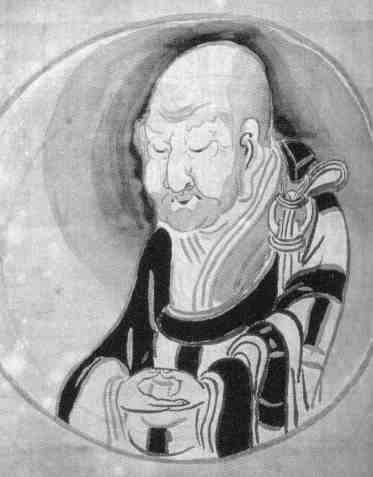
The Importance of Kensho
(Translation by Philip Yampolsky)
At present, we are infested in this country with a race of smooth-tongued, worldly-wise Zen teachers who feed their students a ration of utter nonsense. “Why do you suppose Buddha-patriarchs through the ages were so mortally afraid of words and letters?” they ask you. “It is,” they answer, “because words and letters are a coast of rocky cliffs washed constantly by vast oceans of poison ready to swallow your wisdom and drown the life from it. Giving students stories and episodes from the Zen past and having them penetrate their meaning is a practice that did not start until after the Zen school had already branched out into the Five Houses, and they were developing into the Seven Schools. Koan study represents a provisional teaching aid which teachers have devised to bring students up to the threshold of the house of Zen so as to enable them to enter the dwelling itself. It has nothing directly to do with the profound meaning of the Buddha-patriarchs’ inner chambers.”
An incorrigible pack of skinheaded mules has ridden this teaching into a position of dominance in the world of Zen. You cannot distinguish master from disciple, jades from common stones. They gather and sit – rows of sleepy inanimate lumps. They hug themselves, self-satisfied, imagining they are the paragons of the Zen tradition. They belittle the Buddha- patriarchs of the past. While celestial phoenixes linger in the shadows, starving away, this hateful flock of owls and crows rule the roost, sleeping and stuffing their bellies to their hearts’ content.
If you don’t have the eye of kensho, it is impossible for you to use a single drop of the Buddha’s wisdom. These men are heading straight for the realms of hell. That is why I say: if upon becoming a Buddhist monk you do not penetrate the Buddha’s truth, you should turn in your black robe, give back all the donations you have received, and revert to being a layman.
Don’t you realize that every syllable contained in the Buddhist canon – all five thousand and forty-eight scrolls of scripture – is a rocky cliff jutting into deadly, poison-filled seas? Don’t you know that each of the twenty-eight Buddhas and six Buddhist saints is a body of virulent poison? It rises up in monstrous waves that blacken the skies, swallow the radiance of the sun and moon, and extinguishes the light of the stars and planets.
It is there as clear and stark as could be. It is staring you right in the face. But none of you is awake to see it. You are like owls that venture out into the light of day, their eyes wide open, yet they couldn’t even see a mountain were it towering in front of them. The mountain doesn’t have a grudge against owls that makes it want to hide. The fault is with the owls alone.
You might cover your ears with your hands. You might put a blindfold over your eyes. Try anything you can think of to avoid these poisonous fumes. But you can’t escape the clouds sailing in the sky, the streams tumbling down the hillsides. You can’t evade the falling autumn leaves scattering spring flowers.
You might wish to enlist the aid of the fleetest winged demon you can find. If you plied him with the best of food and drink and crossed his paw with gold, you might get him to take you on his back for a couple of circumnavigations of the earth. But you would still not find so much as a thimbleful of ground where you could hide.
I am eagerly awaiting the appearance of some dimwit of a monk (or barring that, half such a monk) richly endowed with a natural stock of spiritual power and kindled within by a raging religious fire, who will fling himself unhesitatingly into the midst of this poison and instantly die the Great Death. Rising from that Death, he will arm himself with a calabash of gigantic size and roam the great earth seeking true and genuine monks. Wherever he encounters one, he will spit in his fists, flex his muscles, fill his calabash with deadly poison and fling a dipperful of it over him, drenching him head to foot, so that he too is forced to surrender his life. Ah! what a magnificent sight to behold!
The Zen priests of today are busily imparting a teaching to their students that sounds something like this:
“Don’t misdirect your efforts. Don’t chase around looking for something apart from your own selves. All you have to do is to concentrate on being thoughtless, on doing nothing whatever. No practice. No realization. Doing nothing, the state of no-mind, is the direct path of sudden realization. No practice, no realization – that is the true principle, things as they really are. The enlightened ones themselves, those who possess every attribute of Buddhahood, have called this supreme, unparalleled, right awakening.”
People hear this teaching and try to follow it. Choking off their aspirations. Sweeping their minds clean of delusive thoughts. They dedicate themselves solely to doing nothing and to making their minds complete blanks, blissfully unaware that they are doing and thinking a great deal.
When a person who has not had kensho reads the Buddhist scriptures, questions his teachers and fellow monks about Buddhism, or practices religious disciplines, he is merely creating the causes of his own illusion – a sure sign that he is still confined within samsara. He tries constantly to keep himself detached in thought and deed, and all the while his thoughts and deeds are attached. He endeavors to be doing nothing all day long, and all the while he is busily doing.
But if this same person experiences kensho, everything changes. Although he is constantly thinking and acting, it is totally free and unattached. Although he is engaged in activity around the clock, that activity is, as such, non-activity. This great change is the result of his kensho. It is like water that snakes and cows drink from the same cistern, which becomes deadly venom in one and milk in the other.
Bodhidharma spoke of this in his Essay on the Dharma pulse:
If someone without kensho tries constantly to make his thoughts free and unattached, he commits a great transgression against the Dharma and is a great fool to boot. He winds up in the passive indifference of empty emptiness, no more able to distinguish good from bad than a drunken man. If you want to put the Dharma of non- activity into practice, you must bring an end to all your thought-attachments by breaking through into kensho. Unless you have kensho, you can never expect to achieve a state of non-doing.
Previous Post

December 28, 2017
Awakening: a Zen Perspective at the Dawn of the Twenty-First Century
Next Post
December 30, 2017 The Zen of (Some) Science Fiction
Browse Our Archives
Select a Category A Christmas Carol Abolitionist African-American Ahmadiyya Alan Watts Aldous Huxley Allen Ginsberg Amedkar Jayanti American politics American Zen Anaheim Zen Sangha Anglican Annie Besant April Fool Armageddon Art and Religion artificial intellegence Atheist Awakening B R Ambedkar Barlaam & Josaphat Beatnik Between Bhagavad Gita Bible biography birthday bodhisattva Bodhisattva Precepts Book burning Book of Common Prayer Book of Mormon Brahmo Samaj Buddha Buddhism Buddhist Buddhist Lord's Prayer Butterflies Calendars cartoons cat ChatGPT Chicken Tortilla Soup choices Christian atheism Christian mysticism Christian origins Christian Science Christian Zen Christianity Christianity and Buddhism christmas Christmas Truce Christopher Isherwood Church of Later Day Saints Cinco de Mayo circus covenant critical thinking culture D. T. Suzuki Dalit Buddhism Daniel Defoe Desert Fathers and Mothers dharma talk Dogen Donald Trump Dongshan's Five Ranks Dorothy Day dream Duty Easter ecology Edwin Arnold emptiness Empty Moon Zen Network Episcopal Church Eternal Now Ethics evolution existentialism Faith fantasy Fathers Day film film review fire Five Ranks Folk music food Form and emptiness Four Seals Francis of Assisi Francis Xavier Free thinker friendship George MacDonald Gerald Heard Glenn Taylor Webb God Good Friday Gospel of Gospel of Mark Gospel of Thomas grace Graduate Theological Unioin Graduate Theological Union Guanyin H R Blyth Hakuin Ekaku Hanamatsuri Hanukkah Harada Yasutani Zen Heart Sutra Henry David Thoreau Hermann Hesse Hinduism History and Religion history of religion Holy Spirit home Hospitality Icon Ides of March Isaac Newton Islam Islamic mysticism Jack Kerouac James Luther Adams Jiddu Krishnamurti Joan of Arc Johannes Gutenberg John Donne joke Judaism justice karma kensho King James Bible koan Koun Yamada Kyoto School Lewis Carrol Liberal Christianity Liberal Religion Life Plan Community Liminal literature Literature and Religion Liturgy Lord's Prayer Love Mahatma Gandhi Mahayana Martin Luther King Jr Mary Baker Eddy Mary Magdelene Mary Oliver Mayflower Compact Meditation memories memory metaphor money money and religioin Mormons Mother's Day movie review mysticism mythic Neighborhood Unitarian Universalist Church New Thought Nichiren Buddhism Nonduality not knowing Omar Khayyam Pacific School of Religion pagan Palm Sunday Passover peace Pentecost perennialism Phantastes Philip Kapleau philosophy Pilgrimage poetry Poetry and Religion politics Prayer Precepts Printing Press prophecy prophetic spirituality psychology Pure Land Queer religion queering religion Quietism Ram Mohan Roy rebirth recipe Relationships and religion religion religion and history Religious syncretism Resistance Retirement Retreat review Rissho Kosei Kai Ritual Robert Aitken Roshi Robert Ingersoll Rohatsu Romani religion Rosie the Riveter saints samadhi SanboZen Sangha Satyagraha science science and reigion science and religion science fiction seminary sermon Sesshin Sex and Religion Shinran Sikh Sikh tradition silence Social Justice Socially Engaged Buddhism Society and religion Soto Zen soul spiritual community spiritual practice Spirituality Sufism Suicide superstition Taoism Television Teresa of Avila Thanksgiving theological schools Theosophy Thomas Merton Time Transcendentalism Transcendentalist Trinitarian Trinity Uncategorized unitarian Unitarian Christianity Unitarian Universalist Universalism Vajrayana Vedanta Walking war Willa Cather William Ellery Channing wisdom women and religion women in religion World Teacher Writing zazen Zen Zen Center Zen inspired retriement zen meditation Zen Precepts Zen women
Select a Month September 2026 August 2026 July 2026 June 2026 May 2026 April 2026 March 2026 February 2026 January 2026 December 2025 November 2025 October 2025 September 2025 August 2025 July 2025 June 2025 May 2025 April 2025 March 2025 February 2025 January 2025 December 2024 November 2024 October 2024 September 2024 August 2024 July 2024 June 2024 May 2024 April 2024 March 2024 February 2024 January 2024 December 2023 November 2023 October 2023 September 2023 August 2023 July 2023 June 2023 May 2023 April 2023 March 2023 February 2023 January 2023 December 2022 November 2022 October 2022 September 2022 August 2022 July 2022 June 2022 May 2022 April 2022 March 2022 February 2022 January 2022 December 2021 November 2021 October 2021 September 2021 August 2021 July 2021 June 2021 May 2021 April 2021 March 2021 February 2021 January 2021 December 2020 November 2020 October 2020 September 2020 August 2020 July 2020 June 2020 May 2020 April 2020 March 2020 February 2020 January 2020 December 2019 November 2019 October 2019 September 2019 August 2019 July 2019 June 2019 May 2019 April 2019 March 2019 February 2019 January 2019 December 2018 November 2018 October 2018 September 2018 August 2018 July 2018 June 2018 May 2018 April 2018 March 2018 February 2018 January 2018 December 2017 November 2017 October 2017 September 2017 August 2017 July 2017 June 2017 May 2017 April 2017 March 2017 February 2017 January 2017 December 2016 November 2016 October 2016 September 2016 August 2016 July 2016 June 2016 May 2016 April 2016 March 2016 February 2016 January 2016 December 2015 November 2015 October 2015 September 2015 August 2015 July 2015 June 2015 May 2015 April 2015 March 2015 February 2015 January 2015 December 2014 November 2014 October 2014 September 2014 August 2014 July 2014 June 2014 May 2014 April 2014 March 2014 February 2014 January 2014 December 2013 November 2013 October 2013 September 2013 August 2013 July 2013 June 2013 May 2013 April 2013 March 2013 February 2013 January 2013 December 2012 November 2012 October 2012 September 2012 August 2012 July 2012 June 2012 May 2012 April 2012 March 2012 February 2012 January 2012 December 2011 November 2011 October 2011 September 2011 August 2011 July 2011 June 2011 May 2011 April 2011 March 2011 February 2011 January 2011 December 2010 November 2010 October 2010 September 2010 August 2010 July 2010 June 2010 May 2010 April 2010 March 2010 February 2010 January 2010 December 2009 November 2009 October 2009 September 2009 August 2009 July 2009 June 2009 May 2009 April 2009 March 2009 February 2009 January 2009 December 2008 November 2008 October 2008 September 2008 August 2008 July 2008 June 2008 May 2008 April 2008 March 2008 February 2008 January 2008 December 2007 November 2007 October 2007 September 2007 August 2007 July 2007 June 2007 May 2007 April 2007 March 2007 February 2007 January 2007 December 2006 November 2006 October 2006 September 2006
Follow Us!
TAKE THE
Religious Wisdom Quiz
What did Jeremiah see in his first vision as a young prophet?
Select your answer to see how you score.
A burning coal An almond branch A lion A scroll
Related posts from Monkey Mind

Keizan Jokin: The Zen Master Ancestor You Don't...

What Zen Practice Actually Does With Anger

Nanquan Cuts the Cat: A Jesuit commentary on...

On Taking Refuge in the Dharma
TRENDING AT PATHEOS Buddhist

57th Dove Awards Honor Dolly Parton, Crown New...
On gospel music’s biggest night, the 57th annual GMA Dove Awards honored...

The First Eucharistic Controversy: Christ’s Real Presence
For Catholics, the Eucharist is the source and summit of the Christian...

What a Stop Sign Can Teach Us About...
How to Make a Decision When You Can't Hear God Main point:...

Archdiocese Hosts Military Marriage Retreat in Germany
RASTATT, Germany — The transient military lifestyle, with its frequent deployments and...

Nearly every morning, I make the drive to Detroit with my high-school-age...

The Real AI Story Is Adoption Without Trust
Artificial intelligence has crossed a political threshold. It is no longer a...
view all Buddhist blogs
Ad-Free & Subscriber Log-In Subscription Support
- About Us
- 2026 Calendar
- Videos
- Podcasts
- Library of World Religions
- Faith In Media Tracker
- Advertise With Us
- Write for Us
- Privacy Policy
- Terms of Service
- Do Not Sell My Data
- Contact Us
- Radiant Digital
- Manage Newsletter Subscriptions
- Unsubscribe From Notifications
- Sitemap
Copyright 2008-2026, Patheos. All rights reserved.
Subscription Support Ad-Free & Subscriber Log-In
Follow Patheos