
BuddhistCatholicContemplativeEvangelicalGeneral ChristianHinduJewishLatter-day SaintMuslimNew VisionsProgressive Christian
Beliefs
- Buddhist
- Catholic
- Contemplative
- Evangelical
- General Christian
- Hindu
- Jewish
- Latter-day Saint
- More Voices
- Muslim
- New Visions
- Pagan
- Progressive Christian
Topics
- Religion News
- Food and Religion
- Sports and Religion
- Religious Art
- Religious Music and Entertainment
- Religious Events
- History and Religion
- Style and Religion
- Politics and Religion
- Women in Religion
- Recreation Outdoors and Religion
- Business Finance and Religion
- Careers Workplace and Religion
- Education and Religion
- Family Parenting and Religion
- Health Fitness and Religion
- Home and Religion
- Relationships and Religion
- Technology and Religion
- Travel and Religion
Columnists
- Buddhist Columnists
- Business Finance and Religion Columnists
- Careers Workplace and Religion Columnists
- Catholic Columnists
- Contemplative Columnists
- Education and Religion Columnists
- Evangelists Columnists
- Family Parenting and Religion Columnists
- General Christian Columnists
- Health Fitness and Religion Columnists
- Hindu Columnists
- History and Religion Columnists
- Home and Religion Columnists
- Jewish Columnists
- More Voices Columnists
- Latter Day Columnists
- Muslim Columnists
- New Visions Columnists
- Nonreligious Columnists
- Pagan Columnists
- Politics and Religion Columnists
- Progressive Columnists
- Recreation Outdoors and Religion Columnists
- Relationships and Religion Columnists
- Religion News Columnists
- Religious Art Columnists
- Religious Events Columnists
- Religious Music and Entertainment Columnists
- Sports and Religion Columnists
- Style and Religion Columnists
- Technology and Religion Columnists
- Travel and Religion Columnists
- Women in Religion Columnists
Resource Library
- 2026 Calendar
- Library of World Religions
- The 100 Most Holy Places on Earth
- Patheos Answers
- Podcasts
- Videos
- Faith Leaders Database
- Anglican Episcopalian
- Bahai
- Baptist
- Buddhism
- Christianity
- Confucianism
- Eastern Orthodoxy
- Hinduism
- Holiness and Pentecostal
- ISKCON
- Islam
- Judaism
- Lutheran
- Methodist
- The Church of Jesus Christ of Latter-day Saints
- New Age
- Paganism
- Presbytarian and Reformed
- Protestantism
- Religion Behind the Scenes
- Roman Catholic
- Scientology
- Shia Islam
- Sikhism
- Sufism
- Sunni Islam
- Taoism
- Zen
- See all religions
Research Tools
 Ad-Free & Subscriber Log-In Subscription Support
Ad-Free & Subscriber Log-In Subscription Support
Follow Patheos 

- Trending:
- Forgiveness
- |
- Marriage
- |
- Consciousness
- |
- Death Penalty
- |
- Election
- |
- Halloween

- Home
- Buddhist
- Confession of a Married Monk: A Small Zen Meditation Without a Clear Conclusion
Confession of a Married Monk: A Small Zen Meditation Without a Clear Conclusion
Last updated on: October 17, 2017 at 2:42 pm by James Ford
Confession of a Married Monk: A Small Zen Meditation Without a Clear Conclusion 2017-10-17T14:42:54-07:00 James Ford
Patheos Explore the world's faith through different perspectives on religion and spirituality! Patheos has the views of the prevalent religions and spiritualities of the world.
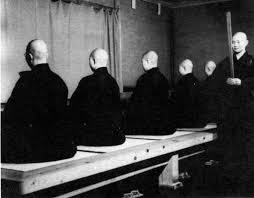
For me the whole project of Zen has been about awakening.
A bit more than fifty years ago I began Zen practice knowing almost nothing of what I was getting myself into. Other than one thing. Not even twenty, already my life was a shamble. I felt the pain of a world spinning out of control. I felt the pain of my own heart.
I’d read some of the few things available about Zen at the time, mostly Alan Watts‘ interpretation of D. T. Suzuki’s pioneering English language introductions. While today we have a more nuanced understanding of Zen and what it brings to us, complete with some serious criticisms of Professor Suzuki’s narrow focus, and particularly Dr Watts’ framing, there was a promise made. And, with all my heart I grasped after that promise.
The promise was simple. We can wake from the nightmare.
I began my practice with Mel Sojun Weitsman, sitting at the Berkeley Zendo. But when Houn Jiyu Kennett arrived in the United States, I became her student, then disciple, and then on the 5th of July, 1970 I ordained as an unsui with her. Later, she gave me her dharma transmission. I would leave her, cast about for several years, and then launch into a decades long program of koan introspection practice with John Tarrant and other teachers of the Soto reform koan curriculum introduced by Daiun Sogaku Harada.
For fifteen years I worked with some amazing collaborators, particularly Melissa Myozen Blacker, David Rynick, and Josh Bartok, in creating Boundless Way Zen, a collective focused on offering authentic Zen practices adapted to our Western culture. Along that way we saw a need for a ministerial function within our community, and introduced a program leading to ordination using the Soto Bodhisattva ordination system I’d inherited from Kennett Roshi. At the time we all, me included, saw it principally as a way to offer ministry.
But then something began to happen. It was clear that for at least some people who ordained, I don’t know, maybe most, they felt there was something else happening, as well. What that is is not clear, but it is compelling. And the priests of the Boundless Way continue to wrestle with that mystery.
Then, two years ago my spouse Jan and I retired from our professional lives, she as a librarian and me as a Unitarian Universalist parish minister, and returned to our native California. This allowed Jan to be closer to her mother in the Los Angeles area.
Of course we started a Zen sitting group, Blue Cliff Zen Sangha, meeting at the UU church in Long Beach. Then after about nine months we started a second group meeting at the UU church in Costa Mesa. We’ve begun offering day long sits, and have just put a deposit down on a retreat facility for our first three-day at the beginning of February.
I’m just finishing up a three-year term on the board of directors for the Soto Zen Buddhist Association during a critical time when it is attempting to define some broad perimeters for membership. This has followed about fifty years of wild growth through numerous lineages, and an equally wild number of expectations for ordination. As part of this project I’ve studied the nature of ordination and transmission in Soto Zen, and reflected on what might be helpful at this pregnant moment in our history.
I’ve also found myself reflecting on my own path. I’ve recalled my initial impulse. And, I recall the vows I made forty-seven years ago.
And, very importantly, I’ve made two friendships. The first is with Gyokei Yokoyama, a Japanese Soto Zen priest who serves dually as minister of the Long Beach Buddhist Church and with the Soto Zen Buddhist North America Office, the official representative of the Sotoshu in North America. The second is with Gesshin Greenwood, an American Soto priest who trained almost entirely in Japan, and who has only recently returned to North America, and is currently completing an MA at the University of Southern California.
There are others, of course. I think of some conversations with a younger generation of Soto priests who trained in Japan, Koun Franz, Tenku Ruff, and Ejo McMullan in particular. But also with many others, off the top I think of Hozan Senauke, Dana Veldon, Gyokuko Carlson, Kosho McCall, Renshin Bunce, Domyo Burke, Hondo Rutschman, Tetsugan Zummach, and most of all with Dosho Port. Just the names that I think of in the moment as I type these words. With some brief conversations, with others much deeper, but all of them touching my heart. I’ve been richly treated. But Gyokei and Gesshin, these two have particularly triggered vital questions for me at this moment in my life.
And, so, here I am today. I think the original ordination concern at Boundless Way is real. We need ministers, and we need to attend to how to prepare them. And, pretty much obviously, at least to me, those ministers can so easily be our Soto Zen priests. But, there is something else going on with Soto ordination that precedes any other concern, even that need for ministers. It is found in that mysterious stirring in the hearts of those who ordained within Boundless Way. And, it has for me.
Today, as am now some months into my sixty-ninth year. And, so, those questions.
I think about awakening, and how my understanding of what that means has shifted, and I hope, deepened over the many years. The secret of all this is the reconciliation of our divided hearts which is summarized so perfectly in the Heart Sutra, the great text of my life.
And, I think about what I’ve learned about awakening. The rhetoric of our way focuses on a great insight and a transformed life. This is absolutely true. But, it is also about the meeting of a dynamic, and it is experienced, deeply and shallowly, it is lived now aware, now not so much. And, the path itself continues on. One of my most cherished sayings from our tradition is that even the Buddha continues to practice. And that word practice itself speaks to it all, it is both doing and it is always also preparing.
And, I think about my vows as a Buddhist priest, as a Zen unsui. In part it is about ministry. But, at heart it is about something else. It has to do with that life of practice. As a Soto practitioner I’m most taken with the great Eihei Dogen’s practice-enlightenment. I am a relentless advocate of the validity of lay practice. And, I believe, deeply, profoundly, that no one need ordain to become an authentic practitioner, or even a fully qualified Zen teacher.
And, my heart calls me into something. It is that ancient vow that I joined myself to those near five decades ago.
I’ve long resisted the term monk for what I ordained into. I’ve preferred priest. The history of our Japanese-derived Bodhisattva ordination is long and complex. It was originally simply an alternative form of monastic ordination introduced out of specific needs of Japanese Buddhism in the Ninth century. But, over time something evolved, a form of “married monasticism,” to use a term that was coined to attempt to capture the phenomenon. The relationship between Japanese Bodhisattva ordination and Continental Vinaya ordination is vaguely similar to how Anglican ordination stands in relation to Catholic ordination. Confusing. And, as I said, I’ve generally found priest a less confusing term. And I still use it.
But. I am increasingly aware of my life vow into what I am becoming more comfortable with calling it by that clumsy but compelling “married monasticism.” It is a life of vow. It is not lay practice. Nor is it the Bodhisattva precepts as used in China, although the specific precepts used to ordain derived from that source. But, it isn’t traditional monasticism, either, which nearly everyone understands whatever else, includes celibacy and voluntary poverty. I like that term mainly used in the Shin tradition to describe the state to which this Bodhisattva ordination calls us as “neither monk nor lay.”
All this said, I find how I increasingly cherish my early years of monastic practice as a foundation for much of what I’ve done. And in a sense of who I’ve been. And, now, as I age, as I see the diminishing of faculties, and the shrinking of my world on the horizon, I see myself slipping more and more into the power of that original vow, and how it is carrying me along.
Where this is going, I cannot say. Just a marker. Just a moment to notice.
From here, from this, I find I am surrendering into mystery. Comforted in some way by that ancient and constantly renewed vow…
Previous Post

October 15, 2017
Introduction to Zen Koans is Now Available for Pre-Order
Next Post
October 18, 2017 D. T. Suzuki & the Dawn of Zen in the West
Browse Our Archives
Select a Category A Christmas Carol Abolitionist African-American Ahmadiyya Alan Watts Aldous Huxley Allen Ginsberg Amedkar Jayanti American politics American Zen Anaheim Zen Sangha Anglican Annie Besant April Fool Armageddon Art and Religion artificial intellegence Atheist Awakening B R Ambedkar Barlaam & Josaphat Beatnik Between Bhagavad Gita Bible biography birthday bodhisattva Bodhisattva Precepts Book burning Book of Common Prayer Book of Mormon Brahmo Samaj Buddha Buddhism Buddhist Buddhist Lord's Prayer Butterflies Calendars cartoons cat ChatGPT Chicken Tortilla Soup choices Christian atheism Christian mysticism Christian origins Christian Science Christian Zen Christianity Christianity and Buddhism christmas Christmas Truce Christopher Isherwood Church of Later Day Saints Cinco de Mayo circus covenant critical thinking culture D. T. Suzuki Dalit Buddhism Daniel Defoe Desert Fathers and Mothers dharma talk Dogen Donald Trump Dongshan's Five Ranks Dorothy Day dream Duty Easter ecology Edwin Arnold emptiness Empty Moon Zen Network Episcopal Church Eternal Now Ethics evolution existentialism Faith fantasy Fathers Day film film review fire Five Ranks Folk music food Form and emptiness Four Seals Francis of Assisi Francis Xavier Free thinker friendship George MacDonald Gerald Heard Glenn Taylor Webb God Good Friday Gospel of Gospel of Mark Gospel of Thomas grace Graduate Theological Unioin Graduate Theological Union Guanyin H R Blyth Hakuin Ekaku Hanamatsuri Hanukkah Harada Yasutani Zen Heart Sutra Henry David Thoreau Hermann Hesse Hinduism History and Religion history of religion Holy Spirit home Hospitality Icon Ides of March Isaac Newton Islam Islamic mysticism Jack Kerouac James Luther Adams Jiddu Krishnamurti Joan of Arc Johannes Gutenberg John Donne joke Judaism justice karma kensho King James Bible koan Koun Yamada Kyoto School Lewis Carrol Liberal Christianity Liberal Religion Life Plan Community Liminal literature Literature and Religion Liturgy Lord's Prayer Love Mahatma Gandhi Mahayana Martin Luther King Jr Mary Baker Eddy Mary Magdelene Mary Oliver Mayflower Compact Meditation memories memory metaphor money money and religioin Mormons Mother's Day movie review mysticism mythic Neighborhood Unitarian Universalist Church New Thought Nichiren Buddhism Nonduality not knowing Omar Khayyam Pacific School of Religion pagan Palm Sunday Passover peace Pentecost perennialism Phantastes Philip Kapleau philosophy Pilgrimage poetry Poetry and Religion politics Prayer Precepts Printing Press prophecy prophetic spirituality psychology Pure Land Queer religion queering religion Quietism Ram Mohan Roy rebirth recipe Relationships and religion religion religion and history Religious syncretism Resistance Retirement Retreat review Rissho Kosei Kai Ritual Robert Aitken Roshi Robert Ingersoll Rohatsu Romani religion Rosie the Riveter saints samadhi SanboZen Sangha Satyagraha science science and reigion science and religion science fiction seminary sermon Sesshin Sex and Religion Shinran Sikh Sikh tradition silence Social Justice Socially Engaged Buddhism Society and religion Soto Zen soul spiritual community spiritual practice Spirituality Sufism Suicide superstition Taoism Television Teresa of Avila Thanksgiving theological schools Theosophy Thomas Merton Time Transcendentalism Transcendentalist Trinitarian Trinity Uncategorized unitarian Unitarian Christianity Unitarian Universalist Universalism Vajrayana Vedanta Walking war Willa Cather William Ellery Channing wisdom women and religion women in religion World Teacher Writing zazen Zen Zen Center Zen inspired retriement zen meditation Zen Precepts Zen women
Select a Month September 2026 August 2026 July 2026 June 2026 May 2026 April 2026 March 2026 February 2026 January 2026 December 2025 November 2025 October 2025 September 2025 August 2025 July 2025 June 2025 May 2025 April 2025 March 2025 February 2025 January 2025 December 2024 November 2024 October 2024 September 2024 August 2024 July 2024 June 2024 May 2024 April 2024 March 2024 February 2024 January 2024 December 2023 November 2023 October 2023 September 2023 August 2023 July 2023 June 2023 May 2023 April 2023 March 2023 February 2023 January 2023 December 2022 November 2022 October 2022 September 2022 August 2022 July 2022 June 2022 May 2022 April 2022 March 2022 February 2022 January 2022 December 2021 November 2021 October 2021 September 2021 August 2021 July 2021 June 2021 May 2021 April 2021 March 2021 February 2021 January 2021 December 2020 November 2020 October 2020 September 2020 August 2020 July 2020 June 2020 May 2020 April 2020 March 2020 February 2020 January 2020 December 2019 November 2019 October 2019 September 2019 August 2019 July 2019 June 2019 May 2019 April 2019 March 2019 February 2019 January 2019 December 2018 November 2018 October 2018 September 2018 August 2018 July 2018 June 2018 May 2018 April 2018 March 2018 February 2018 January 2018 December 2017 November 2017 October 2017 September 2017 August 2017 July 2017 June 2017 May 2017 April 2017 March 2017 February 2017 January 2017 December 2016 November 2016 October 2016 September 2016 August 2016 July 2016 June 2016 May 2016 April 2016 March 2016 February 2016 January 2016 December 2015 November 2015 October 2015 September 2015 August 2015 July 2015 June 2015 May 2015 April 2015 March 2015 February 2015 January 2015 December 2014 November 2014 October 2014 September 2014 August 2014 July 2014 June 2014 May 2014 April 2014 March 2014 February 2014 January 2014 December 2013 November 2013 October 2013 September 2013 August 2013 July 2013 June 2013 May 2013 April 2013 March 2013 February 2013 January 2013 December 2012 November 2012 October 2012 September 2012 August 2012 July 2012 June 2012 May 2012 April 2012 March 2012 February 2012 January 2012 December 2011 November 2011 October 2011 September 2011 August 2011 July 2011 June 2011 May 2011 April 2011 March 2011 February 2011 January 2011 December 2010 November 2010 October 2010 September 2010 August 2010 July 2010 June 2010 May 2010 April 2010 March 2010 February 2010 January 2010 December 2009 November 2009 October 2009 September 2009 August 2009 July 2009 June 2009 May 2009 April 2009 March 2009 February 2009 January 2009 December 2008 November 2008 October 2008 September 2008 August 2008 July 2008 June 2008 May 2008 April 2008 March 2008 February 2008 January 2008 December 2007 November 2007 October 2007 September 2007 August 2007 July 2007 June 2007 May 2007 April 2007 March 2007 February 2007 January 2007 December 2006 November 2006 October 2006 September 2006
Follow Us!
TAKE THE
Religious Wisdom Quiz
"Train up a child in the way he should go" is found in which book?
Select your answer to see how you score.
Proverbs Matthew Jonah Job
Related posts from Monkey Mind


A Zen Buddhist Response to this Moment


The Suchness of Crows: The Zen teachings of...
TRENDING AT PATHEOS Buddhist

57th Dove Awards Honor Dolly Parton, Crown New...
On gospel music’s biggest night, the 57th annual GMA Dove Awards honored...

The First Eucharistic Controversy: Christ’s Real Presence
For Catholics, the Eucharist is the source and summit of the Christian...

What a Stop Sign Can Teach Us About...
How to Make a Decision When You Can't Hear God Main point:...

Archdiocese Hosts Military Marriage Retreat in Germany
RASTATT, Germany — The transient military lifestyle, with its frequent deployments and...

Nearly every morning, I make the drive to Detroit with my high-school-age...

The Real AI Story Is Adoption Without Trust
Artificial intelligence has crossed a political threshold. It is no longer a...
view all Buddhist blogs
Ad-Free & Subscriber Log-In Subscription Support
- About Us
- 2026 Calendar
- Videos
- Podcasts
- Library of World Religions
- Faith In Media Tracker
- Advertise With Us
- Write for Us
- Privacy Policy
- Terms of Service
- Do Not Sell My Data
- Contact Us
- Radiant Digital
- Manage Newsletter Subscriptions
- Unsubscribe From Notifications
- Sitemap
Copyright 2008-2026, Patheos. All rights reserved.
Subscription Support Ad-Free & Subscriber Log-In
Follow Patheos