
BuddhistCatholicContemplativeEvangelicalGeneral ChristianHinduJewishLatter-day SaintMuslimNew VisionsProgressive Christian
Beliefs
- Buddhist
- Catholic
- Contemplative
- Evangelical
- General Christian
- Hindu
- Jewish
- Latter-day Saint
- More Voices
- Muslim
- New Visions
- Pagan
- Progressive Christian
Topics
- Religion News
- Food and Religion
- Sports and Religion
- Religious Art
- Religious Music and Entertainment
- Religious Events
- History and Religion
- Style and Religion
- Politics and Religion
- Women in Religion
- Recreation Outdoors and Religion
- Business Finance and Religion
- Careers Workplace and Religion
- Education and Religion
- Family Parenting and Religion
- Health Fitness and Religion
- Home and Religion
- Relationships and Religion
- Technology and Religion
- Travel and Religion
Columnists
- Buddhist Columnists
- Business Finance and Religion Columnists
- Careers Workplace and Religion Columnists
- Catholic Columnists
- Contemplative Columnists
- Education and Religion Columnists
- Evangelists Columnists
- Family Parenting and Religion Columnists
- General Christian Columnists
- Health Fitness and Religion Columnists
- Hindu Columnists
- History and Religion Columnists
- Home and Religion Columnists
- Jewish Columnists
- More Voices Columnists
- Latter Day Columnists
- Muslim Columnists
- New Visions Columnists
- Nonreligious Columnists
- Pagan Columnists
- Politics and Religion Columnists
- Progressive Columnists
- Recreation Outdoors and Religion Columnists
- Relationships and Religion Columnists
- Religion News Columnists
- Religious Art Columnists
- Religious Events Columnists
- Religious Music and Entertainment Columnists
- Sports and Religion Columnists
- Style and Religion Columnists
- Technology and Religion Columnists
- Travel and Religion Columnists
- Women in Religion Columnists
Resource Library
- 2026 Calendar
- Library of World Religions
- The 100 Most Holy Places on Earth
- Patheos Answers
- Podcasts
- Videos
- Faith Leaders Database
- Anglican Episcopalian
- Bahai
- Baptist
- Buddhism
- Christianity
- Confucianism
- Eastern Orthodoxy
- Hinduism
- Holiness and Pentecostal
- ISKCON
- Islam
- Judaism
- Lutheran
- Methodist
- The Church of Jesus Christ of Latter-day Saints
- New Age
- Paganism
- Presbytarian and Reformed
- Protestantism
- Religion Behind the Scenes
- Roman Catholic
- Scientology
- Shia Islam
- Sikhism
- Sufism
- Sunni Islam
- Taoism
- Zen
- See all religions
Research Tools
 Ad-Free & Subscriber Log-In Subscription Support
Follow Patheos 

- Trending:
- Advent
- |
- Forgiveness
- |
- Thanksgiving
- |
- Election
- |
- Seasonal Holidays
- |
- Marriage

- Home
- Buddhist
- The World in a Blade of Grass: Reflecting on a Zen Koan
The World in a Blade of Grass: Reflecting on a Zen Koan
Last updated on: July 30, 2017 at 11:38 am by James Ford
The World in a Blade of Grass: Reflecting on a Zen Koan 2017-07-30T11:38:18-07:00 James Ford
Patheos Explore the world's faith through different perspectives on religion and spirituality! Patheos has the views of the prevalent religions and spiritualities of the world.
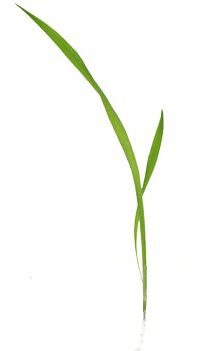
The World in a Blade of Grass: Case 4, Book of Serenity
A Reflection
James Myoun Ford, Osho
Boundless Way Zen West
Once upon a time the World Honored One was walking with gods and devas and humans, when he paused. He pointed to the ground and said, “this is a suitable site to build a temple.” The god Indra then plucked a blade of grass from nearby, and stuck it into the ground at the spot where the Buddha had pointed. Indra declared, “The temple is built!” The World Honored One smiled.
Book of Serenity, Case 4
This little anecdote is delicious addition to the koan literature, those short anecdotes, bits of poetry, and fantastiche that point to some aspect of the real and invite us into intimacy. The three great koan anthologies compiled in the twelfth and thirteenth centuries, the Gateless Gate, the Blue Cliff Record, and the Book of Serenity share a lot of duplication. However, this particular case only appears in Serenity.
The Book of Serenity, or Book of Equanimity, or Book of Composure, or, as the Zen teacher Dosho Port likes to render it the Record of Going Easy, was first compiled by the Caodong/Soto master Hongzhi Zhengjue sometime near the beginning of the twelfth century. Eihei Dogen, not one particularly generous with his complements for the masters of antiquity referred to Hongzhi as that “old Buddha.”
The edition we know was published by a master in Hongzhi’s lineage, Wansong Xingxiu. A generation after Hongzhi he took the compiled cases, added a preface, some notes, and extensive commentaries. At this point the only complete edition of the text in English is Thomas Cleary’s Book of Serenity.
While appreciated across the Zen world, this book becomes critical in the formation of Master Daiun Sogaku Harada’s reclamation of koan introspection within the Japanese Soto school. Together with those other two collections, the Gateless Gate and the Blue Cliff Record the Book of Serenity forms the heart of what some call the “Harada Yasutani” curriculum.
And, with this case, we get a sense of why this might be so.
If you’re interested in the secret teachings of Zen, here you go: form is emptiness, emptiness if form. If that isn’t clear, let me expand: form is exactly emptiness, emptiness is exactly form.
And, yes, it might be helpful to unpack those words form and emptiness just a little. Form is the world within which we all live and breath and have our lives and will face our deaths. It is a constant play of conditions interacting in multifaceted ways, where some circumstances flow together, and, oh, my, you are born.
Those circumstances and conditions continue on shaping who you are. And, at some point those circumstances and conditions will pull apart, or, enough of them, or a critical one, and, well, so will you. The “I” that arose out of those circumstances will disrupt and cease to be.
Now, of course, so will I. So will everyone and everything within this blessed world, and beyond. All things made of parts exist for their glorious moment, take that place on the great stage, and then the lights fall, the audience departs, and, so do the actors.
There is a divide within Buddhism whether that bundle of circumstances and conditions which result in an individual consciousness persists over lifetimes, or not. For our purposes here, whichever is correct, is not relevant to the fundamental matter. Particularly not within Zen which hold up the reality that we can achieve liberating insight right here, and in this very moment. The relevant point is that the we, the “I” which arises, arises epiphenomenally, out of those circumstances. And, will, in time, disburse. The bottom line is this. That sense of an abiding self is functional, but has no substance. We are real, but we are temporary.
However, there’s another reality. A reality just as true as the reality of separation, individuation, and passingness. It can be intuited logically. Taking a big enough view we can notice how we are all connected in that field, that play of causality. And we can move beyond inference, to a direct insight, a knowing, or, really, it is more an “unknowing.” It is a getting at the level of bones and marrow that in some very real sense all of this is one. There is one universe and we are all parts within the completeness. We are moments in a dynamic interdependent web that is existence.
And there is something more about this. Again, something that can be logically inferred, but which can also be experienced existentially. This web is infinite, and with that each moment within it can be said, and with more than a logical assertion, that moment can be said to be the center of all things.
Now, again, none of these things, in isolation, nor in their aggregate has anything special or ongoing about it. There is no soul in the sense of something occupying our bodies like a passenger in a bus. Nor is their some great over soul. No extra bits. But, within the fact of our essential emptiness, an emptiness that includes everyone and everything, there is a transformative encounter. What there is, is intimacy.
Here we move beyond ideas, or, inferences, and find ourselves invited into a great mystery. Here we find that map must be followed if we want truly to understand. And here there is a great turning. While there is no reason I can see that it need be this way, what we find as we encounter this emptiness is not sadness or despair. Rather we encounter peace, we find joy, we discover a sense of intimacy that while words fail, the encounter carries us right through death and beyond.
Zen’s little secret is that we can experience intimacy with that world of form and that world of emptiness. It isn’t one or the other. It isn’t our dirty flesh here and the heavens above. Rather it is a play of knowing and not knowing. Now this, now that. And, all of it more intimate than my words can even hint at. As the prophet Mohammed once said of God being closer to the individual than that person’s jugular vein. An intimation of the call of intimacy.
All of Zen’s little tricks of our trade are about helping us to find and to stand in those places where we encounter form as emptiness and emptiness as form. This invitation is into our deepest intimacy. We find it within our invitation to sit and be present. And we find it with each koan.
So we are given a koan, a direct pointing, and an invitation. The rest is up to us. Us, and the movement of grace. In this particular koan we’re given a bit of a fairy tale. Here Gautama Siddhartha is taking a walk. However instead of the figure of history, walking a hot and dusty road, probably sweating, and with companions that may not have had a bath in a while, we have the World Honored One, shimmering and light, accompanied by angels and by gods. Here one of the more important of those deities, Indra is his close companion.
In this fairy tale a moment is presented. The Buddha points to a spot and declares this is a propitious place to build a temple. He has no need of consulting astrologers or an authority on geomancy. He knows all, he sees all, and this is a perfect spot.
And, then like that proverbial box and its lid, the god Indra plucks a single blade of grass and sticks it into the ground. When Indra gathers the stalk of grass, Hongji calls it the “sixteen-foot body of the Buddha,” an old metaphor for all of existence. Here, form and emptiness indeed come together. No separation.
However it is no longer some abstract philosophical assertion. It is this bit of ground, and it is that stalk of grass. Just this. Just this. No separation. Just the intimate.
Zen and Buddhism don’t own this truth. Humans have the capacity to discover this whatever our condition. So, William Blake can declare:
To see a World in a Grain of Sand
And a Heaven in a Wild Flower,
Hold Infinity in the palm of your hand
And eternity in an hour.
Also this isn’t a matter of our earning it. Our invitation is into something beyond our earning or our being gifted. These words are only angles on something deeper. In this encounter as we get in in the Book of Serenity we have the fairy tale and the historical figure collapsed together. Perhaps this can help. Consider this story a pointer.
We have the god-like person who sees into the heart of the universe and is conversant with deities as well as humans. An outstretched hand that glows with a slightly unearthly beauty points to a spot of earth and declares, “This is a suitable site to build a temple.” And at the same time we have that person living and breathing, sweaty, and a little dirty, someone who feels the aches in his bones as he ages, and pangs of hunger as the day rounds out, and who eventually will grow ill and die. This person this Gautama Siddhartha with a perhaps slightly dirty finger points at a bit of soil and says, “Here we go. We can build a temple right here.”
We have a god responding with the grace of heaven, bending gently, sacred music hanging in the air, plucking a perfect slender stalk of grass and placing it in that holy soil. And, at the very same time, in exactly the same spot, some companion of Gautama’s, dirty, and sweaty, and possibly not very well educated, maybe by the standards of the world not even particularly bright, and, maybe even from the wrong class or country, but one who has opened his heart to wisdom, picks up a stalk of grass and sticks it into the ground. He looks to his teacher and declares, “It is built!”
Here heaven and earth meet. Here our dreams and our reality come together. Form. Empty. One thing. Our very lives the full and sufficient presentation. Here, where this no room for another thing. Full and complete.
With that the Buddha smiles.
Previous Post

July 29, 2017
Nebuchadnezzar II Takes Jerusalem & With That Sets a Magical Stage
Browse Our Archives
Select a Category A Christmas Carol Abolitionist African-American Ahmadiyya Alan Watts Aldous Huxley Allen Ginsberg Amedkar Jayanti American politics American Zen Anaheim Zen Sangha Anglican Annie Besant April Fool Armageddon Art and Religion artificial intellegence Atheist Awakening B R Ambedkar Barlaam & Josaphat Beatnik Between Bhagavad Gita Bible biography birthday bodhisattva Bodhisattva Precepts Book burning Book of Common Prayer Book of Mormon Brahmo Samaj Buddha Buddhism Buddhist Buddhist Lord's Prayer Butterflies Calendars cartoons cat ChatGPT Chicken Tortilla Soup choices Christian atheism Christian mysticism Christian origins Christian Science Christian Zen Christianity Christianity and Buddhism christmas Christmas Truce Christopher Isherwood Church of Later Day Saints Cinco de Mayo circus covenant critical thinking culture D. T. Suzuki Dalit Buddhism Daniel Defoe Desert Fathers and Mothers dharma talk Dogen Donald Trump Dongshan's Five Ranks Dorothy Day dream Duty Easter ecology Edwin Arnold emptiness Empty Moon Zen Network Episcopal Church Eternal Now Ethics evolution existentialism Faith fantasy Fathers Day film film review fire Five Ranks Folk music food Form and emptiness Four Seals Francis of Assisi Francis Xavier Free thinker friendship George MacDonald Gerald Heard Glenn Taylor Webb God Good Friday Gospel of Gospel of Mark Gospel of Thomas grace Graduate Theological Unioin Graduate Theological Union Guanyin H R Blyth Hakuin Ekaku Hanamatsuri Hanukkah Harada Yasutani Zen Heart Sutra Henry David Thoreau Hermann Hesse Hinduism History and Religion history of religion Holy Spirit home Hospitality Icon Ides of March Isaac Newton Islam Islamic mysticism Jack Kerouac James Luther Adams Jiddu Krishnamurti Joan of Arc Johannes Gutenberg John Donne joke Judaism justice karma kensho King James Bible koan Koun Yamada Kyoto School Lewis Carrol Liberal Christianity Liberal Religion Life Plan Community Liminal literature Literature and Religion Liturgy Lord's Prayer Love Mahatma Gandhi Mahayana Martin Luther King Jr Mary Baker Eddy Mary Magdelene Mary Oliver Mayflower Compact Meditation memories memory metaphor money money and religioin Mormons Mother's Day movie review mysticism mythic Neighborhood Unitarian Universalist Church New Thought Nichiren Buddhism Nonduality not knowing Omar Khayyam Pacific School of Religion pagan Palm Sunday Passover peace Pentecost perennialism Phantastes Philip Kapleau philosophy Pilgrimage poetry Poetry and Religion politics Prayer Precepts Printing Press prophecy prophetic spirituality psychology Pure Land Queer religion queering religion Quietism Ram Mohan Roy rebirth recipe Relationships and religion religion religion and history Religious syncretism Resistance Retirement Retreat review Rissho Kosei Kai Ritual Robert Aitken Roshi Robert Ingersoll Rohatsu Romani religion Rosie the Riveter saints samadhi SanboZen Sangha Satyagraha science science and reigion science and religion science fiction seminary sermon Sesshin Sex and Religion Shinran Sikh Sikh tradition silence Social Justice Socially Engaged Buddhism Society and religion Soto Zen soul spiritual community spiritual practice Spirituality Sufism Suicide superstition Taoism Television Teresa of Avila Thanksgiving theological schools Theosophy Thomas Merton Time Transcendentalism Transcendentalist Trinitarian Trinity Uncategorized unitarian Unitarian Christianity Unitarian Universalist Universalism Vajrayana Vedanta Walking war Willa Cather William Ellery Channing wisdom women and religion women in religion World Teacher Writing zazen Zen Zen Center Zen inspired retriement zen meditation Zen Precepts Zen women
Select a Month October 2026 September 2026 August 2026 July 2026 June 2026 May 2026 April 2026 March 2026 February 2026 January 2026 December 2025 November 2025 October 2025 September 2025 August 2025 July 2025 June 2025 May 2025 April 2025 March 2025 February 2025 January 2025 December 2024 November 2024 October 2024 September 2024 August 2024 July 2024 June 2024 May 2024 April 2024 March 2024 February 2024 January 2024 December 2023 November 2023 October 2023 September 2023 August 2023 July 2023 June 2023 May 2023 April 2023 March 2023 February 2023 January 2023 December 2022 November 2022 October 2022 September 2022 August 2022 July 2022 June 2022 May 2022 April 2022 March 2022 February 2022 January 2022 December 2021 November 2021 October 2021 September 2021 August 2021 July 2021 June 2021 May 2021 April 2021 March 2021 February 2021 January 2021 December 2020 November 2020 October 2020 September 2020 August 2020 July 2020 June 2020 May 2020 April 2020 March 2020 February 2020 January 2020 December 2019 November 2019 October 2019 September 2019 August 2019 July 2019 June 2019 May 2019 April 2019 March 2019 February 2019 January 2019 December 2018 November 2018 October 2018 September 2018 August 2018 July 2018 June 2018 May 2018 April 2018 March 2018 February 2018 January 2018 December 2017 November 2017 October 2017 September 2017 August 2017 July 2017 June 2017 May 2017 April 2017 March 2017 February 2017 January 2017 December 2016 November 2016 October 2016 September 2016 August 2016 July 2016 June 2016 May 2016 April 2016 March 2016 February 2016 January 2016 December 2015 November 2015 October 2015 September 2015 August 2015 July 2015 June 2015 May 2015 April 2015 March 2015 February 2015 January 2015 December 2014 November 2014 October 2014 September 2014 August 2014 July 2014 June 2014 May 2014 April 2014 March 2014 February 2014 January 2014 December 2013 November 2013 October 2013 September 2013 August 2013 July 2013 June 2013 May 2013 April 2013 March 2013 February 2013 January 2013 December 2012 November 2012 October 2012 September 2012 August 2012 July 2012 June 2012 May 2012 April 2012 March 2012 February 2012 January 2012 December 2011 November 2011 October 2011 September 2011 August 2011 July 2011 June 2011 May 2011 April 2011 March 2011 February 2011 January 2011 December 2010 November 2010 October 2010 September 2010 August 2010 July 2010 June 2010 May 2010 April 2010 March 2010 February 2010 January 2010 December 2009 November 2009 October 2009 September 2009 August 2009 July 2009 June 2009 May 2009 April 2009 March 2009 February 2009 January 2009 December 2008 November 2008 October 2008 September 2008 August 2008 July 2008 June 2008 May 2008 April 2008 March 2008 February 2008 January 2008 December 2007 November 2007 October 2007 September 2007 August 2007 July 2007 June 2007 May 2007 April 2007 March 2007 February 2007 January 2007 December 2006 November 2006 October 2006 September 2006
Follow Us!
TAKE THE
Religious Wisdom Quiz
True or False: According to Hebrews, faith is the substance of things hoped for and the evidence of things not seen.
Select your answer to see how you score.
FALSE TRUE
Related posts from Monkey Mind
Taking Refuge in the (Zen) Sangha
The Great Matter: Walking the Zen Way
Keizan Jokin: The Zen Master Ancestor You Don't...
What Zen Practice Actually Does With Anger
TRENDING AT PATHEOS Buddhist

Blue Christmas: Making Room for Grief at Church
A Blue Christmas service makes room for grief, remembrance, and hope. Explore...

We Can Trust That God Will Use Our...
A Jesus-loving young friend who is going through deep suffering sent me...

Everything is worship for Quakers. The Quakers emphasize contemplation, equality, pacifism and...

Happy Thanksgiving! I published this Thanksgiving column back in 2017 in...

More Than a Meal: A Messianic Thanksgiving
A Messianic Thanksgiving What if Thanksgiving became more than a meal to...

The Darkening of the Sun, Moon, and Stars
The darkening of the sun and moon and the falling of stars...
view all Buddhist blogs
Ad-Free & Subscriber Log-In Subscription Support
- About Us
- 2026 Calendar
- Videos
- Podcasts
- Library of World Religions
- Faith In Media Tracker
- Advertise With Us
- Write for Us
- Privacy Policy
- Terms of Service
- Do Not Sell My Data
- Contact Us
- Radiant Digital
- Manage Newsletter Subscriptions
- Unsubscribe From Notifications
- Sitemap
Copyright 2008-2026, Patheos, part of the Radiant Digital network of media brands. All rights reserved.
Subscription Support Ad-Free & Subscriber Log-In
Follow Patheos