
BuddhistCatholicContemplativeEvangelicalGeneral ChristianHinduJewishLatter-day SaintMuslimNew VisionsProgressive Christian
Beliefs
- Buddhist
- Catholic
- Contemplative
- Evangelical
- General Christian
- Hindu
- Jewish
- Latter-day Saint
- More Voices
- Muslim
- New Visions
- Pagan
- Progressive Christian
Topics
- Religion News
- Food and Religion
- Sports and Religion
- Religious Art
- Religious Music and Entertainment
- Religious Events
- History and Religion
- Style and Religion
- Politics and Religion
- Women in Religion
- Recreation Outdoors and Religion
- Business Finance and Religion
- Careers Workplace and Religion
- Education and Religion
- Family Parenting and Religion
- Health Fitness and Religion
- Home and Religion
- Relationships and Religion
- Technology and Religion
- Travel and Religion
Columnists
- Buddhist Columnists
- Business Finance and Religion Columnists
- Careers Workplace and Religion Columnists
- Catholic Columnists
- Contemplative Columnists
- Education and Religion Columnists
- Evangelists Columnists
- Family Parenting and Religion Columnists
- General Christian Columnists
- Health Fitness and Religion Columnists
- Hindu Columnists
- History and Religion Columnists
- Home and Religion Columnists
- Jewish Columnists
- More Voices Columnists
- Latter Day Columnists
- Muslim Columnists
- New Visions Columnists
- Nonreligious Columnists
- Pagan Columnists
- Politics and Religion Columnists
- Progressive Columnists
- Recreation Outdoors and Religion Columnists
- Relationships and Religion Columnists
- Religion News Columnists
- Religious Art Columnists
- Religious Events Columnists
- Religious Music and Entertainment Columnists
- Sports and Religion Columnists
- Style and Religion Columnists
- Technology and Religion Columnists
- Travel and Religion Columnists
- Women in Religion Columnists
Resource Library
- 2026 Calendar
- Library of World Religions
- The 100 Most Holy Places on Earth
- Patheos Answers
- Podcasts
- Videos
- Faith Leaders Database
- Anglican Episcopalian
- Bahai
- Baptist
- Buddhism
- Christianity
- Confucianism
- Eastern Orthodoxy
- Hinduism
- Holiness and Pentecostal
- ISKCON
- Islam
- Judaism
- Lutheran
- Methodist
- The Church of Jesus Christ of Latter-day Saints
- New Age
- Paganism
- Presbytarian and Reformed
- Protestantism
- Religion Behind the Scenes
- Roman Catholic
- Scientology
- Shia Islam
- Sikhism
- Sufism
- Sunni Islam
- Taoism
- Zen
- See all religions
Research Tools
 Ad-Free & Subscriber Log-In Subscription Support
Ad-Free & Subscriber Log-In Subscription Support
Follow Patheos 

- Trending:
- Forgiveness
- |
- Marriage
- |
- Consciousness
- |
- Death Penalty
- |
- Election
- |
- Halloween

- Home
- Buddhist
- Kensho, Samadhi, & the Practices of Zen
Kensho, Samadhi, & the Practices of Zen
Last updated on: January 14, 2017 at 7:16 am by James Ford
Kensho, Samadhi, & the Practices of Zen 2017-01-14T07:16:57-08:00 James Ford
Patheos Explore the world's faith through different perspectives on religion and spirituality! Patheos has the views of the prevalent religions and spiritualities of the world.
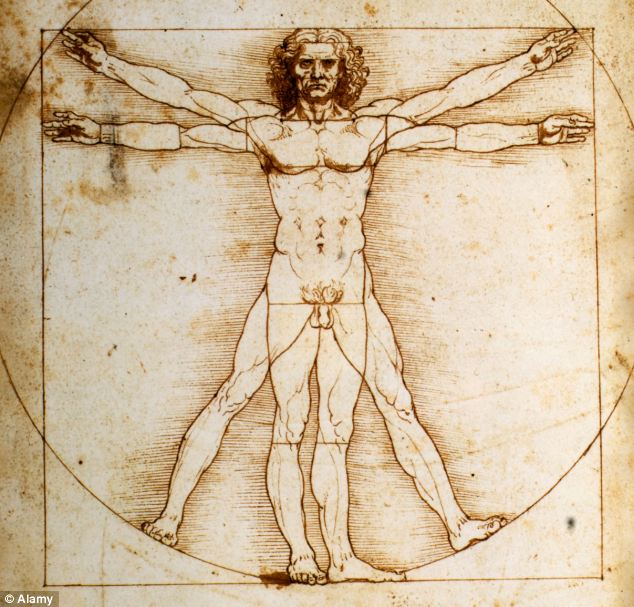
As Zen first came west, kensho, or satori, was the great prize. The Zen priest scholar Victor Sogen Hori tells us, “The term consists of two characters: ken, which means “see” or “seeing”, and sho, which means “nature”, “character”, “quality.” To “see one’s nature” is the usual translation for kensho.” Satori, which derives from the Japanese verb satoru, is for all practical purposes a synonym for kensho, although some suggest kensho be used for the initial insight, and satori for the deeper matured insight. However it seems Hakuin used the terms interchangeably, and as I said, for all practical purposes in contemporary Western Zen use, synonyms for the experience of awakening.
The first comprehensive writer on Zen in English was the lay Rinzai practitioner and scholar D. T. Suzuki. He gave a lot of attention to awakening, kensho, satori. For instance, he wrote, “Without the attainment of Satori no one can enter into the truth of Zen. Satori is the sudden flashing into consciousness of a new truth hitherto undreamed of. It is a sort of mental catastrophe taking place all at once, after much piling up of matters intellectual and demonstrative. The piling has reached a limit of stability and the whole edifice has come tumbling to the ground, when, behold, a new heaven is open to full survey. When the freezing point is reached, water suddenly turns into ice; the liquid has suddenly turned into a solid body and no more flows freely. Satori comes upon a man unawares, when he feels that he has exhausted his whole being. Religiously, it is a new birth; intellectually, it is the acquiring of a new viewpoint. The world now appears as if dressed in a new garment, which seems to cover up all the unsightliness of dualism, which is called delusion in Buddhist phraseology.”
Truthfully, I think Suzuki’s attention to awakening was a large part of what attracted the first generation of Westerners to give serious attention to Zen. It certainly was important, at least in the Rinzai school of Zen. For instance, the great Eighteenth century master Hakuin Ekaku was blunt about just how important. “If you don’t have the eye of kensho, it is impossible for you to use a single drop of the Buddha’s wisdom. These men are heading straight for the realms of hell. That is why I say: if upon becoming a Buddhist monk you do not penetrate the Buddha’s truth, you should turn in your black robe, give back all the donations you have received, and revert to being a layman.”
And this quickly became part of the Zen view in the West. After D T Suzuki, the next most important moment holding up the centrality of kensho was the publication of The Three Pillars of Zen, compiled by Philip Kapleau, later Roshi Kapleau, consisting of two major parts, the first principally lectures on Zen practice by the Sanbo Kyodan teacher Hakuun Yasutani Roshi, and the second part personal accounts of contemporary kensho experiences. I remember reading this book and particularly savoring the last parts over and over again. I wasn’t alone. Gregory Shepherd in his memoir A Straight Road with 99 Curves described how “I would finish and then immediately start over again from page one, feverishly inspired by its rhapsodizing accounts of contemporary kensho (enlightenment) experiences…”
And as it happens there are a lot problems chasing after kensho, of confusing small and large insights, and with all this missing a most important point. As did many of us. We at the beginning of Zen’s rooting in the west didn’t understand how kensho, satori, awakening, these nondual insights were critical, but they were also, merely a critical step along a very long path.
As naturally as evening follows the afternoon, there was a reaction. Among Zen teachers an important early figure in this reaction was Joko Beck, who trained in a koan school with emphasis on awakening. But she also saw the shadows, particularly how one could have these insights and still act inappropriately. As she became an independent teacher she famously would characterize people’s reports of kenshos, as “small intimations.”
But, this minimizing of kensho was also the general stance within the Soto line. Huston Smith tells of visiting the renowned Shunryu Suzuki Roshi, how, “When, four months before his death, I had the opportunity to ask him why satori didn’t figure in his book, his wife leaned toward me and whispered impishly, ‘It’s because he hasn’t had it’; whereupon the Roshi batted his fan at her in mock consternation and with finger to his lips hissed, ‘Shhhh! Don’t tell him!’ When our laughter had subsided, he said simply, ‘It’s not that satori is unimportant, but it’s not the part of Zen that needs to be stressed.’”
Others practicing within the Soto school would go much farther, denying the experience, or if not the experience, its centrality to the Zen project. They tended to turn to something else.
And that brings us to samadhi. Samadhi is a term of art used with somewhat different meanings in, I think, all the religions that birthed in India. Samadhi is the deep place of Zen and similar meditations of profound presence, where the breath and mind both slow, sometimes thoughts are barely noticeable. For many Soto teachers this is the summum bonum of the way. And many Rinzai teachers consider samadhi states the seedbed for awakening. No doubt there is something very attractive to the deep places one finds with samadhi states.
There is as Gregory suggests, “narcotic-like effect that deep Samadhi had on my spirit…” And, with that a significant shadow of the practice emerges, how “the more my samadhi deepened… the more removed I felt from the world off my zafu, and I began to begrudge the time I had to spend doing almost anything else.”
I’ve seen people take to the pillow as an escape from life. So, like with awakening, it can become a problem. Yamada Roshi offered insight into the particular problems with samadhi, when, as Gregory records, the master raised the question, “Why do Zen people get so attached to Samadhi?” And then he answered himself, “Because it feels so good. You don’t have a care or worry in the world.” Gregory then paraphrases the old teacher, “He went on to caution against forming an attachment to even this most unanimous condition of the heart and soul, ending the teisho with his usual theme, ‘Zen is the practice of the ordinary mind.’”
Zen is the practice of the ordinary mind. We take up the practice and we begin something both strange and mysteriously familiar, a path through the divided heart, with all the illusions and snares we set out for ourselves along the way.
So, as sort of a bottom line. Here’s a central fact, as I see it, about Zen, that for some, seems to have been lost. We need awakening. Zen without kensho, satori, is a lovely philosophy, but we need to drink the water and taste for ourselves whether it is cool or warm. And, kensho is just a step on a very long path. Similarly, samadhi is a lovely thing. And, not the point of Zen, either.
Zen is the practice of the ordinary mind, or, as I sometimes prefer, the ordinary heart. The Zen way is, is walking that path of a full life, which includes time on the pillow, even as it includes dealing with the whole great mess, loving our families, finding, if we’re lucky, love, working, and, very much, acting in this world. And, in astonishing moments, sometimes small, sometimes great, noticing right down to our bones and marrow the truth of the moment.
And then starting over again, time on the pillow, even as it includes dealing with the whole great mess, loving our families, finding, if we’re lucky, love, working, and, very much, acting in this world.
And then, again…
Just this.
Zen teachers Myozen Melissa Blacker & David DeAn Rynick introduce Zen.
Zen teacher Ruben Habito digs in some more.
Zen teacher Josh Bartok reflects broadly.
And, as a small bonus…
Next Post

January 14, 2017 Recalling John Biddle, Unitarian Saint and Martyr
Browse Our Archives
Select a Category A Christmas Carol Abolitionist African-American Ahmadiyya Alan Watts Aldous Huxley Allen Ginsberg Amedkar Jayanti American politics American Zen Anaheim Zen Sangha Anglican Annie Besant April Fool Armageddon Art and Religion artificial intellegence Atheist Awakening B R Ambedkar Barlaam & Josaphat Beatnik Between Bhagavad Gita Bible biography birthday bodhisattva Bodhisattva Precepts Book burning Book of Common Prayer Book of Mormon Brahmo Samaj Buddha Buddhism Buddhist Buddhist Lord's Prayer Butterflies Calendars cartoons cat ChatGPT Chicken Tortilla Soup choices Christian atheism Christian mysticism Christian origins Christian Science Christian Zen Christianity Christianity and Buddhism christmas Christmas Truce Christopher Isherwood Church of Later Day Saints Cinco de Mayo circus covenant critical thinking culture D. T. Suzuki Dalit Buddhism Daniel Defoe Desert Fathers and Mothers dharma talk Dogen Donald Trump Dongshan's Five Ranks Dorothy Day dream Duty Easter ecology Edwin Arnold emptiness Empty Moon Zen Network Episcopal Church Eternal Now Ethics evolution existentialism Faith fantasy Fathers Day film film review fire Five Ranks Folk music food Form and emptiness Four Seals Francis of Assisi Francis Xavier Free thinker friendship George MacDonald Gerald Heard Glenn Taylor Webb God Good Friday Gospel of Gospel of Mark Gospel of Thomas grace Graduate Theological Unioin Graduate Theological Union Guanyin H R Blyth Hakuin Ekaku Hanamatsuri Hanukkah Harada Yasutani Zen Heart Sutra Henry David Thoreau Hermann Hesse Hinduism History and Religion history of religion Holy Spirit home Hospitality Icon Ides of March Isaac Newton Islam Islamic mysticism Jack Kerouac James Luther Adams Jiddu Krishnamurti Joan of Arc Johannes Gutenberg John Donne joke Judaism justice karma kensho King James Bible koan Koun Yamada Kyoto School Lewis Carrol Liberal Christianity Liberal Religion Life Plan Community Liminal literature Literature and Religion Liturgy Lord's Prayer Love Mahatma Gandhi Mahayana Martin Luther King Jr Mary Baker Eddy Mary Magdelene Mary Oliver Mayflower Compact Meditation memories memory metaphor money money and religioin Mormons Mother's Day movie review mysticism mythic Neighborhood Unitarian Universalist Church New Thought Nichiren Buddhism Nonduality not knowing Omar Khayyam Pacific School of Religion pagan Palm Sunday Passover peace Pentecost perennialism Phantastes Philip Kapleau philosophy Pilgrimage poetry Poetry and Religion politics Prayer Precepts Printing Press prophecy prophetic spirituality psychology Pure Land Queer religion queering religion Quietism Ram Mohan Roy rebirth recipe Relationships and religion religion religion and history Religious syncretism Resistance Retirement Retreat review Rissho Kosei Kai Ritual Robert Aitken Roshi Robert Ingersoll Rohatsu Romani religion Rosie the Riveter saints samadhi SanboZen Sangha Satyagraha science science and reigion science and religion science fiction seminary sermon Sesshin Sex and Religion Shinran Sikh Sikh tradition silence Social Justice Socially Engaged Buddhism Society and religion Soto Zen soul spiritual community spiritual practice Spirituality Sufism Suicide superstition Taoism Television Teresa of Avila Thanksgiving theological schools Theosophy Thomas Merton Time Transcendentalism Transcendentalist Trinitarian Trinity Uncategorized unitarian Unitarian Christianity Unitarian Universalist Universalism Vajrayana Vedanta Walking war Willa Cather William Ellery Channing wisdom women and religion women in religion World Teacher Writing zazen Zen Zen Center Zen inspired retriement zen meditation Zen Precepts Zen women
Select a Month September 2026 August 2026 July 2026 June 2026 May 2026 April 2026 March 2026 February 2026 January 2026 December 2025 November 2025 October 2025 September 2025 August 2025 July 2025 June 2025 May 2025 April 2025 March 2025 February 2025 January 2025 December 2024 November 2024 October 2024 September 2024 August 2024 July 2024 June 2024 May 2024 April 2024 March 2024 February 2024 January 2024 December 2023 November 2023 October 2023 September 2023 August 2023 July 2023 June 2023 May 2023 April 2023 March 2023 February 2023 January 2023 December 2022 November 2022 October 2022 September 2022 August 2022 July 2022 June 2022 May 2022 April 2022 March 2022 February 2022 January 2022 December 2021 November 2021 October 2021 September 2021 August 2021 July 2021 June 2021 May 2021 April 2021 March 2021 February 2021 January 2021 December 2020 November 2020 October 2020 September 2020 August 2020 July 2020 June 2020 May 2020 April 2020 March 2020 February 2020 January 2020 December 2019 November 2019 October 2019 September 2019 August 2019 July 2019 June 2019 May 2019 April 2019 March 2019 February 2019 January 2019 December 2018 November 2018 October 2018 September 2018 August 2018 July 2018 June 2018 May 2018 April 2018 March 2018 February 2018 January 2018 December 2017 November 2017 October 2017 September 2017 August 2017 July 2017 June 2017 May 2017 April 2017 March 2017 February 2017 January 2017 December 2016 November 2016 October 2016 September 2016 August 2016 July 2016 June 2016 May 2016 April 2016 March 2016 February 2016 January 2016 December 2015 November 2015 October 2015 September 2015 August 2015 July 2015 June 2015 May 2015 April 2015 March 2015 February 2015 January 2015 December 2014 November 2014 October 2014 September 2014 August 2014 July 2014 June 2014 May 2014 April 2014 March 2014 February 2014 January 2014 December 2013 November 2013 October 2013 September 2013 August 2013 July 2013 June 2013 May 2013 April 2013 March 2013 February 2013 January 2013 December 2012 November 2012 October 2012 September 2012 August 2012 July 2012 June 2012 May 2012 April 2012 March 2012 February 2012 January 2012 December 2011 November 2011 October 2011 September 2011 August 2011 July 2011 June 2011 May 2011 April 2011 March 2011 February 2011 January 2011 December 2010 November 2010 October 2010 September 2010 August 2010 July 2010 June 2010 May 2010 April 2010 March 2010 February 2010 January 2010 December 2009 November 2009 October 2009 September 2009 August 2009 July 2009 June 2009 May 2009 April 2009 March 2009 February 2009 January 2009 December 2008 November 2008 October 2008 September 2008 August 2008 July 2008 June 2008 May 2008 April 2008 March 2008 February 2008 January 2008 December 2007 November 2007 October 2007 September 2007 August 2007 July 2007 June 2007 May 2007 April 2007 March 2007 February 2007 January 2007 December 2006 November 2006 October 2006 September 2006
Follow Us!
TAKE THE
Religious Wisdom Quiz
What city was Paul heading to when he encountered Jesus?
Select your answer to see how you score.
Antioch Jerusalem Rome Damascus
Related posts from Monkey Mind

Keizan Jokin: The Zen Master Ancestor You Don't...

What Zen Practice Actually Does With Anger

Nanquan Cuts the Cat: A Jesuit commentary on...

On Taking Refuge in the Dharma
TRENDING AT PATHEOS Buddhist

The First Eucharistic Controversy: Christ’s Real Presence
For Catholics, the Eucharist is the source and summit of the Christian...

What a Stop Sign Can Teach Us About...
How to Make a Decision When You Can't Hear God Main point:...

Archdiocese Hosts Military Marriage Retreat in Germany
RASTATT, Germany — The transient military lifestyle, with its frequent deployments and...

Nearly every morning, I make the drive to Detroit with my high-school-age...

The Real AI Story Is Adoption Without Trust
Artificial intelligence has crossed a political threshold. It is no longer a...

A new article, written by Jeff Lindsay and Gale L. Pooley,...
view all Buddhist blogs
Ad-Free & Subscriber Log-In Subscription Support
- About Us
- 2026 Calendar
- Videos
- Podcasts
- Library of World Religions
- Faith In Media Tracker
- Advertise With Us
- Write for Us
- Privacy Policy
- Terms of Service
- Do Not Sell My Data
- Contact Us
- Radiant Digital
- Manage Newsletter Subscriptions
- Unsubscribe From Notifications
- Sitemap
Copyright 2008-2026, Patheos. All rights reserved.
Subscription Support Ad-Free & Subscriber Log-In
Follow Patheos