
BuddhistCatholicContemplativeEvangelicalGeneral ChristianHinduJewishLatter-day SaintMuslimNew VisionsProgressive Christian
Beliefs
- Buddhist
- Catholic
- Contemplative
- Evangelical
- General Christian
- Hindu
- Jewish
- Latter-day Saint
- More Voices
- Muslim
- New Visions
- Pagan
- Progressive Christian
Topics
- Religion News
- Food and Religion
- Sports and Religion
- Religious Art
- Religious Music and Entertainment
- Religious Events
- History and Religion
- Style and Religion
- Politics and Religion
- Women in Religion
- Recreation Outdoors and Religion
- Business Finance and Religion
- Careers Workplace and Religion
- Education and Religion
- Family Parenting and Religion
- Health Fitness and Religion
- Home and Religion
- Relationships and Religion
- Technology and Religion
- Travel and Religion
Columnists
- Buddhist Columnists
- Business Finance and Religion Columnists
- Careers Workplace and Religion Columnists
- Catholic Columnists
- Contemplative Columnists
- Education and Religion Columnists
- Evangelists Columnists
- Family Parenting and Religion Columnists
- General Christian Columnists
- Health Fitness and Religion Columnists
- Hindu Columnists
- History and Religion Columnists
- Home and Religion Columnists
- Jewish Columnists
- More Voices Columnists
- Latter Day Columnists
- Muslim Columnists
- New Visions Columnists
- Nonreligious Columnists
- Pagan Columnists
- Politics and Religion Columnists
- Progressive Columnists
- Recreation Outdoors and Religion Columnists
- Relationships and Religion Columnists
- Religion News Columnists
- Religious Art Columnists
- Religious Events Columnists
- Religious Music and Entertainment Columnists
- Sports and Religion Columnists
- Style and Religion Columnists
- Technology and Religion Columnists
- Travel and Religion Columnists
- Women in Religion Columnists
Resource Library
- 2026 Calendar
- Library of World Religions
- The 100 Most Holy Places on Earth
- Patheos Answers
- Podcasts
- Videos
- Faith Leaders Database
- Anglican Episcopalian
- Bahai
- Baptist
- Buddhism
- Christianity
- Confucianism
- Eastern Orthodoxy
- Hinduism
- Holiness and Pentecostal
- ISKCON
- Islam
- Judaism
- Lutheran
- Methodist
- The Church of Jesus Christ of Latter-day Saints
- New Age
- Paganism
- Presbytarian and Reformed
- Protestantism
- Religion Behind the Scenes
- Roman Catholic
- Scientology
- Shia Islam
- Sikhism
- Sufism
- Sunni Islam
- Taoism
- Zen
- See all religions
Research Tools
 Ad-Free & Subscriber Log-In Subscription Support
Ad-Free & Subscriber Log-In Subscription Support
Follow Patheos 

- Trending:
- Forgiveness
- |
- Marriage
- |
- Consciousness
- |
- Death Penalty
- |
- Election
- |
- Halloween

- Home
- Buddhist
- Two Errors on the Zen Way
Two Errors on the Zen Way
Last updated on: December 11, 2016 at 9:56 am by James Ford
Two Errors on the Zen Way 2016-12-11T09:56:33-08:00 James Ford
Patheos Explore the world's faith through different perspectives on religion and spirituality! Patheos has the views of the prevalent religions and spiritualities of the world.
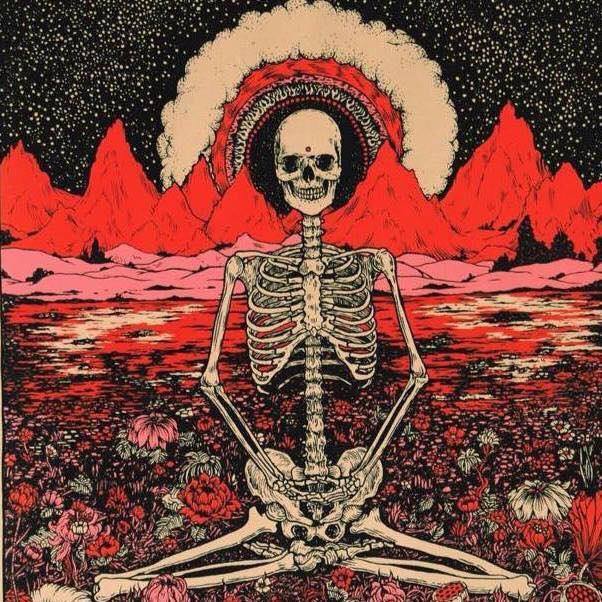
Form is emptiness,
emptiness is form.
Form is exactly emptiness,
emptiness is exactly form.
Heart Sutra
I was talking with a friend about some of the pitfalls on the Zen way. And I thought perhaps some of what we discussed could be of use for others who also walk this way. Our conversation turned on two issues, closely related. One issue is the samadhi junkie. The other turns on several misunderstandings about sunyata, at least as what it means in Zen.
Samadhi is a term for various states of deep silence. Those who travel the path of exploring the mind deeply learn that the only way to achieve absolute quiescence is to be dead, the brain is in constant motion, and therefore thoughts will rise. At the same time there are deep silences, where the noise falls to a level that if one isn’t paying close attention, looks and feels mighty close to all sense of distinction falling away into the deep sea.
And, it feels good. In Zen those who romance the experience and chase after it are called samadhi junkies. Did I mention it feels good? Those who embrace the cloister and have rigorous meditation schedules encounter the seductive qualities of deep silence with some regularity. Those who live outside the cloister generally have these experiences in retreat.
Some Zen teachers will go so far as to say one cannot experience awakening without samadhi. Others resist going quite that far but will still insist that samadhi is the seedbed and without it waking to who we are is extremely difficult. I am sympathetic to these views, particularly the seedbed argument. But.
While I find samadhi states lovely things, important things, they are nonetheless things. Samadhi states are states. They are not the leap beyond self and other. At best, and often this is true: they provide a taste of the leap beyond other, they can indeed be the seedbed. Good, important, sometimes critical, but not the summun bonum. And critically to that last note, over the years I’ve noticed how people are often seduced into thinking samadhi states are awakening. And sadly I sure seem to hear Zen teachers preach this misunderstanding of what oneness is a little too often for the good of those trying to sort out the way.
So, sit. Find the deep silence. And don’t romance it.
Which brings us to the misunderstanding of sunyata. Now “misunderstanding” is inevitable, once a word is spoken, we’ve stepped away. As it happens there are all sorts of sunyatas being pitched. Me, I’m only interested in Zen’s sunyata. And Zen’s sunyata is identical with the world of differentiation. Now the world just is. All this distinction and joining takes place in the human mind.
The human mind is a lovely thing. And dangerous as a viper. Our ability to divide the universe gives us power. Lots of power. To slice and dice and to look at things from different angles is amazing. In the Hebrew scriptures we are told the ancient story that when people ate of the fruit of the knowledge of good and evil, that is when they could divide the universe, they became as gods. True enough. Actually, just plain true.
The universe divides and plays out in a great wave of relationships. Seeing this and how it happens, or at least getting good approximations, gives us godlike powers. The problem lies in “reificiation,” our inclination to take a moment and to try and make it permanent. This is the clinging that the Buddha, or at least Zen’s Buddha, warned us against. We try to hold on to that which is in motion, and only hurt follows. So, we learn the arts of opening up.
Among the mistakes along this way is rejecting the world, which is just another shutting down. This is one aspect of the path of pernicious oneness. (There are several. Another is confusing the ego with the cosmos. But that’s for another time…) This pernicious oneness is a rejecting the reality of differentiation in favor of the reality of oneness.
This, however, is the deal: there is no oneness separate from differentiation. It is just another differentiation, although, again, a useful one. At least as providing a glimpse of that bigger. And that glimpse has associated states, samadhi. And it feels good. And it lures one into deeper and deeper states. Tasty. Lovely. Inviting. But all states, just states. And therefore subject to shifting and changing. And to those who cling to them, just one more deadend…
The koan about stepping away from the top of the hundred foot pole isn’t about stepping away from our sense of separation into emptiness, rather it is about stepping away from our sense of emptiness. One more step. There is always one more step. It is the real invitation of Zen, to complete freedom. A freedom that is like a poem, haiku or sonnet. It is found within a specific structure. That structure is you. It is me. You in all your glorious messiness. Me, clinging and crying and hating and fighting and loving and singing and dancing. All of it from bedroom to kitchen to toilet. All of it.
So, proceed. Throw yourself on the pillow. Throw yourself into the moment. Pay attention. Love. But, never squeeze the life out of any one thing. An artless term for the art is holding with open hands. Never rejecting any one thing. And. Always, always opening hand and heart. Always opening the hand of thought. Always, returning to the beginning.
So, is this a call to reject samadhi states? No. Is this a call to reject the experiences, the flashes of insight into sunyata? No.
This is a call to open ourselves up. And never to stop. To discover for ourselves what sages across time and culture have all proclaimed in many different languages, to find the auguries of innocence, as our western sage, William Blake sang it.
To see a World in a Grain of Sand
And a Heaven in a Wild Flower
Hold Infinity in the palm of your hand
And Eternity in an hour.
Do this and you will be walking the way of Zen…
Previous Post

December 10, 2016
My Teacher: Thomas Merton
Next Post
December 12, 2016 Manchester by the Sea: Sad, Beautiful, Recommended
Browse Our Archives
Select a Category A Christmas Carol Abolitionist African-American Ahmadiyya Alan Watts Aldous Huxley Allen Ginsberg Amedkar Jayanti American politics American Zen Anaheim Zen Sangha Anglican Annie Besant April Fool Armageddon Art and Religion artificial intellegence Atheist Awakening B R Ambedkar Barlaam & Josaphat Beatnik Between Bhagavad Gita Bible biography birthday bodhisattva Bodhisattva Precepts Book burning Book of Common Prayer Book of Mormon Brahmo Samaj Buddha Buddhism Buddhist Buddhist Lord's Prayer Butterflies Calendars cartoons cat ChatGPT Chicken Tortilla Soup choices Christian atheism Christian mysticism Christian origins Christian Science Christian Zen Christianity Christianity and Buddhism christmas Christmas Truce Christopher Isherwood Church of Later Day Saints Cinco de Mayo circus covenant critical thinking culture D. T. Suzuki Dalit Buddhism Daniel Defoe Desert Fathers and Mothers dharma talk Dogen Donald Trump Dongshan's Five Ranks Dorothy Day dream Duty Easter ecology Edwin Arnold emptiness Empty Moon Zen Network Episcopal Church Eternal Now Ethics evolution existentialism Faith fantasy Fathers Day film film review fire Five Ranks Folk music food Form and emptiness Four Seals Francis of Assisi Francis Xavier Free thinker friendship George MacDonald Gerald Heard Glenn Taylor Webb God Good Friday Gospel of Gospel of Mark Gospel of Thomas grace Graduate Theological Unioin Graduate Theological Union Guanyin H R Blyth Hakuin Ekaku Hanamatsuri Hanukkah Harada Yasutani Zen Heart Sutra Henry David Thoreau Hermann Hesse Hinduism History and Religion history of religion Holy Spirit home Hospitality Icon Ides of March Isaac Newton Islam Islamic mysticism Jack Kerouac James Luther Adams Jiddu Krishnamurti Joan of Arc Johannes Gutenberg John Donne joke Judaism justice karma kensho King James Bible koan Koun Yamada Kyoto School Lewis Carrol Liberal Christianity Liberal Religion Life Plan Community Liminal literature Literature and Religion Liturgy Lord's Prayer Love Mahatma Gandhi Mahayana Martin Luther King Jr Mary Baker Eddy Mary Magdelene Mary Oliver Mayflower Compact Meditation memories memory metaphor money money and religioin Mormons Mother's Day movie review mysticism mythic Neighborhood Unitarian Universalist Church New Thought Nichiren Buddhism Nonduality not knowing Omar Khayyam Pacific School of Religion pagan Palm Sunday Passover peace Pentecost perennialism Phantastes Philip Kapleau philosophy Pilgrimage poetry Poetry and Religion politics Prayer Precepts Printing Press prophecy prophetic spirituality psychology Pure Land Queer religion queering religion Quietism Ram Mohan Roy rebirth recipe Relationships and religion religion religion and history Religious syncretism Resistance Retirement Retreat review Rissho Kosei Kai Ritual Robert Aitken Roshi Robert Ingersoll Rohatsu Romani religion Rosie the Riveter saints samadhi SanboZen Sangha Satyagraha science science and reigion science and religion science fiction seminary sermon Sesshin Sex and Religion Shinran Sikh Sikh tradition silence Social Justice Socially Engaged Buddhism Society and religion Soto Zen soul spiritual community spiritual practice Spirituality Sufism Suicide superstition Taoism Television Teresa of Avila Thanksgiving theological schools Theosophy Thomas Merton Time Transcendentalism Transcendentalist Trinitarian Trinity Uncategorized unitarian Unitarian Christianity Unitarian Universalist Universalism Vajrayana Vedanta Walking war Willa Cather William Ellery Channing wisdom women and religion women in religion World Teacher Writing zazen Zen Zen Center Zen inspired retriement zen meditation Zen Precepts Zen women
Select a Month September 2026 August 2026 July 2026 June 2026 May 2026 April 2026 March 2026 February 2026 January 2026 December 2025 November 2025 October 2025 September 2025 August 2025 July 2025 June 2025 May 2025 April 2025 March 2025 February 2025 January 2025 December 2024 November 2024 October 2024 September 2024 August 2024 July 2024 June 2024 May 2024 April 2024 March 2024 February 2024 January 2024 December 2023 November 2023 October 2023 September 2023 August 2023 July 2023 June 2023 May 2023 April 2023 March 2023 February 2023 January 2023 December 2022 November 2022 October 2022 September 2022 August 2022 July 2022 June 2022 May 2022 April 2022 March 2022 February 2022 January 2022 December 2021 November 2021 October 2021 September 2021 August 2021 July 2021 June 2021 May 2021 April 2021 March 2021 February 2021 January 2021 December 2020 November 2020 October 2020 September 2020 August 2020 July 2020 June 2020 May 2020 April 2020 March 2020 February 2020 January 2020 December 2019 November 2019 October 2019 September 2019 August 2019 July 2019 June 2019 May 2019 April 2019 March 2019 February 2019 January 2019 December 2018 November 2018 October 2018 September 2018 August 2018 July 2018 June 2018 May 2018 April 2018 March 2018 February 2018 January 2018 December 2017 November 2017 October 2017 September 2017 August 2017 July 2017 June 2017 May 2017 April 2017 March 2017 February 2017 January 2017 December 2016 November 2016 October 2016 September 2016 August 2016 July 2016 June 2016 May 2016 April 2016 March 2016 February 2016 January 2016 December 2015 November 2015 October 2015 September 2015 August 2015 July 2015 June 2015 May 2015 April 2015 March 2015 February 2015 January 2015 December 2014 November 2014 October 2014 September 2014 August 2014 July 2014 June 2014 May 2014 April 2014 March 2014 February 2014 January 2014 December 2013 November 2013 October 2013 September 2013 August 2013 July 2013 June 2013 May 2013 April 2013 March 2013 February 2013 January 2013 December 2012 November 2012 October 2012 September 2012 August 2012 July 2012 June 2012 May 2012 April 2012 March 2012 February 2012 January 2012 December 2011 November 2011 October 2011 September 2011 August 2011 July 2011 June 2011 May 2011 April 2011 March 2011 February 2011 January 2011 December 2010 November 2010 October 2010 September 2010 August 2010 July 2010 June 2010 May 2010 April 2010 March 2010 February 2010 January 2010 December 2009 November 2009 October 2009 September 2009 August 2009 July 2009 June 2009 May 2009 April 2009 March 2009 February 2009 January 2009 December 2008 November 2008 October 2008 September 2008 August 2008 July 2008 June 2008 May 2008 April 2008 March 2008 February 2008 January 2008 December 2007 November 2007 October 2007 September 2007 August 2007 July 2007 June 2007 May 2007 April 2007 March 2007 February 2007 January 2007 December 2006 November 2006 October 2006 September 2006
Follow Us!
TAKE THE
Religious Wisdom Quiz
Which church tradition celebrates the Feast of Epiphany as "Three Kings' Day"?
Select your answer to see how you score.
Quakerism Eastern Christianity Western Christianity Baptist
Related posts from Monkey Mind


A Zen Buddhist Response to this Moment


The Suchness of Crows: The Zen teachings of...
TRENDING AT PATHEOS Buddhist

When Halloween Unmasks Married Hearts
Written by Dr. David K. Ewen from Eternal Truth Bible College Behind...

Aristotle. He’s been called the father of logic, the father of the...

Methodist Central Hall and Westminster Abbey
Situated on the same square is Methodist Central Hall and Westminster Abbey. ...

57th Dove Awards Honor Dolly Parton, Crown New...
On gospel music’s biggest night, the 57th annual GMA Dove Awards honored...

The First Eucharistic Controversy: Christ’s Real Presence
For Catholics, the Eucharist is the source and summit of the Christian...

What a Stop Sign Can Teach Us About...
How to Make a Decision When You Can't Hear God Main point:...
view all Buddhist blogs
Ad-Free & Subscriber Log-In Subscription Support
- About Us
- 2026 Calendar
- Videos
- Podcasts
- Library of World Religions
- Faith In Media Tracker
- Advertise With Us
- Write for Us
- Privacy Policy
- Terms of Service
- Do Not Sell My Data
- Contact Us
- Radiant Digital
- Manage Newsletter Subscriptions
- Unsubscribe From Notifications
- Sitemap
Copyright 2008-2026, Patheos. All rights reserved.
Subscription Support Ad-Free & Subscriber Log-In
Follow Patheos