
BuddhistCatholicContemplativeEvangelicalGeneral ChristianHinduJewishLatter-day SaintMuslimNew VisionsProgressive Christian
Beliefs
- Buddhist
- Catholic
- Contemplative
- Evangelical
- General Christian
- Hindu
- Jewish
- Latter-day Saint
- More Voices
- Muslim
- New Visions
- Pagan
- Progressive Christian
Topics
- Religion News
- Food and Religion
- Sports and Religion
- Religious Art
- Religious Music and Entertainment
- Religious Events
- History and Religion
- Style and Religion
- Politics and Religion
- Women in Religion
- Recreation Outdoors and Religion
- Business Finance and Religion
- Careers Workplace and Religion
- Education and Religion
- Family Parenting and Religion
- Health Fitness and Religion
- Home and Religion
- Relationships and Religion
- Technology and Religion
- Travel and Religion
Columnists
- Buddhist Columnists
- Business Finance and Religion Columnists
- Careers Workplace and Religion Columnists
- Catholic Columnists
- Contemplative Columnists
- Education and Religion Columnists
- Evangelists Columnists
- Family Parenting and Religion Columnists
- General Christian Columnists
- Health Fitness and Religion Columnists
- Hindu Columnists
- History and Religion Columnists
- Home and Religion Columnists
- Jewish Columnists
- More Voices Columnists
- Latter Day Columnists
- Muslim Columnists
- New Visions Columnists
- Nonreligious Columnists
- Pagan Columnists
- Politics and Religion Columnists
- Progressive Columnists
- Recreation Outdoors and Religion Columnists
- Relationships and Religion Columnists
- Religion News Columnists
- Religious Art Columnists
- Religious Events Columnists
- Religious Music and Entertainment Columnists
- Sports and Religion Columnists
- Style and Religion Columnists
- Technology and Religion Columnists
- Travel and Religion Columnists
- Women in Religion Columnists
Resource Library
- 2026 Calendar
- Library of World Religions
- The 100 Most Holy Places on Earth
- Patheos Answers
- Podcasts
- Videos
- Faith Leaders Database
- Anglican Episcopalian
- Bahai
- Baptist
- Buddhism
- Christianity
- Confucianism
- Eastern Orthodoxy
- Hinduism
- Holiness and Pentecostal
- ISKCON
- Islam
- Judaism
- Lutheran
- Methodist
- The Church of Jesus Christ of Latter-day Saints
- New Age
- Paganism
- Presbytarian and Reformed
- Protestantism
- Religion Behind the Scenes
- Roman Catholic
- Scientology
- Shia Islam
- Sikhism
- Sufism
- Sunni Islam
- Taoism
- Zen
- See all religions
Research Tools
 Ad-Free & Subscriber Log-In Subscription Support
Ad-Free & Subscriber Log-In Subscription Support
Follow Patheos 

- Trending:
- Forgiveness
- |
- Marriage
- |
- Consciousness
- |
- Death Penalty
- |
- Election
- |
- Halloween

- Home
- Buddhist
- The Buddha Gives Us Some Advice About Speaking With Others
The Buddha Gives Us Some Advice About Speaking With Others
Last updated on: December 4, 2016 at 8:03 pm by James Ford
The Buddha Gives Us Some Advice About Speaking With Others 2016-12-04T20:03:46-08:00 James Ford
Patheos Explore the world's faith through different perspectives on religion and spirituality! Patheos has the views of the prevalent religions and spiritualities of the world.
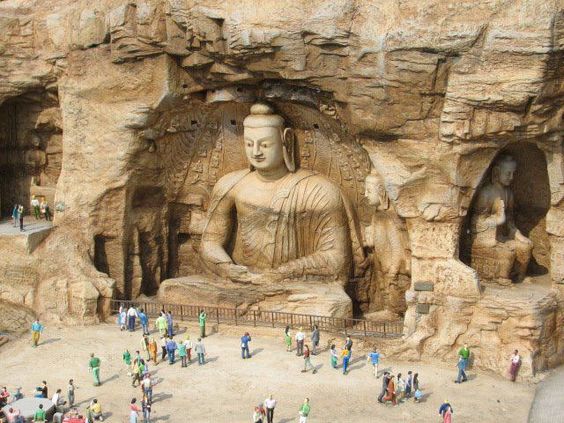
Thanksgiving is quite the time. Family gathers. And, of course, things happen. This is a holiday near unique in its potential conflicts. Perhaps it comes with such a complicated history, a harvest festival with a mythic story attached that many find more than slightly problematic.
The issues that possibly will come up can be small. And they can be large. Some are as predictable as the sun rising. I was watching a news program yesterday where two of the reporters mentioned the pressure they would get for neither being married, nor having children. Other more ominous divisions are also present in many families, brokenness, resentments, past actions that will never be spoken of. And will not be, perhaps cannot be forgiven. Along with, of course, many, many good things. It is good for family to gather. Particularly in our times where we possibly have scattered to the winds and this is a rare event. For the most part, even with all its attendant difficulties, a few like adding in the Pilgrims and Native Americans as the pivot for it, I really wish we would fix; even with all that, I really like Thanksgiving, the harvest festival, the gathering of the clan.
And. In the wake of this recent presidential election here in the United States, where we are divided at levels rarely experienced in our recent history, it seems even more difficult, or, might well be. People feel a need to speak. Me, I feel a neo-fascist was just elected president. Others who will be at our family gathering voted for him. We all have things we want to say.
As it happens, recently the Zen teacher Domyo Burk wrote a compelling article on when and how to speak of politics. I recommend it to all. What she did was draw on the Buddha’s famous Vaca Sutta as her starting point. It is, of course, about a lot more than politics. But, as Burk Osho pointed out, it really does fit the situation. The Vaca Sutta is one of the collections within the Anguttara Nikaya, and is concerned with proper speech. It is brief and to the point. The full text in Bhikkhu Thanissaro’s translation states:
Monks, a statement endowed with five factors is well-spoken, not ill-spoken. It is blameless & unfaulted by knowledgeable people. Which five? It is spoken at the right time. It is spoken in truth. It is spoken affectionately. It is spoken beneficially. It is spoken with a mind of good-will. A statement endowed with these five factors is well-spoken, not ill-spoken. It is blameless & unfaulted by knowledgeable people.
And here’s a paraphrase that I hope will be helpful:
Seekers of truth, the wise recognize there are five factors that make our words worthy of our way. They must be timely. They must be truthful. They must be said with genuine affection for the hearer. They must be said with the intention of being helpful. They must be said with genuine good-will.
It is pretty straight forward, wise counsel for speaking in any situation. But not completely so. There were angles that seemed to call for further reflection. So, I decided to dig into this a bit more, and googled the Vaca Sutta. And with that I stumbled on a really interesting article from a few years back by P.B. Morton at Philosophical Percolations, “The Three Gates of Speech.” In fact her intent was similar although not exactly on my point of digging into the Buddha’s advice. She was interested in the well known three steps for speaking. Perhaps you know it. The points are: Is it true? Is it necessary? Is it kind? I’ve actually cited this in the past. I think it really is a Western version of the Buddha’s five steps. Certainly its not hard to see similarities.
Who exactly presented that three fold list first is just not clear, as Dr Morton noted, the litany of candidates is quite long. The earliest citation she can find is a caution from a Reverend Mr Steward in 1848, although formed as cautions before speaking “evil” of someone, and including the ordering I personally prefer, is it true, is it kind, is it necessary. “Kind” for me a fluid thing, often found in the eye of the beholder, or, perhaps whose ox is being gored. But, important, and I notice firmly part of the Buddha’s admonition.
At the same time I began to feel we’re speaking of ancient wisdom here. In various cultures and at various times people have presented ways to speak of important matters, maybe of any matter under the sun. And, there are some aspects to that guidance from so many places that are common to all. Together with an occasional unique point that, for me, when taken together, become something rich. And, maybe of real help to us all.
Dr Morton actually leads her article with a quote attributed to the Sufi sage and poet Jallaludin Rumi. She in fact doesn’t find that particular quote she cited, which was the three fold advice, at all likely. Instead, she suggested the old spiritual master would advise, “if you’re going to mess with speech at all, it should be beautiful, and from the heart, and aware of its own imperfections, rather than scrupulously careful. A very interesting variation on the themes of right speech, and one I find very important. After all the times we actually get to know something is true beyond any doubt are very, very rare. So, beautiful and from the heart, aware of limitations and, as I hear this, more generous than scrupulous.
In her article she gives some concrete examples. Go read them if you want, they’re worth the visit. Dr Morton goes on to find analogs in the Rotary four-way test, is it the truth, is it fair to all concerned, will it build goodwill and better friendships, and will it be beneficial to all concerned. Interesting, if for me, a bit too dilute for truly thorny issues.
Dr Morton’s conclusion actually draws upon Confucius, or, at least the Confucius who is a character in the Daoist master Zhuangzi’s stories, where in this one he advises someone who wishes to speak, to first undergo a “fast of the heart.” And then, and only then,
“You are capable of entering and roaming free inside his cage [the prospective employer/ruler/tiger], but do not be excited that you are making a name for yourself. When the words penetrate, sing your native note; when they fail to penetrate, desist. When there are no doors for you, no outlets, treating all abodes as one, you will find your lodgings in whichever is the inevitable, you will be nearly there.”
Which takes us back to the Buddhas’ admonition.
And with all that other counsel hanging in the air I find these five points deeply worth digging into.
First, timeliness. I’ve long noticed that if the time isn’t right, it really doesn’t matter what we say. If the time is right, even words that are poorly formulated can get a positive response. So, knowing when to speak really is critical. Holding one’s peace until that time can be hard. In fact it can be very hard. But, this seems to be critical to us, if we’re really interested in being useful.
Personally I think the second point, that the statement is truthful should be the first of all these points. If it isn’t the most accurate statement one can achieve, the whole thing is worthless. To be worthy it has to be truthful. And truthful in a bigger sense than “my truth.” Or, it “feels right.” It has to be recognizable as true by reasonable people with adequate access to accurate information. Steps too many of us are too willing to skip.
Third is quite interesting. It is a call to speak only from a sense of positive regard for the hearer. This is one I admit to having more trouble with than wishing to be truthful, and trying to be timely. When people hold views that seem contrary to common sense, and sometimes that are even dangerous, I find it difficult to separate out the person from the view. But, I also believe the Buddha is right. What is it we’re about if we don’t care for that other person? Genuine positive regard is so important. It makes everything else worth while.
Fourth, we need to say something because we think it will be helpful. If it isn’t, then we’re using our view, even if it is spot on correct, as a weapon. The truth, hard as it is to obtain, isn’t a stick to beat people with. This devalues the very issue we wish to put forward. It isn’t worthy of us or the position we’re trying to get someone else to adopt. We must be doing this to help that person and the larger point.
And, finally, in order to do this we must have a sense of wanting to do good for other people. We must care. We must want the best for all involved. This is quite similar to that third admonishment, but subtly different. Slicing into the differences of shade can be very valuable. Finding our desire to be of use in this world, knowing both the higher and more base motives that are involved are critical if we’re to win through.
We fail in any of these points, then we’re not likely to succeed in our hope for others to agree with us, and perhaps act on that view. I suggest looking at this admonition through the lens of those other guidelines, as well, can be particularly helpful. Our journey is continuous, and there is always more to learn. Recall beauty. Recall uncertainty.
And I suggest Zhuangzi’s Confucius’ suggestion is critical. We need to start by that fast of the heart, searching our own depths and digging deeply into the assertion we want to put forward. Perhaps it is the truth. Perhaps our motive is clean. But, we need to know those are in fact so, and not simply the advancing of some prejudice or appetite slightly or deeply hidden from our consciousness. Sadly, I know my capacity for self-deception is near endless. And, I’ve observed similar traits in my friends. So, if we’re particularly lucky, seeing that we always see through that famous glass darkly, and what we know is only in part, can be a great gift.
We do this, and while we may not prevail, after all the only certain thing is uncertainty, and all things made of parts will in fact at some point come apart; at least we will be standing with the wise.
And that’s worth something…
Previous Post

November 23, 2016
Noticing the Masks Coming On, Going Off
Browse Our Archives
Select a Category A Christmas Carol Abolitionist African-American Ahmadiyya Alan Watts Aldous Huxley Allen Ginsberg Amedkar Jayanti American politics American Zen Anaheim Zen Sangha Anglican Annie Besant April Fool Armageddon Art and Religion artificial intellegence Atheist Awakening B R Ambedkar Barlaam & Josaphat Beatnik Between Bhagavad Gita Bible biography birthday bodhisattva Bodhisattva Precepts Book burning Book of Common Prayer Book of Mormon Brahmo Samaj Buddha Buddhism Buddhist Buddhist Lord's Prayer Butterflies Calendars cartoons cat ChatGPT Chicken Tortilla Soup choices Christian atheism Christian mysticism Christian origins Christian Science Christian Zen Christianity Christianity and Buddhism christmas Christmas Truce Christopher Isherwood Church of Later Day Saints Cinco de Mayo circus covenant critical thinking culture D. T. Suzuki Dalit Buddhism Daniel Defoe Desert Fathers and Mothers dharma talk Dogen Donald Trump Dongshan's Five Ranks Dorothy Day dream Duty Easter ecology Edwin Arnold emptiness Empty Moon Zen Network Episcopal Church Eternal Now Ethics evolution existentialism Faith fantasy Fathers Day film film review fire Five Ranks Folk music food Form and emptiness Four Seals Francis of Assisi Francis Xavier Free thinker friendship George MacDonald Gerald Heard Glenn Taylor Webb God Good Friday Gospel of Gospel of Mark Gospel of Thomas grace Graduate Theological Unioin Graduate Theological Union Guanyin H R Blyth Hakuin Ekaku Hanamatsuri Hanukkah Harada Yasutani Zen Heart Sutra Henry David Thoreau Hermann Hesse Hinduism History and Religion history of religion Holy Spirit home Hospitality Icon Ides of March Isaac Newton Islam Islamic mysticism Jack Kerouac James Luther Adams Jiddu Krishnamurti Joan of Arc Johannes Gutenberg John Donne joke Judaism justice karma kensho King James Bible koan Koun Yamada Kyoto School Lewis Carrol Liberal Christianity Liberal Religion Life Plan Community Liminal literature Literature and Religion Liturgy Lord's Prayer Love Mahatma Gandhi Mahayana Martin Luther King Jr Mary Baker Eddy Mary Magdelene Mary Oliver Mayflower Compact Meditation memories memory metaphor money money and religioin Mormons Mother's Day movie review mysticism mythic Neighborhood Unitarian Universalist Church New Thought Nichiren Buddhism Nonduality not knowing Omar Khayyam Pacific School of Religion pagan Palm Sunday Passover peace Pentecost perennialism Phantastes Philip Kapleau philosophy Pilgrimage poetry Poetry and Religion politics Prayer Precepts Printing Press prophecy prophetic spirituality psychology Pure Land Queer religion queering religion Quietism Ram Mohan Roy rebirth recipe Relationships and religion religion religion and history Religious syncretism Resistance Retirement Retreat review Rissho Kosei Kai Ritual Robert Aitken Roshi Robert Ingersoll Rohatsu Romani religion Rosie the Riveter saints samadhi SanboZen Sangha Satyagraha science science and reigion science and religion science fiction seminary sermon Sesshin Sex and Religion Shinran Sikh Sikh tradition silence Social Justice Socially Engaged Buddhism Society and religion Soto Zen soul spiritual community spiritual practice Spirituality Sufism Suicide superstition Taoism Television Teresa of Avila Thanksgiving theological schools Theosophy Thomas Merton Time Transcendentalism Transcendentalist Trinitarian Trinity Uncategorized unitarian Unitarian Christianity Unitarian Universalist Universalism Vajrayana Vedanta Walking war Willa Cather William Ellery Channing wisdom women and religion women in religion World Teacher Writing zazen Zen Zen Center Zen inspired retriement zen meditation Zen Precepts Zen women
Select a Month September 2026 August 2026 July 2026 June 2026 May 2026 April 2026 March 2026 February 2026 January 2026 December 2025 November 2025 October 2025 September 2025 August 2025 July 2025 June 2025 May 2025 April 2025 March 2025 February 2025 January 2025 December 2024 November 2024 October 2024 September 2024 August 2024 July 2024 June 2024 May 2024 April 2024 March 2024 February 2024 January 2024 December 2023 November 2023 October 2023 September 2023 August 2023 July 2023 June 2023 May 2023 April 2023 March 2023 February 2023 January 2023 December 2022 November 2022 October 2022 September 2022 August 2022 July 2022 June 2022 May 2022 April 2022 March 2022 February 2022 January 2022 December 2021 November 2021 October 2021 September 2021 August 2021 July 2021 June 2021 May 2021 April 2021 March 2021 February 2021 January 2021 December 2020 November 2020 October 2020 September 2020 August 2020 July 2020 June 2020 May 2020 April 2020 March 2020 February 2020 January 2020 December 2019 November 2019 October 2019 September 2019 August 2019 July 2019 June 2019 May 2019 April 2019 March 2019 February 2019 January 2019 December 2018 November 2018 October 2018 September 2018 August 2018 July 2018 June 2018 May 2018 April 2018 March 2018 February 2018 January 2018 December 2017 November 2017 October 2017 September 2017 August 2017 July 2017 June 2017 May 2017 April 2017 March 2017 February 2017 January 2017 December 2016 November 2016 October 2016 September 2016 August 2016 July 2016 June 2016 May 2016 April 2016 March 2016 February 2016 January 2016 December 2015 November 2015 October 2015 September 2015 August 2015 July 2015 June 2015 May 2015 April 2015 March 2015 February 2015 January 2015 December 2014 November 2014 October 2014 September 2014 August 2014 July 2014 June 2014 May 2014 April 2014 March 2014 February 2014 January 2014 December 2013 November 2013 October 2013 September 2013 August 2013 July 2013 June 2013 May 2013 April 2013 March 2013 February 2013 January 2013 December 2012 November 2012 October 2012 September 2012 August 2012 July 2012 June 2012 May 2012 April 2012 March 2012 February 2012 January 2012 December 2011 November 2011 October 2011 September 2011 August 2011 July 2011 June 2011 May 2011 April 2011 March 2011 February 2011 January 2011 December 2010 November 2010 October 2010 September 2010 August 2010 July 2010 June 2010 May 2010 April 2010 March 2010 February 2010 January 2010 December 2009 November 2009 October 2009 September 2009 August 2009 July 2009 June 2009 May 2009 April 2009 March 2009 February 2009 January 2009 December 2008 November 2008 October 2008 September 2008 August 2008 July 2008 June 2008 May 2008 April 2008 March 2008 February 2008 January 2008 December 2007 November 2007 October 2007 September 2007 August 2007 July 2007 June 2007 May 2007 April 2007 March 2007 February 2007 January 2007 December 2006 November 2006 October 2006 September 2006
Follow Us!
TAKE THE
Religious Wisdom Quiz
What was the name of the sea Jesus walked on?
Select your answer to see how you score.
Sea of Galilee Red Sea Caspian Sea Dead Sea
Related posts from Monkey Mind


Which Is the True Qian? A Koan About...


TRENDING AT PATHEOS Buddhist

Emotion in Early Christianity by Andrew Crislip
Andrew Crislip’s Emotion in Early Christianity examines an often overlooked dimension of...

16 Spiritual Touchstones for a More Grounded Life
After decades of spiritual study, here are 16 principles I try...

Catholic Evangelization: Sharing Your Faith Every Day
Welcome back to the Graceful Awakening mini-series called, “From Faith to Mission.” ...

The Pillar of the Boatmen: the Ancient Monument...
The Pillar of the Boatmen is a Romano-Gaulish sculpture that dates from...

In one sense walking into Westminster Abbey is like walking down the...

'Super Scam Me' Exposes AI Jon Bon Jovi...
Leslie Pickett believed she was in a relationship with Jon Bon Jovi....
view all Buddhist blogs
Ad-Free & Subscriber Log-In Subscription Support
- About Us
- 2026 Calendar
- Videos
- Podcasts
- Library of World Religions
- Faith In Media Tracker
- Advertise With Us
- Write for Us
- Privacy Policy
- Terms of Service
- Do Not Sell My Data
- Contact Us
- Radiant Digital
- Manage Newsletter Subscriptions
- Unsubscribe From Notifications
- Sitemap
Copyright 2008-2026, Patheos. All rights reserved.
Subscription Support Ad-Free & Subscriber Log-In
Follow Patheos