
BuddhistCatholicContemplativeEvangelicalGeneral ChristianHinduJewishLatter-day SaintMuslimNew VisionsProgressive Christian
Beliefs
- Buddhist
- Catholic
- Contemplative
- Evangelical
- General Christian
- Hindu
- Jewish
- Latter-day Saint
- More Voices
- Muslim
- New Visions
- Pagan
- Progressive Christian
Topics
- Religion News
- Food and Religion
- Sports and Religion
- Religious Art
- Religious Music and Entertainment
- Religious Events
- History and Religion
- Style and Religion
- Politics and Religion
- Women in Religion
- Recreation Outdoors and Religion
- Business Finance and Religion
- Careers Workplace and Religion
- Education and Religion
- Family Parenting and Religion
- Health Fitness and Religion
- Home and Religion
- Relationships and Religion
- Technology and Religion
- Travel and Religion
Columnists
- Buddhist Columnists
- Business Finance and Religion Columnists
- Careers Workplace and Religion Columnists
- Catholic Columnists
- Contemplative Columnists
- Education and Religion Columnists
- Evangelists Columnists
- Family Parenting and Religion Columnists
- General Christian Columnists
- Health Fitness and Religion Columnists
- Hindu Columnists
- History and Religion Columnists
- Home and Religion Columnists
- Jewish Columnists
- More Voices Columnists
- Latter Day Columnists
- Muslim Columnists
- New Visions Columnists
- Nonreligious Columnists
- Pagan Columnists
- Politics and Religion Columnists
- Progressive Columnists
- Recreation Outdoors and Religion Columnists
- Relationships and Religion Columnists
- Religion News Columnists
- Religious Art Columnists
- Religious Events Columnists
- Religious Music and Entertainment Columnists
- Sports and Religion Columnists
- Style and Religion Columnists
- Technology and Religion Columnists
- Travel and Religion Columnists
- Women in Religion Columnists
Resource Library
- 2026 Calendar
- Library of World Religions
- The 100 Most Holy Places on Earth
- Patheos Answers
- Podcasts
- Videos
- Faith Leaders Database
- Anglican Episcopalian
- Bahai
- Baptist
- Buddhism
- Christianity
- Confucianism
- Eastern Orthodoxy
- Hinduism
- Holiness and Pentecostal
- ISKCON
- Islam
- Judaism
- Lutheran
- Methodist
- The Church of Jesus Christ of Latter-day Saints
- New Age
- Paganism
- Presbytarian and Reformed
- Protestantism
- Religion Behind the Scenes
- Roman Catholic
- Scientology
- Shia Islam
- Sikhism
- Sufism
- Sunni Islam
- Taoism
- Zen
- See all religions
Research Tools
 Ad-Free & Subscriber Log-In Subscription Support
Ad-Free & Subscriber Log-In Subscription Support
Follow Patheos 

- Trending:
- Forgiveness
- |
- Marriage
- |
- Consciousness
- |
- Death Penalty
- |
- Election
- |
- Halloween
 Monique Ocampo Writes
- Home
- Catholic
- The Limit of Labels
The Limit of Labels
Last updated on: June 10, 2016 at 9:36 am by Monique Ocampo
The Limit of Labels 2016-06-10T09:36:15-05:00 Monique Ocampo
Patheos Explore the world's faith through different perspectives on religion and spirituality! Patheos has the views of the prevalent religions and spiritualities of the world.
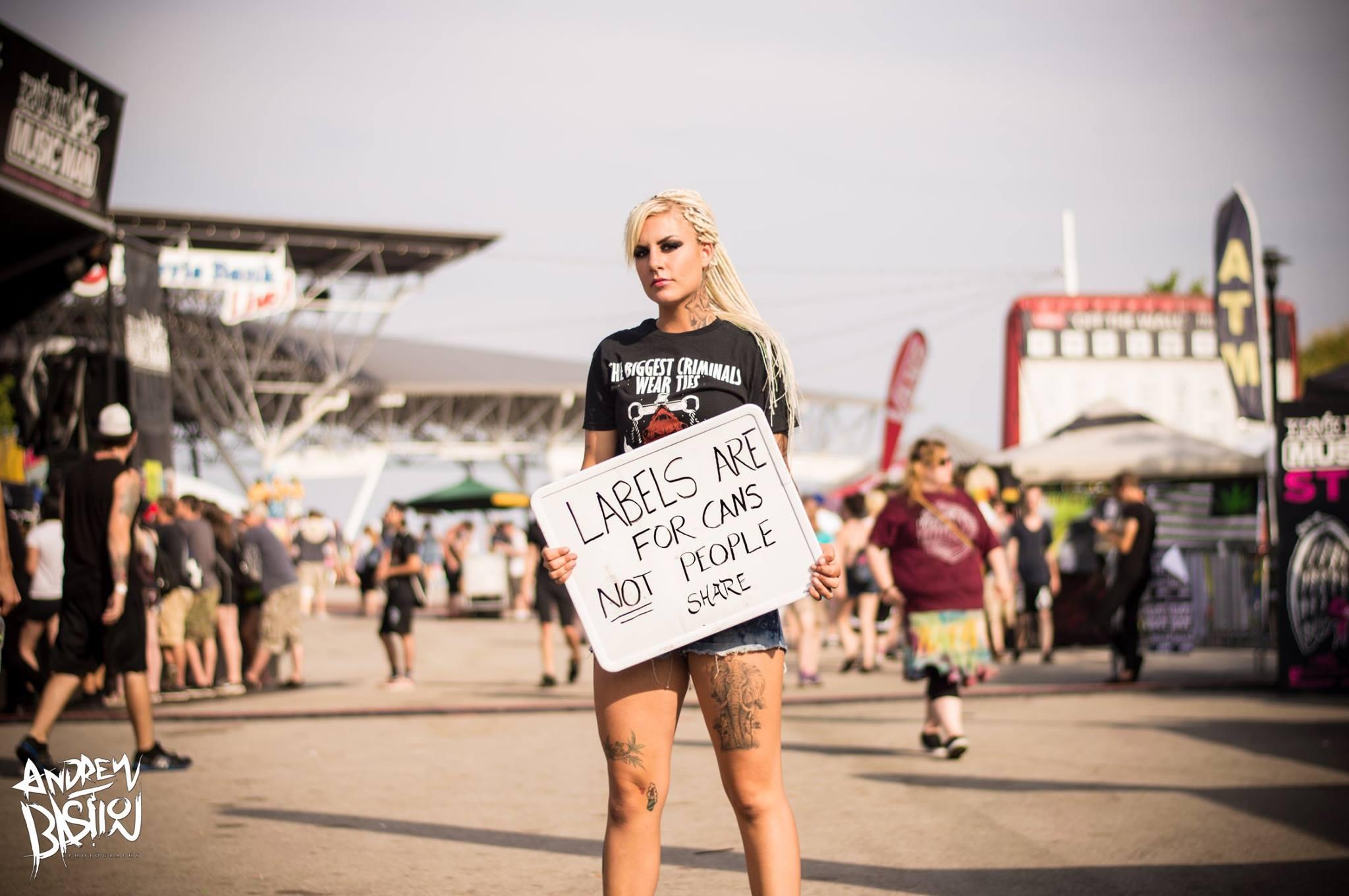
There’s this saying that the whole is greater than the sum of its parts. People put all sorts of labels and preconceptions on women and we have this tendency that being a woman or being of a certain race, ethnicity, or sexuality means that we have to look and act a certain way. Sometimes, we believe society and think that we have to act like everyone else who has the same labels as us in order to belong. But the worst thing we could do to ourselves is allow circumstances like family problems or relationship issues to define who we are.
God created us a certain way for a reason, but he didn’t create us so that we define ourselves according to other people’s preconceptions. So the question is “How do we choose to define ourselves?” There is nothing wrong with being a woman or being of a certain race or ethnicity or even being attracted to the same gender. The problem is when we choose to define ourselves by just these things. The things that are in our lives are just parts of who we are and not the sum or the whole of who we are. I choose to define myself by my faith because my faith is so much bigger than myself. And there are things about my faith that I still have to learn and understand.
Marc Barnes AKA “Bad Catholic” on Patheos wrote that: “A label allows us to subsume ourselves into an abstract, and thereby cease dealing with immense difficulties of being our unique, particular ourselves. When I am truly silent and truly alone, I am alone with an I who finds himself living with no immediately discernible purpose, alone with an I who — quite naturally — feels the difficult desire to do good and avoid evil, to love the beautiful, to know the truth, an I with a conscience that constantly reminds me of my own inability to do any of these things, an I that doesn’t age but still is and feels like the same eternal I that lived and breathed at 10 years old. This is the I I return to when I am stripped of every external — of my ideology, career, possessions, class, race, and status — the I that must simply be, approaching death. This is, of course, terrifying.”
I was browsing my YouTube subscriptions when I came across a video that talked about forming identity. The person in the video said that identity is always fluid and changing and that only the individual has any control over his or her identity. While I agree that a person’s identity can change over time (growing from child to teen to adult, for example) I think that there are some parts about identity that never change.
I shared this video with my friend Marguerite, who said, “Our primary identity is as beloved children of God and that one cannot change and we do not control it. God will always love us no matter what we do. I agree with staying curious and exploring (within the limits of morality) and knowing that labels are flexible and that we change as time goes on. But the one point about who we are that is most important is the one that never changes from our birth to our death: it is who we are in the eyes of God.”
The difference between finding out your identity based on the world and letting God be the one to guide you in forming your identity is that the world always changes, but God never does. The beautiful paradox of letting God help us figure out who we are is that we become the best versions of ourselves through His help. Like Saint Paul said in Galatians 2:19-20: “I have been crucified with Christ; yet I live, no longer I, but Christ lives in me; insofar as I now live in the flesh, I live by faith in the Son of God who has loved me and given himself up for me.”
So no matter how you choose to define yourself, remember to put God at the center of your life and He will be there to help you when you need to define yourself. Before anything else, remember that you are God’s creation, a child of the One True King, adopted into the family, and a part of the mystical body of Christ. You are loved, you are cherished, and you are not alone.
Previous Post
June 8, 2016
Why Brock Turner Needs Maria Goretti and Alessandro Serenelli
Next Post

June 13, 2016 History is Happening in Manhattan: The Beauty of the Tony Awards
Browse Our Archives
Select a Category A Night at the Movies Apologetics Asperger's Syndrome autism Being Catholic Books Buffy the Vampire Slayer Faith Fandoms Heart of Mary Women's Fellowship Interviews Lent Music Personal Life Poetry Prayer Radiance and Grace Reflections Relationships Religion Saints Seven Quick Takes Social Media Taylor Swift Television The Soapbox True Love Tuesday Uncategorized Women of Christ Wednesday writing Young Adult Issues
Select a Month February 2017 January 2017 December 2016 October 2016 September 2016 August 2016 July 2016 June 2016 May 2016 April 2016 March 2016 February 2016 January 2016 December 2015 November 2015 October 2015 September 2015 August 2015 July 2015 June 2015 May 2015 April 2015 March 2015 February 2015 January 2015 December 2014 November 2014 October 2014 September 2014 August 2014 July 2014 June 2014 May 2014 April 2014 March 2014 February 2014 January 2014 December 2013
Follow Us!
TAKE THE
Religious Wisdom Quiz
I gleaned in fields behind reapers and caught the eye of a wealthy landowner. Who am I?
Select your answer to see how you score.
Ruth Orpah Naomi Hannah
Related posts from Monique Ocampo Writes
What St. Margaret of Cortona Can Teach to...

Epic Rap Battles of (Catholic) History: Nicholas vs...
Welcome to Earth: A Supergirl Recap
TRENDING AT PATHEOS Catholic

Rejecting Doom: Christian Hope And Human Action
Christianity is a religion of hope. We are to have hope and...

It’s What Comes From Within Which Matters
One of the most difficult things for us to understand is why...

Why I Choose the Eucharist Over the Sermon
Choose the Eucharist, Not the Sermon What are we supposed to get...

5 Design Elements Found in Spiritually Rooted Homes
Putting Spirituality Into Home Decor Our homes are more than our living...

Credo: A Story of God Told with the...
About 10 years ago, I began to imagine a personal "Credo" that...

The Anatomy of Divine Revelation in Catholic Thought
The claim that God has made Himself known to human beings is...
view all Catholic blogs
Ad-Free & Subscriber Log-In Subscription Support
- About Us
- 2026 Calendar
- Videos
- Podcasts
- Library of World Religions
- Faith In Media Tracker
- Advertise With Us
- Write for Us
- Privacy Policy
- Terms of Service
- Do Not Sell My Data
- Contact Us
- Radiant Digital
- Manage Newsletter Subscriptions
- Unsubscribe From Notifications
- Sitemap
Copyright 2008-2026, Patheos. All rights reserved.
Subscription Support Ad-Free & Subscriber Log-In
Follow Patheos