
BuddhistCatholicContemplativeEvangelicalGeneral ChristianHinduJewishLatter-day SaintMuslimNew VisionsProgressive Christian
Beliefs
- Buddhist
- Catholic
- Contemplative
- Evangelical
- General Christian
- Hindu
- Jewish
- Latter-day Saint
- More Voices
- Muslim
- New Visions
- Pagan
- Progressive Christian
Topics
- Religion News
- Food and Religion
- Sports and Religion
- Religious Art
- Religious Music and Entertainment
- Religious Events
- History and Religion
- Style and Religion
- Politics and Religion
- Women in Religion
- Recreation Outdoors and Religion
- Business Finance and Religion
- Careers Workplace and Religion
- Education and Religion
- Family Parenting and Religion
- Health Fitness and Religion
- Home and Religion
- Relationships and Religion
- Technology and Religion
- Travel and Religion
Columnists
- Buddhist Columnists
- Business Finance and Religion Columnists
- Careers Workplace and Religion Columnists
- Catholic Columnists
- Contemplative Columnists
- Education and Religion Columnists
- Evangelists Columnists
- Family Parenting and Religion Columnists
- General Christian Columnists
- Health Fitness and Religion Columnists
- Hindu Columnists
- History and Religion Columnists
- Home and Religion Columnists
- Jewish Columnists
- More Voices Columnists
- Latter Day Columnists
- Muslim Columnists
- New Visions Columnists
- Nonreligious Columnists
- Pagan Columnists
- Politics and Religion Columnists
- Progressive Columnists
- Recreation Outdoors and Religion Columnists
- Relationships and Religion Columnists
- Religion News Columnists
- Religious Art Columnists
- Religious Events Columnists
- Religious Music and Entertainment Columnists
- Sports and Religion Columnists
- Style and Religion Columnists
- Technology and Religion Columnists
- Travel and Religion Columnists
- Women in Religion Columnists
Resource Library
- 2026 Calendar
- Library of World Religions
- The 100 Most Holy Places on Earth
- Patheos Answers
- Podcasts
- Videos
- Faith Leaders Database
- Anglican Episcopalian
- Bahai
- Baptist
- Buddhism
- Christianity
- Confucianism
- Eastern Orthodoxy
- Hinduism
- Holiness and Pentecostal
- ISKCON
- Islam
- Judaism
- Lutheran
- Methodist
- The Church of Jesus Christ of Latter-day Saints
- New Age
- Paganism
- Presbytarian and Reformed
- Protestantism
- Religion Behind the Scenes
- Roman Catholic
- Scientology
- Shia Islam
- Sikhism
- Sufism
- Sunni Islam
- Taoism
- Zen
- See all religions
Research Tools
 Ad-Free & Subscriber Log-In Subscription Support
Ad-Free & Subscriber Log-In Subscription Support
Follow Patheos 

- Trending:
- Forgiveness
- |
- Marriage
- |
- Consciousness
- |
- Death Penalty
- |
- Election
- |
- Halloween
 Muslimah Media Watch
- Home
- Muslim
- Religion News
- Book Review: I Am the Beggar of the World
Book Review: I Am the Beggar of the World
Last updated on: April 17, 2014 at 2:00 am by Azra
Book Review: I Am the Beggar of the World 2014-04-17T00:20:47-04:00 Azra
Patheos Explore the world's faith through different perspectives on religion and spirituality! Patheos has the views of the prevalent religions and spiritualities of the world.
Last month, I looked at Eliza Griswold and Seamus Murphy’s work profiling Afghan women poets particular form of poetry, the landay. Their work, as they presented it in an article on Slate, came across as nuanced and reflective (my own words) of Afghan women’s experiences. I was eager to review their book, I Am the Beggar of the World, which is available this month and was kindly provided by the publisher.
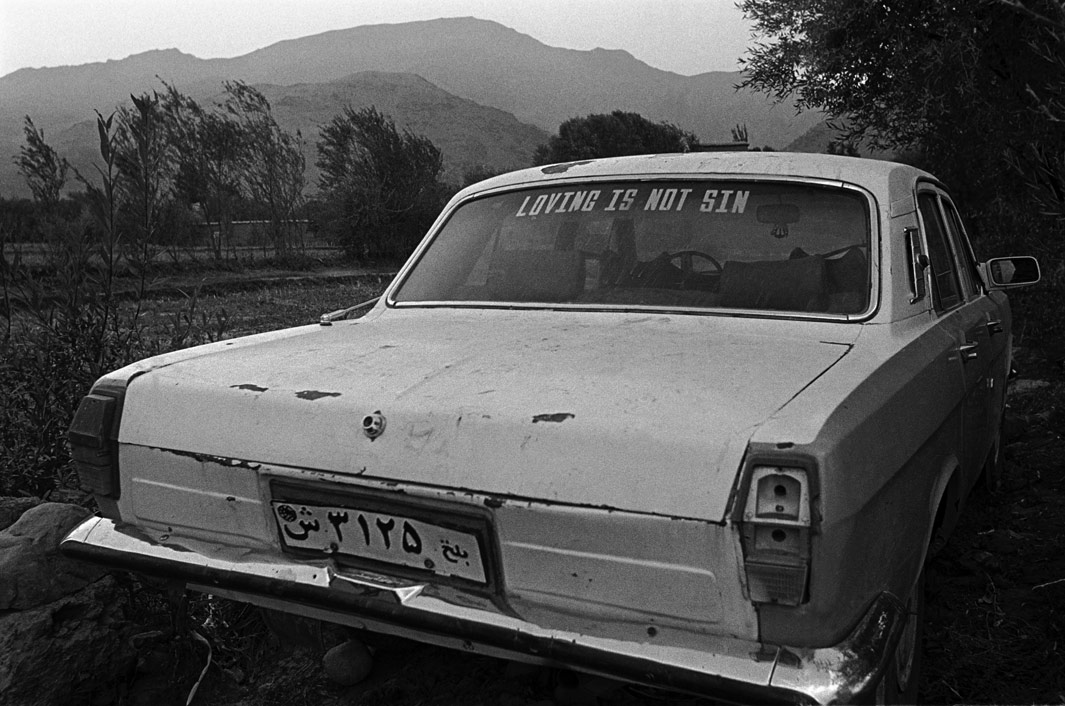
Image via Slate.
Griswold worked with Pashtun women translators to find and present poems that would translate well into English. The book is dedicated to one of her translators, who tragically passed away in Afghanistan in 2012. Seamus Murphy, the photographer, traveled with her to capture photographs along the way. The book is divided into love, grief, and war-related landays translated into English, sometimes alongside Griswold’s commentary about the poem itself.
Murphy photographs scenes from everyday life, mostly candids and a few portraits, that are shown in the book. There are women in some of the pictures, but it doesn’t solely have pictures of women in burqas (or without burqas, for that matter). The decision is refreshing (in contrast, for example, to a 2009 Globe and Mail spread about Afghan women that Krista reviewed for MMW), and serves to emphasize the universal themes that are present throughout the women’s poetry—the themes from the poems both reflect and transcend women’s life experiences. The photographs from Afghan life presented by Murphy beautifully pair with the poems.
The poems themselves represent a variety of subjects: from joyful love to risqué situations, to doomed love and unimaginable sorrow, and even poetry that is historically and politically inclined—they run the gamut of perspectives. I appreciated the range of poems selected in this compilation, as it serves to portray that the women’s poetry—and experiences—aren’t all doom and gloom-related.
Far too often we are made to feel sorry for the plight of Afghan women under Taliban rule, without hearing stories of creative defiance from the women themselves. Griswold’s work humanely portrays the emotionally rich lives these women lead under grim circumstances brought upon by a history inundated with a multitude array of subjugation.
Which brings me to a question I pondered throughout the book: would we have known about the existence of this poetry without the US intervention in Afghanistan? Griswold believes:
“Many Afghan women know that without the U.S. presence, their plight will be even more dismal. The poems reflect what it means to be caught between the two sides of this conflict, and the impact that war is having on a people and their culture.” (p.10)
Is that point of view truly reflective of most Afghan women’s beliefs? Is there a definitive answer to that complicated question that anyone besides Afghan women can answer?
Let’s take a historical look at how Afghan women have been portrayed in the past: their abuse has been regarded as an explicit reason for America to continue to remain in Afghanistan and perpetuates the mythical savior-victim relationship between the two countries. Back in 2010, in response to a Time cover that placed a photograph of a disfigured Afghan girl alongside the title “What happens if we leave Afghanistan,” MMW posited our own roundtable response. Krista said at the time:
“The thing is, although “saving women” has been part of the Western rhetoric throughout a large part of this invasion, Afghan women have rarely been much of a priority for the coalition forces, whose goal of conquering the Taliban has had them allied with many a violent misogynist over the years of the occupation. This photo, with its accompanying caption, perpetuates the myth of the foreign occupiers as allies and saviors of Afghan women, though this has never really been the case.”
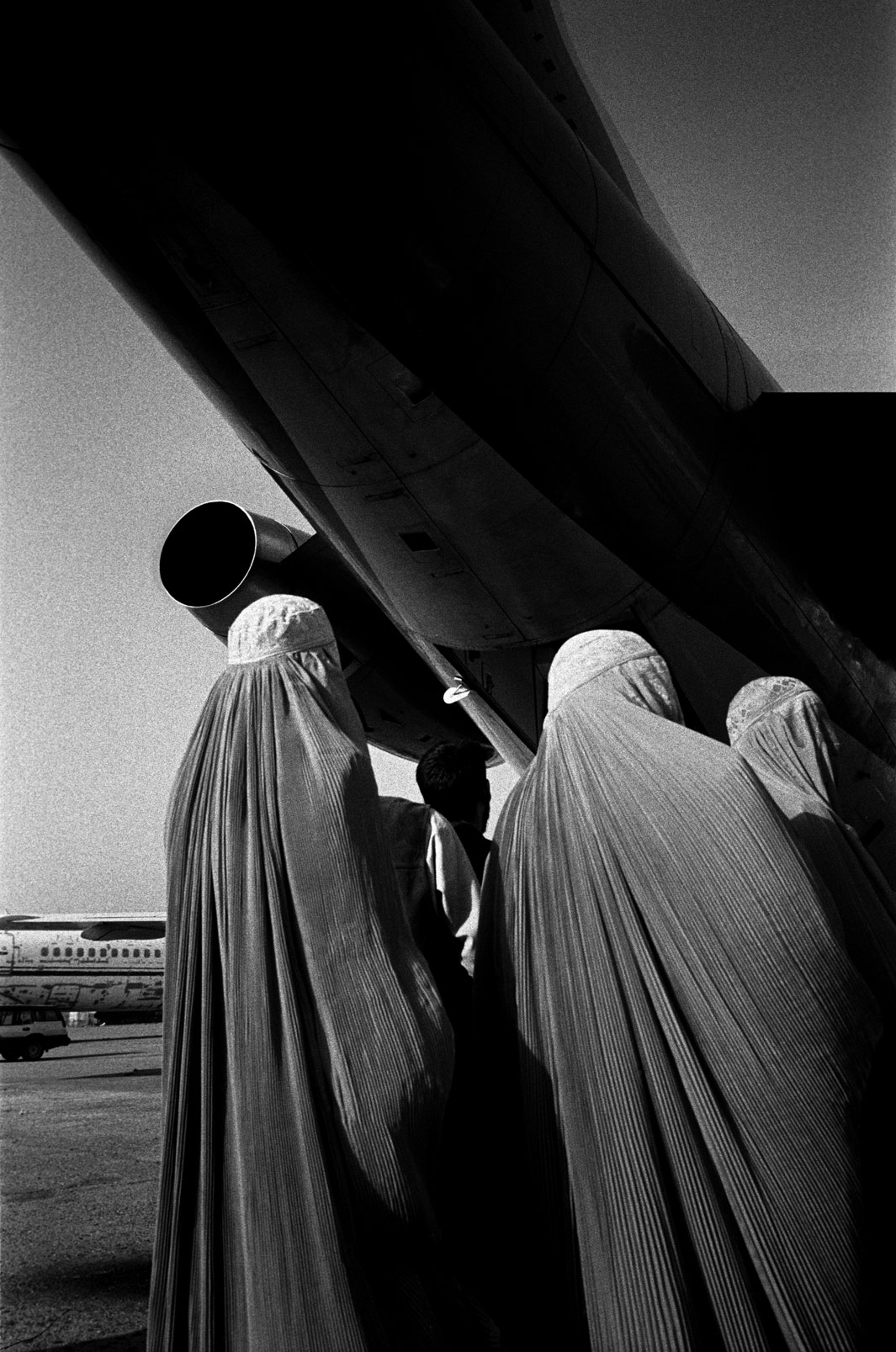
Image via Slate.
It’s now 2014. Coalition forces scale back their operations in Afghanistan every day. Griswold’s perpetuation of a victim-savior relationship between Afghan women and the US makes little sense; its inclusion within the book is not necessary, as the poetry and photography portrayed within reveal the everyday life resiliency of Afghani women. Griswold places their voice at the heart of the collection, not her own.
It’s impossible to know what life would be like for women in Afghanistan had the US intervention not occurred. While Griswold doesn’t overly emphasize the theme of the US saving Afghanistan’s women, it is a theme that appears periodically throughout her commentary. The overall collection of poems presented in I Am the Beggar of the World shows the diversity in Afghan women’s perspectives as they strive to make sense of their lives. Our role as readers is to read and observe, be shown and not told, and to arrive at some conclusion from the women’s own words. For after all, isn’t that really what poetry is about?
Previous Post

April 16, 2014
Negotiating Muslim Steampunk
Next Post

April 18, 2014 Friday Links | April 18, 2014
Browse Our Archives
Select a Category Advertisements Art/Theater Books/Magazines Cinema Comics/Cartoons Culture/Society Events Fashion Film Friday Links Merchandise/Commodities MMW Announcements MMW Highlights Music/Radio News Photography Politics Profile Ramadan 2012 Ramadan 2013 Ramadan 2014 Ramadan 2015 Roundtable Satire Social Media Sports Technology/Science Television Uncategorized Video Web
Select a Month November 2015 October 2015 September 2015 August 2015 July 2015 June 2015 May 2015 April 2015 March 2015 January 2015 December 2014 November 2014 October 2014 September 2014 July 2014 June 2014 May 2014 April 2014 March 2014 February 2014 January 2014 December 2013 November 2013 October 2013 September 2013 August 2013 July 2013 June 2013 May 2013 April 2013 March 2013 February 2013 January 2013 December 2012 November 2012 October 2012 September 2012 August 2012 July 2012 June 2012 May 2012 April 2012 March 2012 February 2012 January 2012 December 2011 November 2011 September 2011 August 2011 July 2011 June 2011 May 2011 April 2011 March 2011 February 2011 January 2011 December 2010 November 2010 October 2010 September 2010 August 2010 July 2010 June 2010 May 2010 April 2010 March 2010 February 2010 January 2010 December 2009 November 2009 October 2009 September 2009 August 2009 July 2009 June 2009 May 2009 April 2009 March 2009 February 2009 January 2009 December 2008 November 2008 October 2008 September 2008 August 2008 July 2008 June 2008 May 2008 April 2008 March 2008 February 2008 January 2008 December 2007 November 2007 October 2007 September 2007 August 2007
Follow Us!
TAKE THE
Religious Wisdom Quiz
What character trait is praised in the Parable of the Good Samaritan?
Select your answer to see how you score.
Pride Compassion Deceit Selfishness
Related posts from Muslimah Media Watch

Book review: Jewels of Allah by Nina Ansary


Book Review: Faïza Zerouala's Voices Behind the Veil
TRENDING AT PATHEOS Muslim

25 Years Later: How Much Has Changed for...
As we approach the 25th anniversary of September 11th, I’ve found myself...

Podcast: Third Spaces & The Rise of Yemeni...
In the latest episode of The Artistic Foodies Podcast, hosts Abbas...

HalalFest Picks: Best 60 Halal Spots for Super...
Back in 2016, I came up with a list of 29...

Unity Is America’s Strength — Division Is Its...
by Hidayatullah Ahsan When Valentina Gomez, a Republican candidate for Congress in...

Zohran Mamdani and New York’s Fight Against Islamophobia
This past June, against all odds, Zohran Mamdani won the Democratic primary...

What the Fourth of July Means to a...
As we mark another Fourth of July, millions of Americans will celebrate...
view all Muslim blogs
Ad-Free & Subscriber Log-In Subscription Support
- About Us
- 2026 Calendar
- Videos
- Podcasts
- Library of World Religions
- Faith In Media Tracker
- Advertise With Us
- Write for Us
- Privacy Policy
- Terms of Service
- Do Not Sell My Data
- Contact Us
- Radiant Digital
- Manage Newsletter Subscriptions
- Unsubscribe From Notifications
- Sitemap
Copyright 2008-2026, Patheos. All rights reserved.
Subscription Support Ad-Free & Subscriber Log-In
Follow Patheos