
BuddhistCatholicContemplativeEvangelicalGeneral ChristianHinduJewishLatter-day SaintMuslimNew VisionsProgressive Christian
Beliefs
- Buddhist
- Catholic
- Contemplative
- Evangelical
- General Christian
- Hindu
- Jewish
- Latter-day Saint
- More Voices
- Muslim
- New Visions
- Pagan
- Progressive Christian
Topics
- Religion News
- Food and Religion
- Sports and Religion
- Religious Art
- Religious Music and Entertainment
- Religious Events
- History and Religion
- Style and Religion
- Politics and Religion
- Women in Religion
- Recreation Outdoors and Religion
- Business Finance and Religion
- Careers Workplace and Religion
- Education and Religion
- Family Parenting and Religion
- Health Fitness and Religion
- Home and Religion
- Relationships and Religion
- Technology and Religion
- Travel and Religion
Columnists
- Buddhist Columnists
- Business Finance and Religion Columnists
- Careers Workplace and Religion Columnists
- Catholic Columnists
- Contemplative Columnists
- Education and Religion Columnists
- Evangelists Columnists
- Family Parenting and Religion Columnists
- General Christian Columnists
- Health Fitness and Religion Columnists
- Hindu Columnists
- History and Religion Columnists
- Home and Religion Columnists
- Jewish Columnists
- More Voices Columnists
- Latter Day Columnists
- Muslim Columnists
- New Visions Columnists
- Nonreligious Columnists
- Pagan Columnists
- Politics and Religion Columnists
- Progressive Columnists
- Recreation Outdoors and Religion Columnists
- Relationships and Religion Columnists
- Religion News Columnists
- Religious Art Columnists
- Religious Events Columnists
- Religious Music and Entertainment Columnists
- Sports and Religion Columnists
- Style and Religion Columnists
- Technology and Religion Columnists
- Travel and Religion Columnists
- Women in Religion Columnists
Resource Library
- 2026 Calendar
- Library of World Religions
- The 100 Most Holy Places on Earth
- Patheos Answers
- Podcasts
- Videos
- Faith Leaders Database
- Anglican Episcopalian
- Bahai
- Baptist
- Buddhism
- Christianity
- Confucianism
- Eastern Orthodoxy
- Hinduism
- Holiness and Pentecostal
- ISKCON
- Islam
- Judaism
- Lutheran
- Methodist
- The Church of Jesus Christ of Latter-day Saints
- New Age
- Paganism
- Presbytarian and Reformed
- Protestantism
- Religion Behind the Scenes
- Roman Catholic
- Scientology
- Shia Islam
- Sikhism
- Sufism
- Sunni Islam
- Taoism
- Zen
- See all religions
Research Tools
 Ad-Free & Subscriber Log-In Subscription Support
Ad-Free & Subscriber Log-In Subscription Support
Follow Patheos 

- Trending:
- Forgiveness
- |
- Marriage
- |
- Consciousness
- |
- Death Penalty
- |
- Election
- |
- Halloween

- Home
- Careers, Workplace and Religion
- Making Disciples of Jesus Christ: The Second Sentence
Making Disciples of Jesus Christ: The Second Sentence
Last updated on: September 12, 2016 at 10:11 am by Guest Contributor
Making Disciples of Jesus Christ: The Second Sentence 2016-09-12T10:11:48-05:00 Guest Contributor
Patheos Explore the world's faith through different perspectives on religion and spirituality! Patheos has the views of the prevalent religions and spiritualities of the world.
By Mike Coyner
Our United Methodist mission statement has a second sentence.
Most people seem to know the first sentence: “Making disciples of Jesus Christ for the transformation of the world.”
Many people do not know that there is a second sentence to that mission statement which says: “Local congregations provide the most significant arena through which disciple-making occurs.”
Not all disciples are made through local congregations, but all disciples eventually must be linked to a local congregation. There was a song written by Avery and Marsh years ago which said in jest: “I can be a Christian by myself, keep my dusty Bible on the shelf; I’ll sing a song and pray a bit, and God will make the best of it. I can be a Christian by myself.” The point of that song is that Icannot be a Christian by myself, I need a small group to hold me accountable, and I need a congregation to support, sustain, develop, challenge, and expand my Christian walk.
The second sentence of our UMC mission statement reminds us why we are making “Vital Congregations” (I actually prefer the terms “vibrant” or “fruitful” congregations) such a focus of our efforts as the Indiana Conference. It is because congregations help to make disciples, nurture disciples, strengthen disciples, and send forth disciples to transform the world.
If I could add a third sentence to our UMC mission statement, it would be “Local congregations are also the most significant arena through which we transform the world.” That sentence is only true when we get the local congregation focused outwardly — helping those newly-made and continually-formed disciples to do their part to change the world into the likeness of Christ. That sentence would remind us that a congregation does not exist for its own members, other than helping them to become better disciples. A congregation exists to send its members/disciples out to transform the world. Mostly that happens through our individual lives, being a “world-changer,” as we said at our Annual Conference Session in June, making a difference in our own world, our network of relationships, our sphere of influence, and our ministry settings. Each one of us, and every one of us, is called to help transform the world. Yet it often requires being a part of a vibrant congregation to do so. I can’t do it alone, and neither can you.
No matter how many sentences we add to our UMC mission statement, it is clear that we are in a new day (or a return to an old day from our history) when we focus clearly upon strengthening, growing, multiplying, and encouraging our congregations as the primary arena for making disciples, growing disciples, and sending disciples to transform the world. Do we still need UM-related institutions, denominational structures, and other systems for congregations to work together? Of course, but whenever we allow those other structures to think of themselves as primary then we have lost the power of what it means to be “church.” Can a local congregation become “ill” or “dysfunctional” and too focused upon its own existence? Yes, sadly that happens.
But a healthy, vibrant congregation helps to make disciples and to send those disciples to transform the world. Knowing that truth about the second sentence of our mission statement means that it is never enough just to “go to church on Sunday.”
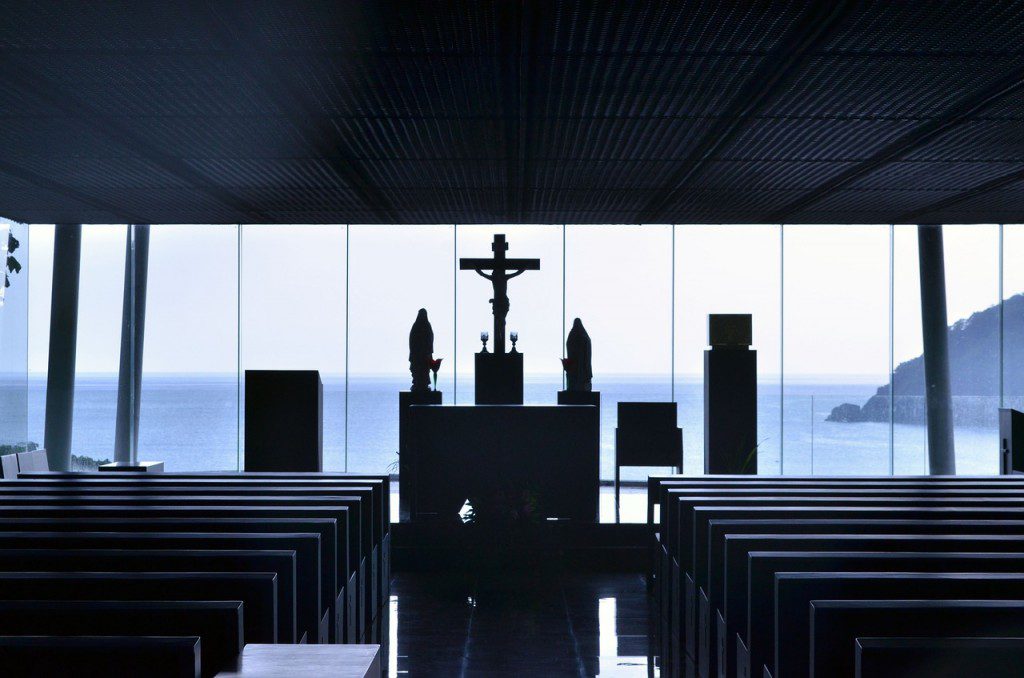
 Mike Coyner is the retired bishop of the Indiana Area of the United Methodist Church. Reprinted from INUMC.org. Image: Pixabay.
Previous Post

September 10, 2016
Leading as an introvert

Browse Our Archives
Select a Category Art Audio posts Bible and Work Book Review Books Budgeting Calling Common Good Community Development Conferences Discipleship Economics Entrepreneurship Ethics Faith and Family Faith and the Marketplace Faith and the Workplace faith and work History of Work and Vocation Leadership Local Church Meaning New Blogger News Prayer Relationships Seminaries Theology of Work Uncategorized Video posts Vocation Worship Resources
Select a Month April 2026 October 2025 September 2025 July 2025 April 2025 January 2025 October 2024 September 2024 August 2024 May 2024 March 2024 February 2024 December 2023 November 2023 August 2023 July 2023 April 2023 January 2023 December 2022 November 2022 September 2022 August 2022 July 2022 May 2022 April 2022 February 2022 January 2022 December 2021 November 2021 October 2021 September 2021 August 2021 June 2021 May 2021 March 2021 February 2021 January 2021 December 2020 November 2020 September 2020 August 2020 July 2020 June 2020 May 2020 April 2020 March 2020 January 2020 December 2019 October 2019 September 2019 August 2019 July 2019 June 2019 May 2019 April 2019 March 2019 February 2019 January 2019 April 2018 March 2018 January 2018 December 2017 November 2017 October 2017 September 2017 August 2017 July 2017 June 2017 May 2017 April 2017 March 2017 February 2017 January 2017 December 2016 November 2016 October 2016 September 2016 August 2016 July 2016 June 2016 May 2016 April 2016 March 2016 February 2016 January 2016 December 2015 November 2015 October 2015 September 2015 August 2015 July 2015 June 2015 May 2015 April 2015 March 2015 February 2015 January 2015 December 2014 November 2014 October 2014 September 2014 August 2014 July 2014 June 2014 May 2014 April 2014 March 2014 February 2014 January 2014 December 2013
Follow Us!
TAKE THE
Religious Wisdom Quiz
Who opposed the rebuilding of the Temple and tried to discourage the Jews?
Select your answer to see how you score.
Their enemies/Samaritans Philistines Amalekites Moabites
Related posts from MISSION:WORK

Why Beth Felker Jones is Protestant



TRENDING AT PATHEOS Careers, Workplace and Religion

Emotion in Early Christianity by Andrew Crislip
Andrew Crislip’s Emotion in Early Christianity examines an often overlooked dimension of...

16 Spiritual Touchstones for a More Grounded Life
After decades of spiritual study, here are 16 principles I try...

Catholic Evangelization: Sharing Your Faith Every Day
Welcome back to the Graceful Awakening mini-series called, “From Faith to Mission.” ...

The Pillar of the Boatmen: the Ancient Monument...
The Pillar of the Boatmen is a Romano-Gaulish sculpture that dates from...

In one sense walking into Westminster Abbey is like walking down the...

'Super Scam Me' Exposes AI Jon Bon Jovi...
Leslie Pickett believed she was in a relationship with Jon Bon Jovi....
view all Careers, Workplace and Religion blogs
Ad-Free & Subscriber Log-In Subscription Support
- About Us
- 2026 Calendar
- Videos
- Podcasts
- Library of World Religions
- Faith In Media Tracker
- Advertise With Us
- Write for Us
- Privacy Policy
- Terms of Service
- Do Not Sell My Data
- Contact Us
- Radiant Digital
- Manage Newsletter Subscriptions
- Unsubscribe From Notifications
- Sitemap
Copyright 2008-2026, Patheos. All rights reserved.
Subscription Support Ad-Free & Subscriber Log-In
Follow Patheos