
BuddhistCatholicContemplativeEvangelicalGeneral ChristianHinduJewishLatter-day SaintMuslimNew VisionsProgressive Christian
Beliefs
- Buddhist
- Catholic
- Contemplative
- Evangelical
- General Christian
- Hindu
- Jewish
- Latter-day Saint
- More Voices
- Muslim
- New Visions
- Pagan
- Progressive Christian
Topics
- Religion News
- Food and Religion
- Sports and Religion
- Religious Art
- Religious Music and Entertainment
- Religious Events
- History and Religion
- Style and Religion
- Politics and Religion
- Women in Religion
- Recreation Outdoors and Religion
- Business Finance and Religion
- Careers Workplace and Religion
- Education and Religion
- Family Parenting and Religion
- Health Fitness and Religion
- Home and Religion
- Relationships and Religion
- Technology and Religion
- Travel and Religion
Columnists
- Buddhist Columnists
- Business Finance and Religion Columnists
- Careers Workplace and Religion Columnists
- Catholic Columnists
- Contemplative Columnists
- Education and Religion Columnists
- Evangelists Columnists
- Family Parenting and Religion Columnists
- General Christian Columnists
- Health Fitness and Religion Columnists
- Hindu Columnists
- History and Religion Columnists
- Home and Religion Columnists
- Jewish Columnists
- More Voices Columnists
- Latter Day Columnists
- Muslim Columnists
- New Visions Columnists
- Nonreligious Columnists
- Pagan Columnists
- Politics and Religion Columnists
- Progressive Columnists
- Recreation Outdoors and Religion Columnists
- Relationships and Religion Columnists
- Religion News Columnists
- Religious Art Columnists
- Religious Events Columnists
- Religious Music and Entertainment Columnists
- Sports and Religion Columnists
- Style and Religion Columnists
- Technology and Religion Columnists
- Travel and Religion Columnists
- Women in Religion Columnists
Resource Library
- 2026 Calendar
- Library of World Religions
- The 100 Most Holy Places on Earth
- Patheos Answers
- Podcasts
- Videos
- Faith Leaders Database
- Anglican Episcopalian
- Bahai
- Baptist
- Buddhism
- Christianity
- Confucianism
- Eastern Orthodoxy
- Hinduism
- Holiness and Pentecostal
- ISKCON
- Islam
- Judaism
- Lutheran
- Methodist
- The Church of Jesus Christ of Latter-day Saints
- New Age
- Paganism
- Presbytarian and Reformed
- Protestantism
- Religion Behind the Scenes
- Roman Catholic
- Scientology
- Shia Islam
- Sikhism
- Sufism
- Sunni Islam
- Taoism
- Zen
- See all religions
Research Tools
 Ad-Free & Subscriber Log-In Subscription Support
Ad-Free & Subscriber Log-In Subscription Support
Follow Patheos 

- Trending:
- Forgiveness
- |
- Marriage
- |
- Consciousness
- |
- Death Penalty
- |
- Election
- |
- Halloween
 Micha Boyett
- Home
- Family, Parenting and Religion
- Loving “Hyla Brook” for what it is.
Loving “Hyla Brook” for what it is.
Last updated on: May 28, 2010 at 1:21 am by michaboyett
Loving “Hyla Brook” for what it is. 2010-05-28T01:21:03-07:00 michaboyett
Patheos Explore the world's faith through different perspectives on religion and spirituality! Patheos has the views of the prevalent religions and spiritualities of the world.
I wrote before that I’ve never really studied Robert Frost. But I was drawn to “Hyla Brook” partly because it seemed appropriate for our entry into summer. (Soon it will be hot enough to dry up brooks everywhere but in San Francisco. Have I complained yet about how much I can’t stand San Francisco’s noncommittal weather systems?)
I was also drawn to its rhythm and form. The day I chose “Hyla Brook” as our poem for May, my husband commented at dinner: “I think it’s funny you keep choosing these poems that have very distinct musical forms. That’s not really what you’ve always been into.”
True and kind of not true. My last year of graduate school I developed a love for meter and rhyme that I’d never had before. That little pocket of love has grown much wider since I left the poetry world that I attempted to live in for a while. The poems I wrote were not bound to a metric form, but the poems that I’m drawn to at this point in my life are. I’m not sure why that is. Maybe I overdid my time in contemporary poetry-land where it seems (at least to me) that poetry’s highest value has become The Political Statement. I don’t mind poetry being political. But what has always moved me in poetry is its ability to compress an experience (and with it an emotion that holds in it something true, something we recognize in ourselves) into a little jewel we can hold. I want to feel something when I read a poem and I want to be able to carry it with me.
That’s why I was drawn to “Hyla Brook.” When I first read it, I felt the ache of loss: something that lived is now removed from the speaker’s life. It’s gone underground, where he can’t go. I love the sound of the Hyla’s shout echoing like a bell in the snow. What a clear, recognizable resonance. Any of us who has ever stepped out into the thick, muffled air of a new snow understand how the Hyla’s sound has faded, as if in some cotton-stuffed air. And, of course, it’s shocking for us as readers to be pulled back from the dense heat of a June that has dried up this brook to the faded chill of snow. It’s a whiplash that snaps us to attention.
The dead jewelweed being remade into a “faded paper sheet” is another image I connect with. There’s a lot that we can say about a poet rebirthing the dead plant into paper (ie words scribbled on paper are actually making something beautiful out of something dead!), but I’ll just say that the image is hopeful for me. Even if my reading of it is a little clichéd, I’m cheesy enough to like that.
But what has stuck with me as I’ve been reciting these words taped to the window over the bubbles of my kitchen sink is Frost’s declaration that this is a brook “to none but who remember long.” What a beautiful thing, I’ve been thinking, to remember long. I love the idea that we can make something what it was by remembering it: Memory as a form of redemption.
Which brings us to the final line, which I’ve loved more and more the longer I’ve summoned those words over my endlessly greasy Calphalon pan. “We love the things we love for what they are.”
Do we love them because we remember them in their moments of beauty: “song and speed,” the shouts of the Hyla breed, the once flourishing of the jewelweed? Do we love them because of what can be made of them in their death (the faded paper sheet)? Or do we love them exactly as they are, even in their brokenness? That’s the question it leaves us with. It’s the ache that draws me back to the poem all over again.
No, its music isn’t stunning. August (as my official poetic Geiger counter) was never that interested in hearing my attempts at recitation, even though he loved listening to both Bishop and Hopkins. But, to quote a little Frost, I love the poem I love for what it is.
What about you? Have you thought about this poem at all this month? Were you able to memorize it? (Confession: I’ve still got a few more lines to go.) I’d love to hear your thoughts. And don’t worry if you’re not all poetic! Yours are exactly the thoughts I want.
Previous Post

May 27, 2010
An Invitation to Believe
Next Post
May 31, 2010 Remembering Long
Browse Our Archives
Select a Category A Deeper Church Beautiful Beautiful and Broken Books Broken Deeper Story Family and the Christian Year Family Life Found Friends Guest Post Invitation Motherhood My Chalkboard One Good Phrase Pinterest Place and Stability Poetry Practicing Benedict Thankful Tuesday The Daily The Mama Monk the Praying Life The Pursuit of Enough This Sacred Everyday Uncategorized Vlog Women and the Church World Vision
Select a Month March 2014 February 2014 January 2014 December 2013 November 2013 October 2013 September 2013 August 2013 July 2013 June 2013 May 2013 April 2013 March 2013 February 2013 January 2013 December 2012 November 2012 October 2012 September 2012 August 2012 July 2012 June 2012 May 2012 April 2012 March 2012 February 2012 January 2012 December 2011 November 2011 October 2011 September 2011 August 2011 July 2011 June 2011 May 2011 April 2011 March 2011 February 2011 January 2011 December 2010 November 2010 October 2010 September 2010 August 2010 July 2010 June 2010 May 2010 April 2010 March 2010 February 2010
Follow Us!
TAKE THE
Religious Wisdom Quiz
Who found baby Moses in the river?
Select your answer to see how you score.
Pharaoh’s daughter Miriam Pharaoh himself An Egyptian priest
Related posts from Micha Boyett
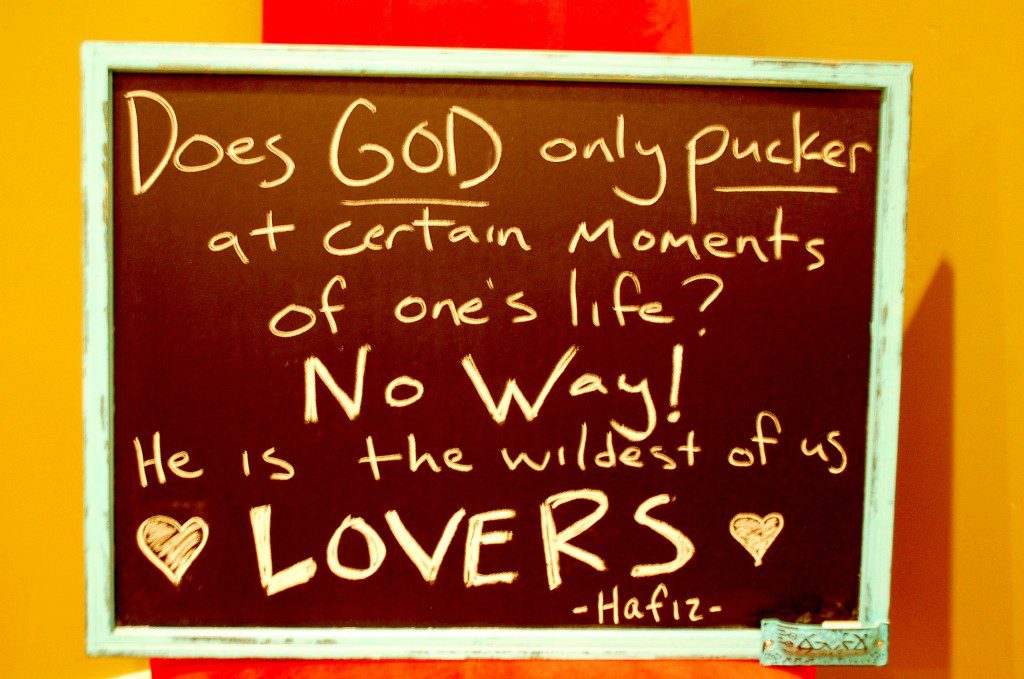
The Wildest of Lovers: My Chalkboard for Valentines...
On the goodness of words (Or, how I...

Hill Tribers Giveaway Winner, Thankful Tuesday, and a...
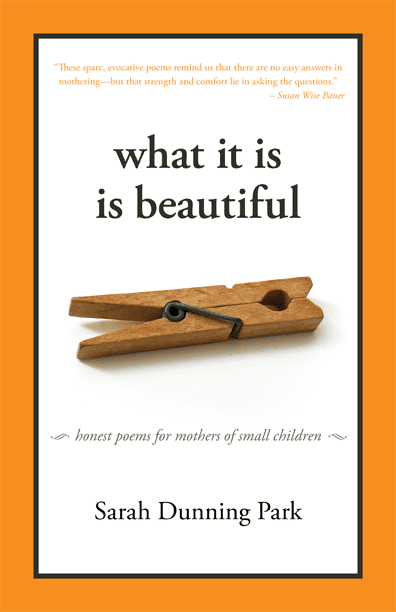
In Real Life (a guest post from Sarah...
TRENDING AT PATHEOS Family, Parenting and Religion

'Super Scam Me' Exposes AI Jon Bon Jovi...
Leslie Pickett believed she was in a relationship with Jon Bon Jovi....

The Brazilian Remake of Kendricks' 'Flywheel' Opens in...
“Flywheel,” the story that launched the Kendrick Brothers’ filmmaking career is getting...

The Dangers of Gradual Accommodation (Winking at Sin)
Recently, the “law of gradualness” resurfaced during the opening of a weeklong,...

The Iron Gates and the Lion of the...
Yesterday, I didn't finish my report about, well, yesterday. So I'll...

The Image: On the Horror of Capitalism and...
The Image Then went the Pharisees, and took counsel how they might...

We are approaching the date of our new American national holiday: October...
view all Family, Parenting and Religion blogs
Ad-Free & Subscriber Log-In Subscription Support
- About Us
- 2026 Calendar
- Videos
- Podcasts
- Library of World Religions
- Faith In Media Tracker
- Advertise With Us
- Write for Us
- Privacy Policy
- Terms of Service
- Do Not Sell My Data
- Contact Us
- Radiant Digital
- Manage Newsletter Subscriptions
- Unsubscribe From Notifications
- Sitemap
Copyright 2008-2026, Patheos. All rights reserved.
Subscription Support Ad-Free & Subscriber Log-In
Follow Patheos