
BuddhistCatholicContemplativeEvangelicalGeneral ChristianHinduJewishLatter-day SaintMuslimNew VisionsProgressive Christian
Beliefs
- Buddhist
- Catholic
- Contemplative
- Evangelical
- General Christian
- Hindu
- Jewish
- Latter-day Saint
- More Voices
- Muslim
- New Visions
- Pagan
- Progressive Christian
Topics
- Religion News
- Food and Religion
- Sports and Religion
- Religious Art
- Religious Music and Entertainment
- Religious Events
- History and Religion
- Style and Religion
- Politics and Religion
- Women in Religion
- Recreation Outdoors and Religion
- Business Finance and Religion
- Careers Workplace and Religion
- Education and Religion
- Family Parenting and Religion
- Health Fitness and Religion
- Home and Religion
- Relationships and Religion
- Technology and Religion
- Travel and Religion
Columnists
- Buddhist Columnists
- Business Finance and Religion Columnists
- Careers Workplace and Religion Columnists
- Catholic Columnists
- Contemplative Columnists
- Education and Religion Columnists
- Evangelists Columnists
- Family Parenting and Religion Columnists
- General Christian Columnists
- Health Fitness and Religion Columnists
- Hindu Columnists
- History and Religion Columnists
- Home and Religion Columnists
- Jewish Columnists
- More Voices Columnists
- Latter Day Columnists
- Muslim Columnists
- New Visions Columnists
- Nonreligious Columnists
- Pagan Columnists
- Politics and Religion Columnists
- Progressive Columnists
- Recreation Outdoors and Religion Columnists
- Relationships and Religion Columnists
- Religion News Columnists
- Religious Art Columnists
- Religious Events Columnists
- Religious Music and Entertainment Columnists
- Sports and Religion Columnists
- Style and Religion Columnists
- Technology and Religion Columnists
- Travel and Religion Columnists
- Women in Religion Columnists
Resource Library
- 2026 Calendar
- Library of World Religions
- The 100 Most Holy Places on Earth
- Patheos Answers
- Podcasts
- Videos
- Faith Leaders Database
- Anglican Episcopalian
- Bahai
- Baptist
- Buddhism
- Christianity
- Confucianism
- Eastern Orthodoxy
- Hinduism
- Holiness and Pentecostal
- ISKCON
- Islam
- Judaism
- Lutheran
- Methodist
- The Church of Jesus Christ of Latter-day Saints
- New Age
- Paganism
- Presbytarian and Reformed
- Protestantism
- Religion Behind the Scenes
- Roman Catholic
- Scientology
- Shia Islam
- Sikhism
- Sufism
- Sunni Islam
- Taoism
- Zen
- See all religions
Research Tools
 Ad-Free & Subscriber Log-In Subscription Support
Ad-Free & Subscriber Log-In Subscription Support
Follow Patheos 

- Trending:
- Forgiveness
- |
- Marriage
- |
- Consciousness
- |
- Death Penalty
- |
- Election
- |
- Halloween
 Marketplace Faith
- Home
- Careers, Workplace and Religion
- Two Sides of the Calling Coin: A better way to frame vocation
Two Sides of the Calling Coin: A better way to frame vocation
Last updated on: April 21, 2017 at 1:08 pm by Dr. Chip Roper
Two Sides of the Calling Coin: A better way to frame vocation 2017-04-21T13:08:38-05:00 Dr. Chip Roper
Patheos Explore the world's faith through different perspectives on religion and spirituality! Patheos has the views of the prevalent religions and spiritualities of the world.
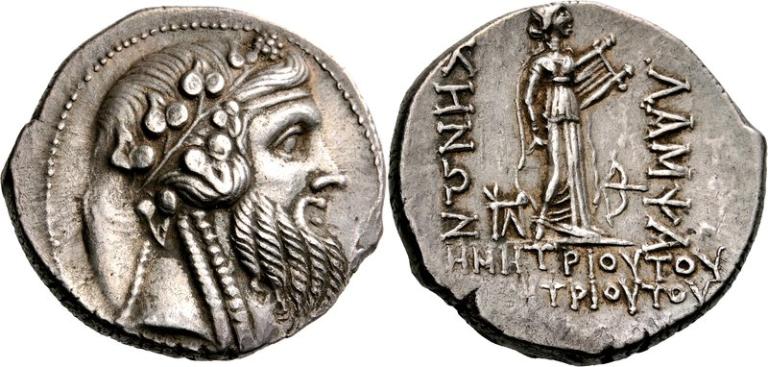
Figuring out Calling
Is calling the possession a chosen, few, those who are holy enough and spiritual enough to hear from God regarding what they should do with their lives? The Call: the province of the saintly elite, not to be possessed by most mere mortals.
Or is calling the personal right of anyone and everyone who will bother to do the work to find their dream job. After all, “your calling is work that makes you happy.”
Near Misses on Calling
The above lines describe two common and equally destructive twists on the otherwise life-giving experience of calling.
- In the first, calling is reserved for clergy and other “public service” roles, and everyone else is relegated to 2nd or 3rd tier status in a vocational cast system. The elite view of calling grates against your sense of equality. It also minimizes concern for the affairs of creation, the grand scope of the interest and investment that God places in this physical world.
- In the second, each of us essentially can serve as our own caller. Like every other modern ill, a lack of calling can be cured by human attention and technique. Follow the two steps, the five paths, take this assessment, get in touch with your passion and voila, you have discovered your calling. No caller is necessary.
The Biblical concept of calling is a) for everyone and b) unwilling to be domesticated into a tamable self-centered journey (See Myths Part 1, Myths Part 2 to unpack other “misses” on calling). A life-giving sense of calling is, in reality, a two-sided coin, a two-edged sword, a carrot AND a stick.
The Two-Sided Definition of Calling
How to define calling? How does this ring for you?
A calling is an invitation and summons from God.
Calling is an invitation. The God of the universe invites us to actively participate in this unfolding story through the work we do each day (We have other callings besides our work, see here). God is elevating the status and importance of our work, bringing up to a plain of cosmic importance. Calling is a letter in the mail that you are invited to the party, to sit a seat of honor, to enjoy the feast. And yet, calling is more.
Calling is a summons. The God of the universe is requiring something of us. He is insisting that we respond to his grace and wisdom through the embrace of specific responsibilities. Calling makes us accountable. Thus the apostle wrote “live a life worthy of your calling (Ephesians 4:1-2). Calling is a summons in the mail, notice that you are required to serve on jury duty or be present in court, no excuses accepted.
Working Called
When you go to work with a sense of calling, you go with both a sense of privilege—God cares about your work and has a purpose for it. And a sense of responsibility, God is summoning you to a way-of-being in the context of your work and to trust him completely with your career path.
Calling is gift and demand, opportunity and challenge, invitation and summons. Lean into the caller to hear what he wants you to do.
Find other insights on the journey towards working called by clicking here:
About the Author:
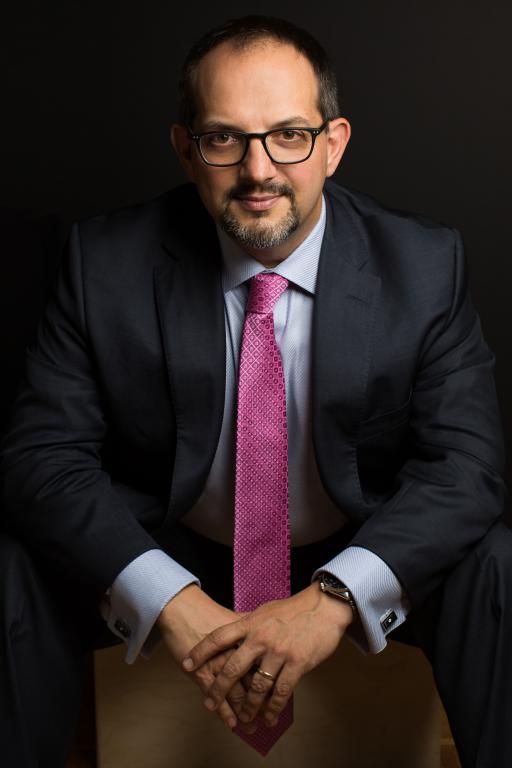
Dr. Chip Roper writes Marketplace Faith from New York City, where he is the Executive Director and Principal Consultant at Voca Center, an organization dedicated to helping clients find and follow their vocational calling. In service of this vision to empower individuals to approach their work with a keen sense of vocation, he aims to end the “stunning silence of the Church regarding life at work.” He is convinced that a central piece of God’s plan for any city or community is the work that people do each day. You can learn more about him here. Chip is available for speaking, consulting, and coaching engagements. Inquire via his email: [email protected].
The VocaCenter is an initiative of Lead.NYC, a subsidiary of the the New York City Leadership Center.
Previous Post

December 31, 2016
Replace Your Job with A Calling in 2017
Next Post

May 6, 2017 Danger: the voice you hear, may only be your own
Browse Our Archives
Select a Category A Deeper Understanding of Faith Ambition Bridging the Vocational Divide Calling Faith & Work Application Illness and Work Medince Networking Purpose of Work Secular Work Stress Uncategorized Video Talks Work Skills
Select a Month October 2023 August 2023 July 2023 May 2023 April 2023 March 2023 February 2023 January 2023 November 2022 October 2022 September 2022 August 2022 July 2022 June 2022 May 2022 February 2022 January 2022 December 2021 November 2021 October 2021 August 2021 July 2021 June 2021 May 2021 November 2020 May 2020 February 2020 October 2019 September 2019 August 2019 June 2019 May 2019 March 2019 February 2019 December 2018 October 2018 February 2018 January 2018 September 2017 July 2017 May 2017 April 2017 December 2016 November 2016 September 2016 August 2016 May 2016 April 2016 March 2016 February 2016 January 2016 December 2015 November 2015 October 2015 September 2015 August 2015 July 2015 June 2015
Follow Us!
TAKE THE
Religious Wisdom Quiz
On which mountain did Moses receive the Ten Commandments?
Select your answer to see how you score.
Mount Sinai Mount Zion Mount of Olives Mount Carmel
Related posts from Marketplace Faith

Being the 'Underdog' is Overrated

The Secret of Executive Resilience

God has Called us to be Dangerous Men...

At Work, You’re Not in Kansas Anymore
TRENDING AT PATHEOS Careers, Workplace and Religion

St. Francis by Bill Droel Pope Leo XIV declares 2026 as “Year...

Catholics are schooled in the faith by memorizing dogmatic points and lots...

The Good News of Our Human Limitations -...
After another day of trying to meet deadlines and working on projects,...

Quiet Holy Attentiveness (podcast) with Sarah Clarkson
We know that quiet is an essential aspect of the spiritual life,...

Every Vocation Everywhere All At Once
What is a vocation? How does it endure through the years? Can...

I promise this is not going to become a Taylor Swift Studies...
view all Careers, Workplace and Religion blogs
Ad-Free & Subscriber Log-In Subscription Support
- About Us
- 2026 Calendar
- Videos
- Podcasts
- Library of World Religions
- Faith In Media Tracker
- Advertise With Us
- Write for Us
- Privacy Policy
- Terms of Service
- Do Not Sell My Data
- Contact Us
- Radiant Digital
- Manage Newsletter Subscriptions
- Unsubscribe From Notifications
- Sitemap
Copyright 2008-2026, Patheos. All rights reserved.
Subscription Support Ad-Free & Subscriber Log-In
Follow Patheos