
BuddhistCatholicContemplativeEvangelicalGeneral ChristianHinduJewishLatter-day SaintMuslimNew VisionsProgressive Christian
Beliefs
- Buddhist
- Catholic
- Contemplative
- Evangelical
- General Christian
- Hindu
- Jewish
- Latter-day Saint
- More Voices
- Muslim
- New Visions
- Pagan
- Progressive Christian
Topics
- Religion News
- Food and Religion
- Sports and Religion
- Religious Art
- Religious Music and Entertainment
- Religious Events
- History and Religion
- Style and Religion
- Politics and Religion
- Women in Religion
- Recreation Outdoors and Religion
- Business Finance and Religion
- Careers Workplace and Religion
- Education and Religion
- Family Parenting and Religion
- Health Fitness and Religion
- Home and Religion
- Relationships and Religion
- Technology and Religion
- Travel and Religion
Columnists
- Buddhist Columnists
- Business Finance and Religion Columnists
- Careers Workplace and Religion Columnists
- Catholic Columnists
- Contemplative Columnists
- Education and Religion Columnists
- Evangelists Columnists
- Family Parenting and Religion Columnists
- General Christian Columnists
- Health Fitness and Religion Columnists
- Hindu Columnists
- History and Religion Columnists
- Home and Religion Columnists
- Jewish Columnists
- More Voices Columnists
- Latter Day Columnists
- Muslim Columnists
- New Visions Columnists
- Nonreligious Columnists
- Pagan Columnists
- Politics and Religion Columnists
- Progressive Columnists
- Recreation Outdoors and Religion Columnists
- Relationships and Religion Columnists
- Religion News Columnists
- Religious Art Columnists
- Religious Events Columnists
- Religious Music and Entertainment Columnists
- Sports and Religion Columnists
- Style and Religion Columnists
- Technology and Religion Columnists
- Travel and Religion Columnists
- Women in Religion Columnists
Resource Library
- 2026 Calendar
- Library of World Religions
- The 100 Most Holy Places on Earth
- Patheos Answers
- Podcasts
- Videos
- Faith Leaders Database
- Anglican Episcopalian
- Bahai
- Baptist
- Buddhism
- Christianity
- Confucianism
- Eastern Orthodoxy
- Hinduism
- Holiness and Pentecostal
- ISKCON
- Islam
- Judaism
- Lutheran
- Methodist
- The Church of Jesus Christ of Latter-day Saints
- New Age
- Paganism
- Presbytarian and Reformed
- Protestantism
- Religion Behind the Scenes
- Roman Catholic
- Scientology
- Shia Islam
- Sikhism
- Sufism
- Sunni Islam
- Taoism
- Zen
- See all religions
Research Tools
 Ad-Free & Subscriber Log-In Subscription Support
Ad-Free & Subscriber Log-In Subscription Support
Follow Patheos 

- Trending:
- Forgiveness
- |
- Marriage
- |
- Consciousness
- |
- Death Penalty
- |
- Election
- |
- Halloween
 Love, Joy, Feminism
-
More
- Home
- Nonreligious
- Love Comes Softly: Missing Missie and the Rock Biscuits
Love Comes Softly: Missing Missie and the Rock Biscuits
Last updated on: March 1, 2019 at 10:18 am by Libby Anne
Love Comes Softly: Missing Missie and the Rock Biscuits 2019-03-01T10:18:24-04:00 Libby Anne
Patheos Explore the world's faith through different perspectives on religion and spirituality! Patheos has the views of the prevalent religions and spiritualities of the world.
Love Comes Softly, chapters 5 and 6
Oh hey, I got something for those of you still wondering (like myself) where in “out west” this book is supposed to be set:
Standing at the clothesline, Marty gazed out toward the west. Far beyond the rolling hills, but mountains rose in majesty.
So she’s east of the Rockies, but close enough to them to see them. Where does that put her?
Marty does the laundry, puts Missie down for a nap, muses hopefully that maybe helping the neighbor will keep Clark out all day for the rest of the week so that she doesn’t have to be around him, and then, exhausted, lays down for a nap.
One summer when I was in college, my family went on an extended vacation and left me at home with the smallest of my siblings—aged 3 and almost 2. For over a week, it was just me and them. I found myself, whether irrationally or not, terrified of sleeping. Why? Because I was afraid that they would wake while I was napping and let themselves out of the house.
I can’t remember whether or not this was something they had tried, but I do remember being very upset that I couldn’t figure out a way to lock the back sliding door in a way they couldn’t unlock. This never happened, of course. Everything was fine, and I spent an enjoyable weekend bonding with my kid siblings. There was something about being there alone with them that made me paranoid.
Or maybe it was having read this book.
Marty awoke with a start—not sure what had roused her but already sensing that something was amiss. Maybe Missie had cried. She propped herself on one elbow and looked at the crib. No, it wasn’t that. Missie wasn’t even there. Missie isn’t there? But she must be.
Missie is gone. Clark still isn’t back, and Missie is missing. Marty tries very hard not to panic as she searches inside and out.
She must have climbed right over the crib railing, she said to herself between shouts for the little girl. I must have been awfully sound asleep.
This was exactly my fear, that summer when I was alone with my baby siblings. This was exactly it. I’m now bizarrely curious whether this fear did come from this book. Also, as previously mentioned, Missie would not have slept in a modern crib. >.<
Marty checks the creek, the outbuildings, and finally the “dusty, rutted roadway.” Unsure of what else to do, she runs down the road looking for Missie. I have questions. Is there just one road, and it goes to everywhere else, including both the Grahams’ and the Larsons’? Does this road go only one way?
How did roads work, at this time?
Anyway, at this moment she sees Clark approaching with the wagon. She continues toward it, trying to figure out how to tell Clark what happened, her face streaked with dirt and tears, when she sees—say what—Missie, sitting on Clark’s knee in the wagon, “looking very proud of herself.”
Clark stops the wagon and Marty climbs in. None of them say anything. Ever.
They traveled toward home in silence. Why didn’t he say something? He’d not spoken, other than a giddup to the team. Missie was quiet, too. Well, she’d better be, the little rascal. If she said one word, Marty knew she’d feel like smacking her. Her great relief at seeing the child safe and sound was now replaced with feelings of anger. Marty’s face felt hot, both from the efforts of her frantic search and her deep humiliation. Then her chin went up. So he wasn’t talking. Well—neither was she. He could think what he would; she wasn’t doing any explaining. She hated him anyway, and she didn’t think much more of his undisciplined child.
Iffen I can jest stick it out fer thet wagon train, then I’ll be leaven’ this wretched place so fast ya won’t even find my tracks, she railed silently.
With that undisciplined child, remember. You’ll be taking her with you, per the bargain. So, that’s cool.
When they get home, Marty grabs Missie and takes her inside. Clark does the chores. Is he not the least bit worried that Marty’s going to beat Missie for her stunt? As it happens, Marty doesn’t. She just glares at her angrily and tells her to stay put while she runs outside to get the wash off the line.
Marty makes pancakes, again. She’s embarassed by this—she is not in a good mood right now—but all Clark says is “good coffee.” No one actually punishes Missie, or talks to her about what happened.
After supper she cleared the table and washed Missie up for bed. She still felt like shaking the little tyke each time she touched her but refrained from doing so.
I’m genuinely surprised Marty hasn’t thrashed Missie, given how angry she is at her and her lack of prior attachment to the child. Instead, no one mentions it. It’s like it didn’t happen.
After Missie is asleep, Marty looks at her worn out clothes.
If only she had a needle and some thread. But she wouldn’t ask him, she determined. Never!
At that moment she notices a sewing basket behind the bedroom door. It’s more than she’d thought possible—so many threads, perfect scissors, fabric scraps.
Sewing—now, that was one thing she could do.
She tries patching her clothes but becomes frustrated—she is a good seamstress, but her clothes are so worn out and ragged as to be unsalvageable. I’m curious what she and Clem thought she’d be wearing all winter—or whether they thought the townspeople would bring presents of cloth when building their house for them before winter hit.
I hate to say this, but I’m not sure she and Clem would have lived through the winter.
Marty knows she needs new clothes, and she knows Clark told her to let her know if she needed anything, but by golly she is not going to ask.
They’d never last the winter, and it was a sure thing she’d never ask him for anything. Even if she was forced to wear nothing but rags.
“We’ve never been fancy, but we try an’ be proper,” she remembered him saying.
“Well, Mr. Proper, what would ya do if ya had nothin’ to make yourself proper with?” she demanded through gritted teeth as she pulled the tattered dress over her head and replaced it with carefully mended nightdress.
This reaction is so … believable. It’s not exactly healthy, or functional. She should just tell Clark what she needs. He told her there’s money there, he told her to ask if she needed anything. This is exactly what he was talking about. This lack of communication is’t great. But I also get it. It feels real. She doesn’t want to ask Clark for anything. It’s a matter of personal pride.
The chapter ends without Clark and Marty saying a thing about what happened with Missie. Clark never mentions it. Marty won’t either. On the one hand, just letting it go makes sense. Clark seems to understand what happened, he doesn’t appear to blame Marty, and it seems like he doesn’t simply want to make a big thing of it. On the other hand, though, this leaves Marty guessing.
Presumably, Clark came upon Missie on the road. Missie probably had enough words to tell him, when asked, that Marty was asleep when she left. He could just tell Marty that he doesn’t blame her for what happened, that things happen, and then brainstorm how to make sure it doesn’t happen in the future (maybe a latch of some sort on the door that Marty can use during naps?). But no.
Also, someone needs to talk to Missie, and tell her she can’t just leave like that. Maybe Clark already did that, in the wagon, but in that case he should have told Marty that he already talked to Missie. Why? Because how was he to know Marty wasn’t going to drag the kid inside and beat her for it?
They should have actually talked about the incident—something, anything—if for no other reason than that they’re co-parenting a child.
So! Chapter six!
It’s the morning of the next day, Marty’s second day at Clark’s home. Marty makes pancakes, again. This morning, Missie lets Marty dress her. Breakfast goes well—Marty knows to expect Clark’s Bible reading this time. Clark announces that he’s off to Jedd Larson’s again. He compliments Marty’s coffee, and leaves. “This time Missie’s whimpering lasted only a few minutes.”
Poor Missie.
So, once again, Marty is trying to figure out what in the world to do with her day. There’s just so little to do on a farm like this! No cows to milk, no chickens to feed, no eggs to gather. Nothing!
Marty decides to empty and clean the kitchen cupboards, and to clean the rest of the kitchen. She finishes the cupboards by noon, and stops to feed Missie and put her down for a nap.
She was glad that milk was plentiful. Along their way west, Clem had fretted that she should be drinking milk for the baby. Now there was milk in abundance, and Clem’s boy would be strong when he arrived.
I am curious whether people have always believed that it was important for pregnant women to drink milk, or whether this is a new thing and anachronistic in this book.
Marty is worn out again, but is afraid to nap lest Missie “repeat her performance of yesterday.” So Marty washes the curtains and the window, and then starts cleaning the kitchen walls.
Now here’s the thing: it seems these are log walls. Log walls with chinking. Marty is amazed by how much water the walls absorb as she scrubs them, but she never stops to think about where that water is going—or what will happen if the chinking gets wet. It’s not like I know anything about log walls and chinking, mind you, but I’ve read this book before and I know what’s coming.
Once she finishes, the log walls “shined.” Do logs do that? It seems like you’d clean log walls by brushing them down with a broom, not scrubbing them with water.
Marty finds an iron, puts it on the stove, and irons the now-dry curtains. She gets Missie a snack when she wakes up. Missie turns chatty, and Marty finds she likes her company. Finally!
While Missie eats her snack, Marty scrubs down the wood floor with hot soapy water. When she finishes, she sits back and feels proud of how clean everything feels. Well, almost everything.
The chinking looks odd. Marty suddenly realizes that it was the chinking, not the logs, that was soaking up the water. She hopes to god it drys quickly. It won’t.
Marty decides to try making biscuits. She also slices some potatoes and ham, and decides to fry both. Oh, and some carrots, so that there will be a vegetable. I’m not going into detail here—because this is boring—but everything goes wrong. The coffee boils over, she forgets to cook the carrots, the potatoes get mushy, and the biscuits—they’re hard as rocks. She can’t even bite them. She throws one in the stove but it won’t burn, so she takes them outside and buries them.
The number of times she leaves Missie inside with a hot stove—a stove she has filled too full—has me wondering about how she’s sure Missie won’t try to cook something herself, and burn herself.
When she gets back inside from burins the biscuits, the ham is burned.
When Clark came in for supper, he was served lukewarm mushy potatoes and slightly burned slices of ham along with the few slices of bread that remained [from the loaf that was there when Marty arrived]. There was no mention of the carrots, which had just begun to boil, and of course no mention of the sad lumps called biscuits. Clark said nothing as he ate. Nothing, that is, except, ‘Thet’s right good coffee.'”
I think we’re supposed to see this as endearing. Clark is choosing to overlook all of Marty’s mistakes, and to find something to compliment. This is one of the reasons I said, after rereading the book, that Clark was a genuinely good person. He doesn’t criticize Marty. He doesn’t glower, or give her loaded looks.
But you know what else he doesn’t do? He doesn’t straight-up tell her it’s okay. It’s possible that this would just make Marty more upset—it would make it clear that he sees she’s struggling—but at the same time, much of the reason Marty’s struggling is in her head. She’s constantly thinking about what Clark must be thinking of her. This complete lack of communication is not a good thing.
Then again, it’s possible this is what Marty needs—space.
Also, how do you mess up potatoes? So they’re mushy—add some butter and milk and mash them! Then you have ham and mashed potatoes, that’s perfectly respectable! And why doesn’t she know how to make biscuits? She wasn’t raised wealthy! She would know how to do this! Also! How is there nothing to do on a farm? Not just a farm, a farm with cows and pigs and horses and chickens?
The logistics here make no sense at all.
I have a Patreon! Please support my writing!

Next Post

March 2, 2019 Saturday Link Love: Parenting while Poor, an Inner Life, and Green Book
Browse Our Archives
Select a Category Atheism Evangelicalism/Fundamentalism Family Feminism Homeschool Meta Parenting Patriarchy Politics Purity Quiverfull Social Justice Uncategorized Worthwhile reads
Select a Month February 2021 January 2021 December 2020 November 2020 October 2020 September 2020 August 2020 July 2020 June 2020 May 2020 April 2020 March 2020 February 2020 January 2020 December 2019 November 2019 October 2019 September 2019 August 2019 July 2019 June 2019 May 2019 April 2019 March 2019 February 2019 January 2019 December 2018 November 2018 October 2018 September 2018 August 2018 July 2018 June 2018 May 2018 April 2018 March 2018 February 2018 January 2018 December 2017 November 2017 October 2017 September 2017 August 2017 July 2017 June 2017 May 2017 April 2017 March 2017 February 2017 January 2017 December 2016 November 2016 October 2016 September 2016 August 2016 July 2016 June 2016 May 2016 April 2016 March 2016 February 2016 January 2016 December 2015 November 2015 October 2015 September 2015 August 2015 July 2015 June 2015 May 2015 April 2015 March 2015 February 2015 January 2015 December 2014 November 2014 October 2014 September 2014 August 2014 July 2014 June 2014 May 2014 April 2014 March 2014 February 2014 January 2014 December 2013 November 2013 October 2013 September 2013 August 2013 July 2013 June 2013 May 2013 April 2013 March 2013 February 2013 January 2013 December 2012 November 2012 October 2012 September 2012 August 2012 July 2012 June 2012 May 2012 April 2012 March 2012 February 2012 January 2012 December 2011 November 2011 October 2011 September 2011 August 2011 July 2011 June 2011
Follow Us!
TAKE THE
Religious Wisdom Quiz
Where was Jesus Born?
Select your answer to see how you score.
Bethlehem Jerusalem Nazareth Shiloh
Related posts from Love, Joy, Feminism

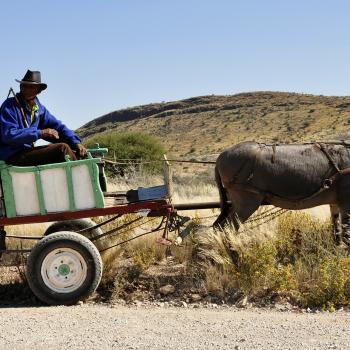
Love Comes Softly: A Panicked Rush into Town

Love Comes Softly: Laura Is Dead, Long Live...

Love Comes Softly: The Conversion and the Fall;...
TRENDING AT PATHEOS Nonreligious

Dethroning Jesus and Enthroning Yourself
Jesus Never Asked to Be Worshipped. He Asked to Be Understood. Christianity...

Why Most Christians are Really Paulians and Jobians
I Don't Care, But It Matters Let's get this out of the...

Essential Tips to Successfully Navigate the Selling Process
Selling a house can feel overwhelming, but it doesn’t have to be....

To Make Remote Work Effective, Think About Others
The COVID-19 pandemic forced many companies to rapidly transition to remote work....

Flexibility Is Key to Solving Problems of Tomorrow
The world of work is undergoing a dramatic transformation. The COVID-19 pandemic...
view all Nonreligious blogs
Ad-Free & Subscriber Log-In Subscription Support
- About Us
- 2026 Calendar
- Videos
- Podcasts
- Library of World Religions
- Faith In Media Tracker
- Advertise With Us
- Write for Us
- Privacy Policy
- Terms of Service
- Do Not Sell My Data
- Contact Us
- Radiant Digital
- Manage Newsletter Subscriptions
- Unsubscribe From Notifications
- Sitemap
Copyright 2008-2026, Patheos. All rights reserved.
Subscription Support Ad-Free & Subscriber Log-In
Follow Patheos