
BuddhistCatholicContemplativeEvangelicalGeneral ChristianHinduJewishLatter-day SaintMuslimNew VisionsProgressive Christian
Beliefs
- Buddhist
- Catholic
- Contemplative
- Evangelical
- General Christian
- Hindu
- Jewish
- Latter-day Saint
- More Voices
- Muslim
- New Visions
- Pagan
- Progressive Christian
Topics
- Religion News
- Food and Religion
- Sports and Religion
- Religious Art
- Religious Music and Entertainment
- Religious Events
- History and Religion
- Style and Religion
- Politics and Religion
- Women in Religion
- Recreation Outdoors and Religion
- Business Finance and Religion
- Careers Workplace and Religion
- Education and Religion
- Family Parenting and Religion
- Health Fitness and Religion
- Home and Religion
- Relationships and Religion
- Technology and Religion
- Travel and Religion
Columnists
- Buddhist Columnists
- Business Finance and Religion Columnists
- Careers Workplace and Religion Columnists
- Catholic Columnists
- Contemplative Columnists
- Education and Religion Columnists
- Evangelists Columnists
- Family Parenting and Religion Columnists
- General Christian Columnists
- Health Fitness and Religion Columnists
- Hindu Columnists
- History and Religion Columnists
- Home and Religion Columnists
- Jewish Columnists
- More Voices Columnists
- Latter Day Columnists
- Muslim Columnists
- New Visions Columnists
- Nonreligious Columnists
- Pagan Columnists
- Politics and Religion Columnists
- Progressive Columnists
- Recreation Outdoors and Religion Columnists
- Relationships and Religion Columnists
- Religion News Columnists
- Religious Art Columnists
- Religious Events Columnists
- Religious Music and Entertainment Columnists
- Sports and Religion Columnists
- Style and Religion Columnists
- Technology and Religion Columnists
- Travel and Religion Columnists
- Women in Religion Columnists
Resource Library
- 2026 Calendar
- Library of World Religions
- The 100 Most Holy Places on Earth
- Patheos Answers
- Podcasts
- Videos
- Faith Leaders Database
- Anglican Episcopalian
- Bahai
- Baptist
- Buddhism
- Christianity
- Confucianism
- Eastern Orthodoxy
- Hinduism
- Holiness and Pentecostal
- ISKCON
- Islam
- Judaism
- Lutheran
- Methodist
- The Church of Jesus Christ of Latter-day Saints
- New Age
- Paganism
- Presbytarian and Reformed
- Protestantism
- Religion Behind the Scenes
- Roman Catholic
- Scientology
- Shia Islam
- Sikhism
- Sufism
- Sunni Islam
- Taoism
- Zen
- See all religions
Research Tools
 Ad-Free & Subscriber Log-In Subscription Support
Ad-Free & Subscriber Log-In Subscription Support
Follow Patheos 

- Trending:
- Forgiveness
- |
- Marriage
- |
- Consciousness
- |
- Death Penalty
- |
- Election
- |
- Halloween
 Love is an Orientation
- Home
- Evangelical
- Don’t Feel That Way!
Don’t Feel That Way!
Last updated on: July 8, 2013 at 10:24 am by Andrew Marin
Don’t Feel That Way! 2013-07-08T10:24:51-05:00 Andrew Marin
Patheos Explore the world's faith through different perspectives on religion and spirituality! Patheos has the views of the prevalent religions and spiritualities of the world.
 The following post is from Brent Bailey, a Master of Divinity student at Abilene Christian University. Brent is interning with us at The Marin Foundation this summer, and you can find his blog at oddmanout.net.
How effective is it when someone tells you not to feel the way you feel?
Let’s take some easy examples: When someone prefaces a statement with a hesitant request, “Don’t be mad, but…” does it effectively prevent you from feeling angry at what follows? When someone finishes a self-deprecating story with an exasperated plea, “Don’t laugh!” does it wipe the smile from your face? Or let’s take some heavier examples: When you’re in a situation that feels unsafe or unsettling and a friend insists, “Don’t be scared,” does your fear immediately dissipate? When your roommate does something that troubles you and urges, “Just be glad for me!” does it fill you with the warmth of happiness? These commands rarely (if ever) work on me, and in many cases, they exacerbate what I actually do feel.
Disagreements about homosexuality and same-sex marriage tend to become passionate and emotional, and I think that’s good. We’re debating something that’ simultaneously intensely personal (whom I love, what rights I deserve, whom I sleep with) and inescapably universal (what constitutes a “family,” what we define as “healthy sexuality,” what our government should provide or deny), and as a result, our debates are never merely intellectual exercises. They’re deeply urgent and close with stakes that couldn’t be higher, and as a result, our emotions flare up in precisely the way I think God designed them to flare up. It’s probably a good thing we feel furious and dejected and exhilarated and tender when we talk about same-sex marriage, since that means we’re grasping in our guts what a big deal this is. Feeling emotions is great; acknowledging and naming and unpacking emotions is even better.
So you’re certainly not going to hear me say our debates about same-sex marriage need to be less emotional. What I do want to say is that, if our goal is constructive dialogue, we need to avoid the temptation to dismiss the feelings of others when we’re of the opinion that they shouldn’t feel the way they do. In many cases, we’re fairly good at recognizing the way other people—even our enemies—feel; unfortunately, in many cases, we’re also fairly good at disregarding those feelings as soon as we can describe the reasons they ought to feel otherwise. And when we focus on the reasons people shouldn’t feel a certain way instead of focusing on the way they actually feel, we start to underestimate the power those feelings hold over the other person’s attitude. “Their fear is completely unjustified,” we say, and so we disregard the extraordinary power fear wields in a person’s decisions. “Their anger is based on faulty thinking,” we say, and so we ignore the way anger inextricably influences behavior. We may even have doubts about whether they actually feel a certain way, as if they’re merely using emotional language to hide their motives and boost their position: “There’s no way they could actually be afraid of that.” At this point, it becomes nearly impossible for us to take what the other person says seriously or to engage them in constructive dialogue. Even if we’re actually right and they’re completely wrong and they really truly shouldn’t feel that way, we’ve moved no closer to understanding or agreement, and we may have even intensified their feelings and their zeal for their position.
When a same-sex couple feels deep sadness and anger about the rights and privileges they don’t receive from the government in spite of their commitment to one another, there’s really nothing to be gained from a conservative Christian telling them, “You shouldn’t feel that way”—even if the Christian believes their relationship is fundamentally sinful and thinks there’s a good reason why the government should reserve those rights and privileges for opposite-sex couples. The couple’s deep sadness and anger are real, and productive discussion can only proceed if the Christian acknowledges those feelings. And when an evangelical pastor feels deep fear about whether it will be possible and feasible for his church to continue refusing to perform same-sex marriages in the midst of a culture that sees no legal difference between heterosexual and homosexual marriages, there’s really nothing to be gained from a marriage equality advocate telling him, “You’re not actually afraid of that”—even if the advocate believes the pastor’s theology is outdated, maybe antiquated, and thinks the pastor’s fears are ill-founded in light of protections for religious liberty. The pastor’s deep fear is real, and productive discussion can only proceed if the advocate acknowledges those feelings.
I’ll pause a bit on that word “acknowledges.” I think there’s a strong concern on both sides of the debate that acknowledging the way an opponent feels somehow legitimizes the other person’s position. If the advocate recognizes the pastor’s fear, doesn’t that somehow cede ground to the pastor’s reasons for feeling afraid? If the Christian genuinely listens to the couple’s sadness and anger, doesn’t that somehow validate their relationship? And in either case, isn’t that the very last thing the person on one side of a debate would want to do to someone on the other side? That concern is understandable (Did you notice how I’m trying my best to model what I’m advocating in this post?), especially in those situations where my opponent’s position has done harm to me or is doing harm to me. Nevertheless, this isn’t really about seeing things from my opponent’s perspective, although—when that’s a safe endeavor for me—it’s often a helpful exercise. This is about recognizing that my opponent is probably feeling emotions just as intensely as I’m feeling emotions, and regardless of whether those emotions are justified, I’ll get a lot farther when I acknowledge they’re part of the game. If my opponent is afraid or sad or angry, increasing their fear or sadness or anger through aggressive arguments or deafening protests probably won’t improve the situation or invite them into a new way of thinking.
It’s useful to remember that the emotions I’m describing—fear, anger, sadness—are universal human emotions. When we can acknowledge those emotions in ourselves and in others, it reminds us of the countless ways we’re similar instead of the few ways we’re dissimilar. It reminds us we’re usually striving for the same things, even if we don’t agree on how we’ll attain them, and it suggests we might even possess the capacity to imagine an existence beyond a zero-sum game, an existence in which you getting what you want doesn’t mean me not getting what I want.
If nothing else, it reminds us we’re humans who ought to treat one another like humans, and that could go a long way in improving the conversation.
Do you find it difficult to acknowledge the emotions of people who fundamentally disagree with you? Have you ever felt like someone else was dismissing your emotions in the midst of this debate?
Much love.
Previous Post

July 5, 2013
Continuing Education Classes with The Marin Foundation
Next Post
July 11, 2013 Living in the Tension - 7/15
Browse Our Archives
Select a Category Book Reviews Bridging Opposing Worldviews Culture Don't Drink and Drive Faith Guest Posts I'm Sorry Campaign Interviews Language Laura Statesir LGBT Living in the Tension Living in the Tension Gatherings Love Is an Orientation Love Is an Orientation Blog Love Is an Orientation Book Love Is an Orientation DVD Melinda Guerra Memory My One Sentence Bible Newsletter Our Last Option Parents & Families Politics Quick Quotes Quotes ReEngaging Civility Sexuality Speaking The Marin Foundation Theology Uncategorized Us Versus Us Videos Warren Perry Youth and Campus Ministry
Select a Month June 2016 May 2016 December 2015 June 2015 May 2015 April 2015 March 2015 February 2015 January 2015 December 2014 November 2014 October 2014 September 2014 August 2014 July 2014 June 2014 May 2014 April 2014 March 2014 February 2014 January 2014 December 2013 November 2013 October 2013 September 2013 August 2013 July 2013 June 2013 May 2013 April 2013 March 2013 February 2013 January 2013 December 2012 November 2012 October 2012 September 2012 August 2012 July 2012 June 2012 May 2012 April 2012 March 2012 February 2012 January 2012 December 2011 November 2011 October 2011 September 2011 August 2011 July 2011 June 2011 May 2011 April 2011 March 2011 February 2011 January 2011 December 2010 November 2010 October 2010 September 2010 August 2010 July 2010 June 2010 May 2010 April 2010 March 2010 February 2010 January 2010 December 2009 November 2009 October 2009 September 2009 August 2009 July 2009 June 2009 May 2009 April 2009 March 2009 February 2009 January 2009 December 2008 November 2008 October 2008 September 2008
Follow Us!
TAKE THE
Religious Wisdom Quiz
I saw a river flowing from the temple threshold, getting deeper until it became a river no one could cross. What grew along its banks?
Select your answer to see how you score.
Grass Flowers Trees Vines
Related posts from Love is an Orientation

Don't Let Your Anger Turn Into Their Hate

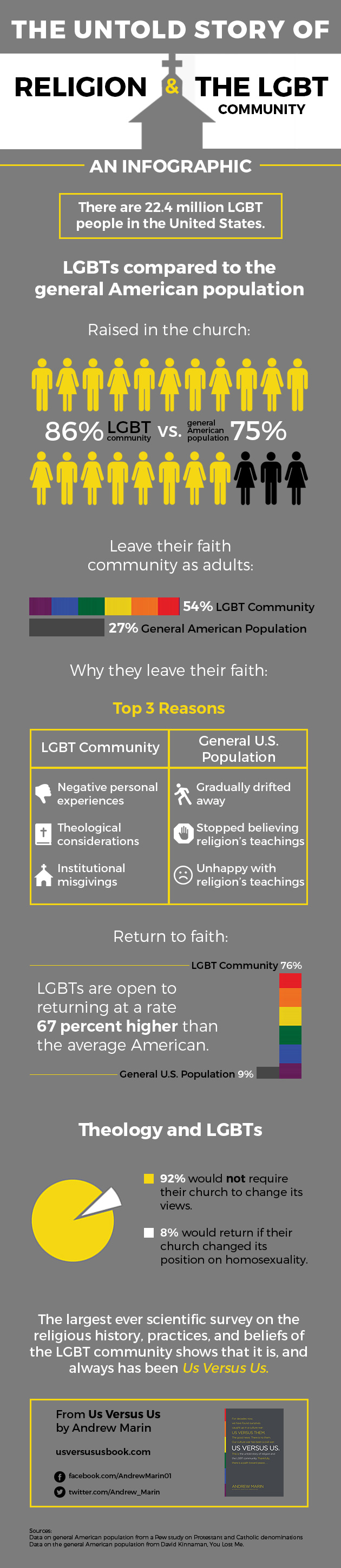
Great Infographic for Research Findings in Us Versus...

My ebook, Our Last Option, is Patheos Book...
TRENDING AT PATHEOS Evangelical

The REST of Your Life: A Creative Wrestles...
This week I had a conversation with a good friend from church....

How the author of the world's best hymn...
I've been working with John Newton for a while now. This makes...

Long before this Lectio Divina, Psalm 130 - the song - started...

What About the Trees? Another Living Parable
After I finished writing the last article about falling leaves as a...

Why Classical Education Is a Conversation, Not a...
Come and Read: Joy in Classical Education When I was a little...

Cornell University has received a great deal of negative publicity and intense...
view all Evangelical blogs
Ad-Free & Subscriber Log-In Subscription Support
- About Us
- 2026 Calendar
- Videos
- Podcasts
- Library of World Religions
- Faith In Media Tracker
- Advertise With Us
- Write for Us
- Privacy Policy
- Terms of Service
- Do Not Sell My Data
- Contact Us
- Radiant Digital
- Manage Newsletter Subscriptions
- Unsubscribe From Notifications
- Sitemap
Copyright 2008-2026, Patheos. All rights reserved.
Subscription Support Ad-Free & Subscriber Log-In
Follow Patheos